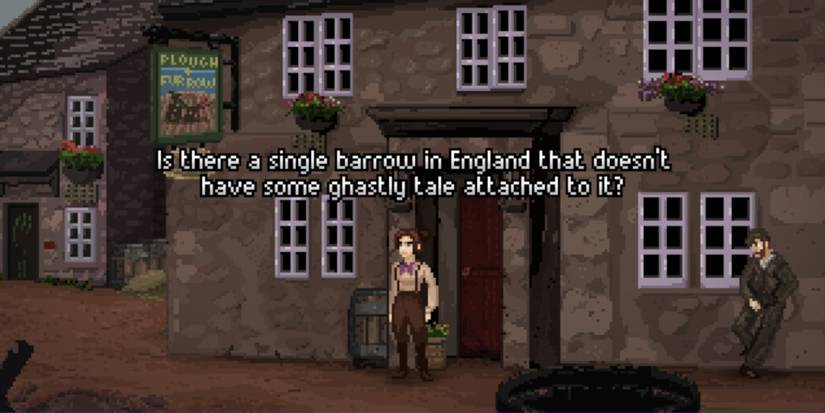
There is a unique magic in the feeling of stepping off a well-worn path to discover a hidden ruin or an uncharted valley in a virtual world. Whether you are a fan of sprawling open world adventures or prefer the quiet, deliberate pace of atmospheric walking simulators, fantasy world exploration quests form the backbone of the most memorable gaming experiences. These moments of discovery are not just about reaching a new coordinate on a map; they are about player curiosity, environmental storytelling, and the thrill of the unknown. Crafting these experiences requires a delicate balance between guiding the player and letting them carve their own legend. In this guide, we will break down the essential design philosophies that make fantasy world exploration quests truly immersive, from building reactive ecosystems to rewarding player agency. You will learn how to turn simple traversal into a compelling journey that keeps players engaged, challenged, and eager to uncover every secret hidden within your landscape.
Mastering the Fundamentals of Fantasy World Exploration Quests
Designing Compelling Exploration Objectives
Establishing Clear Motivations Such as Resource Discovery and Ancient Secrets
The most engaging fantasy world exploration quests rely on more than just a map marker; they require a tangible “why.” Players need a reason to brave the wilderness, whether that is the pursuit of rare, magical reagents for survival crafting or the pull of buried history. By anchoring exploration in resource discovery, you turn the act of travel into an economic necessity. When players seek out ancient secrets or lost artifacts, the environment stops being a backdrop and becomes a puzzle to be solved. Effective objectives should always feel like an extension of the player’s agency, rewarding curiosity with tangible upgrades or pieces of lore that reshape their understanding of the game world.
Balancing Narrative Hooks with Open-World Freedom
True open world adventures thrive on the tension between structured storytelling and player autonomy. The challenge lies in introducing narrative hooks—such as a cryptic letter found on a bandit or a rumor overheard in a tavern—that spark interest without forcing the player onto a rigid path. By scattering these threads across the landscape, you allow players to prioritize their own goals. This non-linear approach ensures that the “main quest” is merely one of many stories unfolding simultaneously, letting the player discover the world at their own pace while maintaining a sense of purpose throughout their journey.
Crafting Immersive Environments and Ecosystems
Utilizing Sensory Language to Treat Landscapes as Characters
To create a truly immersive experience, view your environments as living, breathing characters rather than mere containers for gameplay. Use sensory language to emphasize the atmosphere; describe the heavy, humid air of a swamp, the sharp metallic tang of a dragon’s den, or the oppressive silence of an ancient ruin. When the environment reacts to the player—through shifting weather patterns or crumbling geometry—it creates a deeper bond between the adventurer and the setting. For players who prefer the quiet discovery of atmospheric walking simulators, these environmental details are the primary reward for exploration, often speaking louder than any dialogue or combat encounter.
Designing Dynamic Flora, Fauna, and Climate Constraints
A static world feels artificial. To make a fantasy realm feel real, implement dynamic ecosystems where flora and fauna follow logical patterns. Predators should hunt based on time-of-day cycles, while rare plants might only bloom during specific celestial alignments or weather events. By introducing climate constraints—such as extreme cold that necessitates specific gear or seasonal flooding that alters terrain—you force players to plan their journeys carefully. This encourages a level of strategic preparation that transforms the landscape from a passive playground into a formidable, unpredictable adversary.
Essential Cartography and Map-Making Techniques
Defining Key Landmarks, Choke Points, and Strategic Paths
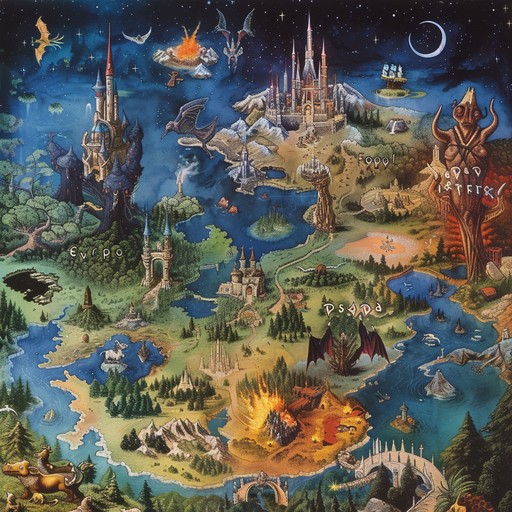
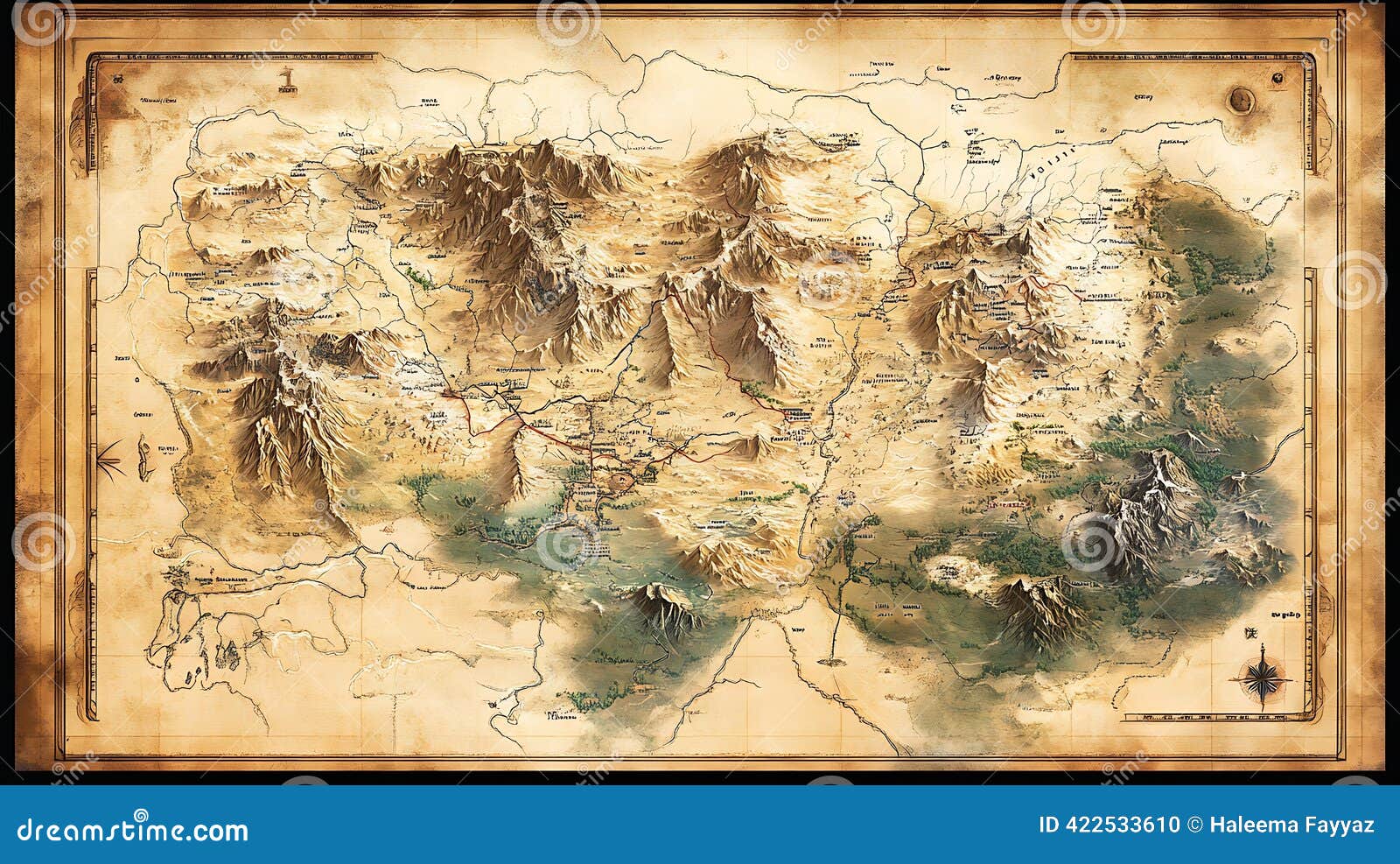
Effective map design acts as a silent guide for the player. By defining clear landmarks, such as massive statues or distinct rock formations, you provide natural navigation beacons that reduce reliance on intrusive user interface elements. Strategic choke points, like mountain passes or narrow canyon bridges, naturally funnel exploration and create opportunities for meaningful encounters. When building these paths, ensure that the geography feels deliberate, encouraging players to read the terrain like a seasoned explorer to find shortcuts, hidden valleys, or safer routes through dangerous territory.
Integrating Environmental Lore Through Ruins and Visual Storytelling
Visual storytelling is the heart of effective world-building. Instead of relying on text-heavy scrolls, use the placement of ruins and debris to tell the history of your world. A scattered campsite near a cliff edge, a rusted sword embedded in a statue, or the way a forest has reclaimed a fallen fortress provides immediate context about what happened long before the player arrived. This approach transforms every dungeon crawl into a history lesson, rewarding players for their attention to detail. For those interested in deeper mechanics and narrative depth, understanding these design philosophies is essential for creating compelling best point and click quests: a guide to mystery & fantasy that feel cohesive and lived-in.
2. Advanced Mechanics and Execution for Fantasy World Exploration Quests
2.1 Designing Meaningful Encounters and Resource Challenges
2.1.1 Implementing Survival Mechanics Like Food, Water, and Equipment Decay
Survival elements ground fantasy world exploration quests by forcing players to engage with the environment as a partner rather than just a backdrop. When food, hydration, and equipment maintenance become core pillars, the world feels dangerous and authentic. Rather than simple inventory management, these mechanics should create friction that influences travel decisions. For instance, requiring water sources in a desert region pushes players to traverse specific, potentially hazardous terrain. Similarly, implementing weapon and armor decay ensures that players must seek out local crafters or rare materials, effectively turning the survival loop into a natural driver for further exploration in survival hero dungeon crawlers.
2.1.2 Balancing Random Encounters with Intentional Narrative Beats
The key to a living world is balancing unpredictability with design intent. While random encounters keep a landscape from feeling static, they can quickly become repetitive. To avoid this, link your random encounters to the surrounding lore. A wandering band of spirits should only appear near ruins where they died, rather than across the entire map. By layering these spontaneous events with intentional, scripted narrative beats, you ensure the player feels the impact of their surroundings. This approach helps maintain the tension necessary to elevate open world adventures, making every off-the-beaten-path discovery feel earned rather than forced.
2.1.3 Developing Unique NPCs Such as Nomadic Tribes and Forgotten Guardians
Static quest-givers often break immersion. Instead, populate your world with NPCs who exist within their own ecosystem. Nomadic tribes should move across the map based on seasonal shifts, offering trade or knowledge only when intercepted at the right time. Forgotten guardians, meanwhile, serve as environmental puzzles that require specific items or rituals to wake. These unique NPCs encourage the player to learn the world’s history through interaction, turning the act of exploration into a genuine discovery of the culture and logic defining your fantasy realm.
2.2 Refining Player Agency and Reward Systems
2.2.1 Building Non-Linear Quest Structures That Respond to Player Choices
To foster deep engagement, your quests must reflect the player’s history. A non-linear structure allows for multiple resolutions to a single objective. If a player chooses to help a besieged settlement rather than investigate a nearby cave, that decision should have tangible ripple effects—perhaps trade routes open up, or a faction becomes hostile. This level of responsiveness elevates the experience from a checklist of tasks into a truly reactive world.
2.2.2 Designing Rewards Beyond Gold Including Titles, Knowledge, and Environmental Shifts
Gold is rarely the most satisfying reward for a long, arduous trek. Instead, consider rewarding players with permanent changes to the world state. Maybe clearing a cursed forest causes a new path to bloom, or gaining the favor of an ancient entity grants the player a unique title that changes how NPCs interact with them. Sharing forbidden knowledge that unlocks new dialogue paths or crafting recipes provides a sense of progression that outlasts the utility of temporary currency.
2.2.3 Solving Common Pitfalls Like Backtracking Fatigue and Railroading
Backtracking becomes a chore when the environment feels empty or repetitive. Combat this by providing shortcut systems, such as ancient teleportation circles or climbing paths that open up after a difficult ascent. Furthermore, avoid railroading by providing multiple viable routes to an objective. Whether it is a mountain pass or an underground tunnel, giving players the agency to choose their own journey significantly improves the feeling of exploration and ensures they stay immersed in the mystery of the world.
At its heart, crafting memorable fantasy world exploration quests is about more than just filling a map with icons; it is about inviting players to become genuine participants in a living, breathing story. By balancing the freedom of open world adventures with deliberate narrative beats, you create an experience that feels earned rather than scripted. Whether you are designing challenging survival loops or focus-heavy environmental puzzles, the goal remains the same: to make every step the player takes feel significant and purposeful.
As you continue to refine your world-building techniques, remember that the most successful designs are those that reward curiosity with meaningful discovery. By avoiding the pitfalls of repetitive tasks and instead focusing on how player choice can dynamically alter the landscape, you elevate your game from a standard questing experience to a truly immersive journey. If you are looking to further refine your approach to puzzle-driven discovery and narrative flow, you may find additional inspiration in our guide to best point and click quests. Ultimately, the best fantasy worlds are those that stay with the player long after they have put down the controller, leaving them eager to uncover whatever mysteries lie over the next horizon.