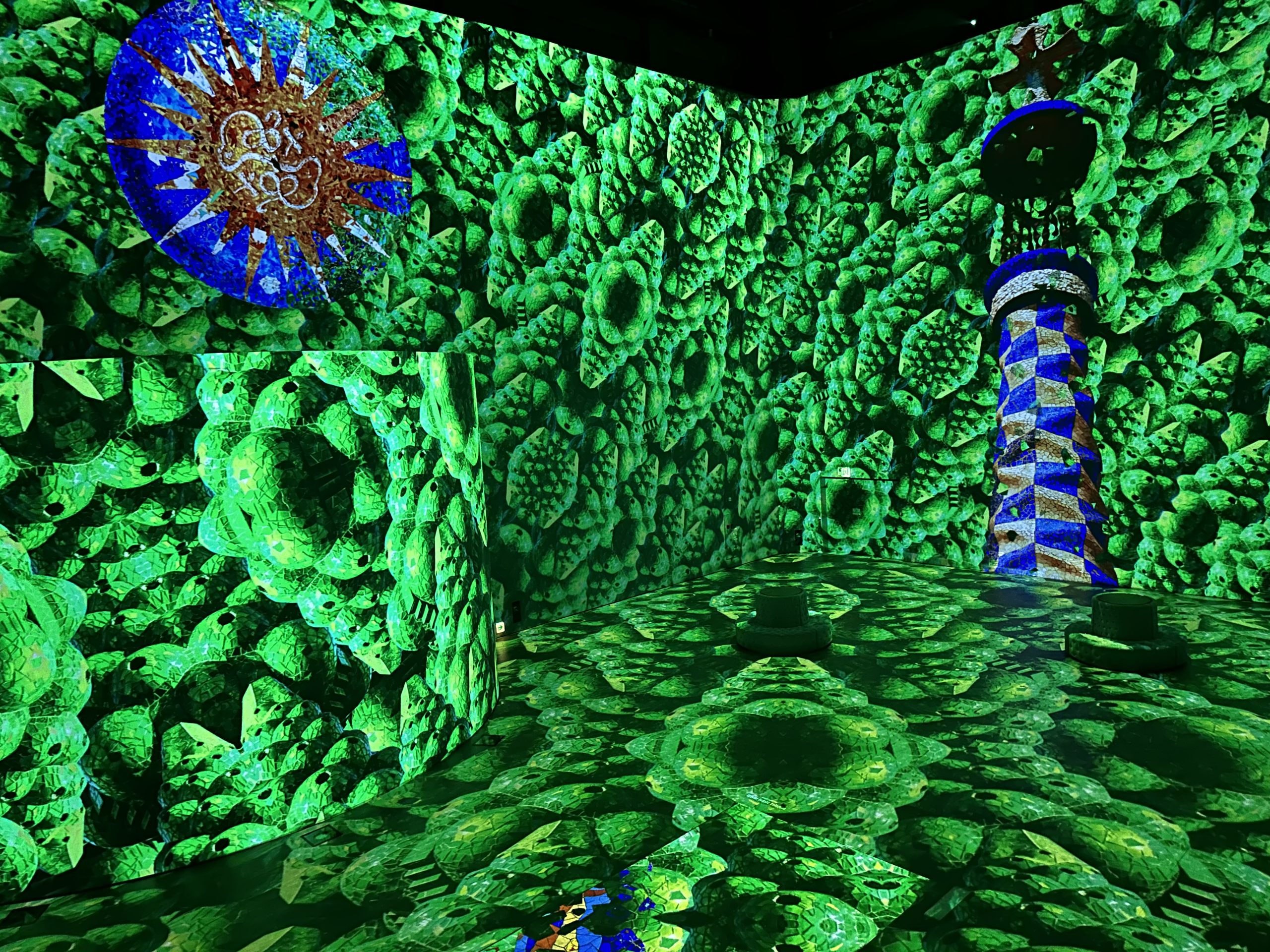
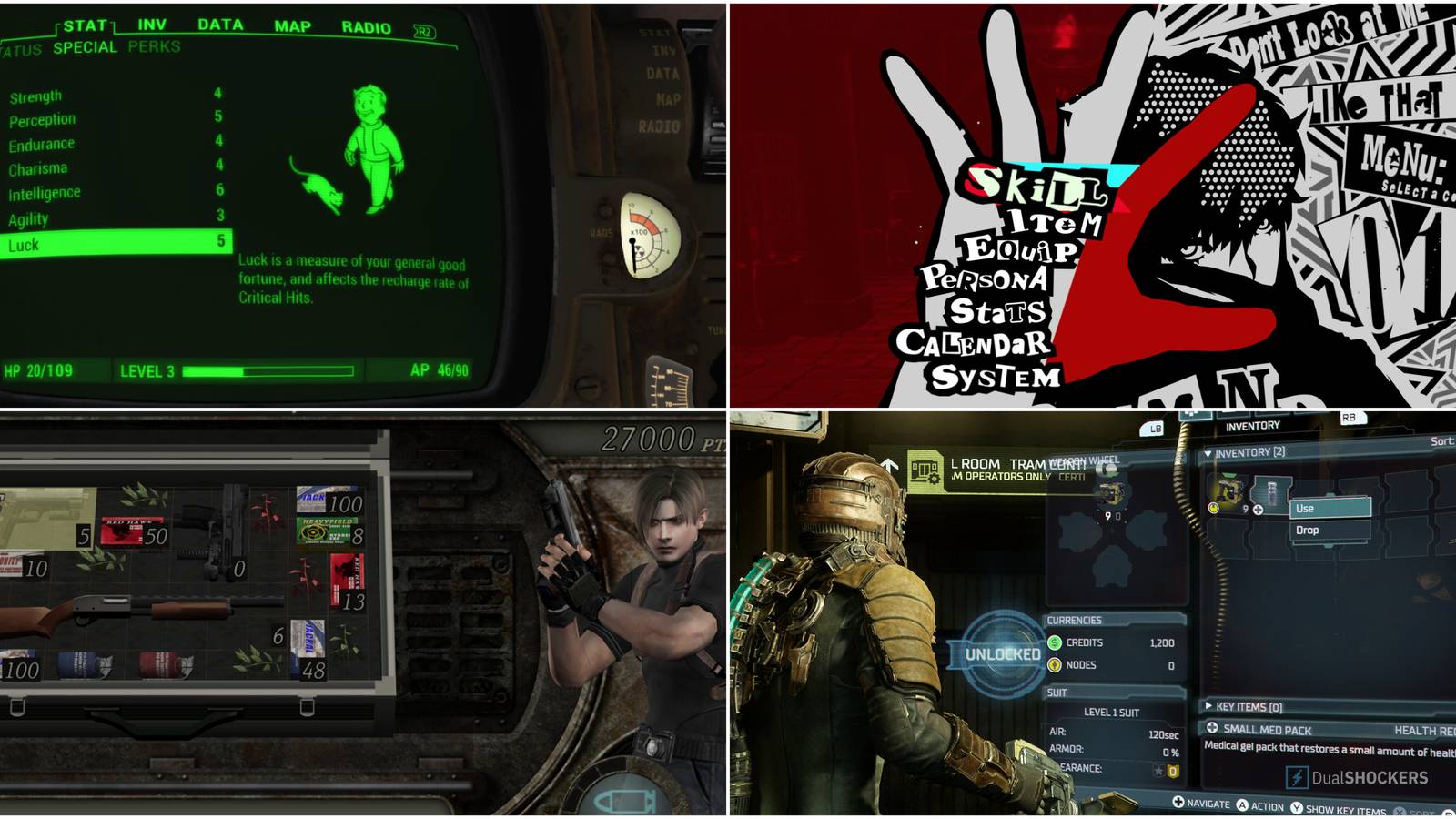
The boundaries between the digital realm and our physical reality are dissolving, giving rise to a new era of interactive art experiences. No longer satisfied with standing behind a velvet rope, modern audiences are demanding to become integral parts of the creative process. These immersive installations utilize cutting-edge technology to transform passive observers into active participants, turning every gallery visit or digital exhibition into a unique, personal journey. Whether through the fluidity of sandbox creative simulation or the reactive nature of light and sound, these works respond to human presence in real-time.
In this guide, we explore the core digital trends defining this rapidly evolving industry. From the rise of artificial intelligence to the integration of biometric feedback, we will break down how artists are utilizing sophisticated tools to create deeper connections. You will learn how these experiences are reshaping museum culture, the technical frameworks behind them, and what the future holds for this intersection of technology and human expression.
1. Exploring the Landscape of Modern Interactive Art Experiences

1.1 Defining Interactive Art and Audience Engagement
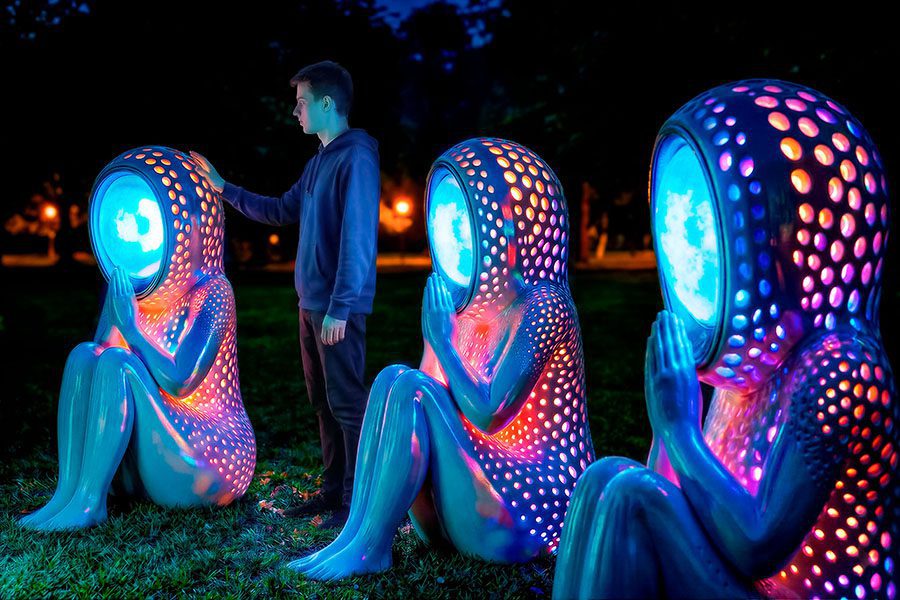
Interactive art experiences have fundamentally altered the relationship between a creative work and its audience. Unlike traditional static galleries where the viewer remains a passive observer, contemporary digital art demands movement, touch, or even voice to unlock its full potential. By removing the boundary between the object and the individual, artists create dynamic environments that evolve based on direct human input.
1.1.1 The Shift from Passive Observation to Active Participation
The transition toward participatory art marks a departure from museum-going as a quiet, detached activity. Today, visitors act as co-creators. Whether it is stepping onto a pressure-sensitive floor that triggers visual projections or using physics based object manipulation to reconfigure a 3D sculpture in real-time, the audience becomes the engine that drives the piece. This shift ensures that no two people experience the exact same installation.
1.1.2 The Role of Technology as a Bridge Between Creator and Viewer
Technology serves as the essential language for these interactions. Complex sensors, depth cameras, and software frameworks translate human gestures into artistic outcomes. By acting as a silent bridge, technology allows creators to communicate intricate narratives that react and adapt to the viewer’s physical presence, fostering a more intimate connection than a static canvas ever could.
1.1.3 Psychological Benefits of Immersive Creative Spaces
Beyond visual spectacle, these installations often serve as atmospheric relaxation games, helping visitors disconnect from daily stressors. These immersive spaces can reduce cognitive load, encourage mindfulness, and provide a sense of agency that is often lacking in digital-heavy environments. By engaging multiple senses, interactive art creates a meditative, flow-state experience for the participant.
1.2 The Five Defining Digital Trends Shaping the Industry
1.2.1 Augmented Reality and Spatial Narrative Building
Augmented Reality (AR) allows artists to overlay digital layers onto physical environments. This trends toward spatial storytelling, where the gallery space itself transforms into a living, breathing narrative that unfolds as the user explores the physical room.
1.2.2 Real-Time Generative AI and Human Co-Creation
Generative AI now allows for art that learns and creates on the fly. As visitors move through a space, AI algorithms interpret their data and generate unique visuals, making the act of creation a collaborative performance between the machine and the human.
1.2.3 Multi-Sensory Immersion via Haptic Technology
Visuals are no longer enough. Haptic technology introduces tactile feedback into digital art, allowing visitors to “feel” textures or vibrations associated with the work. This multisensory approach creates a stronger psychological anchor, making the memory of the art more vivid.
1.2.4 Decentralized Web3 Galleries and Virtual Accessibility
Web3 has enabled artists to curate digital-only galleries that are accessible from anywhere in the world. This democratization of the art market means high-quality, interactive experiences are no longer confined to major metropolitan museums but are available to a global digital audience.
1.2.5 Biometric Synchronization and Affective Computing
The next frontier involves systems that track heart rate or skin conductance. By syncing an installation to the visitor’s biological state, the art can literally change its color, tempo, or form to match the mood of the participant, creating a truly reflexive relationship.
1.3 Why Interactive Installations are Dominating the Art Market
1.3.1 Increased Dwell Time and Museum Attendance
Interactive works significantly boost dwell time compared to traditional exhibits. Visitors stay longer to explore every possible outcome of an installation, which drives up museum attendance and keeps cultural institutions relevant in a competitive attention economy.
1.3.2 The Impact of Shareable Moments on Digital Visibility
These experiences are inherently photogenic and shareable. Because short form experimental gameplay and interactive aesthetics translate perfectly to social media, these installations act as organic marketing tools, drawing in younger audiences who prioritize experiences they can document and share with their digital communities.
2. Implementing and Scaling Advanced Interactive Art Experiences
2.1 Strategic Frameworks for Creators and Curators
2.1.1 Balancing Visual Spectacle with Deeper Narrative Depth
While high-tech visuals often draw the initial crowd, the longevity of interactive art experiences depends on a compelling narrative. Creators must avoid the pitfall of prioritizing spectacle over substance. An effective installation uses technology to serve the story, ensuring that every user interaction feels intentional rather than performative. By embedding themes of humanity or environmental consciousness within the digital architecture, artists create lasting emotional resonance that keeps audiences engaged long after the novelty of the medium fades.
2.1.2 Navigating the Technology Stack: From Projection Mapping to Mobile AR
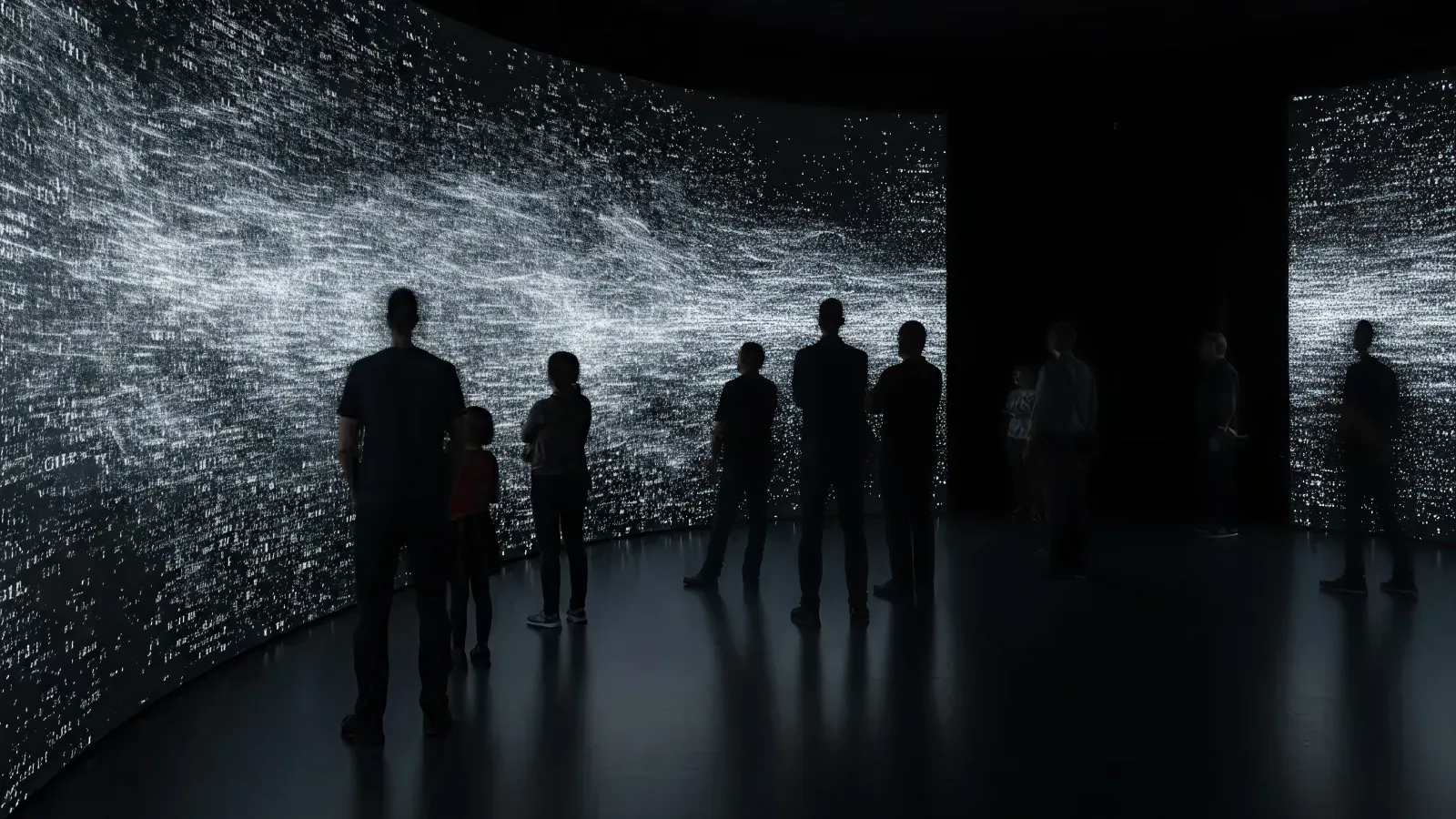
Choosing the right tech stack is essential for both performance and scalability. For indoor galleries, projection mapping remains a cornerstone, allowing for high-fidelity visuals that adapt to irregular surfaces. In contrast, mobile augmented reality (AR) offers a low-barrier, portable way for users to engage with art in public spaces. Developers should prioritize modular systems that allow for software updates, ensuring the installation remains fresh. For those interested in the mechanics of how these digital environments are crafted, exploring sandbox creative simulation tools can provide inspiration for building responsive, physics-driven art displays.
2.1.3 Prioritizing Inclusivity and Accessible Design Principles
Interactive art should be a universal experience. Scaling these projects requires a commitment to inclusive design, ensuring that individuals with physical or sensory disabilities can participate fully. This involves providing tactile alternatives to visual-heavy displays and considering the ergonomic requirements of visitors. By integrating accessibility from the ideation phase, curators ensure their work reaches a wider audience, moving beyond exclusionary tech gatekeeping to foster a truly communal creative environment.
2.1.4 Implementing Ethical Standards for Biometric and Participant Data
As art increasingly utilizes affective computing to respond to human presence, the collection of visitor data becomes a sensitive concern. Ethical implementation requires complete transparency. Participants should be fully informed of what data—such as motion tracking or biometrics—is being captured and how it is being used. Anonymizing data at the source and setting strict deletion protocols are necessary steps to maintain public trust and professional integrity in an increasingly data-driven art market.
2.2 The Future of Phygital Spaces and Technological Convergence
2.2.1 How 6G and Advanced Hardware Will Eliminate Latency
The next era of interactive installations will be defined by seamless connectivity. As 6G networks and advanced processing hardware become standard, the “lag” that often breaks the immersion of real-time digital art will be virtually eliminated. This leap in bandwidth will allow for complex, high-resolution generative art that responds instantly to movement, effectively merging the speed of digital processing with the spontaneity of human physical expression.
2.2.2 Bridging Physical Reality and Virtual Environments
The convergence of physical and digital environments, or “phygital” spaces, is creating a new category of art that exists between worlds. By utilizing advanced physics based object manipulation, creators can allow users to influence digital elements as if they had mass and weight. This tactile feedback loop creates a sensory bridge, where the user feels a physical connection to the virtual objects they are manipulating, deeply grounding them in the art installation.
2.2.3 Future Outlook: Will Interactive Trends Replace Traditional Galleries?
Rather than replacing traditional galleries, interactive trends are evolving them. We are seeing a hybrid model where static, contemplative pieces coexist with dynamic, interactive installations. This synergy ensures that art remains accessible to those seeking traditional quietude while offering high-engagement opportunities for those who crave active participation. The future of the art market lies in this balance, creating spaces that act as both sanctuary and playground.
2.3 Frequently Asked Questions
2.3.1 Distinguishing Between Traditional Digital Art and Interactive Experiences
Traditional digital art is typically a finished, static piece—a video loop or a digital image. In contrast, interactive art is generative and responsive; it requires the presence and agency of the viewer to complete the work, making every instance of the art unique based on user input.
2.3.2 Do Artists Require Formal Coding Skills to Enter the Field?
While coding knowledge is a significant asset, it is no longer the sole requirement. Many artists today utilize “node-based” visual programming environments, which allow for the creation of complex interactive systems without writing lines of syntax, democratizing the field for traditional creators.
2.3.3 Applications of Interactive Art in Retail and Corporate Environments
Interactive installations serve as powerful tools for brand engagement. In retail, they create memorable, shareable experiences that increase dwell time, while in corporate settings, they function as dynamic “living” architecture that can adapt to different moods or event themes to improve worker well-being.
2.3.4 Budget-Friendly Implementation Strategies for Small Galleries
Small galleries can enter the interactive space by focusing on light-weight technology. Using off-the-shelf motion sensors, basic projection equipment, and open-source game engines allows curators to develop highly effective, engaging installations without the massive overhead associated with custom high-end hardware.
The evolution of interactive art experiences represents a fundamental shift in how we relate to creativity. By moving beyond the static boundaries of traditional frames, these installations invite us to become active participants in the narrative. Whether through the lens of real-time generative AI, the precision of physics-based object manipulation, or the soothing presence of atmospheric relaxation environments, the digital frontier is proving that art is something we do, not just something we see. These five trends demonstrate that the future of the art market lies in accessibility, multisensory engagement, and the seamless convergence of the physical and virtual worlds.
As creators continue to experiment with these technologies, the barrier between audience and artist will only continue to dissolve. Whether you are an enthusiast looking to explore the next generation of immersive spaces or a curator seeking to scale your digital presence, the potential for connection is limitless. We encourage you to seek out these experiences firsthand—not just to observe the technology, but to feel the heartbeat of modern creative expression. The next great artistic movement is no longer waiting in a gallery; it is actively responding to your presence.