
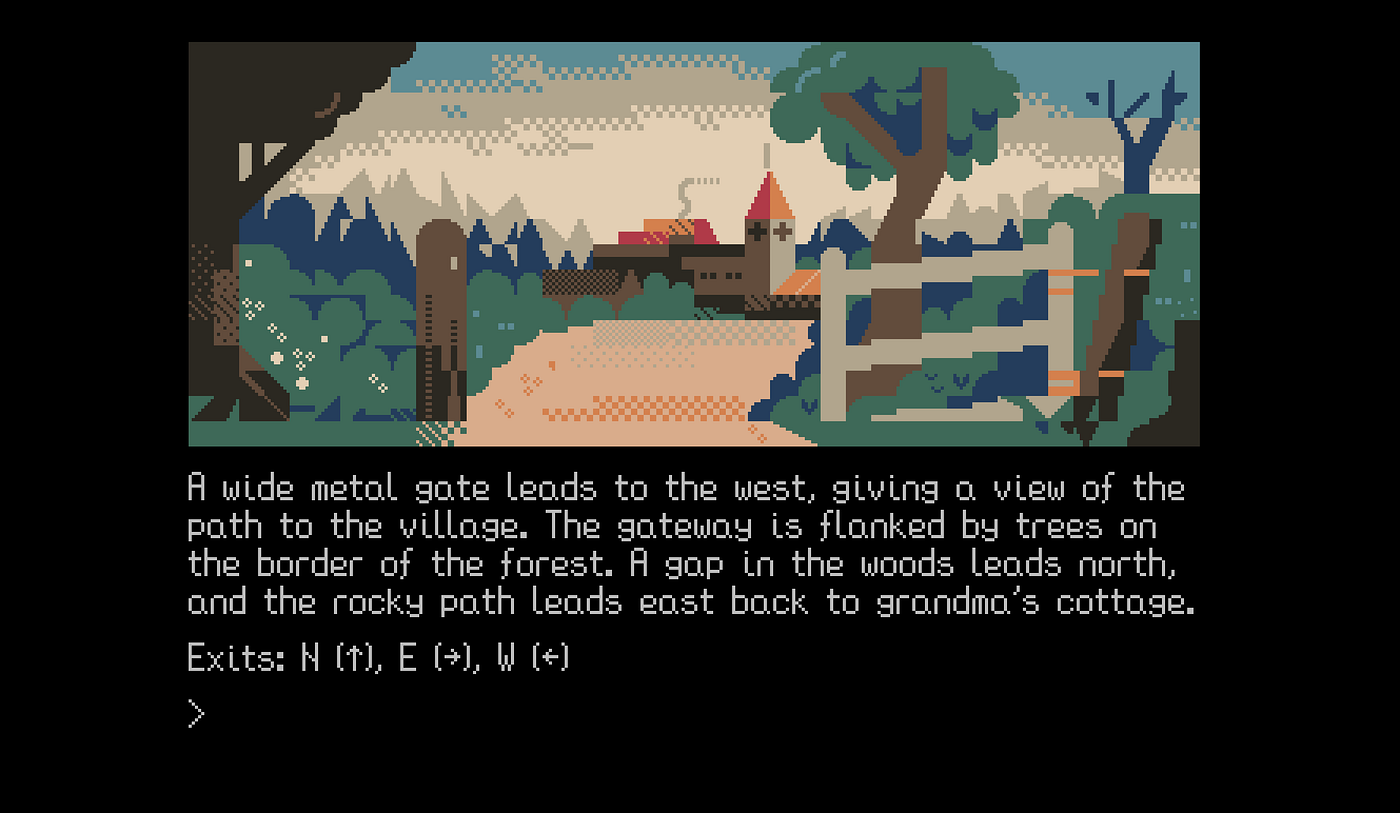
There is a unique, meditative satisfaction found in uncovering the secrets of a well-crafted digital world. Whether you are piecing together clues in a rain-slicked city or untangling arcane riddles in a realm of magic, point and click quests offer a cerebral escape that few other genres can match. These games prioritize atmosphere, curiosity, and deduction, inviting players to slow down, observe their surroundings, and engage with intricate stories at their own pace. As the modern evolution of classic text based adventure games, today’s titles blend nostalgic mechanics with stunning art styles and sophisticated narrative design.
In this guide, we will explore the essential titles that define the genre, from deep narrative driven mystery games to immersive fantasy world exploration quests. We will also break down the logic behind iconic point and click detective puzzles, offering tips to help you navigate tricky obstacles. If you are looking to sharpen your investigative skills or simply find your next great story-driven adventure, you are in the right place to curate your perfect gaming library.

1. Mastering the Mechanics and Appeal of Point and Click Quests

1.1 Defining the Core Pillars of Interactive Adventure
At their heart, point and click quests are digital extensions of classic storytelling, where the player acts as both the reader and the protagonist. Unlike fast-paced action titles, this genre prioritizes intellectual engagement and deliberate pacing, demanding that you observe, analyze, and interact with your surroundings to progress. Whether you are navigating a gritty crime scene or an enchanted forest, the fundamental design remains the same: you move through a series of static or semi-animated screens, gathering clues and interacting with characters to overcome obstacles.
1.1.1 Inventory Management and Item Combination Logic
Inventory management is the backbone of traditional puzzle design. You aren’t just collecting random objects; you are building a toolset. The “combine” mechanic forces you to think laterally, testing whether an item found in one location can bridge a gap in another. This logic-based progression rewards players who experiment with unconventional solutions, turning simple objects like a rubber chicken or a rusted key into essential keys to the narrative.
1.1.2 Dialogue Trees and Branching Narrative Consequences
Modern titles have shifted focus from simple object manipulation to complex social interactions. Through dialogue trees, you negotiate with non-player characters to uncover secrets, obtain favors, or learn about the world’s history. These choices often have ripple effects, potentially closing off certain paths or leading to different conclusions. By selecting the right tone—whether charming, intimidating, or inquisitive—you exert direct influence over how the story unfolds.
1.1.3 Environmental Exploration and Pixel Hunting Techniques
Exploration is the gateway to immersion. Every background is filled with potential points of interest, from subtle environmental cues to hidden objects tucked away in corners. Veteran players often engage in “pixel hunting,” a meticulous process of scanning the screen for interactive hotspots. While this can be daunting, it fosters a deep connection with the game world, encouraging you to notice details that others might miss.
1.2 The Narrative Significance of Mystery and Fantasy Settings
Setting is not just window dressing in this genre; it is a mechanical framework. Mystery and fantasy environments provide the strongest foundations for puzzle-driven gameplay because they naturally incentivize curiosity and reward investigation.
1.2.1 Why Mystery Games Thrive on Deductive Reasoning
Mystery titles excel by placing the burden of proof on the player. You are expected to piece together fragmented evidence into a cohesive theory. Because these games rarely hold your hand, they tap into the natural human desire to solve puzzles. Much like the best mystery adventure games, these experiences transform the screen into a digital evidence board, where deductive reasoning is the only way to crack the case.
1.2.2 Harnessing Fantasy Worlds for Creative Puzzle Design
Fantasy settings liberate developers from the constraints of reality. In these worlds, a locked door doesn’t just require a key; it might require a potion, a spell, or a magical artifact that alters the environment itself. By leveraging the rules of a fantasy world, designers create surreal challenges that force players to abandon traditional logic in favor of creative, imaginative thinking.
1.3 Modernizing the Genre for Today’s Gamer
The genre has undergone a significant transformation to remain relevant, shedding some of its more frustrating legacy mechanics in favor of accessibility and polish.
1.3.1 Quality of Life Improvements and Built-in Hint Systems
Modern adventure games often include built-in hint systems, ensuring that players don’t get stuck for hours on a single obscure solution. These systems serve as a safety net, allowing you to enjoy the narrative flow without the demoralizing need to constantly refer to an external walkthrough.
1.3.2 The Shift Toward Story-Driven Gameplay and Accessible UI
There has been a conscious movement toward minimalist interfaces. By streamlining menus and simplifying how items are selected, developers ensure the focus remains on the plot rather than wrestling with clunky controls. This has opened the door for players who prioritize deep, character-driven storytelling over mechanical friction.
1.3.3 The Renaissance of Hand-Painted Art and FMV Aesthetics
Visual expression has reached new heights. Many contemporary developers are returning to the charm of hand-painted backgrounds, which offer a timeless, artistic quality that 3D models sometimes lack. Simultaneously, the revival of Full Motion Video (FMV) has created a unique hybrid experience, blending cinematic live-action performances with interactive puzzle mechanics to create a truly distinct atmospheric experience.
2. Curating Your Library of Essential Point and Click Quests

2.1 Top Tier Mystery Titles for Investigative Minds
2.1.1 Classic Noir Investigations and Forensic Logic Games
The allure of a gritty detective story is a staple of the genre. These titles lean heavily into the trope of the hard-boiled investigator, tasking players with piecing together complex crime scenes. Unlike more action-oriented titles, these games prioritize slow-burn deduction, requiring you to cross-reference witness statements with physical evidence. Look for games that emphasize forensic logic, where every scrap of paper or bloodstain serves a mechanical purpose in your broader investigation.
2.1.2 Supernatural and Occult Thrillers for Atmospheric Tension
For those who prefer their mysteries with a side of the macabre, supernatural thrillers offer some of the most immersive environments in gaming. These titles often utilize high-contrast lighting and unsettling soundscapes to build tension. The gameplay frequently moves away from traditional inventory-based logic, instead focusing on psychological puzzles that challenge your perception of the game world. If you enjoy unraveling lore-heavy narratives while feeling a constant sense of unease, this sub-genre is your best starting point.
2.1.3 Navigating Non-Linear Investigations Without a Walkthrough
Modern narrative driven mystery games are moving away from restrictive, linear paths. Today, many top-tier titles allow players to tackle objectives in any order, which can be daunting for beginners. The trick is to keep a physical or digital notebook to track clues. By internalizing the information rather than relying on a wiki, you preserve the intended challenge of the design. Focus on observing character behavior during dialogue sequences, as this is often where the most critical hints are hidden.
2.2 Essential Fantasy Quests for Enchanted Exploration
2.2.1 High Fantasy Worlds and Mythical Lore Challenges
Fantasy world exploration quests are defined by their sense of scale and wonder. These games often transport players to lands filled with magic, ancient ruins, and complex histories. The puzzles in these titles are rarely about realistic logic; instead, they function on the rules of the world’s internal mythology. Mastering these quests requires deep engagement with the provided lore, as the solution to a locked gate might be buried in a book you read hours prior.
2.2.2 Surreal and Dark Fantasy Experiences
If you are looking for something visually distinct, surreal fantasy titles prioritize dreamlike aesthetics over traditional realism. These games often play with perspective and scale, creating environments that feel truly alien. The challenge lies in adapting your logic to a world that does not follow the laws of physics. It is an exercise in creative lateral thinking that rewards those who are willing to experiment with every interactive object on screen.
2.2.3 Utilizing Magical Items for Unique Puzzle Solutions
In many classic fantasy adventures, your inventory is your primary tool. Unlike reality-based games where you might use a key to open a door, these quests ask you to use a dragon’s scale to bridge a gap or a potion to change your physical size. This reliance on magical items creates a unique loop of experimentation. When you find a strange item, always consider how its “magical properties” might interact with the environment rather than just looking for a standard lock-and-key solution.
2.3 Finding Your Perfect Adventure Match
2.3.1 Recommendations for Deep Lore and Slow-Burn Storytelling
If you prefer to get lost in a world, look for titles that prioritize dialogue and environmental storytelling. These games are less about “winning” and more about the experience of uncovering a tragedy or a historic mystery. They are perfect for players who want to take their time and soak in the atmosphere. You might also enjoy exploring some best mystery adventure games that focus specifically on this type of narrative depth.
2.3.2 Games Designed for Challenging Logic Puzzles
For those who feel that the “point and click” genre should be a test of intellect, look for “hardcore” adventure games. These titles often remove hint systems entirely and feature complex puzzles that require multiple steps to solve. They are designed for the patient player who finds genuine satisfaction in that “eureka” moment when a difficult sequence finally clicks.
2.3.3 Humor-Focused Titles with Quirky Character Writing
Not all adventures are somber. Some of the genre’s best entries are known for their sharp, witty writing and cartoonish art styles. These games excel at self-referential humor and satirical commentary on common tropes. If you enjoy games that don’t take themselves too seriously, look for titles featuring a sarcastic protagonist or an absurd, non-sequitur plot.
2.3.4 Atmospheric Experiences for Walking Simulator Enthusiasts
The line between modern point and click adventures and walking simulators has blurred significantly. If you appreciate the exploration aspect of the genre but dislike complex inventory management, look for “lite” adventure games. These prioritize narrative flow and visual beauty, ensuring that you are never stuck on a single puzzle for long, allowing you to focus on the story.
2.4 Frequently Asked Questions for New Players
2.4.1 Entry-Level Titles for Beginners
If you are new to the genre, avoid “pixel hunting” heavy games. Start with titles that offer clear interactive indicators and built-in objective trackers. These “modern” adventures provide a welcoming bridge into the classic style by lowering the barrier to entry without sacrificing the satisfaction of a solved riddle.
2.4.2 Playing Without a Mouse on Consoles and Mobile
Many modern point and click quests are optimized for controllers and touchscreens. These ports usually introduce a “direct control” scheme where you move your character with a stick rather than clicking to walk. While this feels different, it often adds a new layer of immersion by making you feel more connected to the movement of the protagonist.
2.4.3 Strategies for Overcoming Frustration and Puzzle Deadlocks
If you find yourself stuck, take a break. The best puzzles in the genre often require a fresh perspective. When you return, try interacting with everything you haven’t clicked on yet, or revisit your inventory to see if two items can be combined. Remember, in most of these games, the solution is always logically sound; if you’re stuck, you likely just need to look at the problem from a different angle.
Whether you are stepping into the shoes of a classic detective or embarking on a surreal journey through a magical realm, point and click quests offer a unique brand of mental engagement that few other genres can match. By blending intricate narrative-driven mystery games with the limitless wonder of fantasy world exploration, these titles challenge us to observe, deduce, and interact with our environment in truly meaningful ways. While the genre has evolved from its roots in traditional text based adventure games, the core spirit remains the same: a rewarding sense of discovery triggered by your own curiosity and logic.
As you curate your personal library, remember that the best experiences are often those that match your current mood—be it a desire for a slow-burn thriller or a lighthearted, humorous puzzle collection. If you find yourself needing a break from the analytical grind of point and click detective puzzles, you might enjoy exploring other ways to challenge your mind, such as browsing our list of best physics puzzle games. Ultimately, the beauty of this genre lies in the patience and perspective it rewards. So, grab your virtual magnifying glass or your spellbook, click with purpose, and lose yourself in these masterfully crafted interactive stories.


Pingback: Best Text Based Adventure Games: Narrative & Mystery Quests - GameTurn
Pingback: Fantasy World Exploration Quests: Your Ultimate Guide - GameTurn
Pingback: Historical Exploration Journeys: Top Adventure Games to Play - GameTurn