Transforming a factory-spec vehicle into a personalized machine is an exhilarating journey, but it requires more than just a passion for speed or aesthetics. Whether you are aiming to refine your car’s handling for track days or preparing a rugged rig for off-road rally exploration, the success of your build relies heavily on the expertise behind the wrench. Professional vehicle modification workshops act as the bridge between your vision and a reliable, high-performing reality. Navigating the world of aftermarket parts and custom tuning can be overwhelming, which is why choosing the right partner is paramount.
In this guide, we will walk you through the essential steps for vetting technical specialists, understanding the critical phases of a build, and ensuring your modifications remain safe and compliant. From evaluating a shop’s diagnostic capabilities to mastering the long-term maintenance required for custom setups, you will learn how to approach your project with the precision of a professional. If you are interested in the fine art of customization, you can also explore our insights on custom equipment forging to see how precision design translates across different fields. Let us dive into the mechanics of building your dream vehicle.
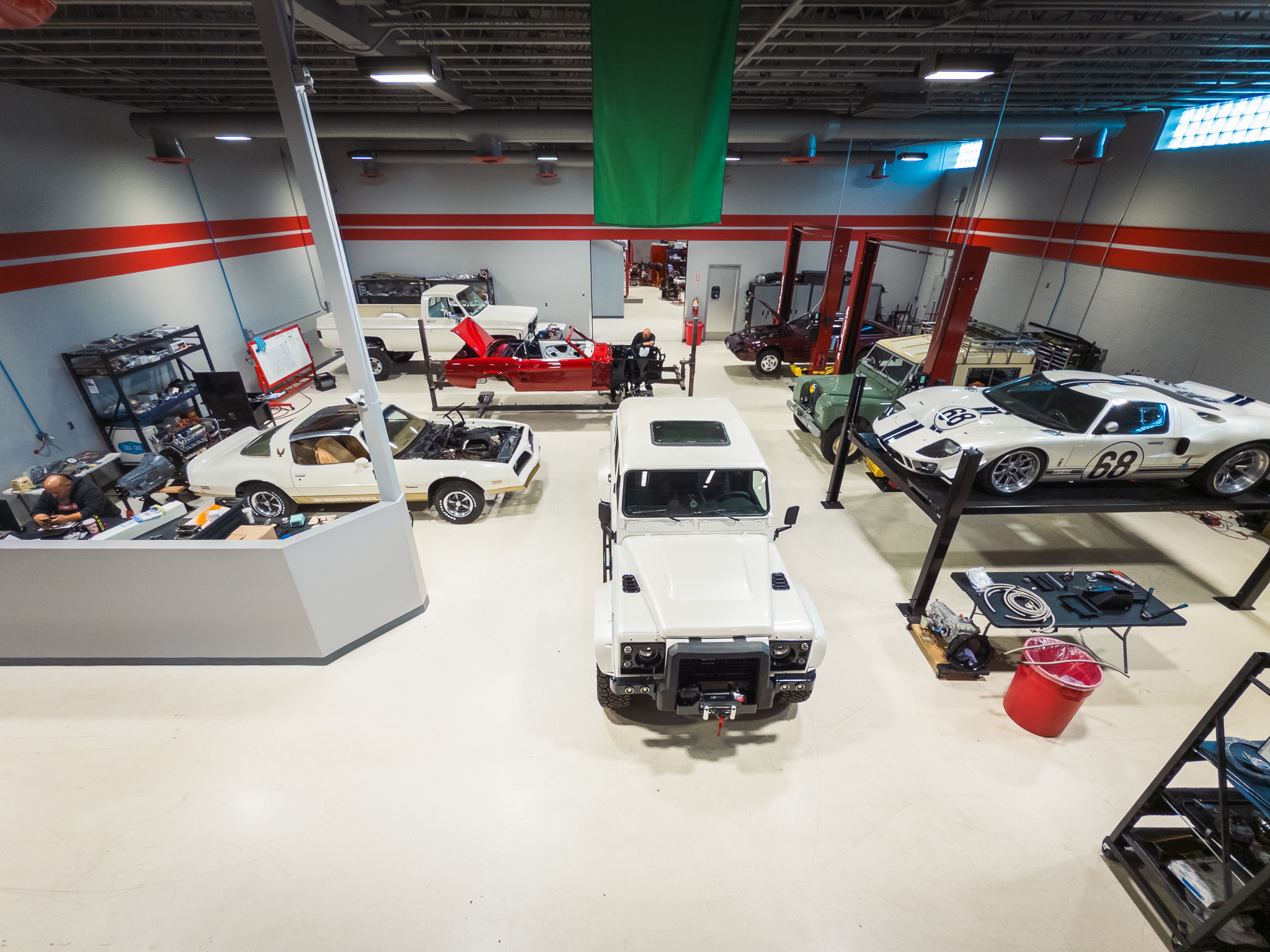
1. Selecting Professional Vehicle Modification Workshops and Technical Specialists
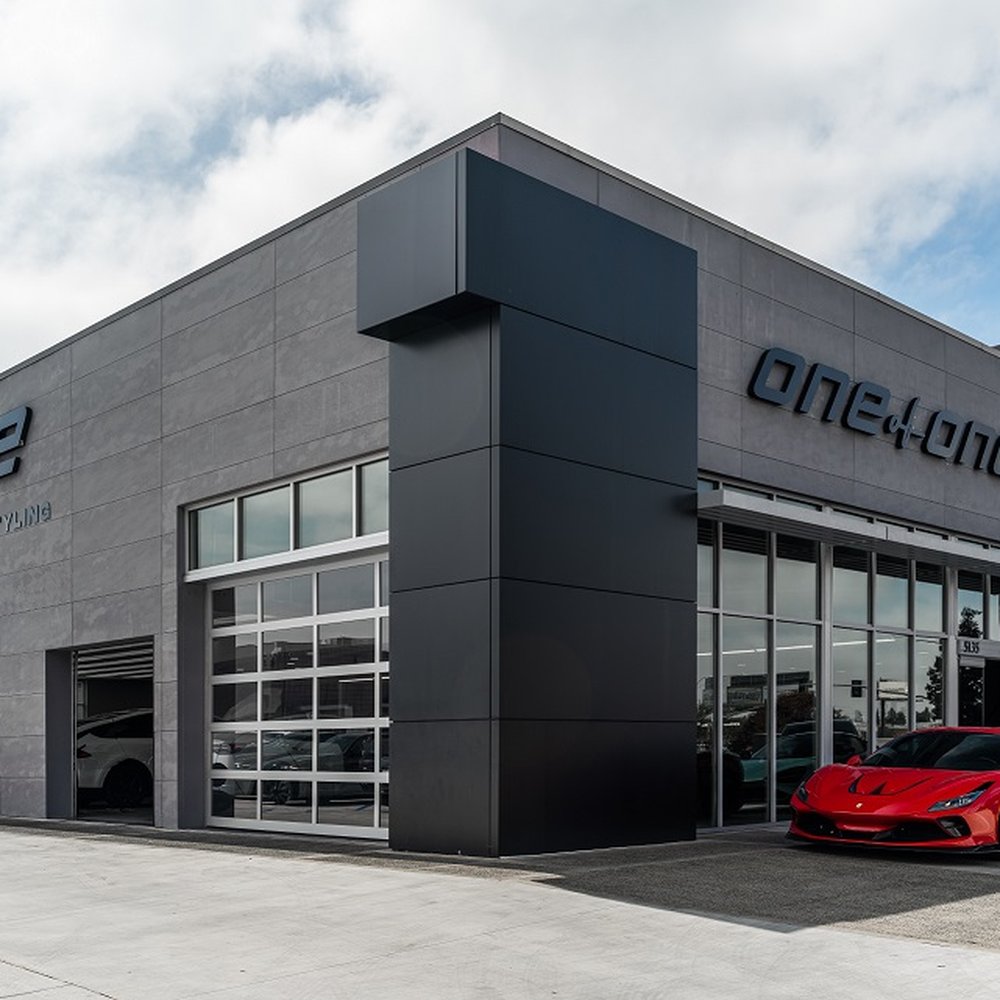
Choosing the right partner for your automotive project is the most critical decision in the build process. High-quality vehicle modification workshops do more than just install parts; they act as engineering consultants for your specific goals. Whether you are aiming for refined handling or maximizing output, the expertise of the shop foreman often dictates the success and reliability of the final result.
1.1 Assessing Shop Capabilities and Expert Credentials
1.1.1 Evaluating mechanical certifications and specialized technician experience
Look for shops that employ technicians with ASE (Automotive Service Excellence) certifications or manufacturer-specific training. For performance-oriented tasks, verify if the staff has experience with aftermarket engine management systems or specialized suspension geometries. A shop that understands the physics based vehicle handling requirements for your specific platform will be better equipped to suggest upgrades that actually improve the driving experience rather than just changing the vehicle’s look.
1.1.2 Reviewing past portfolio projects and client testimonials for build quality
Past work is the best indicator of a shop’s attention to detail. Request to see photos of wiring jobs, welds, or engine bay cleanups. Consistent, high-quality documentation in their portfolio often correlates with how they will treat your vehicle. Read testimonials specifically regarding how the shop handled post-modification issues; reputable builders stand by their work long after the car leaves the lift.
1.1.3 Inspecting workshop cleanliness and advanced diagnostic equipment availability
A tidy, organized workshop is usually a reflection of a disciplined mechanical process. When touring a facility, look for specialized diagnostic tools such as hub dynos or corner-weight scales. If you are pursuing heavy performance modifications, the shop should be able to conduct thorough vehicle speed tests and data logging to ensure that every new component is performing within safe operating parameters.
1.2 The Communication and Vetting Process
1.2.1 Establishing clear expectations for build timelines and project milestones
Modification projects are prone to delays due to parts availability or unforeseen mechanical hurdles. A professional shop will provide a project roadmap with clear milestones. If a shop cannot give you a realistic estimate on lead times, it may signal a lack of project management experience. Clear, written agreements regarding the scope of work are essential to avoid project creep.
1.2.2 Verifying part sourcing protocols and genuine component authenticity
Counterfeit automotive parts are a significant concern in the performance industry. Ask your shop about their supply chain. Reliable workshops source components directly from authorized distributors. You can often learn more about their quality standards by reviewing their approach to custom equipment forging or sourcing, ensuring you get authentic, reliable hardware rather than cheap replicas that could fail under stress.
1.2.3 Clarifying labor warranties and post-installation support policies
Always ask what happens if a part fails or if a tune requires adjustment after the initial install. A trustworthy shop will provide a clear labor warranty. Ensure you understand the distinction between the manufacturer’s warranty on the part itself and the shop’s guarantee on their installation work.
1.3 Red Flags and Professional Standards
1.3.1 Identifying poor communication habits and lack of transparent documentation
If a workshop is slow to answer technical questions or vague about how they plan to integrate complex systems, treat it as a warning sign. Professional builders should be able to explain the “why” behind every modification. Lack of written quotes or receipts for work performed is a major red flag that indicates an unprofessional operation.
1.3.2 Recognizing warning signs related to opaque pricing and hidden fees
Performance modification costs can spiral quickly. If a shop avoids discussing labor hours or suddenly adds “shop supplies” or “research fees” without prior discussion, be wary. Transparency regarding pricing structure is a benchmark of a reputable business.
1.3.3 Evaluating the shop’s commitment to safety standards versus purely cosmetic outcomes
The best workshops prioritize the vehicle’s structural integrity over aesthetic trends. Ask the technician how a planned mod affects the vehicle’s center of gravity or braking bias. If the shop is eager to sell you flashy, unproven aesthetic parts but cannot explain the safety implications of your suspension setup, you should look for a different, more engineering-focused partner.
2. Navigating the Lifecycle of High-Performance Vehicle Modifications
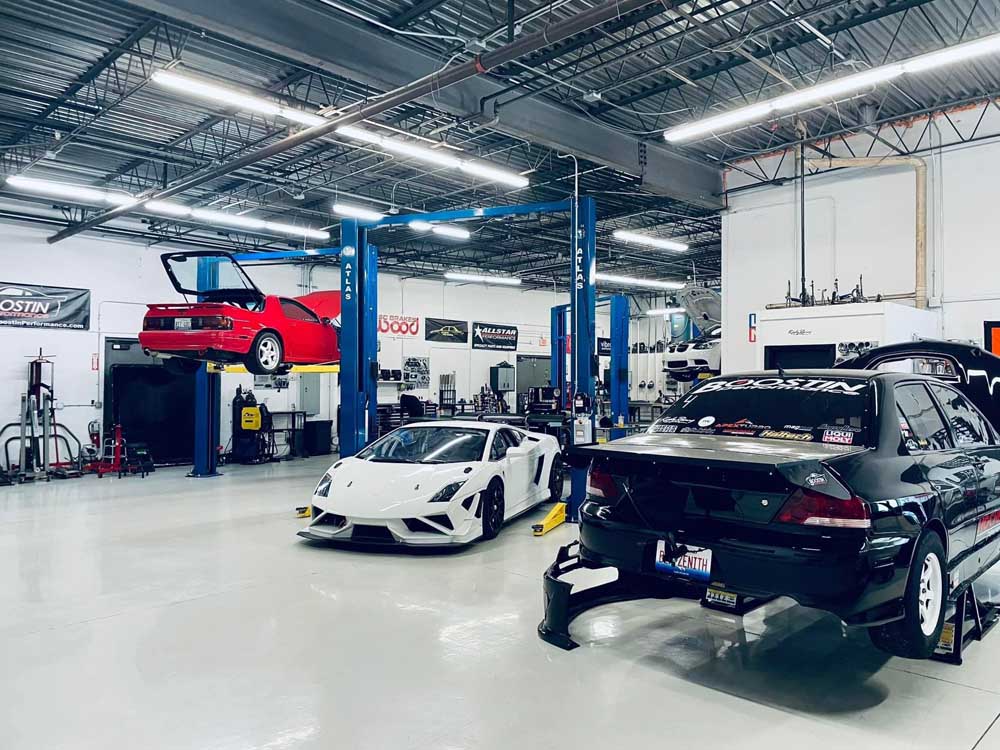
2.1 Strategic Planning and Progressive Modification Tiers
Approaching your vehicle modification journey requires a disciplined, step-by-step strategy. Many enthusiasts make the mistake of jumping straight into power adders without first ensuring the vehicle is capable of managing that output. A professional vehicle modification workshop will typically recommend a tiered approach, prioritizing stability before speed.
2.1.1 Prioritizing foundational safety upgrades like braking and chassis reinforcement
Before increasing engine output, you must ensure your car can stop and handle effectively. This means upgrading your brake system with performance pads, braided lines, and high-temperature fluid. Simultaneously, reinforcing the chassis with strut tower braces or sway bars improves the rigidity of the platform, which is essential for consistent physics based vehicle handling during aggressive cornering or high-speed maneuvers.
2.1.2 Balancing performance gains with drivetrain reliability and engine longevity
Once the car is safe, you can look toward power. However, adding significant horsepower stresses the entire drivetrain. You must evaluate whether your transmission, clutch, and cooling systems can handle the increased torque. Reliability should always dictate the ceiling of your modifications; pushing an engine beyond its thermal management limits is a recipe for costly mechanical failure.
2.1.3 Executing aesthetic and interior enhancements after mechanical stability is confirmed
Cosmetic changes, such as lightweight body kits or interior upgrades, should ideally be the final stage of your build. By focusing on mechanical stability first, you ensure that your budget is allocated toward performance foundations rather than superficial tweaks that might need to be removed during a major engine overhaul.
2.2 Legal, Insurance, and Compliance Requirements
Modified vehicles often exist in a gray area regarding local laws and factory support. Being proactive about compliance prevents significant headaches down the road.
2.2.1 Understanding state-specific emissions regulations and federal safety mandates
Always verify that your selected modifications, such as exhaust systems or catalytic converter replacements, comply with state emissions standards. Non-compliant parts can prevent you from passing mandatory inspections and may result in heavy fines.
2.2.2 Navigating the impact of aftermarket parts on factory warranty coverage
Be aware that installing aftermarket components may void specific portions of your manufacturer’s warranty. While federal laws often protect you unless the manufacturer can prove the aftermarket part caused a failure, the burden of proof can be complex. Always keep detailed records of parts installed, as you might find useful tips in guides like Custom Equipment Forging: Attributes, Design, and Tips when researching component compatibility.
2.2.3 Communicating build details with insurance providers to ensure total loss protection
Standard insurance policies often do not cover the full replacement cost of custom parts. If you invest heavily in your build, inform your insurance provider. You may need an “agreed value” policy to ensure that, in the event of an accident, your modifications are accounted for in the settlement.
2.3 Long-Term Maintenance for Customized Vehicles
A modified vehicle is not a set-it-and-forget-it machine. Increased performance requires a more vigilant approach to vehicle health.
2.3.1 Developing an accelerated service interval schedule for modified components
Components under higher stress will inevitably wear out faster than stock parts. You should adopt an accelerated service schedule, changing engine oil, transmission fluid, and brake fluid more frequently to prevent heat degradation and premature wear.
2.3.2 Monitoring increased wear on transmission, cooling, and suspension systems
Keep a close eye on your cooling system—high-performance engines generate more heat, which can strain radiators and hoses. Similarly, heavy-duty suspension setups often require regular inspections of bushings and joints, as these parts can develop play over time, affecting your precision on the road.
2.3.3 Maintaining a consistent relationship with a dedicated tuner or shop foreman
Finally, keep a direct line of communication with the specialists who performed the work. Routine vehicle speed tests or dyno check-ins conducted by your workshop are invaluable for identifying potential issues before they cause a catastrophic failure. Maintaining this relationship ensures that your tuner understands the car’s history and can make informed adjustments as your needs evolve.
Transforming your vehicle is a journey that balances personal expression with mechanical precision. Whether you are aiming for refined physics based vehicle handling on the track or preparing your rig for rugged off-road rally exploration, the secret to a successful build lies in the quality of your partnerships. By prioritizing expert-led vehicle modification workshops, you ensure that your performance upgrades are not just aesthetic additions, but integrated enhancements that respect the engineering integrity of your car. Remember that the most impressive builds are those that undergo rigorous validation, including verified vehicle speed tests to ensure that every horsepower gain remains predictable and safe under real-world conditions.
As you move forward, keep in mind that customization is a long-term commitment requiring consistent maintenance, legal compliance, and strategic planning. Staying connected with your chosen shop foreman allows you to monitor the health of your modified components as you push your limits. If you are looking for further inspiration on creating a unique look or developing a signature style for your personal projects, you might enjoy exploring our guide on creative aesthetic workshops to help refine your vision. Ultimately, a well-executed modification project turns a standard machine into a reflection of your own driving philosophy, provided you never cut corners on the essentials of safety and professional craftsmanship.