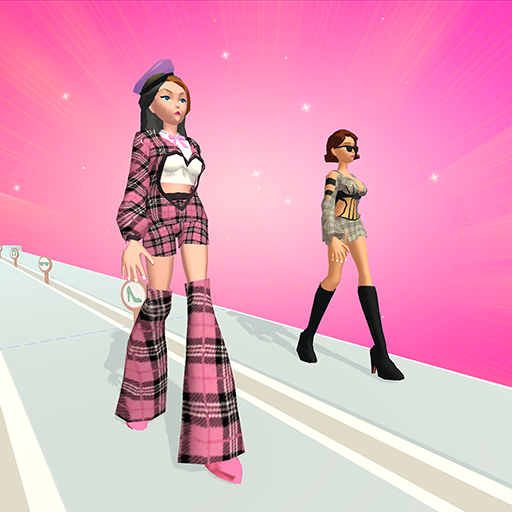
For fashion enthusiasts and digital creators alike, accessory coordination games have evolved from simple dress-up activities into sophisticated platforms for mastering the nuances of style. Whether you are navigating competitive outfit challenge competitions or experimenting with character lookbook creators, understanding how to balance jewelry, handbags, and headwear is the key to achieving a high-scoring, cohesive look. These games provide a risk-free environment to experiment with bold choices that you might shy away from in your real-life wardrobe, allowing you to develop a sharper eye for proportion and visual harmony.
In this guide, we dive into the expert-level strategies needed to elevate your virtual styling game. You will learn how to master the rule of three, select the perfect anchor pieces, and utilize color theory to harmonize your accessories with any garment. If you are ready to refine your aesthetic, check out our guide on outfit planning and dressing up to help you create your own unique avatar style. From layering techniques to advanced tech-driven styling tools, we have everything you need to become a pro at accessorizing.
1. Foundational Strategies for Accessory Coordination Games
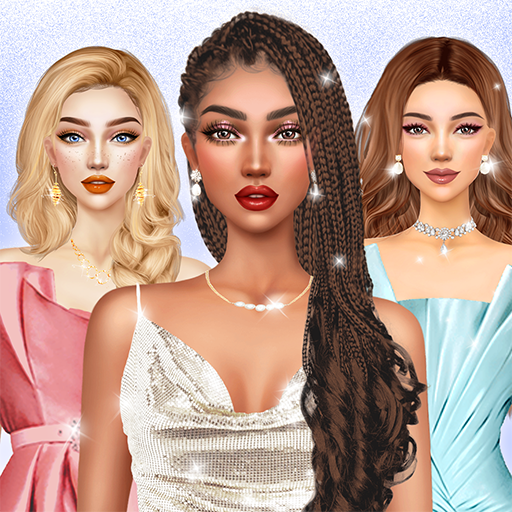
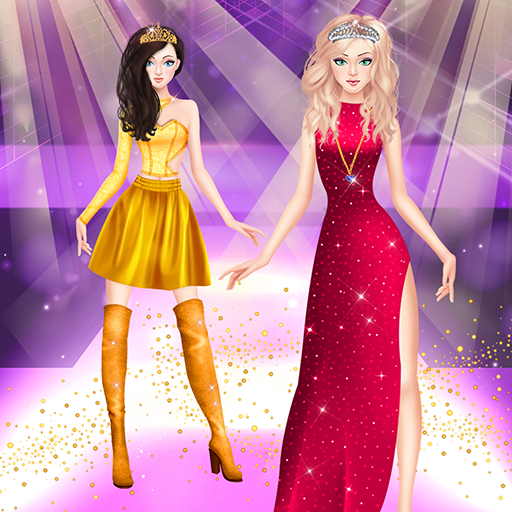
Mastering accessory coordination games requires a blend of artistic vision and an understanding of visual hierarchy. These digital environments challenge you to move beyond simple dress-up tasks by forcing you to consider the subtle interplay between texture, proportion, and color. Whether you are aiming to top the leaderboard in outfit planning dress-up challenges or simply looking to refine your digital avatar’s aesthetic, these foundational strategies serve as your toolkit for success.
1.1 The Architecture of a Cohesive Look
1.1.1 Mastering the Rule of Three for Visual Balance
The Rule of Three is a classic design principle that translates perfectly to styling fashion games. When selecting accessories, aim to group items in odd numbers to create a more natural and visually appealing composition. For example, a single bracelet can look lonely, and two may feel overly symmetrical, but a set of three—perhaps a watch combined with two different textures of bangles—creates an immediate sense of intention. This strategy draws the eye along the silhouette, preventing the look from feeling disjointed.
1.1.2 Adapting Accessory Scale to Your Body Type and Garment Weight
Proportion is the silent coordinator of every great outfit. In these games, you must consider the weight of the fabric alongside the scale of the jewelry or bags. A heavy, chunky statement necklace can easily overpower a delicate silk blouse, while dainty, thin chains might disappear against a heavy winter wool coat. Always balance your heavy items with substantial clothing, and let your lighter accessories complement ethereal or minimalist garments to maintain a grounded, professional appearance.
1.2 Developing Your Personal Style Through Accessory Coordination Games
1.2.1 Selecting an Anchor Piece to Define Your Aesthetic
Every successful look needs a starting point. Whether it is a bold pair of architectural earrings, a designer handbag, or a signature belt, choosing one anchor piece simplifies the rest of your creative process. By establishing this focal point first, you create a theme that dictates the color palette and formality of your secondary items. This approach helps eliminate indecision, ensuring your final look feels curated rather than accidental.
1.2.2 Using Color Theory to Harmonize Metals, Leathers, and Textiles
True style mastery involves understanding how different finishes interact. While mixing metals—like gold and silver—is a modern trend, ensure they are connected by a secondary element, such as a leather strap or a common gemstone color. Use the color wheel to identify complementary or analogous schemes; if your garment is a cool blue, consider silver-toned accessories to enhance the tone, or incorporate a warm leather tan to create a sophisticated contrast that adds depth to your digital lookbook.
1.3 Essential Techniques for Layering and Stacking
1.3.1 Creating Neckline Harmony with Strategic Necklace Lengths
Neckline harmony is the art of matching your jewelry to the cut of your clothing. A high-neck top provides a perfect canvas for a long, pendant-style necklace, while a plunging neckline calls for a choker or a shorter, delicate piece to draw attention upward. When layering necklaces, aim for varied lengths that do not overlap in a way that causes tangling or visual clutter. This ensures that every piece of jewelry gets its own spotlight.
1.3.2 Curation Tips for the Perfect Wrist Stack and Earring Selection
The secret to a balanced wrist stack lies in varying the thickness and material of each item. Combine a rigid metal cuff with softer leather or beaded bracelets to introduce tactile variety. Similarly, when selecting earrings, consider the hairstyle and makeup styling options available in the game. If you have opted for a complex, elaborate updo, go for smaller, intricate earrings that won’t compete with your hair, whereas simple, sleek hair styles provide the perfect backdrop for large, dramatic statement earrings that serve as the outfit’s exclamation point.
2. Advanced Accessory Coordination Games for Modern Stylists
2.1 Navigating Contemporary Trends and Technology
2.1.1 Leveraging Virtual Try-On Tools for Precision Styling
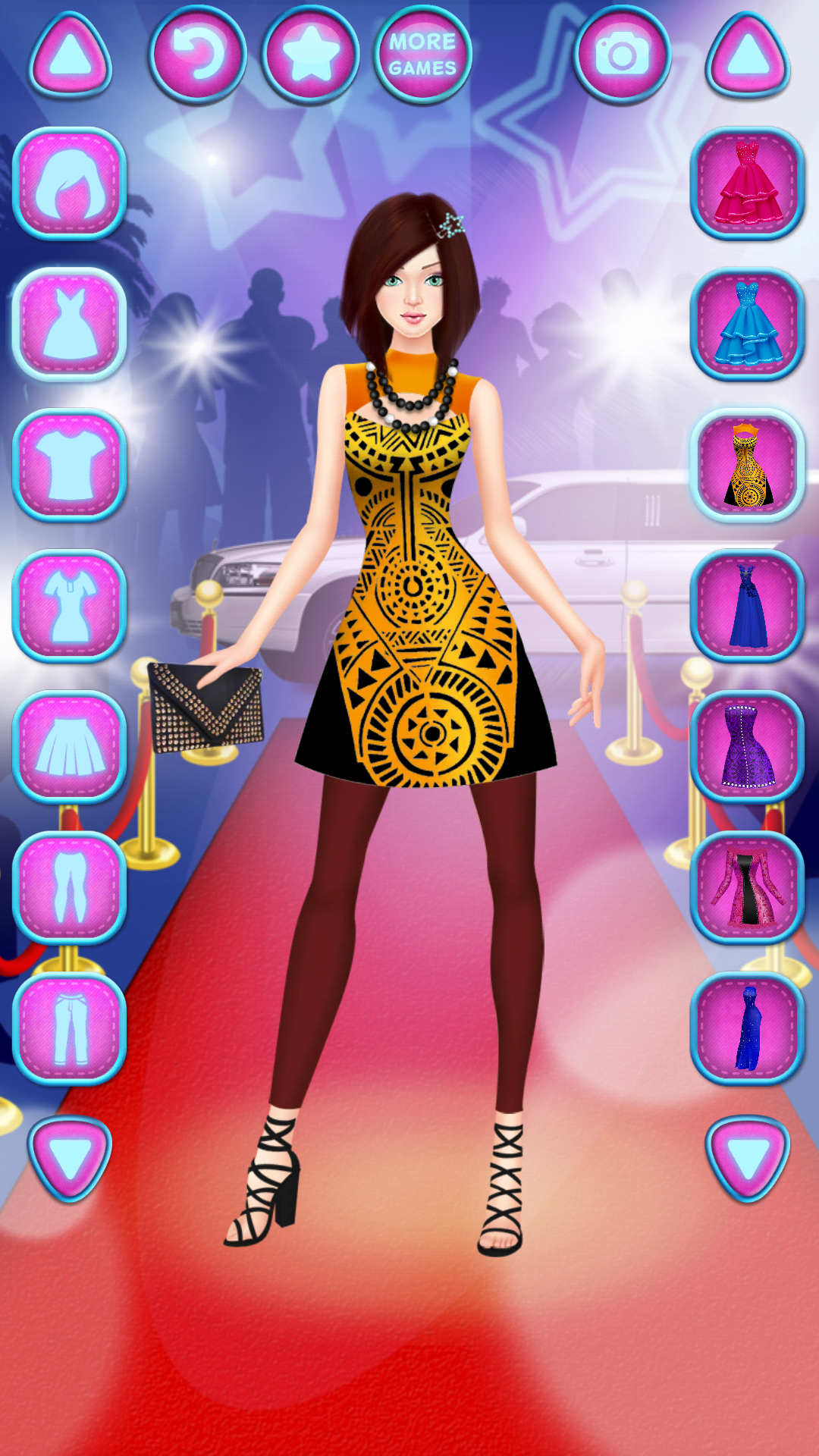
Modern accessory coordination games have evolved beyond simple drag-and-drop mechanics. Today’s top-tier styling apps utilize augmented reality and high-fidelity virtual try-on tools that allow you to see how textures and light interact with your avatar. When utilizing these tools, focus on how different finishes—such as brushed gold versus high-shine silver—behave under various digital lighting environments. By testing these variables, you develop a sharper eye for how real-world accessories will perform in different settings, turning a casual gaming session into a genuine masterclass in precision styling.
2.1.2 Refining AI-Driven Recommendations for a Personalized Capsule Collection
Many sophisticated platforms now incorporate AI to suggest pairings based on your previous successes in outfit challenge competitions. While these algorithms are helpful, the best results come from treating AI suggestions as a starting point rather than a final decree. Use these recommendations to build a virtual closet styling system that reflects your unique fashion identity. By curating your own capsule collection within the game, you can override generic algorithmic suggestions with your own flair, ensuring your avatar remains a true representation of your personal taste.
2.2 Solving Common Coordination Challenges and Errors
2.2.1 Identifying and Eliminating Visual Clutter in Your Outfits
One of the most frequent mistakes in digital fashion is the “more is more” approach, which often results in visual clutter. When styling, if an ensemble feels overwhelming, adopt a subtractive method. Remove one accessory at a time—starting with secondary items like hair clips or layered bracelets—until the focal point of the look regains its prominence. Remember that a successful look is often defined by what you choose to leave out rather than what you include.
2.2.2 Resolving the Mismatch Crisis Between Shoes and Bags
The age-old rule of perfectly matching shoes to bags is largely a relic of the past, yet many players still struggle with this transition. In modern styling, aim for tonal harmony rather than an exact match. If your shoes are a bold statement piece, choose a bag in a neutral shade that complements the undertone of the shoe rather than fighting it. This technique creates a more sophisticated, intentional look that elevates your score in competitive styling challenges.
2.3 Seamless Transitions and Practical Application
2.3.1 Efficiently Swapping Accessories for Day-to-Night Transformations
Mastery in styling is often measured by versatility. Practice transforming a base outfit by swapping only the accessories. For instance, transitioning from a daytime look to an evening aesthetic might involve trading a structured leather tote for a sleek clutch and replacing minimalist stud earrings with a pair of dramatic drop earrings. This exercise helps you understand how small modifications in metal, scale, and sparkle can completely redefine the mood of an entire ensemble.
2.3.2 Addressing Frequently Asked Questions Regarding Style Harmony
Players often ask if they should prioritize trends or timelessness. The answer lies in the balance. Use current trends to keep your looks feeling fresh, but anchor them with timeless, high-quality accessory staples. If you are struggling with harmony, return to your anchor piece—the one item you refuse to swap out—and build the rest of your coordination around it, ensuring that every subsequent choice serves to support the primary aesthetic.
Mastering accessory coordination games is about more than just clicking through digital menus; it is a creative exercise in balance, proportion, and personal expression. By applying the principles of the rule of three, understanding scale, and leveraging color theory, you can transform a standard virtual ensemble into a cohesive style statement. Whether you are navigating competitive outfit challenge competitions or simply curating a digital lookbook, the key lies in the thoughtful selection of anchor pieces and the refined art of layering.
As you continue to explore new digital fashion environments, remember that the most successful stylists are those who balance technical precision with their own unique vision. Use the tools provided within these platforms—from virtual try-ons to AI-driven recommendations—to push the boundaries of your style and experiment with daring combinations you might not have considered otherwise. If you want to refine your skills further, exploring virtual closet styling can help you organize your creative process and catalog your best looks. Keep practicing, stay observant of emerging trends, and enjoy the process of turning every avatar into a masterclass of accessory coordination.