We have all stood in front of a jam-packed closet, yet somehow felt like we had absolutely nothing to wear. This common fashion frustration is exactly why virtual closet styling has become an essential tool for the modern wardrobe. By digitizing your clothing collection, you move beyond the chaos of cluttered hangers and into a realm of intentional, data-driven outfit planning. This approach allows you to see the true potential of the pieces you already own, helping you transform disorganized piles of fabric into a curated, functional system that mirrors your personal style.
In this guide, we will walk you through the entire process of building your digital inventory, from capturing high-quality images to mastering the art of seamless organization. Whether you are looking to streamline your morning routine, experiment with new outfit planning dress-up concepts, or simply gain a clearer picture of your spending habits, you will find the actionable advice needed to reclaim your style. If you enjoy the tactical side of organizing your life, you might also appreciate exploring the best styling fashion games to sharpen your aesthetic eye before you dive into your own collection.

1. Mastering the Basics of Virtual Closet Styling
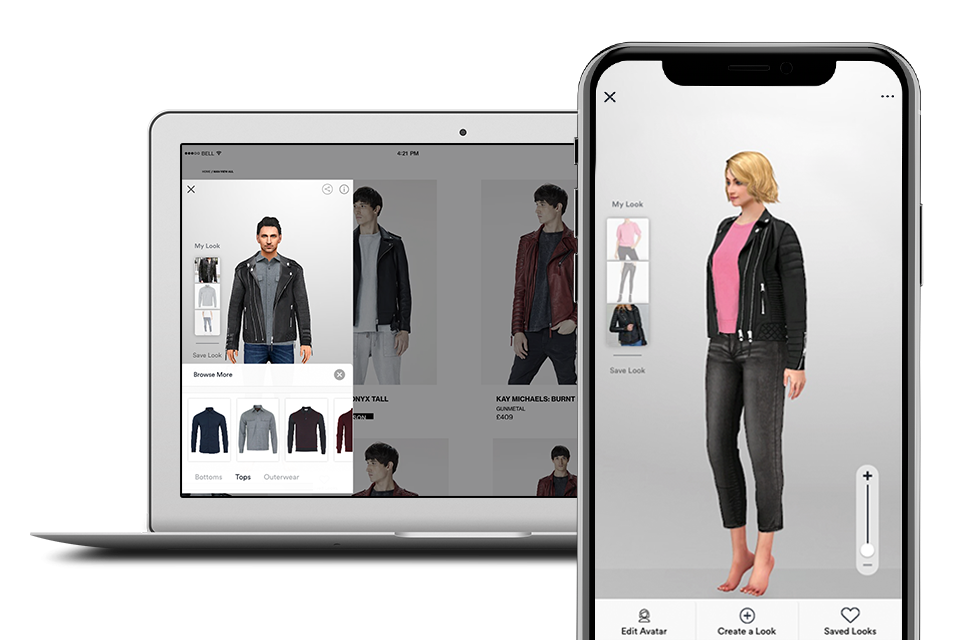
Embarking on the journey of virtual closet styling is more than just organizing your clothes; it is about reclaiming control over your wardrobe and optimizing your personal style. By digitizing your collection, you transform a cluttered physical closet into a streamlined, accessible database. This shift allows you to move beyond aimless rummaging and into a space of intentional outfit planning, where you can visualize new combinations and refine your look with precision.
1.1 Choosing the Best Digital Styling Platform for Your Needs
The foundation of a successful virtual closet is the platform you select. With numerous apps available, your choice should hinge on how much effort you are willing to invest versus the features you require for effective outfit planning dress-up.
1.1.1 Evaluating Automation Features Versus Manual Inventory Control
Some platforms leverage advanced AI to scrape web images of your clothes based on receipts or brand identification, offering near-instant cataloging. While this is incredibly fast, it often lacks the nuance of your specific items’ current condition. Manual control, on the other hand, allows you to capture the exact hue and fit of your pieces. If you prioritize precision, manual entry ensures your inventory remains a true reflection of your actual closet rather than an approximation.
1.1.2 Assessing User Interface and Compatibility Across Devices
A tool is only as good as your ability to use it on the go. Look for interfaces that prioritize a clean, drag-and-drop experience. Compatibility is vital; you need a system that syncs flawlessly between your smartphone for quick outfit checks and your desktop or tablet for detailed fashion trend design tools and long-term planning.
1.2 Building Your Digital Inventory from Scratch
Digitization is a project that yields high returns. To ensure your virtual space is usable, focus on high-quality visuals and consistent data entry.
1.2.1 Best Practices for High-Quality Clothing Photography
Uniformity is key. Lay your garments flat on a clean, neutral surface under bright, natural light. Avoid busy patterns in the background, which can distract from the silhouette of the item. Consistent angles—such as straight-on shots for tops and side profiles for footwear—create a professional, cohesive catalog.
1.2.2 Effective Background Removal and Metadata Tagging Strategies
Most modern apps offer built-in background removal tools. Once your item is isolated, invest time in tagging. Beyond category, include metadata like brand, fabric, and occasion. This allows you to filter your search quickly when you need a specific look.
1.2.3 Organizing Items by Seasonal Relevance and Color Palette
Use folder systems or tags to group items by season. Incorporating color palette customization is a game-changer; it allows you to see if your collection is overly weighted toward neutral tones or if you need to integrate more vibrant accents to round out your style.
1.3 Essential Wardrobe Management Techniques
Once your digital closet is populated, move into active management to keep your style fresh and your shopping habits sustainable.
1.3.1 Identifying Capsule Wardrobe Opportunities within Your Collection
Use your digital tools to identify recurring combinations. By highlighting the items you wear most often, you can build core capsules that simplify your mornings while ensuring every piece in your closet earns its keep.
1.3.2 Managing Wardrobe Gaps to Prevent Impulse Purchases
A virtual closet serves as a reality check. Before buying new items, consult your inventory to see if a similar piece already exists. This practice helps you pinpoint genuine gaps, shifting your focus from impulse shopping to strategic, purposeful additions.
1.3.3 Establishing a Routine for Updating Your Inventory
Treat your virtual closet like a living document. Set aside ten minutes monthly to add new acquisitions or remove items that have been donated or recycled. Consistency ensures your digital guide remains a reliable partner in your daily dressing process.
2. Leveraging Virtual Closet Styling for Long-Term Wardrobe Success

2.1 Utilizing Advanced Analytics and AI Tools
Modern technology has transformed virtual closet styling from a simple digital inventory into a sophisticated decision-support system. By utilizing advanced analytics, you can move beyond mere organization and begin making data-driven choices about your personal style.
2.1.1 Interpreting Cost-Per-Wear Data to Gauge Investment Value
Calculating the cost-per-wear of your clothing is the most effective way to determine whether a garment is a smart investment or a wasted expense. By logging how often you wear specific items in your digital app, you can identify high-value pieces—like a tailored blazer or quality denim—that justify their price tag. Conversely, this data often highlights items that are rarely worn, signaling that you should avoid similar purchases in the future.
2.1.2 Leveraging AI Algorithms for Daily Weather-Based Outfit Suggestions
Many platforms now incorporate AI algorithms that sync with local weather forecasts to provide personalized outfit suggestions. These tools analyze your virtual wardrobe to propose combinations that are both stylish and climate-appropriate, saving you time during your morning routine. This feature is particularly useful for those who want to experiment with new pairings without manually browsing through their entire digital collection.
2.1.3 Customizing Style Lookbooks for Travel and Special Occasions
Digital tools allow you to curate specific lookbooks for upcoming events or trips. By pre-planning your outfits, you eliminate the stress of packing and ensure you have a cohesive set of clothes that meet your needs. For those looking for more inspiration in this area, our guide on best styling fashion games can help you practice your coordination skills in a risk-free environment.
2.2 Sustainability and Wardrobe Maintenance
Maintaining a sustainable closet is easier when you have clear visibility over every item you own. A digitized wardrobe acts as a record of your consumption, helping you practice more intentional fashion habits.
2.2.1 Data-Driven Decluttering and Resale Strategies
Your digital inventory acts as a powerful tool for decluttering. By reviewing tags or usage frequency, you can easily identify items that no longer serve you. This allows you to curate a resale-ready pile based on hard facts rather than emotional attachment. Consistently clearing out unused items keeps your closet manageable and provides a clean slate for new, intentional additions.
2.2.2 Monitoring Garment Condition and Care Schedules
Digital closets often allow you to attach care instructions or maintenance notes to specific items. You can set reminders for seasonal upkeep, such as dry cleaning your winter wools or polishing leather goods. Keeping your items in peak condition extends their lifecycle, which is essential for reducing your environmental impact.
2.2.3 Integrating Professional Stylist Feedback into Your Workflow
Many modern styling apps allow you to share your digital closet with professional stylists. By granting them access to your inventory, they can suggest new combinations using clothes you already own or identify specific gaps in your wardrobe that would elevate your existing pieces. This bridge between technology and human expertise ensures your style remains fresh without constant shopping.
2.3 Frequently Asked Questions
2.3.1 Security and Privacy Concerns Regarding Personal Photo Uploads
Most reputable digital styling platforms utilize encrypted cloud storage to protect your data. Before uploading sensitive information or high-resolution photos of your home interior or clothing, always review the app’s privacy policy to understand how they handle user imagery.
2.3.2 Strategies for Managing Large-Scale Clothing Collections
For extensive collections, categorization is key. Organize your digital inventory by category, color, and season early on. Utilize batch-uploading features and AI-assisted background removal to speed up the cataloging process, ensuring you don’t feel overwhelmed by the scale of your wardrobe.
2.3.3 Methods for Sharing Your Virtual Closet with Professional Stylists
If you are working with a consultant, look for platforms that offer collaborative features or “read-only” access links. This allows a professional to view your collection, create outfit lookbooks for you, and leave notes without having the ability to alter your master records.
Embracing virtual closet styling is more than just a digital decluttering project; it is a fundamental shift toward mindful consumption and intentional dressing. By transforming your physical wardrobe into a searchable, categorized digital asset, you gain the clarity needed to identify what you truly love, what you actually wear, and where your style gaps might be. Whether you are using advanced AI tools to maximize your cost-per-wear or simply organizing your pieces for better daily outfit planning, the technology available today puts professional-level management right at your fingertips.
As you move forward with your digital fashion journey, remember that the most successful wardrobe systems are those that adapt to your evolving lifestyle. If you enjoy the strategic side of digital organization, you might also find inspiration in exploring the best styling fashion games, which offer a creative sandbox to experiment with trends before applying them to your own collection. Ultimately, virtual closet styling is an ongoing process of refinement. Start by auditing your current inventory, stay consistent with your updates, and enjoy the newfound freedom that comes with a curated, data-backed approach to your personal style. Your future self—and your closet—will thank you.