Stepping onto the casino floor or opening a digital lobby, it is easy to get swept up in the excitement of a potential win. However, behind every spin of the reel or shuffle of the deck lie complex mathematical principles that dictate the long-term reality of gaming. Navigating luck based casino challenges requires more than just a gut feeling; it demands an honest understanding of how probability and chance influence every outcome. While some players chase the thrill of the unpredictable, others seek to bridge the gap between pure luck and calculated decision-making. Whether you are curious about the mechanics of modern games or looking to sharpen your approach to risk, understanding the difference between random chance and actionable strategy is essential. In this guide, we will explore the foundational math behind these games, examine the common psychological traps that players face, and provide practical tips to help you maintain control of your bankroll while enjoying the experience.
1. Mastering Luck Based Casino Challenges: The Mechanics of Chance and Probability
1.1 Understanding Randomness and the Mathematical Foundation
To truly master luck based casino challenges, you must first demystify the invisible forces governing your gaming sessions. At their core, these games rely on complex mathematical models that ensure outcomes are independent and unbiased. Understanding these mechanics is the first step toward moving from a purely reactive player to an informed participant.
1.1.1 Decoding Random Number Generators and Volatility
Most modern digital casino games utilize a Random Number Generator (RNG), a sophisticated algorithm designed to produce unpredictable sequences of numbers. Unlike physical card decks or dice, which can be subject to mechanical wear, RNGs ensure that every spin or deal is an isolated event. This randomness is often paired with volatility, which describes the frequency and size of payouts. High volatility games offer the potential for larger, less frequent wins, whereas low volatility games provide smaller, more consistent returns. Recognizing this distinction is vital when choosing a game that aligns with your personal risk tolerance and time horizon.
1.1.2 Defining Return to Player and House Edge
Every game is built around two fundamental concepts: Return to Player (RTP) and the House Edge. The RTP is a theoretical percentage indicating how much of all wagered money a game will pay back to players over a massive sample size. The house edge, conversely, is the mathematical advantage the casino holds, ensuring profitability over time. Because these figures are calculated over millions of rounds, they do not guarantee your personal outcome in a single session. However, understanding these metrics helps you compare the efficiency of different games, much like you might evaluate classic slot machine mechanics when deciding where to allocate your entertainment budget.
1.2 The Psychology of Luck Based Casino Challenges
The human brain is naturally wired to seek patterns, even in environments where none exist. This cognitive tendency is the greatest challenge players face when dealing with probability based betting games.
1.2.1 Identifying Cognitive Biases and the Gambler’s Fallacy
The most common pitfall is the Gambler’s Fallacy—the mistaken belief that if an event happens more frequently than normal during a period, it will happen less frequently in the future, or vice versa. For instance, after a series of red spins on a roulette wheel, many players feel compelled to bet on black, assuming the odds have “evened out.” In reality, the probability remains identical on every single spin. Recognizing these biases is essential for maintaining emotional distance from the game.
1.2.2 Managing Expectations in Pure Chance Environments
In games dictated by pure chance, your only true control lies in your mindset and expectation management. Approaching a session as an entertainment expense rather than a revenue-generating activity prevents the frustration that often leads to poor decision-making. By accepting that random outcomes are beyond your influence, you free yourself to enjoy the experience without the pressure of chasing impossible trends.
1.3 Essential Bankroll Management for High Variance Games
Even when a game is purely luck-based, your long-term success is dictated by how you manage your resources. Proper bankroll management is the primary defense against the inevitable downswings associated with high variance play.
1.3.1 Setting Stop Loss Limits for Random Outcomes
A stop-loss limit is a predetermined financial threshold at which you commit to walking away from a game, regardless of whether you are winning or losing. Establishing these boundaries before you start playing removes the need for in-the-moment calculations under the influence of excitement or fatigue. This disciplined approach ensures that your gambling remains a controlled activity rather than a reactive one.
1.3.2 Determining Unit Size Based on Session Volatility
Your unit size—the amount you bet per round—should be proportional to your total bankroll and the volatility of the game. For high variance games that feature long stretches without a payout, a smaller unit size is necessary to survive the “dry spells.” Conversely, in lower variance games, you might have more flexibility. Matching your betting structure to the specific mathematical profile of the game is a core component of effective risk management gambling games that keeps you in the action longer.
2. Integrating Strategy to Mitigate Luck Based Casino Challenges

2.1 Evaluating Games Where Skill Influence the Odds
While many casino environments are built on pure randomness, certain games allow for skill-based decision-making that can marginally improve a player’s long-term outcome. Recognizing the difference between a game of pure chance, like a standard slot machine, and one involving tactical choices is the first step in effective table game strategy training. In games like blackjack or video poker, the outcome of every hand is not entirely predetermined; rather, it is a result of the rules, the cards remaining in the deck, and your specific choices.
2.1.1 Applying Basic Strategy in Blackjack and Video Poker
In blackjack, players can use a mathematically derived basic strategy to determine the optimal move—hit, stand, double down, or split—based on the dealer’s upcard and the player’s total. By consistently applying these rules, you minimize the house edge, effectively moving the game closer to a fair statistical encounter. Similarly, in video poker, identifying the right cards to hold requires an understanding of probability to maximize your return on investment. You can refine your approach to these scenarios by exploring our guide on mastering blackjack simulator strategy to improve your odds before stepping onto the casino floor.
2.1.2 Balancing Decision Making Against Inherent House Edges
Even when you play with perfect strategy, it is vital to remember that the house edge remains a mathematical reality. Strategy cannot eliminate the casino’s advantage; it only prevents the player from gifting extra points to the house through sub-optimal choices. Balancing your decision-making means acknowledging that while skill helps, it is not a guarantee of profit. The goal is to maximize your playtime and enjoyment by making the most efficient moves possible within the framework of probability based betting games.
2.2 Strategic Hybrid Approaches for Mixed Games
Players often attempt to combine betting systems with gameplay strategy, hoping to turn luck-based casino challenges into a consistent income stream. However, it is essential to distinguish between a functional strategy and a fallacy.
2.2.1 Why Betting Systems Fail Against Mathematical Probability
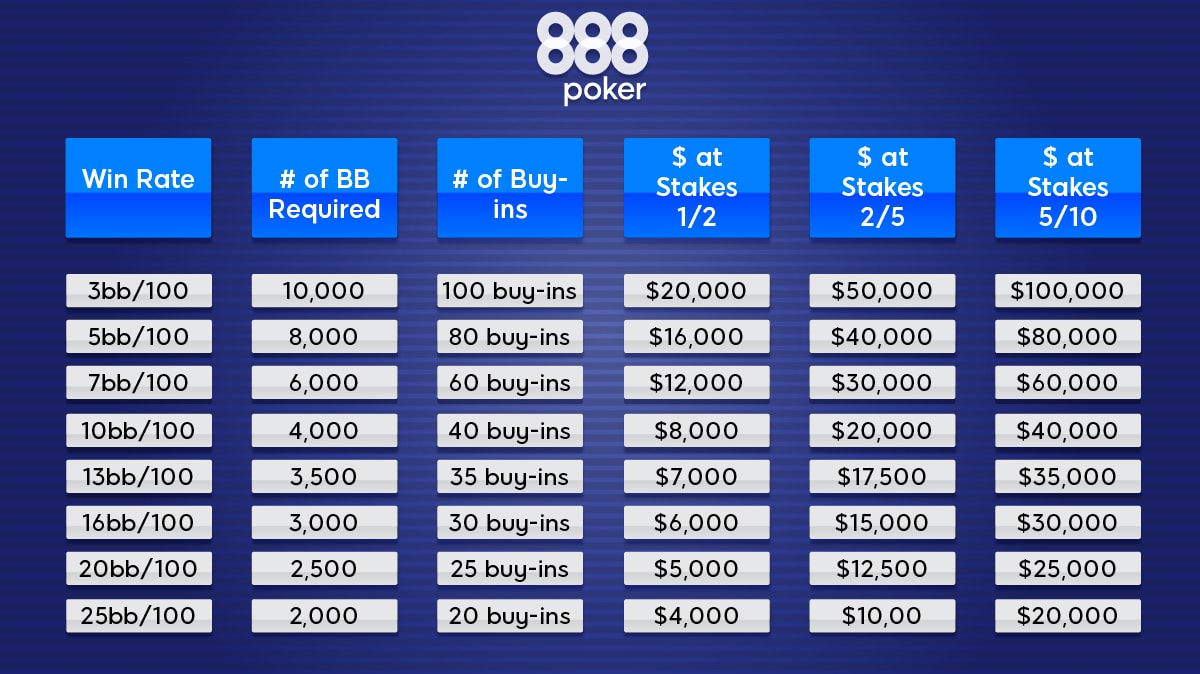
Many gamblers employ systems like the Martingale or the Fibonacci sequence, believing that past outcomes influence future results. In truth, every spin of the wheel or deal of the cards remains independent in a random environment. Betting systems often lead to aggressive risk management gambling games failures because they can force you to wager amounts that exceed your bankroll or the table limits during a losing streak. Math dictates that the house edge applies to every individual bet regardless of what happened previously.
2.2.2 Optimizing Game Selection for Long Term Efficiency
True strategic hybrid success comes from choosing games with the lowest house edge rather than chasing losses with betting systems. By prioritizing games with favorable rules—such as single-deck blackjack or specific video poker pay tables—you create a more sustainable environment for your bankroll. Efficiency is about selecting the right game, adhering to a strict bankroll limit, and maintaining emotional discipline, rather than manipulating the bet size based on recent wins or losses.
2.3 Sustainable Habits for Responsible Gaming
Strategic play requires significant mental energy and focus. When you treat gambling as an analytical challenge, you are susceptible to the same fatigue that affects any high-stakes cognitive task.
2.3.1 Recognizing Signs of Fatigue in Strategic Play
The most common symptom of fatigue in a casino environment is the abandonment of your predetermined strategy. If you find yourself making impulsive, emotional decisions, or failing to follow basic charts, it is time to step away. A tired mind is more prone to cognitive biases, such as the gambler’s fallacy, which can cause you to deviate from your carefully planned approach.
2.3.2 Establishing Boundaries Between Entertainment and Analysis
Finally, keep a clear distinction between analytical sessions and entertainment. If the pressure to perform perfect strategy removes the fun, you are likely overextending your risk. Set strict time limits and treat any losses as the cost of your entertainment, rather than an investment failure. Responsible gaming is the foundation of all long-term success; by setting firm boundaries, you ensure that your time in the casino remains a controlled and enjoyable experience.
Navigating luck based casino challenges requires a balanced perspective that honors both the thrill of uncertainty and the cold reality of mathematics. While you cannot influence the outcome of a purely random event, understanding the mechanics behind these games—such as volatility and the house edge—allows you to shift your focus from chasing wins to managing your resources effectively. True mastery in a casino environment is not about beating the system, but about controlling how you interact with it.
By applying disciplined risk management in gambling games, you protect your bankroll and ensure that your gaming sessions remain an enjoyable form of entertainment rather than a source of financial stress. Remember that whether you are testing your skills at a table or engaging with automated mechanics, setting clear boundaries is the most effective strategy you can employ. Keep your expectations grounded, remain aware of the house advantage, and always prioritize responsible play to ensure your time at the table remains a positive experience.