For many players, the spinning reels and flashing lights of a slot game evoke a sense of nostalgia, harking back to the mechanical levers of yesteryear. However, behind the familiar symbols and retro aesthetics lies a sophisticated digital infrastructure. Understanding classic slot machine mechanics is essential for anyone looking to bridge the gap between simple entertainment and the reality of modern gaming software. While these titles often function as accessible casino simulation games, they are fundamentally powered by complex mathematical models designed to ensure fair, unpredictable outcomes. In this guide, we will peel back the digital curtain to explore how these systems operate, from the intricacies of random number generation to the statistical metrics that define the player experience. Whether you are curious about how virtual reels mimic physical ones or simply want to demystify the logic behind these luck based casino challenges, this overview will provide you with a clearer perspective on how your favorite digital spins are calculated and delivered in an increasingly technical landscape.
1. Unpacking the Mathematics and Logic Behind Classic Slot Machine Mechanics
1.1 The Transition from Mechanical Gears to Digital Algorithms
1.1.1 Evolution of Physical Reels versus Virtual Simulation
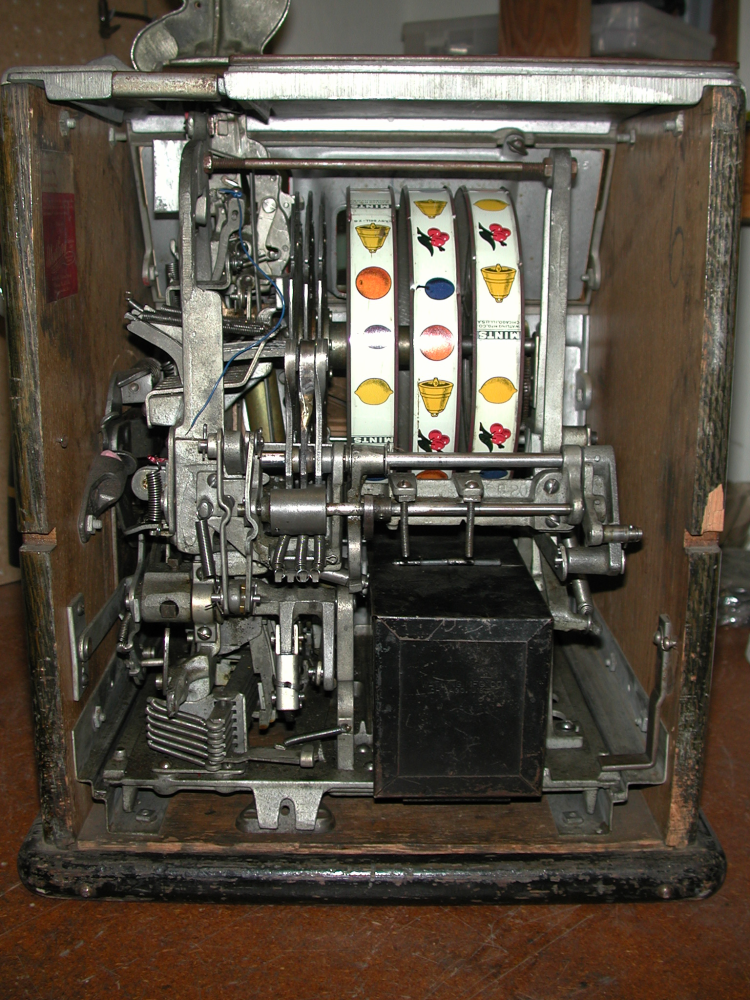
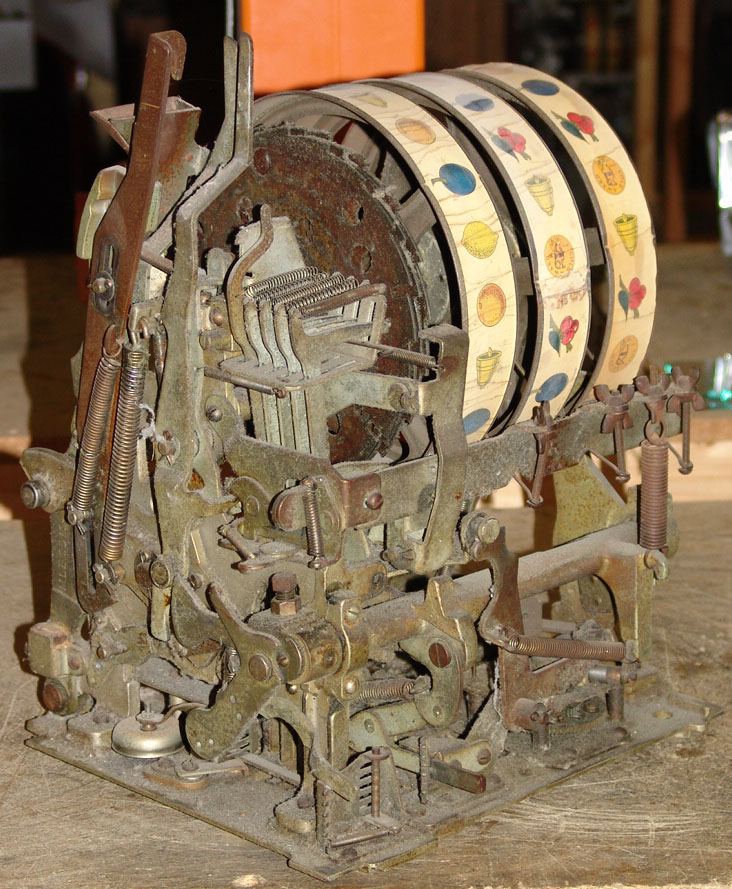
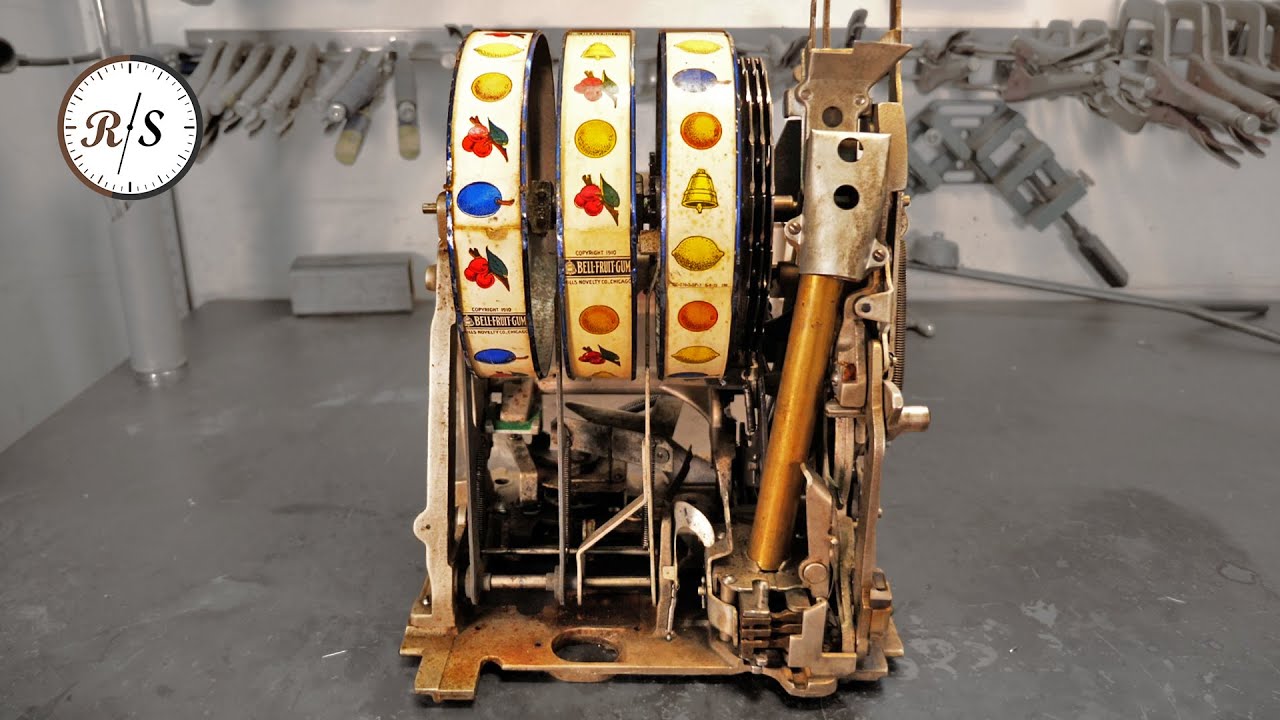
The history of slot machines began with physical gears, stoppers, and springs. In traditional mechanical machines, the symbols were physically printed on reels, and the odds were strictly governed by the number of stops on each reel. Today, classic slot machine mechanics have moved entirely into the digital realm. Modern virtual simulations replicate the look and feel of those old-school lever-pullers, but the physical constraints—like the number of symbols on a reel—no longer dictate the mathematical reality of the game.
1.1.2 The Role of Microchips in Ensuring Random Outcomes
Modern gaming software uses sophisticated microchips to manage the game flow. Unlike mechanical systems, which were susceptible to physical wear and tear, digital algorithms ensure that every spin is an independent event. These microchips run complex instructions that translate numerical outputs into the visual symbols you see on your screen. This shift has enabled game developers to create more complex, multi-layered experiences that retain the charm of casino simulation games while operating with absolute digital precision.
1.2 The Engine Under the Hood: Random Number Generation
1.2.1 How the RNG Determines Results in Milliseconds
At the heart of every virtual slot is a Random Number Generator (RNG). This is a specialized algorithm that generates a continuous stream of random numbers, even when the machine is idle. The moment you press the spin button, the RNG pulls a set of numbers from its sequence, which the game software then maps to specific reel positions. This happens in a matter of milliseconds, ensuring the outcome is determined at the precise moment of your request.
1.2.2 Server-Side Processing: Why Your Internet Connection Does Not Influence the Spin
A common misconception is that the speed of your internet connection affects the outcome of a spin. In reality, the calculation occurs on the game server, not on your local device. Your connection simply sends the request and receives the final result from the server. Because the RNG result is generated and locked in the moment you initiate the spin, any lag in your visual interface does not change the fairness or the outcome of the game.
1.2.3 The Mathematical Foundation of Fairness and Third-Party Auditing
Fairness in probability based betting games is maintained through rigorous testing. Independent third-party agencies audit these RNG algorithms to verify that they are truly random and not skewed by external factors. These audits ensure that the software adheres to the stated payout percentages, providing players with confidence that the game is functioning as intended by the developer and the regulatory body.
1.3 Core Statistical Metrics Defining Classic Gameplay
1.3.1 Defining Return to Player (RTP) and the House Edge
Return to Player (RTP) is a long-term statistical projection representing the percentage of wagers a game will return to players over time. It is important to remember that RTP is calculated over millions of spins, not a single session. This metric is the mathematical inverse of the House Edge, which represents the casino’s expected profit margin. To better understand how you manage your budget across different gaming formats, it helps to review resources on virtual card table games and risk management.
1.3.2 Understanding Hit Frequency versus Volatility
Hit frequency refers to how often a game generates a winning combination, while volatility measures the risk associated with a specific slot. High volatility games may go long periods without a win but offer larger potential payouts, whereas low volatility games provide more frequent, smaller wins. These factors define the player experience in luck based casino challenges and influence which games fit your specific bankroll strategy.
1.3.3 The Concept of Independent Events and the Gambler’s Fallacy
Each spin in a classic slot is a completely independent event. The RNG does not remember previous outcomes, meaning a “win” or “loss” from the last round has zero influence on the next. The Gambler’s Fallacy—the belief that a machine is “due” for a win after a string of losses—is a logical error that ignores the fact that every single spin begins with the exact same probability of success.
2. Anatomy of Classic Slot Machine Mechanics in the Digital Age

2.1 Visual Layout and Interface Design
2.1.1 Navigating 3-Reel Structures and Traditional Symbol Values
The transition to virtual platforms has preserved the nostalgic charm of 3-reel slots. While physical machines relied on mechanical stoppers to determine symbol placement, modern software renders these reels using sophisticated graphical engines. Players often find that the 3-reel layout provides a streamlined experience, focusing on high-value traditional icons like sevens, bars, and cherries. Understanding these symbol values is essential, as the scarcity of specific icons on the virtual grid directly dictates the potential payout for any given payline.
2.1.2 Interpreting Paytables and Payline Configurations
Before engaging with any casino simulation games, it is vital to inspect the paytable. This digital menu outlines the exact combinations required for a win and the corresponding multipliers for each symbol. In classic titles, paylines are often straightforward horizontal or diagonal lines. However, digital platforms allow for more complex configurations, such as V-shapes or zigzag patterns. Familiarizing yourself with these paths ensures you can track winning combinations as the reels settle.
2.1.3 Mechanics of Ways-to-Win Systems in Simplified Grids
Modern developers have evolved classic designs by replacing rigid paylines with “ways-to-win” mechanics. Even in a 3-reel environment, some games calculate wins based on adjacent symbol positions rather than specific lines. This mechanic simplifies the player experience, as you no longer need to memorize complex payline patterns to identify a winning spin.
2.2 Enhancing the Classic Experience with Modern Software Features
2.2.1 Integration of Wilds, Scatters, and Multipliers in Retro Themes
To keep retro gameplay engaging, software providers inject special icons into the classic reels. Wild symbols function as substitutes for other icons, increasing the chances of completing a sequence. Meanwhile, scatters often trigger secondary events, and multipliers provide a boost to your total stake. These elements bridge the gap between traditional luck-based casino challenges and the feature-rich complexity of modern video slots.
2.2.2 How Software Triggers Bonus Rounds and Free Spins
Modern algorithms are programmed to recognize specific symbol triggers that launch bonus rounds. These rounds often transport the player to a secondary screen, offering an interactive break from the main reels. Whether it is a “pick-me” game or a series of free spins, these sequences rely on the same underlying RNG logic as the base game, ensuring every interaction remains independent and fair.
2.2.3 The Architecture of Progressive Jackpots and Networked Prize Pools
Classic-style slots now frequently feature progressive jackpots that accumulate across multiple connected machines. This is achieved through server-side networking, where a small percentage of every bet contributes to a central prize pool. As players spin, the software updates the jackpot display in real-time, creating a high-stakes environment that feels grander than the standalone cabinets of the past.
2.3 Consumer Education and Myth-Busting
2.3.1 Debunking the Myth of Hot and Cold Cycles
A common misconception among players is the existence of “hot” or “cold” cycles, where a machine is “due” for a payout. In reality, because every spin is an independent event governed by random algorithms, previous outcomes have no influence on the next result. Understanding this helps maintain a balanced approach to your hobby, as you can master blackjack simulator strategy or other skill-based games if you prefer more predictable outcomes.
2.3.2 Verifying Game Integrity through Licensing and Regulation
To ensure fairness, reputable digital casinos subject their software to third-party auditing. Regulatory bodies verify that the Random Number Generator (RNG) is functioning correctly and that the stated Return to Player (RTP) percentages are accurate. Always check for licensing information in the game’s help menu to confirm the software meets industry standards for transparency.
2.3.3 Strategic Tips for Selecting Games Based on Personal Risk Appetite
Choosing the right slot involves aligning the game’s volatility with your personal bankroll management. High-volatility games offer larger potential prizes but occur less frequently, while low-volatility titles provide smaller, more consistent wins. By selecting a game that matches your risk appetite, you can enjoy the experience for longer, viewing the gameplay as entertainment rather than a path to profit.
Understanding the inner workings of classic slot machine mechanics reveals a fascinating blend of advanced mathematics and psychological design. While these virtual games rely on sophisticated random number generators to ensure every spin remains an independent, unpredictable event, the experience itself is crafted to provide a familiar and engaging atmosphere. By demystifying the roles of RTP, volatility, and regulatory auditing, players can better appreciate the digital architecture that powers modern casino simulation games and social casino arcade hybrids. It is important to remember that these are fundamentally probability based betting games, where the house edge remains a constant, mathematical reality regardless of the visual interface or the specific theme of the machine.
As you explore different titles, keep in mind that the best way to enjoy these challenges is by prioritizing entertainment over the pursuit of guaranteed wins. If you find yourself drawn to the calculated risks and strategic elements of gaming, you might also enjoy exploring our guide on virtual card table games to further hone your understanding of probability and risk management. Ultimately, approaching these games with a clear head and a defined budget ensures that the fun remains the primary focus of your experience.