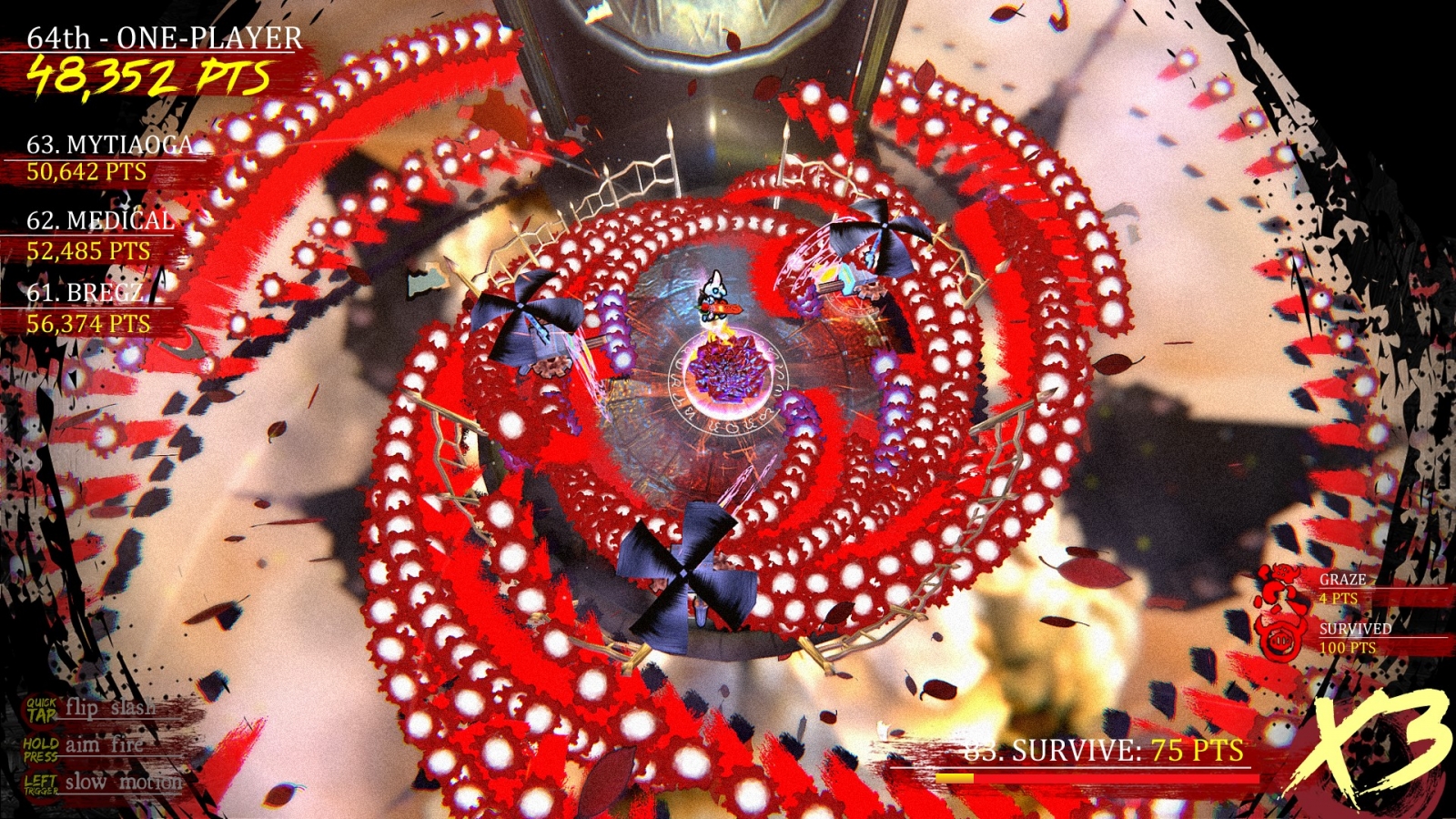
In the high-stakes world of competitive gaming, mastering projectile avoidance shooters is often the difference between a decisive victory and a swift respawn. Unlike hitscan-based titles where reaction time is the sole arbiter of success, games centered on projectile combat demand a deeper understanding of movement physics, timing, and environmental awareness. To survive, you must learn to read the battlefield as a series of incoming threats rather than just static targets. Success hinges on your ability to predict ballistic trajectories and manipulate your movement to force opponents into missed shots. In this guide, we will break down the essential mechanics and tactical nuances required to stay mobile and untouchable in the heat of battle. By refining your defensive techniques and learning to exploit arena geometry, you will transform your gameplay, turning every cover-based tactical firefight into an opportunity to outmaneuver your opposition. Whether you are a casual player or an aspiring pro, these strategies will provide the foundation you need to dominate the arena.
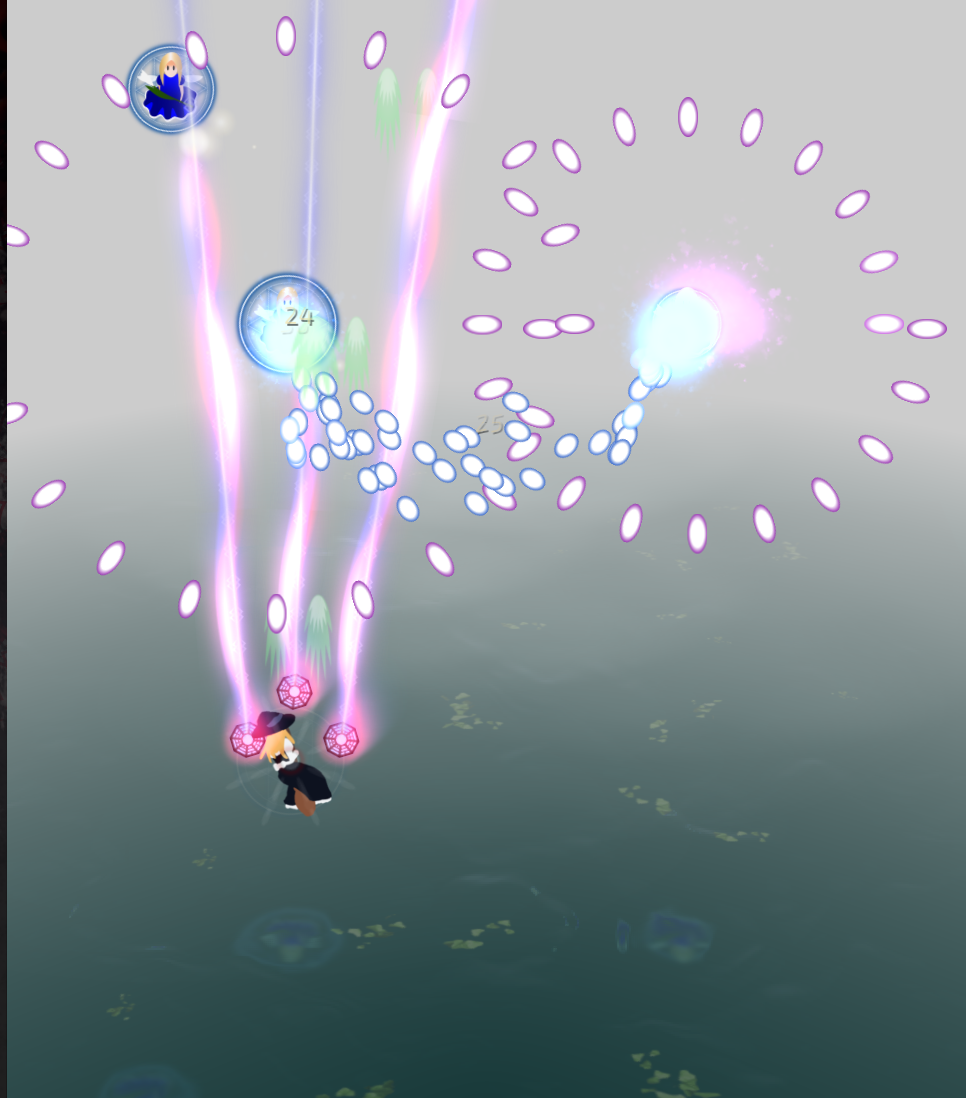
1. Mastering Foundational Mechanics in Projectile Avoidance Shooters

1.1 Physics of Projectile Velocity and Trajectory
1.1.1 Calculating Time to Impact
Success in projectile avoidance shooters begins with a mental shift: stop tracking the enemy and start tracking the lead. Unlike hitscan weapons, projectiles occupy physical space and travel at finite speeds. To survive, you must calculate the time to impact by observing the muzzle velocity of incoming fire. Distance acts as your buffer; the farther you are from an opponent, the more time you have to adjust your trajectory once a shot is fired. Use visual cues, such as tracers or audio cues like specialized firing sounds, to anchor your timing window.
1.1.2 Understanding Hitbox Displacement
Every character model possesses a specific hitbox that governs collision. Advanced players understand that their visual model and their mechanical hitbox may have slight variations depending on animations. To minimize your exposure, learn the “density” of your character’s frame. When avoiding projectiles, focus on moving your character’s central mass—the torso—out of the projectile’s projected path rather than just drifting your camera randomly. Efficient movement is about moving the smallest distance necessary to force a miss.
1.1.3 The Role of Latency and Netcode in Evasion
In high-stakes combat, your local experience is dictated by your ping. Understanding netcode—specifically favor-the-shooter mechanics—is vital. If you are playing on high latency, you may experience “rubber-banding” or receive damage even after moving behind cover. When dealing with unavoidable latency, adjust your evasion timing by favoring earlier, more aggressive repositioning. Never wait until the last millisecond to dodge if your connection is unstable; early movement compensates for the server-side delay in processing your inputs.
1.2 Fundamental Strafing Patterns for Survivability
1.2.1 Counter-Strafing for Accuracy and Speed
Counter-strafing is the art of tapping the opposite movement key to neutralize your character’s inertia instantly. While primarily used for shooting accuracy, it is a masterclass in defensive movement. By rapidly flicking between directional keys, you force enemies to constantly re-adjust their lead. This makes you an incredibly difficult target to track in cover-based tactical firefights, as your sudden shifts prevent opponents from predicting where your hitbox will land next.
1.2.2 Managing Inertia and Character Momentum
Games often simulate weight, meaning your character cannot stop instantly. Understanding your character’s acceleration curve is a defensive multiplier. If your character takes time to reach top speed, avoid “wide swinging” corners. Instead, use short, controlled bursts of movement that keep you within the reach of safety. Mastering momentum allows you to “skate” around projectiles, using your natural acceleration to drift out of the line of fire.
1.2.3 Rhythm Control to Prevent Predictable Pathing
The most dangerous habit in any shooter is moving in a consistent, rhythmic pattern. If you strafe left for one second and right for one second, an experienced player will eventually time their shots to hit you at the apex of your movement. You must introduce chaos into your rhythm. Mix long, full-speed strafes with short, stuttering steps to disrupt the enemy’s predictive aim.
1.3 Defensive Movement Techniques Under Fire
1.3.1 Jiggle Peeking and Cover Utilization
Jiggle peeking is the ultimate defense against long-range projectile pressure. By rapidly oscillating in and out of cover, you bait shots without committing to a full engagement. Use this to gather information on enemy weapon types and fire rates. Always maintain proximity to solid geometry, ensuring that an emergency path to total cover is never more than a fraction of a second away.
1.3.2 Crouch Spamming and Verticality Adjustments
Crouching is not just about avoiding headshots; it is about changing your profile. When engaged in an open duel, a well-timed crouch can cause a projectile aimed at your chest to fly harmlessly over your shoulder. However, do not over-rely on this. Use verticality—jumping or dropping from high ground—to force your opponent to track you on both horizontal and vertical axes simultaneously, significantly increasing the difficulty of their shot.
1.3.3 The Art of the Emergency Retreat
Knowing when to disengage is a skill that separates veterans from novices. If your health pool drops below 30 percent, your priority must shift entirely to breaking line of sight. Execute an emergency retreat by moving toward the nearest cover while using “back-strafing” techniques to keep your eyes on the threat. Never turn your back on an active shooter unless you are absolutely certain you have achieved break-of-vision, as this exposes your most vulnerable hitbox—your back—to incoming damage.
2. Advanced Tactical Strategies for Projectile Avoidance Shooters

2.1 Psychological Manipulation and Predictive Evasion
Success in projectile avoidance shooters often comes down to playing the person behind the screen rather than just the game engine. By understanding that your opponent is likely predicting your movement to lead their shots, you can turn their own logic against them. This is where psychological manipulation becomes a vital defensive tool.
2.1.1 Baiting Cooldowns and Utility
Most advanced weapons or abilities in ballistic trajectory games operate on specific cooldowns. Instead of playing purely reactively, force your opponent to commit their high-value utilities early. By intentionally exposing a small hitbox for a fraction of a second, you can bait an enemy into firing a high-damage, slow-reloading projectile. Once that utility is on cooldown, you gain a temporary window of total freedom to reposition or counter-attack safely.
2.1.2 Identifying Enemy Firing Cadence
Every player develops a rhythm, often subconsciously. Whether it is a consistent fire rate or a preference for specific firing patterns, observing your opponent’s habits allows you to anticipate when a projectile is coming. By identifying these patterns, you can time your sidesteps to coincide exactly with their reload phase, effectively cutting their damage output in half.
2.1.3 Breaking Target Acquisition with Erratic Movement
Predictability is the primary cause of death in arena projectile combat. If you move in a straight line or follow a standard strafe pattern, you become an easy target. To break target acquisition, mix in “micro-flicks” and sudden directional changes that don’t follow a rhythmic beat. By constantly shifting your trajectory, you force the opponent to perpetually adjust their aim, increasing the likelihood that they will miss their shot window.
2.2 Positioning as a Defensive Multiplier
Movement is only as effective as the environment you utilize. Positioning is your strongest defensive multiplier because it dictates how many threats you face at any given moment.
2.2.1 Controlling Engagement Angles
Always aim to isolate 1v1 encounters. When moving through a map, hug the geometry that limits the number of firing lines directed at you. By controlling the angle of engagement, you ensure that you only need to focus on one incoming projectile stream at a time, making evasion significantly easier to manage.
2.2.2 Using High-Ground Geometry to Limit Exposure
High ground provides more than just a vantage point; it provides a defensive advantage by obscuring your lower body hitbox behind ledges and ramps. When you hold the high ground, you have the verticality needed to drop back into total safety instantly, an option not available to those stuck on flat terrain. To refine your movement within these tactical environments, consider checking out our guide on mastering cover-based tactical firefights to learn how to manipulate sightlines effectively.
2.2.3 Minimizing Sightlines in Open Environments
If you must cross an open area, treat it as a high-risk transit zone. Never cross in a straight line. Use a series of “sprint-crouch-slide” maneuvers if the game mechanics allow, and constantly check peripheral sightlines. By keeping your exposure time below the threshold of the average enemy’s reaction speed, you significantly decrease your vulnerability to incoming projectiles.
2.3 Optimizing Training Protocols for Consistent Performance
To master projectile avoidance, you must build a foundation of muscle memory that handles the movement mechanics for you, freeing your brain to focus on threat assessment.
2.3.1 Configuring Sensitivity and DPI for Fluid Evasion
Evasion requires rapid, high-precision micro-adjustments. If your mouse sensitivity is too high, you will likely overshoot your dodges; if it is too low, you won’t be able to turn fast enough to respond to threats from your flank. Find a balance that allows for consistent 180-degree turns while maintaining high precision for the small, stutter-step movements required during intense firefights.
2.3.2 Utilizing Aim Trainers for Movement-Tracking Synergy
Most players use aim trainers exclusively for offense, but they are equally valuable for defensive movement. Focus on “tracking” scenarios where you are forced to move while keeping your crosshair locked on a target. This trains your brain to decouple your movement inputs from your aiming inputs, allowing you to dodge projectiles while maintaining offensive pressure.
2.3.3 Reviewing Gameplay VODs to Eliminate Habitual Patterns
We all have “autopilot” habits that we aren’t aware of during the heat of a match. Recording your gameplay and watching it back—specifically looking at how you die—can reveal patterns in your movement. If you notice you have a tendency to always dodge to the right when under pressure, your opponents have likely noticed it too. Actively training to break these habitual patterns is the fastest path to becoming an evasive pro.
Mastering projectile avoidance shooters is a journey that shifts your focus from raw aim to a deep understanding of movement physics and tactical awareness. By internalizing how ballistic trajectory games function, you move away from frantic, reactive play and toward calculated, defensive maneuvers. Remember that survival in these fast-paced environments is rarely about dodging every single shot; it is about minimizing your exposure and manipulating the enemy’s firing rhythm to your advantage. Whether you are navigating intense cover-based tactical firefights or surviving in wide-open arenas, the consistency of your movement is the primary factor that will keep you in the game longer.
As you refine your approach, keep in mind that practice should be deliberate and analytical. Periodically reviewing your VODs and analyzing your own pathing habits can help you shed the predictable movements that enemies capitalize on. To continue honing your skills, you can explore our guide on mastering cover-based tactical firefights to further integrate your defensive evasion with aggressive positioning. Stay patient with your progress, stay unpredictable in your movement, and keep pushing your boundaries in the arena. With enough dedication, you will transform from a target into an elusive force that is nearly impossible to pin down.