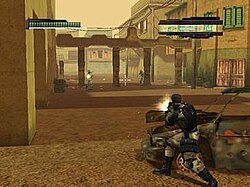
There is a unique, pulse-pounding thrill that only arcade style gallery shooters can provide. Whether you are reliving the golden age of CRT monitors and light guns or diving into modern emulated setups, these titles demand a blend of twitch reflexes, pattern recognition, and unwavering accuracy. Unlike traditional shooters that allow for fluid character movement, the gallery shooter traps you in a high-stakes environment where your survival depends on rapid target acquisition and effective threat management. From the mechanical charm of stationary turret shooters to the intense focus required in modern projectile avoidance titles, this genre remains a cornerstone of skill-based gaming.
In this guide, we will break down the essential strategies to help you climb the leaderboards and achieve those elusive high scores. We will also explore how to build the perfect, responsive hardware setup to ensure your input matches your instincts. Whether you are a veteran chasing a new personal best or a newcomer curious about the mechanics behind this classic genre, you will find everything needed to sharpen your competitive edge.
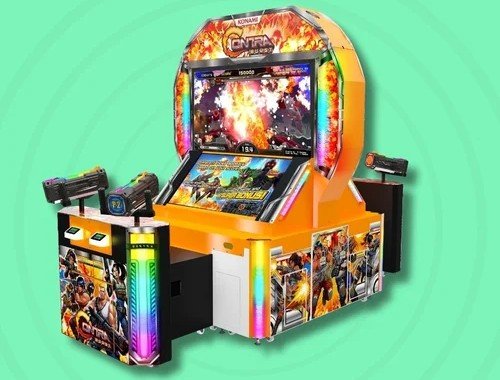
1. Mastering Arcade Style Gallery Shooters: Mechanics and Tactical Gameplay
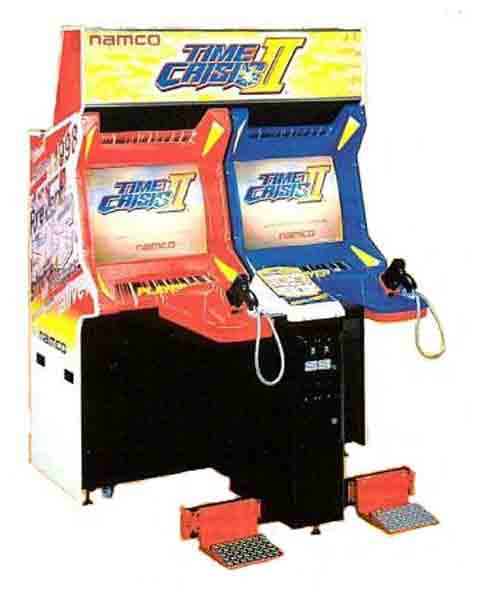
Arcade style gallery shooters are defined by their intense focus on accuracy, timing, and pattern recognition. Unlike open-world titles, these games trap you in a fixed or limited-movement perspective, turning the screen into a tactical puzzle that demands split-second reactions. To dominate the high-score boards, you must move beyond simple “point and click” habits and start viewing the screen as a series of interconnected variables.
1.1 Understanding the Core Mechanics of Gallery Shooters
1.1.1 Distinguishing Light Gun Games from Rail Shooters
While often used interchangeably, there is a distinct difference between these sub-genres. Light gun games rely on physical or simulated peripheral accuracy, where your success is tied to the precise aim of your controller against the screen. Rail shooters, conversely, automate the camera movement along a set path, forcing you to manage incoming fire and environmental hazards rather than just aiming. Recognizing this difference helps you adjust your focus: light gun games emphasize hand-eye coordination, while rail shooters demand map knowledge and threat prioritization.
1.1.2 Evaluating Hitbox Precision and Projectile Speed
Success in this genre requires an intimate understanding of hitbox mechanics. Many games employ “forgiving” hitboxes for players, but enemies often have tight, specific zones that trigger critical damage or bonus multipliers. You must also account for projectile avoidance shooters, where the game relies on telegraphed enemy fire. Learning to identify the travel speed of incoming projectiles allows you to weave through patterns rather than panic-firing, keeping your character alive during dense combat scenarios.
1.1.3 Decoding Enemy Spawn Patterns and Predictive Aiming
The best players don’t react to enemies; they anticipate them. Most classic and modern titles utilize scripted spawn sequences. By playing through levels, you can memorize where specific threats appear, allowing you to “pre-aim” your crosshair. This predictive movement minimizes the time spent swinging your sights across the screen, a crucial skill for maintaining flow in fast-paced encounters.
1.2 Strategic Approaches to High Score Chasing
1.2.1 Maximizing Multipliers Through Consecutive Hits
Scoring in gallery shooters is rarely about how many enemies you defeat, but how efficiently you dispatch them. Multiplier systems reward streaks; missing a shot or allowing a combo window to expire resets your score potential. Focus on chaining targets in rapid succession. When dealing with stationary turret shooters, hold your fire until you have a clear sightline that allows you to hit multiple targets without breaking your combo rhythm.
1.2.2 Optimal Reload Management Under Combat Stress
Reloading is the most vulnerable moment in any arcade shooter. To master this, you must train yourself to identify “lulls” in the action. Do not wait until your magazine is empty to reload. Instead, utilize the split-second gaps between enemy spawn waves to top off your weapon. If you find yourself frequently caught during a reload, consider utilizing boss fight combat training to learn safe windows for maintenance.
1.2.3 Prioritizing High-Value Targets During Boss Sequences
Boss battles are designed to overwhelm you with both volume and complexity. Rather than spraying shots blindly, identify the “weak point” or the source of the projectiles. Prioritizing high-value targets—such as specific boss components or shield generators—often disables the boss’s ability to attack, effectively turning a chaotic fight into a controlled target practice session.
1.3 Essential Titles for Every Enthusiast
1.3.1 Defining Arcade Classics That Shaped the Genre
The foundation of the genre was built by titles that prioritized simple, addictive gameplay loops. Games like Virtua Cop and Time Crisis established the standards for reload mechanics and cover-based interactions. These classics are essential for understanding the lineage of the genre and why certain design choices, like screen-clearing power-ups, became staple mechanics for balancing difficulty.
1.3.2 Identifying Underrated Hidden Gems and Niche Titles
Beyond the mainstream hits, the genre is full of unique experiments. Some titles blend horror elements with tight accuracy requirements, while others emphasize non-linear level progression. Exploring these niche games often introduces players to creative mechanics—such as time-dilation or weapon switching—that add a layer of depth to the traditional gallery shooter formula.
1.3.3 Modern Indie Games Revitalizing the Gallery Shooter Experience
Indie developers have breathed new life into the genre by embracing modern hardware capabilities. Today, you can find titles that pair high-fidelity graphics with complex projectile patterns that rival modern bullet-hell games. These developers are effectively merging old-school sensibilities with modern accessibility, ensuring the genre remains vibrant for new generations of arcade fans.
2. Building and Customizing Your Ultimate Arcade Style Gallery Shooters Setup
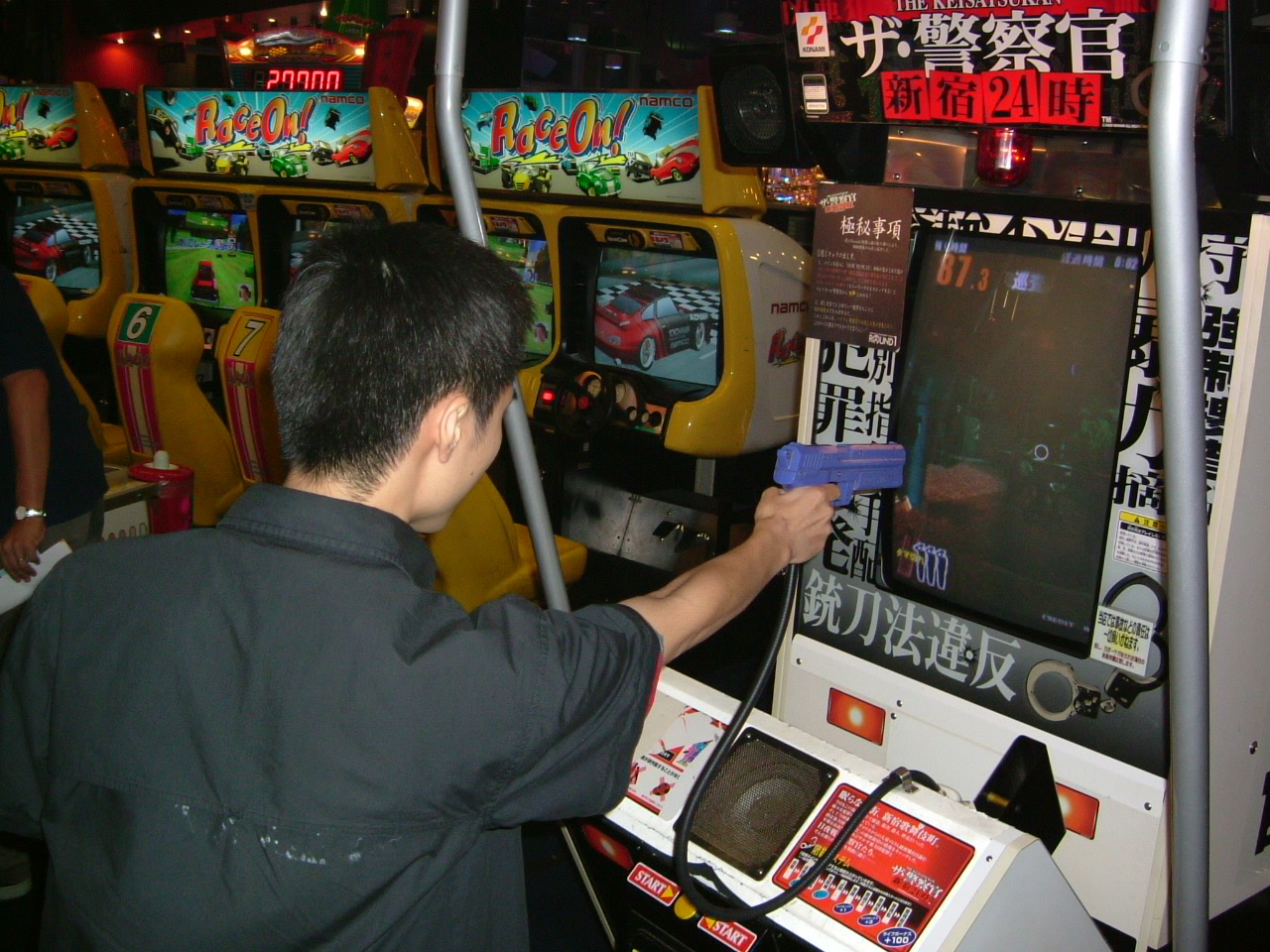
Creating an authentic experience for arcade style gallery shooters requires more than just downloading a title; it involves bridging the gap between classic physical controls and modern digital displays. Whether you are building a custom cabinet or simply optimizing a desktop rig, your choice of input hardware and environmental configuration will dictate your overall accuracy and enjoyment.
2.1 Hardware Selection and Input Technology
The soul of any gallery shooter is the light gun. When comparing infrared tracking systems—which typically utilize a sensor bar placed near the display—with optical sensors that track light patterns on the screen, the difference in feel is significant. Infrared setups offer robust compatibility with modern LCDs, while classic optical solutions often require traditional CRT monitors to function as intended. If you are aiming for a authentic feel, modern light gun replicas have bridged this gap, offering haptic feedback and high-precision sensors that mimic the weight and trigger pull of original arcade hardware without the need for cumbersome peripheral setups.
Display technology also plays a crucial role in response time. High-refresh-rate monitors or low-latency TVs are vital, as even minor input lag can make hitting fast-moving targets nearly impossible. For those looking to master [https://gameturn.net/target-practice-range-simulators-features-buyer-s-guide/” title=”Target practice range simulators”>target practice range simulators, ensuring your hardware supports a low-latency mode is the single most effective way to improve your reaction times during high-intensity sequences.
2.2 Configuring Your Gaming Environment
Optimizing your environment is essential to reduce input lag. Ensure your PC frontend launchers are configured to bypass unnecessary background processes, and calibrate your light gun software specifically for your room lighting conditions. When building a cabinet, consider ergonomics; the distance between the player and the screen should allow for natural arm movement, preventing fatigue during long sessions. Proper calibration of your software-to-hardware mapping is often overlooked, but taking the time to sync your crosshair position perfectly will significantly decrease misses in projectile avoidance shooters.
2.3 Troubleshooting and Advanced Maintenance
Calibration drift is a common frustration when playing on modern flat-panel displays. This usually occurs when the infrared sensor bar loses track of the controller’s position due to reflective surfaces or varying ambient light. To resolve this, always ensure your sensor bar is level and that there are no bright light sources directly behind or beside your monitor. Software compatibility across different generations can also be a hurdle, but using specialized driver suites or emulators designed for light gun support can help streamline the experience. Finally, keep your hardware clean; dust buildup on infrared lenses or sensor bars is the most common cause of erratic tracking, and regular maintenance will ensure your setup remains responsive for years to come.
Mastering arcade style gallery shooters is a journey that blends sharp reflexes with the technical satisfaction of a perfectly tuned setup. By focusing on predictive aiming, effective reload management, and the nuances of your hardware configuration, you can transform from a casual player into a high-scoring enthusiast. Whether you are navigating the intense chaos of projectile avoidance shooters or refining your precision in classic light gun titles, the key to progress lies in understanding the synergy between your gear and your personal technique.
As you continue to refine your skills, remember that the goal of these games is as much about the physical experience as it is about the digital score. Investing time in calibrating your display and optimizing your environment ensures that your reaction speed isn’t hampered by technical latency. If you find yourself craving more mechanical challenges beyond the gallery, exploring other stationary turret shooters can provide fresh tactical variety and help you test your combat instincts in new ways. Keep practicing, keep upgrading your setup, and most importantly, enjoy the classic thrill of the arcade experience from the comfort of your own home.