Whether you are stepping up to a virtual green felt table or exploring the mechanics of modern digital wagering, understanding risk management gambling games is the most important step toward maintaining long-term control. Many players view gambling through the lens of pure luck, but seasoned participants recognize that even games of chance operate within specific mathematical frameworks. By shifting your perspective from chasing instant wins to managing session variance, you can transform your approach from impulsive play to a calculated strategy. This guide covers the essential techniques for building a sustainable financial foundation, understanding how game volatility impacts your balance, and applying sound decision-making practices. Whether you are refining your virtual card table games or learning to navigate house edges, you will gain the practical tools needed to keep your gaming experience both disciplined and enjoyable. Success in the long run is not about beating the house every time, but about managing your exposure so you stay in the game longer.
1. Mastering Bankroll Management and Risk Assessment in Gambling Games
1.1 Establishing a Sustainable Financial Foundation
1.1.1 Calculating your total gambling bankroll versus disposable income
Effective risk management in gambling games begins with a clear understanding of your financial limits. A gambling bankroll should never be confused with essential funds like rent, utility payments, or emergency savings. Instead, view your bankroll as a fixed amount of disposable income you are comfortable losing entirely. By segregating these funds into a dedicated account, you create a psychological and practical buffer that prevents “dipping into” money meant for daily living. This foundation is the first step toward maintaining composure during streaks of variance.
1.1.2 Implementing strict unit sizing strategies for long-term play
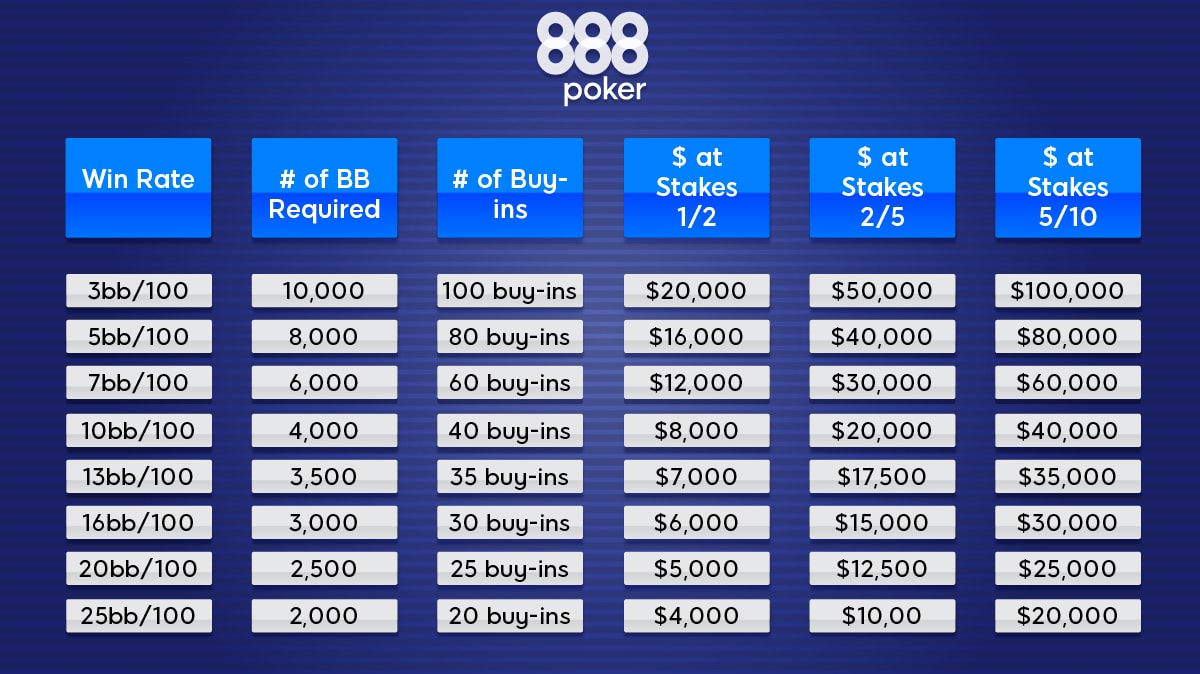
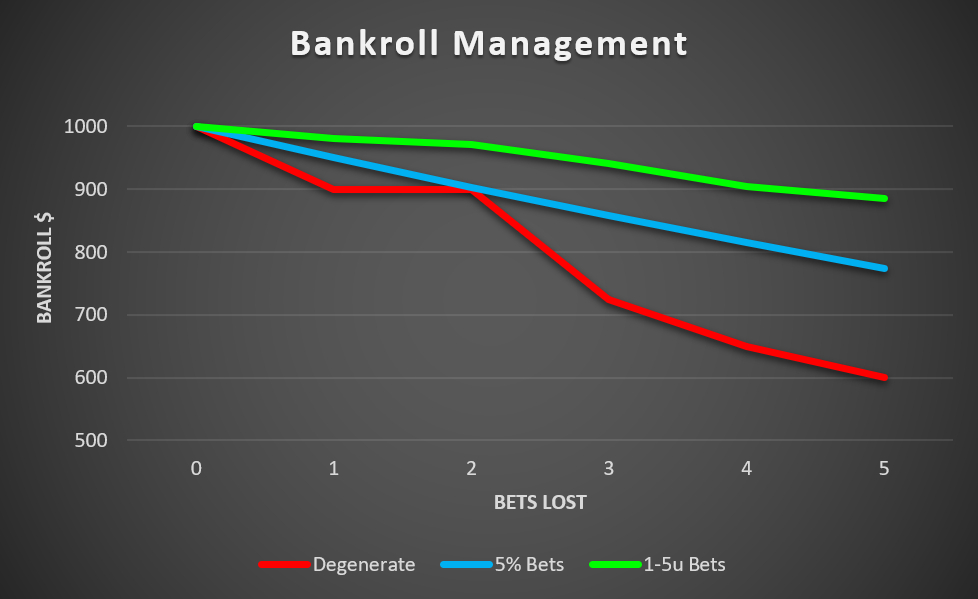
Once your bankroll is established, you must determine your unit size. A common rule among experienced players is to risk no more than 1% to 2% of your total bankroll on a single game or bet. This conservative approach allows you to withstand natural losing streaks—which are statistically inevitable in any probability based betting games—without exhausting your capital. By standardizing your bets, you remove the emotional impulse to increase wagers in an attempt to “recover” quickly, which is a common path to rapid bankroll depletion.
1.1.3 Defining specific stop-loss and take-profit thresholds
Discipline requires objective boundaries. Before you place your first bet, set a clear stop-loss limit for the session. If your losses reach this predetermined amount, you must walk away, regardless of how you feel. Similarly, establish a take-profit goal. Once you have reached a certain percentage of growth, consider locking in those gains. For those looking to refine these skills in a controlled environment, consistent table game strategy training is an excellent way to practice these habits without the pressure of live wagering.
1.2 Navigating Game Volatility and Mathematical Reality
1.2.1 Distinguishing between house edge, return to player, and variance
Understanding the mathematical structure of games is essential. The house edge represents the mathematical advantage the casino holds over time, while the Return to Player (RTP) percentage shows the theoretical payout back to the player. However, it is variance that most players feel in the short term. Variance refers to the swings between wins and losses. High-variance games might offer larger payouts, but they require a much larger bankroll to weather the frequent dry spells compared to low-variance games, which provide more consistent, smaller wins.
1.2.2 Analyzing the impact of game selection on session stability
Your choice of game dictates your exposure to risk. Games like blackjack or craps often allow for a lower house edge if played with optimal strategy, leading to a more stable experience. In contrast, games that rely heavily on luck often have higher volatility, which can drain a bankroll quickly. By choosing games that align with your risk tolerance and bankroll size, you directly control the speed and intensity of your session.
1.2.3 Identifying cognitive biases and the gambler fallacy in decision making
The “gambler’s fallacy”—the belief that if an event happens more frequently than normal during a period, it will happen less frequently in the future—is a major pitfall. In reality, each round of a game is independent. Recognizing that previous outcomes have no influence on the next hand is a critical component of risk management. Biases like confirmation bias, where you remember your wins and forget your losses, can distort your perception of your own skill and risk exposure.
1.3 Utilizing Quantitative Tools for Risk Mitigation
1.3.1 Applying the Kelly Criterion to optimize bet sizing
The Kelly Criterion is a mathematical formula used to determine the optimal size of a series of bets. By calculating the edge you have over the house and considering your bankroll, this tool suggests a percentage of your bankroll to wager that maximizes long-term growth while minimizing the risk of ruin. While complex, understanding the logic behind the Kelly Criterion helps you grasp why aggressive betting often leads to failure, even when the odds seem favorable.
1.3.2 Understanding expected value calculations for skill-based versus luck-based games
Expected Value (EV) is the average amount a player can expect to win or lose per bet placed over time. In skill-based games, such as applying a solid blackjack card strategy, your decisions can influence the EV. In purely luck-based games, the EV is usually negative. Knowing whether a game allows you to influence the outcome through skill or if you are purely subject to the house edge is vital for determining how much risk is “rational” to take.
1.3.3 Evaluating the role of hedging strategies in sports betting and complex wagers
Hedging involves placing bets on different outcomes to lock in a profit or minimize a potential loss. While this is more common in sports betting, the underlying concept of offsetting risk is a pillar of professional gambling. Hedging is not about winning more; it is about smoothing out the volatility of your results. By securing a smaller, guaranteed gain, you protect your bankroll from the uncertainty inherent in unpredictable outcomes.
2. Advanced Psychological Discipline and Regulatory Risk Management
Mastering the mathematical side of risk management gambling games is only half the battle. True proficiency requires a sophisticated level of psychological discipline to ensure that high-stakes environments do not cloud your judgment. Understanding how your mind processes wins and losses is essential for long-term consistency.
2.1 Managing Emotional Triggers and Behavioral Patterns
The human brain is wired to respond to the dopamine spikes associated with uncertainty and reward. When you engage in wagering, your physiology reacts to every turn of a card or spin of a wheel. Recognizing these biological cues—such as a racing heart or tunnel vision during a losing streak—is the first step toward regaining control. By staying aware of these physical responses, you can pause your session before your decision-making processes are compromised by emotional turbulence.
Objective systems are your best defense against the impulse to “chase losses.” A common trap is the belief that a win is “due” after a series of failures, a cognitive distortion known as the gambler’s fallacy. Instead of relying on gut feelings, adhere to pre-determined rules established during a calm state of mind. If you find your discipline slipping, implementing strict time-based boundaries serves as a vital circuit breaker, forcing you to step away and regain the cognitive clarity needed for logical, probability-based betting games.
2.2 Leveraging Responsible Gambling Infrastructure
Modern platforms offer a suite of tools designed to help you maintain boundaries. Utilizing features like deposit limits, loss caps, and self-exclusion periods is not a sign of weakness; it is a professional approach to managing your resources. These tools act as guardrails, ensuring that even if your emotional state wavers, your financial safety remains intact. Regularly reviewing your performance logs also provides an objective look at your habits, helping you differentiate between calculated strategic risk and the onset of problematic behavior.
If you are looking to refine your decision-making, practicing with virtual card table games can help you build the mental fortitude required for real-money scenarios without the immediate financial pressure. Recognizing the line between a strategic hobby and addictive behavior is paramount. Signs of trouble often include neglecting personal responsibilities or feeling a compulsive need to increase bet sizes to recreate past excitement.
2.3 FAQ: Essential Risk Management Queries
2.3.1 What is the most effective bankroll management strategy for beginners?
The most effective strategy is the fixed-percentage method, where you wager a small, consistent fraction—typically 1% to 2%—of your total bankroll on any single event. This protects your capital against unavoidable variance.
2.3.2 How does the house edge specifically impact daily risk levels?
The house edge ensures that, over time, the casino retains a mathematical advantage. On a daily basis, this means your “expected value” is negative, making it impossible to rely on skill alone to overcome the statistical reality of the house edge in the long run.
2.3.3 Can a player mathematically eliminate risk in casino games?
No. By definition, casino games incorporate an element of randomness. While strategy can reduce the house edge, it cannot eliminate it entirely. All gambling involves inherent risk of financial loss.
2.3.4 What immediate steps should be taken if chasing losses occurs?
Stop playing immediately. Step away from the environment, engage in a different activity to reset your dopamine levels, and perform a mandatory “cooling-off” period before returning to any strategy-based play.
2.3.5 Are there specific digital tools for tracking gambling performance?
Yes, many players use dedicated spreadsheets or dedicated bankroll tracking apps. These allow you to log every session, calculate your actual ROI, and spot emotional patterns that might be negatively impacting your results.
Mastering risk management in gambling games is not about finding a way to beat the house, but rather about gaining control over how you engage with chance. By establishing a firm financial foundation through strict unit sizing and clearly defined stop-loss thresholds, you transform gambling from a reactive pursuit into a disciplined activity. Remember that games of luck will always favor the house over the long term, so your success lies in your ability to preserve your bankroll and manage your emotional response during both winning and losing sessions.
Whether you are honing your skills at a virtual card table or simply testing your luck at the slots, the principles of probability and self-regulation remain your most effective tools. Use the quantitative strategies we have discussed to keep your play mathematically sound, and never hesitate to lean on responsible gambling infrastructure if you feel the game is no longer fun. By staying objective, tracking your performance, and knowing when to walk away, you ensure that your gaming remains an entertaining hobby rather than a source of unnecessary stress. Stay focused, play within your means, and keep your decision-making processes as sharp as your strategy.