There is something uniquely satisfying about sitting around a table with friends or family, working together to overcome a complex challenge. Cooperative board puzzle games have surged in popularity, offering a refreshing departure from competitive titles by shifting the focus toward shared problem-solving and collective triumph. Whether you are deciphering cryptic clues in an at-home escape room or coordinating complex moves to save a virtual world, these games demand communication, critical thinking, and a bit of creative spark. For those who enjoy testing their wits, finding the right experience can transform a standard weekend gathering into an unforgettable event.
In this guide, we will help you navigate the vast landscape of collaborative tabletop gaming. You will learn how to choose the right difficulty level for your group, understand the nuances of different mechanics, and discover how to foster true teamwork. By mastering these essentials, you can ensure your next game night is both engaging and rewarding for every player involved, regardless of their experience with strategy board games.
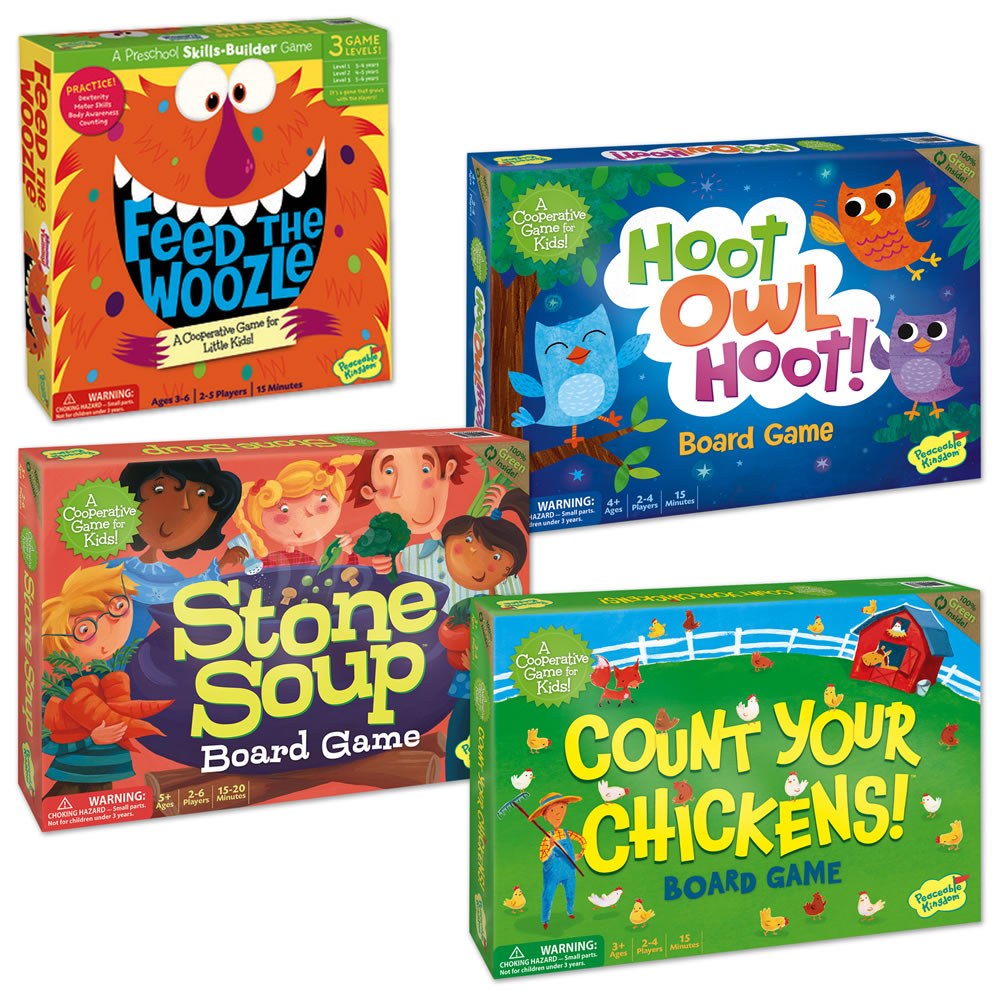
1. Selecting the Best Cooperative Board Puzzle Games for Your Group
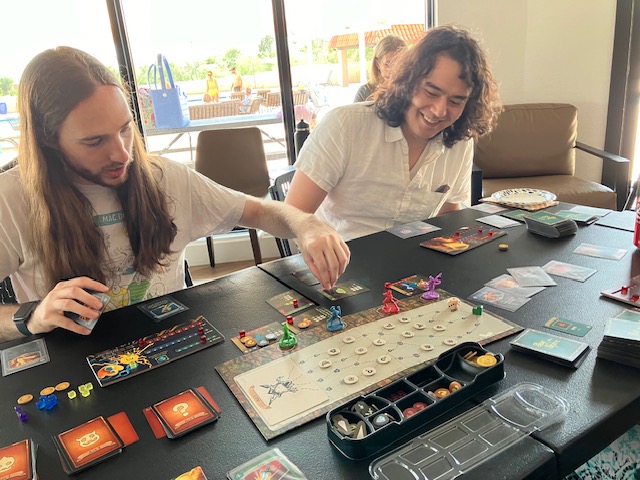
Choosing the right title is the most critical step in ensuring your game night is a success. Because cooperative board puzzle games rely on shared objectives, the experience is highly dependent on your group’s collective communication style and problem-solving preferences.
1.1 Understanding Mechanics and Player Experience
1.1.1 Distinguishing Between Escape Room Styles and Logic Challenges
Modern tabletop experiences often blur the lines between genres, but it is helpful to distinguish between “escape room” style games and traditional logic puzzles. Escape room games are typically narrative-driven, focusing on a specific sequence of discoveries within a fixed timeframe. Conversely, pure logic challenges often provide a sandbox of constraints where players must deduce the correct arrangement or sequence of pieces. Recognizing this difference helps you manage expectations regarding the intensity and pacing of your session.
1.1.2 Balancing Difficulty Levels for Casual Versus Strategy Groups
Matching the game’s difficulty to your group’s experience level prevents frustration. Casual groups generally favor intuitive mechanics that allow for quick entry and social interaction. If your group enjoys deep, analytical thinking, look for titles that emphasize complex strategy board games elements. These require careful planning and coordination, often rewarding players who can anticipate multiple steps ahead.
1.1.3 Evaluating Game Duration and Setup Requirements
Time is a precious resource during gatherings. Always check the box for the estimated playtime and the physical footprint required. Some titles offer quick, 30-minute sessions that are perfect for tight schedules, while others feature sprawling setups meant to anchor an entire evening of digital tabletop strategy enthusiasts or dedicated hobbyists.
1.2 Categorizing Cooperative Puzzle Experiences
1.2.1 Immersive Narrative and Legacy Campaign Games
These games treat the story as a central puzzle piece. As you progress, the board state or the rules themselves may evolve, creating a highly personal journey. These are ideal for consistent groups looking to commit to a multi-session experience.
1.2.2 Deduction and Social Reasoning Puzzles
These titles focus on information asymmetry. Players often have access to partial information and must communicate effectively—sometimes under strict constraints—to piece together the full picture. Success depends heavily on how well the group interprets verbal and non-verbal cues.
1.2.3 Abstract Pattern Matching and Spatial Puzzles
If your group prefers tactile satisfaction, look for spatial games. These involve manipulating physical components, such as tiles or blocks, to achieve a specific geometric configuration. They are often less dependent on language and more focused on visual intelligence.
1.3 Essential Factors for Choosing the Right Title
1.3.1 Matching Game Themes to Participant Interests
A theme acts as the hook that draws players in. Whether your group prefers cosmic horror, lighthearted mystery, or historical exploration, choosing a theme that resonates ensures everyone stays engaged until the final turn.
1.3.2 Determining Ideal Player Counts and Scaling Mechanics
Many multiplayer tabletop games function differently based on the number of participants. Always verify the sweet spot for a game; some puzzles are designed for two-player intimacy, while others scale their complexity to accommodate larger crowds.
1.3.3 Assessing Replayability and Component Destruction
Consider whether you prefer a one-and-done “experience” game—which may involve writing on or physically altering components—or a highly replayable system that offers different challenges each time. Your preference for permanence versus variety will dictate which collection-worthy title you choose.
2. Mastering the Cooperative Board Puzzle Games Experience
2.1 Curated Recommendations for Every Game Night
2.1.1 Top Beginner-Friendly Gateway Games
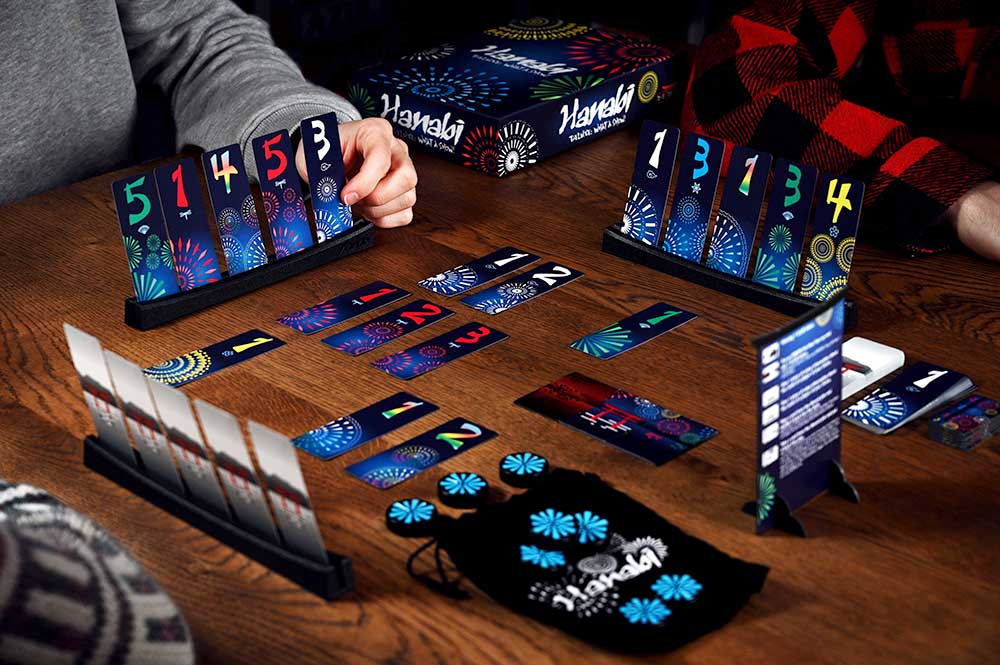
For groups new to cooperative board puzzle games, the goal is to find titles that introduce core mechanics without overwhelming players with complex rulebooks. Games like “The Crew” offer a fantastic entry point, utilizing trick-taking mechanics to facilitate communication through limited information. These games are excellent for casual players because they build foundational logical thinking skills in a low-pressure environment.
2.1.2 High-Stakes Strategy Puzzles for Enthusiasts
When your group is ready for something more demanding, look toward titles that incorporate multi-layered logic. These experiences often mirror the intensity of [digital tabletop strategy](https://gameturn.net/digital-tabletop-strategy-the-best-games-for-tacticians/) games, requiring deep analysis and foresight. Strategy-heavy puzzles often feature branching paths and time-sensitive elements that challenge seasoned players to plan several moves ahead to secure a victory.
2.1.3 Best Cooperative Titles for Duos and Large Groups
Finding the right game depends heavily on your player count. Two-player cooperative puzzles often emphasize tight coordination and shared focus, while larger groups require games with clear roles to prevent chaos. Selecting a title that scales well ensures that every participant remains engaged, whether you are solving a quick deduction puzzle as a couple or tackling an epic campaign with five friends.
2.2 Strategies for Facilitating Collaborative Success
2.2.1 Managing Alpha Gaming to Ensure Equitable Participation
Alpha gaming—where one dominant player dictates the moves for everyone else—is the quickest way to kill the collaborative spirit. To prevent this, focus on games that include hidden information or restricted communication. Encourage a “table talk” style where everyone must verbalize their intent before taking a turn, ensuring every voice contributes to the final strategy.
2.2.2 Effective Use of Hint Systems and Difficulty Tweak Mechanics
Many modern puzzles come with built-in accessibility features. If your group hits a wall, do not hesitate to use the provided hint decks or reduced-difficulty variants. Using these tools is not a sign of failure; rather, it is a strategic choice to maintain momentum and keep the game night enjoyable for everyone involved.
2.2.3 Best Practices for Teaching Rules and Maintaining Momentum
The key to a smooth session is preparing the rules before the group arrives. Try to learn the mechanics beforehand so you can teach them concisely, focusing on the goal and the win conditions rather than every minor edge-case rule. Keep reference cards accessible for all players so the action never stalls due to confusion.
2.3 Enhancing the Atmosphere and Play Environment
2.3.1 Curating Lighting and Soundscapes for Immersion
You can transform a simple table into a high-stakes adventure by adjusting the environment. Soft, warm lighting helps focus attention on the board, while curated instrumental playlists can heighten the tension during escape-room style challenges. Matching your audio to the game’s theme—whether it is a noir detective story or an ancient ruin exploration—deeply boosts player engagement.
2.3.2 Selecting Thematic Snacks to Complement the Gameplay
Food is a central part of any successful game night. For cooperative puzzles, choose “low-mess” snacks that allow players to keep their hands clean for moving components. Pair your snacks with the game’s theme, such as Mediterranean small plates for a historical mystery or bite-sized sweets that don’t require heavy silverware or cleanup.
2.3.3 Setting Up Physical Space for Collaborative Problem Solving
Ensure your table layout allows everyone to see the puzzle components clearly from their seat. If the game involves reading cards or analyzing a shared map, make sure the orientation of the board is accessible. A clutter-free space is essential for collaborative problem solving, as it keeps the focus on the game pieces rather than competing with dinner plates or drink coasters.
2.4 Frequently Asked Questions About Cooperative Puzzles
2.4.1 Navigating Deadlocks and Getting Unstuck During Gameplay
If your group feels permanently deadlocked, take a mandatory five-minute break. Stepping away from the table often provides the mental reset needed to spot a missed clue or a flawed logic chain. Re-read the objectives aloud together; sometimes, simply reframing the problem helps the group see a solution that was previously hidden in plain sight.
2.4.2 Understanding One-Time Use Versus Reusable Game Formats
It is vital to know if your game is a “legacy” or “disposable” style puzzle before you start. Some games require you to rip, fold, or permanently mark components. If your group prefers games you can pass on to friends later, prioritize reusable boxed sets. Always verify the format on the back of the box to avoid accidentally destroying a component that could have been preserved.
2.4.3 Exploring Solo Play Modes for Cooperative Titles
Many cooperative board games are designed with robust solo modes, allowing you to practice your logic skills even when the group can’t meet. Playing solo is an excellent way to learn complex rules and experiment with different strategies at your own pace, ensuring you are fully prepared to lead the group during your next formal game night.
Finding the perfect cooperative board puzzle games is about more than just picking a box off the shelf; it is about choosing an experience that resonates with your group’s unique dynamic. Whether you are looking for high-stakes deduction, immersive narrative campaigns, or fast-paced pattern matching, the key to a memorable game night lies in balancing the challenge level with the shared goals of your players. By considering the mechanics, player counts, and the atmosphere you want to cultivate, you can transform a standard evening into a deeply engaging social event that celebrates collective success.
As you continue to explore the vast world of tabletop gaming, remember that the best sessions are those where everyone feels involved and heard. If you find your group enjoys the tactical intensity found in puzzle-solving, you might also want to branch out into turn based hex board games for a different flavor of collaborative or competitive strategy. Ultimately, the joy of these games comes from the moments of shared discovery, the “aha!” breakthroughs, and the camaraderie built while navigating complex puzzles together. Grab your favorite game, set the stage, and enjoy the satisfaction that comes with solving a challenge as a team.