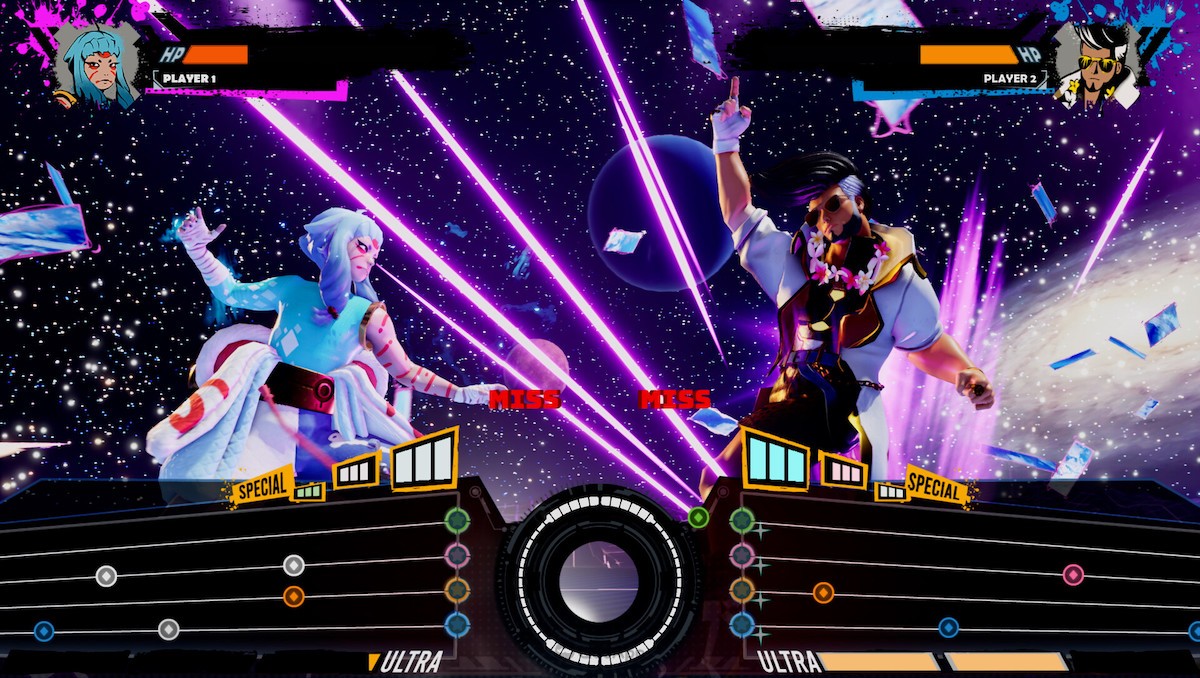
In the evolving world of digital performance, mastering choreography simulation rhythm has become an essential bridge between creative vision and technical execution. Whether you are a solo developer crafting immersive dance rhythm games or a choreographer looking to visualize complex group patterns, the ability to translate movement into a structured digital framework is a game-changer. By aligning physical motion with precise time signatures, performers and designers can transform abstract concepts into synchronized, high-impact routines. This guide explores the intricate intersection of spatial design, auditory sync, and digital mapping. You will learn how to leverage audio-visual sync puzzles to refine your timing, master the art of floor coverage, and apply professional simulation strategies to your next performance. Whether you are aiming to improve your technical precision or build more dynamic dynamic tempo arcade games, understanding these simulation tools will help you achieve a new level of coherence and artistic flow in every sequence you design.

1. Mastering Choreography Simulation Rhythm and Spatial Design
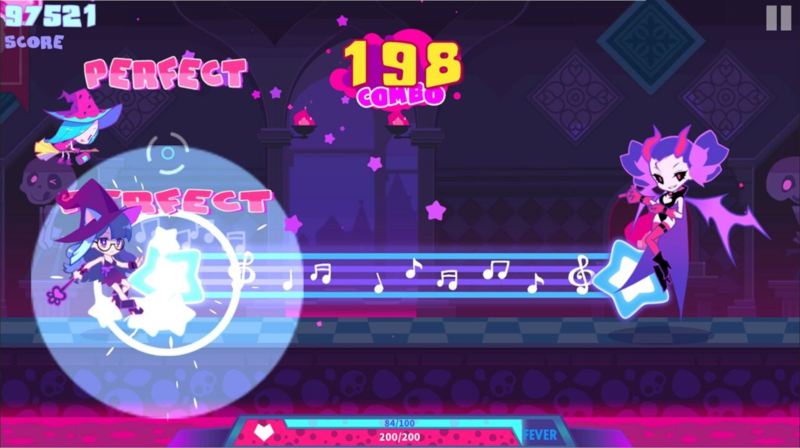
1.1 The Science of Digital Dance Planning
Choreography simulation rhythm acts as a bridge between abstract musical ideas and concrete movement. At its core, this practice serves as a tool for temporal precision, allowing creators to map physical actions against a timeline with millisecond accuracy. By treating dance as a sequence of input data, choreographers can eliminate guesswork and ensure that every gesture aligns perfectly with the intended beat.
The field has evolved significantly from traditional manual diagrams—often messy sketches on napkins or static spreadsheets—to sophisticated interactive digital environments. These modern platforms allow for the manipulation of movement in real-time, providing a sandbox where artistic intent meets mathematical precision. Understanding this shift is essential for anyone looking to refine their visual rhythm sequencing, as these tools transform complex performance logistics into manageable, data-driven tasks.
Beyond the technical advantages, visual rhythm mapping offers profound psychological benefits for dancers. By providing a clear, synchronized preview of the performance, it reduces the cognitive load during rehearsal. Dancers can visualize their trajectory before hitting the stage, which fosters a sense of security and boosts performance confidence during live shows.
1.2 Essential Frameworks for Stage Geometry
Success in choreography relies as much on spatial awareness as it does on timing. Mastering stage geometry requires a deep understanding of floor coverage and how bodies move within a confined space. A high-quality simulation environment forces the creator to account for every square foot, ensuring that the movement feels intentional rather than haphazard.
Calculating optimal spacing is a critical safety and aesthetic measure to prevent path collisions. Through 3D rendering, choreographers can stress-test their patterns, identifying potential bottlenecks where dancers might cross paths dangerously. This proactive approach to stage design allows for a more fluid, organic performance.
Finally, aligning audience perspectives with 3D stage rendering ensures the spectacle reaches its maximum impact. What looks balanced from an overhead view may appear cluttered from the front row. Simulation tools allow you to toggle camera angles, ensuring that the group’s formations remain visually compelling from the audience’s viewpoint throughout the entire routine.
1.3 Rhythm Integration and Synchronization Techniques
True synchronization comes from the deep integration of dance movements with the underlying musical structure. Mapping sequences to specific time signatures is the foundation of professional choreography; it prevents the drift that occurs when performers lose track of the count. By anchoring each movement to a specific beat or bar, you ensure the performance remains tight and responsive.
Utilizing BPM (beats per minute) is the most efficient way to pace complex formation transitions. Whether you are managing a slow, lyrical transition or a high-energy shift, BPM data acts as your metronome, keeping the tempo consistent across the entire group. This disciplined pace is what separates amateur routines from professional, polished performances.
Finally, developers and choreographers alike rely on identifying cadence markers within digital audio workspaces. These markers act as anchors, signaling exactly when a transition should begin or end. By syncing your choreography simulation rhythm to these audio-visual landmarks, you create a cohesive performance where the dancers and the music are perfectly in lockstep.
2. Practical Implementation and Advanced Choreography Simulation Rhythm Strategies
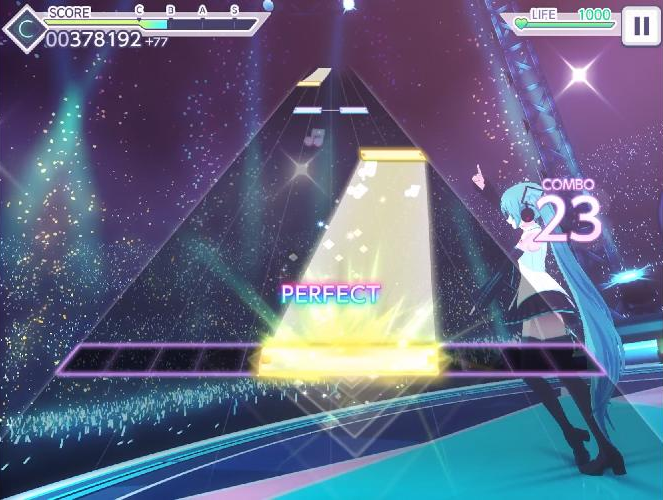
2.1 Workflow Guide for Choreography Software
Implementing choreography simulation rhythm tools requires a structured digital pipeline to ensure your creative vision translates accurately to the physical stage. Start by configuring your workspace with venue-specific accuracy. Most professional suites allow you to input precise stage dimensions, wing space, and apron depth. By setting these boundaries early, you prevent the common pitfall of designing sequences that are physically impossible to execute in the allocated performance area.
Once the environment is set, focus on managing individual dancer assets. Assign unique roles or “IDs” to your digital performers to track their specific movement paths throughout the piece. This granular level of control is essential for complex transitions where timing is everything. When you are satisfied with the sequence, export your digital blueprints for rehearsal documentation. These visual aids serve as a vital reference for live dancers, helping them visualize their spacing and timing before they ever step into the studio.
If you encounter pathing or timing discrepancies, return to your core timeline. Often, these issues stem from neglecting the underlying musical structure. Use your software’s beat-snapping features to realign movement triggers with the audio, ensuring that every transition is anchored to the correct beat. For those looking to refine their timing, exploring visual rhythm sequencing can offer deeper insight into how digital inputs align with auditory cues.
2.2 Advanced Tactics for Complex Performance
Moving beyond basic formations, you can use simulation to master the nuances of performance physics. To achieve dynamic impact, simulate acceleration and deceleration curves for your dancers. Movements that maintain a consistent velocity often look robotic; by layering in varying speeds, you mimic the natural momentum of a live performer, creating a more professional and captivating aesthetic.
When designing group lifts, leverage 3D skeletal animation to check for balance and physics safety. These simulations allow you to test center-of-gravity shifts between dancers, identifying potential support issues before they reach the rehearsal floor. Furthermore, don’t shy away from intentional asymmetry to create visual tension. While symmetry provides a sense of order, alternating between balanced and off-balance formations keeps the audience engaged and highlights the narrative arc of the choreography.
2.3 Bridging the Gap Between Simulation and Studio Performance
The true power of digital choreography lies in its ability to bridge the gap between abstract design and physical muscle memory. When introducing your digital patterns to a live ensemble, avoid overwhelming them with technical jargon. Instead, use your exported floor plans and timing maps as a shared language. Walk the dancers through the “why” behind the movement, explaining how the digital rhythm informs their spatial relationship with their peers.
Finally, always plan for scalability. A formation that works perfectly on a large concert stage may feel cluttered in a smaller black-box theater. Create “adaptive” versions of your simulation models that can be scaled down, ensuring that the integrity of your choreography remains intact regardless of the venue’s specific constraints.
2.4 Frequently Asked Questions About Choreography Tools
Integrating simulation into your professional workflow doesn’t mean replacing your creativity; it means augmenting it. Professionals often start by mapping foundational movements in digital suites before allowing for spontaneous, organic changes during live studio sessions. The key is to view technology as a tool for clarity, not a restriction on artistic intuition.
When choosing between entry-level apps and full 3D suites, consider your specific needs. Entry-level tools are excellent for quick formation planning and simple spacing checks. However, if your work requires complex 3D rendering or character-specific physics testing, investing in professional-grade software is necessary to handle the increased technical load. Ultimately, balancing your digital models with your unique creative vision will result in performances that are both technically precise and deeply expressive.
Mastering choreography simulation rhythm is far more than a technical exercise; it is the bridge between creative vision and precise execution. By leveraging digital tools to map movement, you gain the ability to refine spatial awareness, perfect timing, and ensure your ensemble operates in total harmony. Whether you are scaling your choreography for different venue sizes or simply looking to sharpen your own performance skills, the integration of these digital frameworks allows for a level of precision that manual planning simply cannot match. If you are interested in exploring how these concepts extend beyond the stage, check out our guide on visual rhythm sequencing to further improve your ability to translate complex patterns into fluid, synchronized actions.
As you continue to refine your workflow, remember that technology is a powerful partner, but your artistic intuition remains the heartbeat of every routine. The most compelling performances are those where technical accuracy supports, rather than replaces, the organic expression of the dancers. By treating choreography simulation rhythm as a foundational tool rather than a restrictive rule set, you empower yourself to push boundaries and create more dynamic, memorable performances. Stay curious, keep iterating on your digital blueprints, and let these simulations serve as the roadmap for your next great stage production.