If you have ever stared at an empty Digital Audio Workstation project feeling overwhelmed, you are not alone. Many musicians suffer from the dreaded blank canvas effect, where the endless possibilities of modern production lead to creative paralysis. This is where music composition mini games offer a powerful, practical solution. By shifting your focus from the pressure of “making a masterpiece” to the playful engagement of structured, small-scale challenges, you can unlock a new level of creative flow. Whether you are experimenting with rhythm music games to sharpen your internal clock or diving into audio-visual sync puzzles to enhance your structural timing, these exercises provide the perfect framework for artistic growth. In this guide, we will explore how to use intentional constraints and playful drills to master visual rhythm sequencing and build a more consistent, intuitive approach to your music production workflow.
2. Progressive Music Composition Mini Games for Skill Acquisition

Treating music production as a series of gamified drills can transform your creative output. By moving through progressive levels, you transition from basic rhythmic awareness to complex arrangement strategies, effectively treating composition as a pattern recognition game that sharpens your ears and technical speed.
2.1 Foundational Level Drills for Producers and Songwriters
Building a solid foundation starts with isolating individual musical elements. These foundational drills remove the pressure of full-scale production, allowing you to focus on internalizing timing and structure.
2.1.1 Beginner Vocal Percussion and Rhythm Looping
Start by recording a simple, four-bar loop using only your voice. Mimic a kick, snare, and hi-hat sequence to establish a beat. This exercise forces you to internalize tempo without relying on a grid, which builds an intuitive sense of timing that carries over when you eventually move to software-based sequencing.
2.1.2 Intermediate Minimalism Using Three Pitch Constraints
Limit yourself to exactly three distinct notes. By removing the vast selection of scales and chords, you are forced to explore the rhythmic possibilities and phrasing of those three pitches. This constraint-based play highlights how melody is essentially a rhythmic placement of tones, teaching you to find depth within simplicity.
2.1.3 Advanced Subtractive Composition Techniques
Create a dense, cluttered loop that is intentionally over-produced, then play a mini game of subtraction. Remove one element per pass—a percussion hit here, a synth layer there—until you find the point where the arrangement loses its identity. This teaches you the power of negative space and how to identify the essential “hook” of a track.
2.2 Strategies for Workflow Integration and Long-Term Development
Turning these exercises into a sustainable habit requires a structured approach to your daily routine. Consistent practice is the only way to move these skills from conscious effort to subconscious habit.
2.2.1 Establishing a Daily Ten-Minute Practice Habit
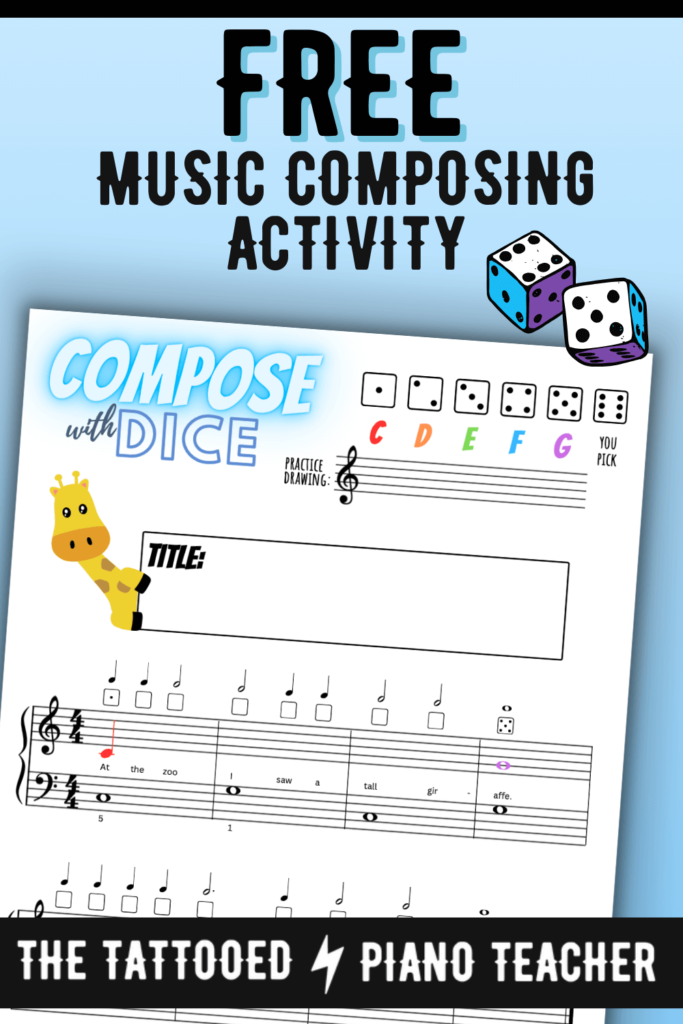
Dedicate ten minutes before your primary production session to a “mini game.” Use a random MIDI generator to create a melody you must resolve, or set a timer to finish a drum pattern. This clears the creative cobwebs and prepares your mind for the task ahead.
2.2.2 Developing a Portfolio of Ideas from Experimental Sketches
Save every successful mini game session into a dedicated folder. These are not full songs; they are “creative seeds.” By building a library of these experiments, you create a resource you can revisit when you face writer’s block, turning old sketches into new inspiration.
2.2.3 Leveraging Collaborative Platforms for Competitive Growth
Participate in online communities that host weekly remix or composition challenges. Competing against others under specific constraints—such as using only a pre-set sample pack—adds a layer of external accountability that forces you to optimize your workflow for speed and impact.
2.2.4 Utilizing Feedback Loops to Refine Mini Game Outputs
After completing a challenge, step away for an hour before listening. When you return, evaluate the output not on its complexity, but on how effectively it met the specific constraints of the exercise. Use this objective critique to adjust your rules for the next session, creating a self-improving loop of development.
Incorporating music composition mini games into your daily creative routine is more than just a playful exercise; it is a powerful method for breaking through creative blocks and sharpening your production intuition. By embracing structured rhythm music games and visual rhythm sequencing, you move beyond the intimidation of a blank project file and toward a more fluid, confident workflow. These music rhythm challenges teach you how to make intentional, high-impact decisions under pressure, ensuring that your time in the studio is spent creating rather than overthinking.
Whether you are a seasoned producer or a beginner looking to improve your technical prowess, remember that consistency is the key to progress. As you experiment with audio-visual sync puzzles and minimalist composition drills, you will find that these bite-sized sessions translate into faster, more refined arrangements in your professional work. If you enjoy the challenge of applying logic to artistic endeavors, you might also find that mastering deduction-based mystery games offers a similar, complementary cognitive workout. Keep practicing, stay curious, and let these playful experiments fuel your next musical breakthrough.