At first glance, color sorting logical tasks may appear to be simple, repetitive exercises. However, beneath the surface of these colorful arrangements lies a sophisticated training ground for the human brain. By engaging in these types of activities, you are doing far more than just tidying up virtual or physical objects; you are actively strengthening your executive functions and enhancing your ability to process complex information. Whether you are navigating intricate pattern recognition games or simply organizing your digital workspace, your brain is busy refining its efficiency, focus, and analytical depth.
In this guide, we will explore how color sorting logical tasks serve as an accessible yet powerful tool for cognitive development. You will learn the science behind why these puzzles help build stronger neural pathways, how they bridge the gap between concrete visual identification and abstract reasoning, and how you can implement progressive challenges into your daily routine to keep your mind sharp. By the end of this article, you will have a clear roadmap for leveraging simple sorting logic to boost your overall mental performance and problem-solving agility.
1. Understanding the Cognitive Impact of Color Sorting Logical Tasks
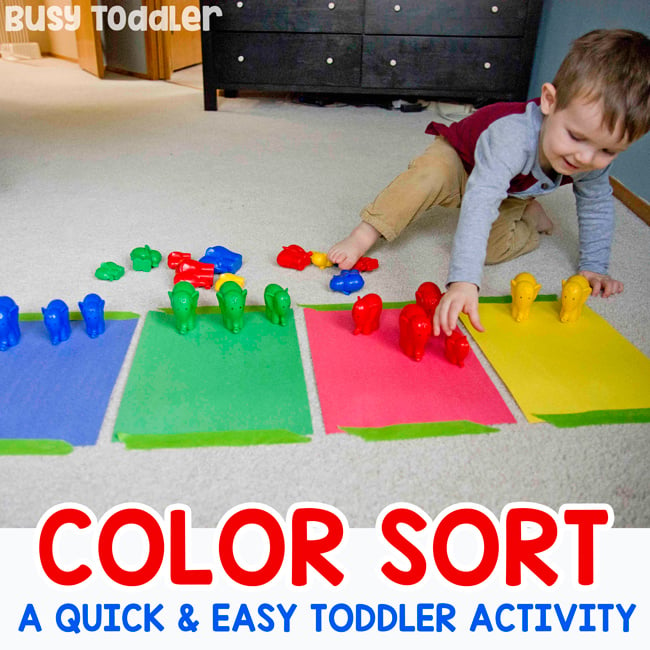
1.1 The Science of Categorization and Brain Development
1.1.1 How Visual Discrimination Strengthens Neural Pathways
Color sorting logical tasks serve as an excellent workout for the brain by challenging our visual system to distinguish between subtle hues, shades, and patterns. When we engage in these activities, the brain must actively process visual input, identify differences, and make split-second decisions based on color properties. This consistent exercise strengthens the neural pathways responsible for visual discrimination. Over time, the brain becomes more efficient at filtering out extraneous sensory information, allowing for faster and more accurate processing of visual stimuli in other areas of daily life.
1.1.2 From Concrete Recognition to Abstract Logical Classification
Beyond simple observation, sorting by color acts as a gateway to abstract reasoning. Initially, the task involves concrete recognition—identifying that a blue object belongs with another blue object. As the complexity of these tasks increases, the brain shifts toward abstract logical classification. You begin to understand relationships, categories, and systems rather than just individual items. This cognitive transition is a foundational step in developing the complex analytical skills required for more advanced pattern recognition games, where recognizing underlying rules is more important than the specific objects being sorted.
1.2 Developmental Advantages Beyond Visual Sorting
1.2.1 Enhancing Executive Functions Including Working Memory and Inhibitory Control
Engaging in structured sorting exercises does far more than keep hands busy; it demands significant cognitive load. These tasks directly engage executive functions—the mental processes that allow us to plan, focus attention, and juggle multiple tasks. By keeping track of where items belong and resisting the urge to place them randomly, you are actively training your working memory and inhibitory control. This “mental braking” capability is essential for managing impulses and maintaining concentration during high-pressure situations or complex work projects.
1.2.2 Building Mathematical Foundations Through Sets, Patterns, and Probability
Color sorting is essentially an introduction to set theory. When you organize a mixed pile into distinct color groups, you are creating sets, understanding cardinality, and recognizing patterns in distribution. These skills lay the groundwork for numerical logic. By observing how many items fall into specific color categories, you also gain a primitive but effective understanding of probability and data distribution. This analytical mindset is the perfect starting point for anyone looking to bridge the gap between simple visual puzzles and more intense numerical logic challenges.
1.3 The Role of Tactile Engagement in Cognitive Processing
1.3.1 Why Physical Object Manipulation Outperforms Digital Alternatives
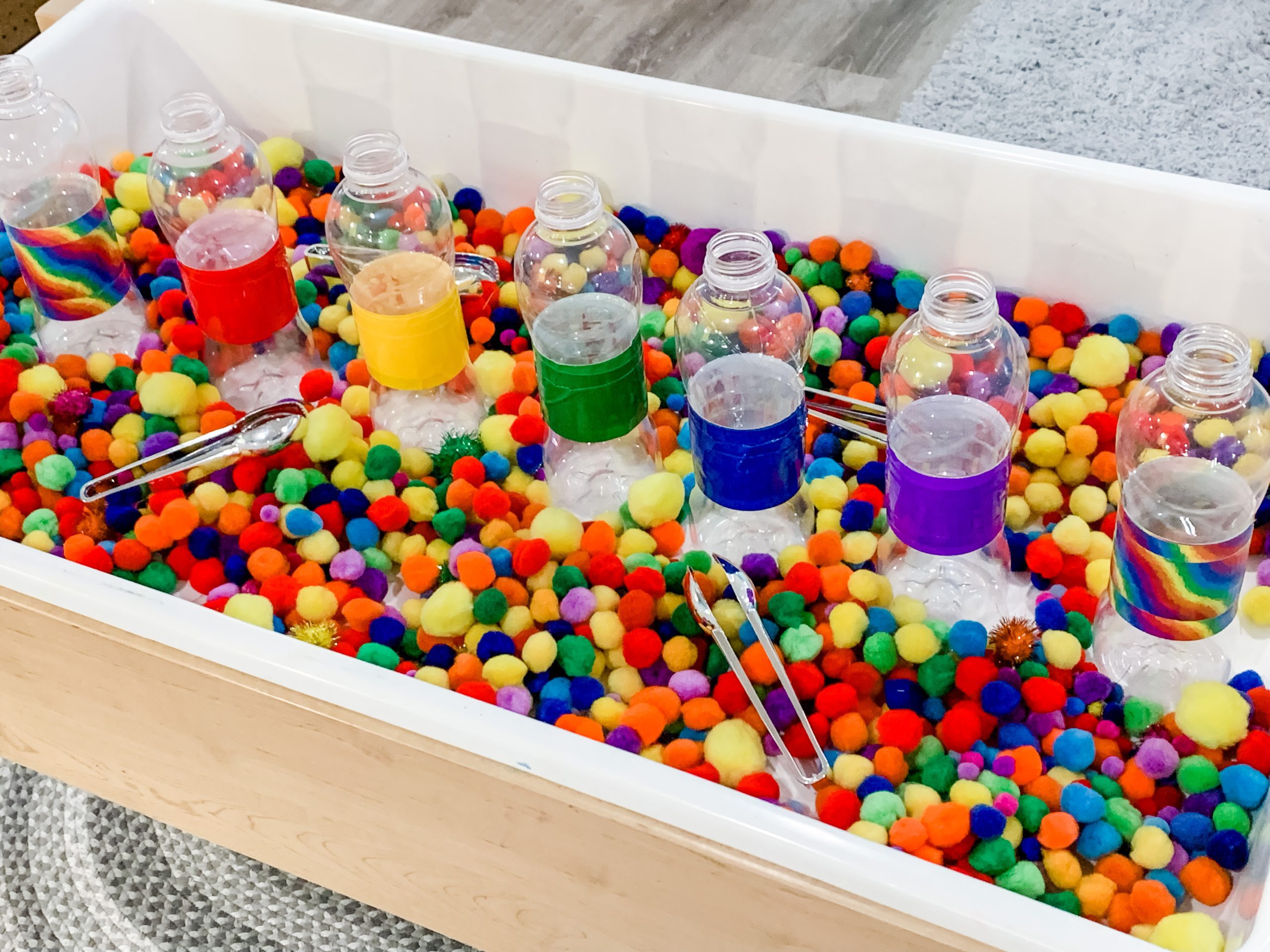
While digital apps offer convenience, physical object manipulation provides a unique sensory feedback loop that is vital for cognitive development. The act of feeling the texture, weight, and edges of an object provides the brain with tactile data that reinforces the visual input. This multi-sensory engagement creates a deeper “memory trace” in the brain. When you physically touch and move objects, you are grounding your logical thought process in the physical world, which can lead to better retention and sharper cognitive stamina compared to purely screen-based interactions.
1.3.2 Connecting Fine Motor Skills to Executive Function Performance
Fine motor skills and executive functions share a tight neurological link. The precision required to grasp, move, and arrange objects—whether they are colorful blocks or complex tokens—activates the motor cortex and the prefrontal cortex simultaneously. This synchronization ensures that your brain’s “planning” center is in constant communication with the “action” center. By refining your fine motor control through sorting tasks, you are effectively reducing the physical friction between having a thought and executing that thought, leading to more fluid problem-solving performance across all areas of life.
2. Implementing Progressive Color Sorting Logical Tasks for Skill Mastery
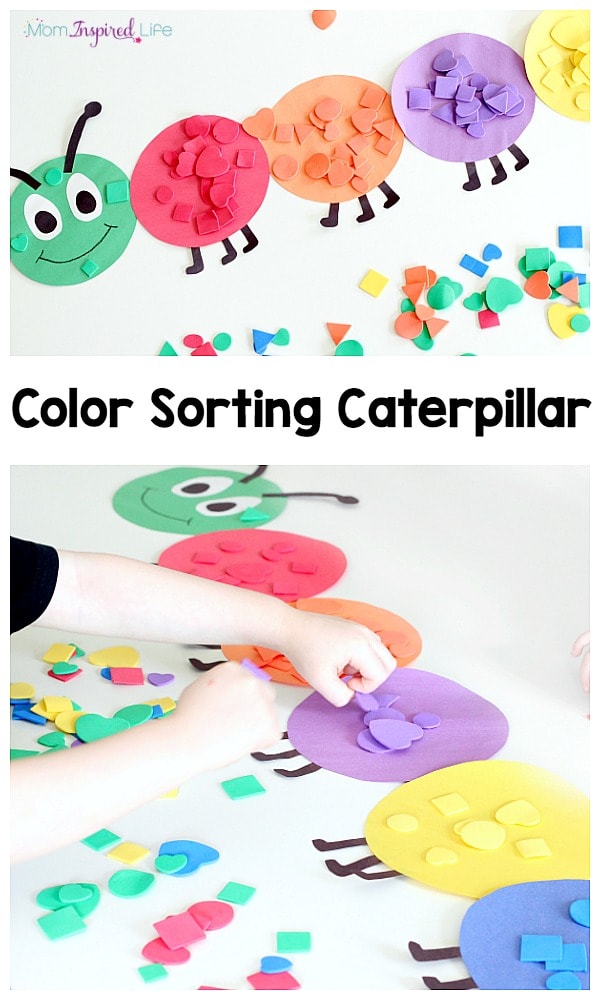
Mastering color sorting logical tasks requires a shift from simple recognition to complex strategy. By utilizing a structured framework, you can transform basic sorting activities into effective brain training that evolves alongside your cognitive abilities.
2.1 Structured Frameworks for Graded Learning
To see real cognitive gains, move beyond random sorting and embrace a scaffolded approach. This allows your brain to adapt to increasing levels of informational complexity without reaching the point of frustration.
2.1.1 Foundational Matching for Early Cognitive Development
Start with basic binary sorting—grouping items by a single color trait. This builds the initial neural pathways necessary for visual discrimination. By focusing on identifying specific hues, you establish a baseline for speed and accuracy that serves as the foundation for all future mental training.
2.1.2 Multi-Attribute Sorting Using Texture, Size, and Color
Once basic sorting feels intuitive, increase the challenge by introducing secondary variables. Sorting items by color while simultaneously accounting for size or texture forces your brain to juggle multiple streams of information. This mimics the complexity of real-world problem-solving, where you must synthesize disparate data points to reach a single, logical conclusion.
2.1.3 Advanced Logical Matrices and Venn Diagram Categorization
Progress to advanced logical matrices where items may belong to overlapping categories. Utilizing a Venn diagram approach to sort objects allows you to practice set theory and deductive reasoning. These exercises bridge the gap between simple visual tasks and abstract data analysis, much like the mental agility required in numerical logic challenges.
2.2 Practical Application and Problem Solving in Daily Routines
Logic is best refined when applied consistently. Transforming your environment into a laboratory for cognitive growth ensures that your brain remains engaged throughout the day.
2.2.1 Creating Dedicated Sorting Stations to Foster Independent Thinking
Designate a specific physical space for logical tasks. Having a consistent “sorting station” removes environmental variables, allowing you to focus entirely on the mechanics of the puzzle at hand. This environment fosters deep work and concentration.
2.2.2 Gamification Strategies to Sustain Focus and Persistence
Introduce timers or objective-based milestones to your sorting sessions. Gamifying your practice adds a layer of healthy pressure, which can improve cognitive endurance. Tracking your completion time against personal records encourages consistent improvement.
2.2.3 Troubleshooting Frustration and Adapting to Individual Learning Needs
If a task feels impossible, identify the breakdown. Are you struggling with the number of attributes or the speed required? Simplify the task temporarily—perhaps by reducing the number of categories—before adding complexity back in. True progress is about gradual adaptation, not immediate perfection.
2.3 Cognitive Benefits for Diverse Age Groups
Sorting tasks are inherently inclusive because they rely on fundamental visual and logical processes that benefit everyone regardless of their starting point.
2.3.1 Adapting Tasks for Sensory-Inclusive Learning Environments
For those sensitive to overstimulation, focus on calming color palettes and consistent, non-distracting textures. Logical sorting in a controlled sensory environment can actually serve as a grounding exercise, helping to regulate focus and reduce mental clutter.
2.3.2 Using Advanced Logical Sorting to Support Adult Cognitive Health and Mindfulness
For adults, these tasks provide an excellent opportunity for mindfulness. By focusing intently on the sorting process, you can achieve a “flow state” that lowers stress. Advanced logical sorting serves as a mental workout that helps maintain executive function and keeps the mind sharp, reinforcing the ability to categorize information efficiently in daily life.
Color sorting logical tasks are far more than simple exercises; they are vital tools for sharpening executive function, improving focus, and fostering a structured approach to problem-solving. By engaging with these puzzles, you aren’t just organizing colors; you are training your brain to recognize complex patterns and refine your decision-making processes. Whether you are using these tasks to support child development, maintain adult cognitive health, or simply enjoy the meditative benefits of systematic organization, the cumulative effect is a more resilient and agile mind.
As you progress from basic matching to advanced logical matrices, you will find that the mental clarity gained from these activities spills over into your daily life. If you are looking to push your cognitive boundaries even further, consider exploring numerical logic challenges to build upon the sequencing skills you have already developed. By consistently challenging your brain with varied logic puzzles, you create a sustainable habit of mental growth. Stay curious, keep practicing, and enjoy the ongoing journey of strengthening your intellect through the power of play and purposeful organization.