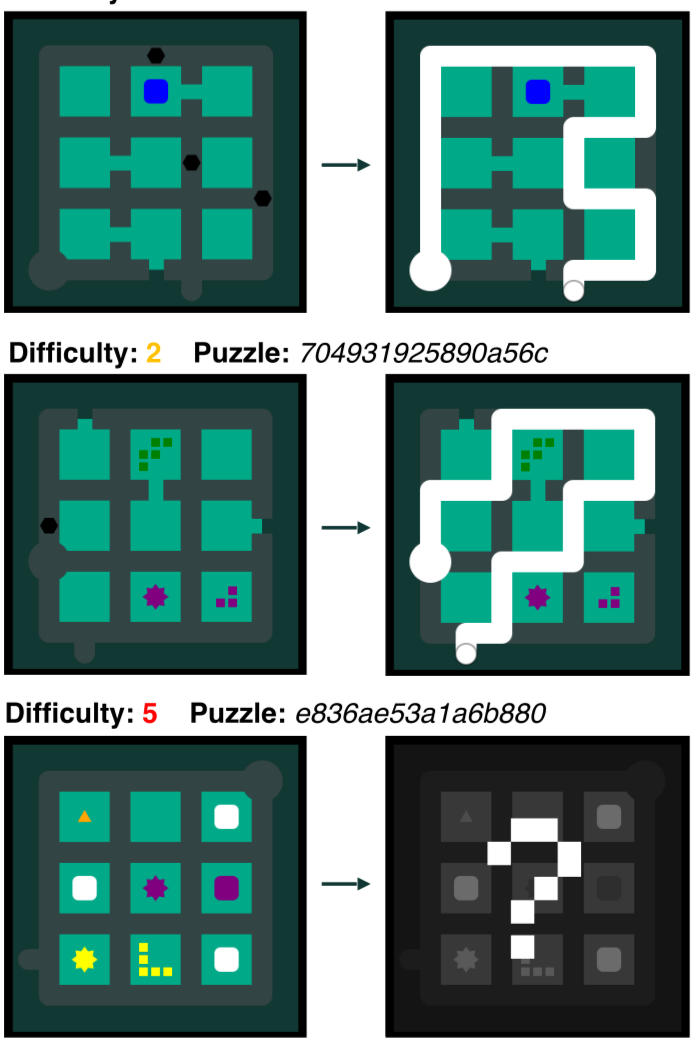
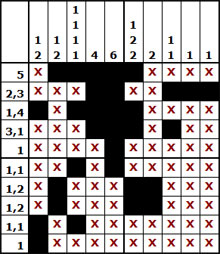
Have you ever stared at a complex level, completely stumped by how to get from point A to point B? Whether you are navigating intricate digital dungeons or working through clever pathfinding logic puzzles, the challenge lies in seeing the invisible connections between obstacles. These brain teasers are more than just simple diversions; they are sophisticated exercises in planning, foresight, and systematic deduction. Because these challenges rely heavily on spatial reasoning riddles, mastering them requires shifting your perspective from merely reacting to the board to analyzing the underlying structure of the environment.
In this guide, we will break down the essential techniques used by expert solvers to conquer even the most daunting puzzles. You will learn how to identify mandatory routes, deconstruct complex movement constraints, and apply proven methodologies to improve your efficiency. Whether you are interested in block sliding brain teasers or simply want to sharpen your problem-solving speed, understanding the logic behind the path is your first step toward mastery.
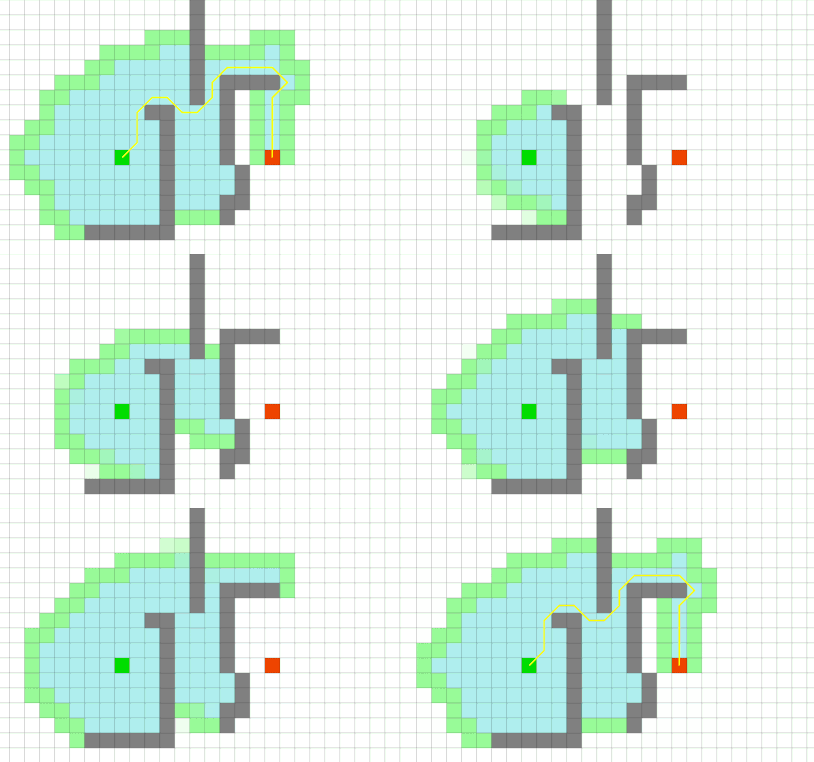
1. Foundational Principles and Techniques for Solving Pathfinding Logic Puzzles
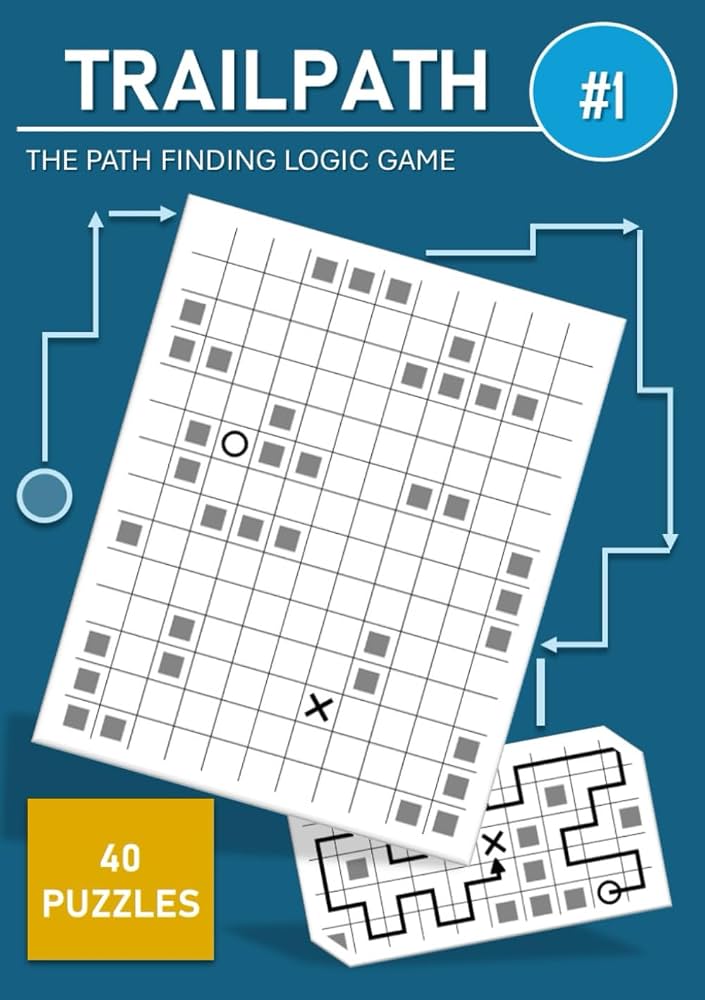
Mastering pathfinding logic puzzles requires more than just trial and error; it demands a structured approach to decoding the geometry and constraints of the playing field. Whether you are navigating intricate spatial reasoning riddles or complex digital labyrinths, the core challenge remains the same: identifying the most efficient route through a set of obstacles.
1.1 Analyzing the Structural Components of Grid and Connectivity Puzzles
1.1.1 Defining Nodes, Edges, and Movement Constraints
Every puzzle begins with a map. Nodes represent your start, end, and transition points, while edges represent the paths connecting them. Movement constraints act as the rules of the road, dictating whether you can move diagonally, only in straight lines, or through specific gates. Identifying these boundaries early prevents wasted moves.
1.1.2 Distinguishing Between Mandatory Checkpoints and Optional Routes
Not every path is essential. Advanced puzzles often include “red herrings” or optional paths that tempt you away from the objective. By marking mandatory checkpoints first, you effectively shrink the board, allowing you to prioritize the skeleton of the solution before filling in the decorative details.
1.1.3 Recognizing Geometric Patterns and Spatial Boundaries
Most puzzles rely on repeating motifs. By observing the boundary shapes, you can often predict where a path must lead. Recognizing symmetry or recurring dead-ends allows you to eliminate entire sectors of the grid from your calculations instantly.
1.2 Essential Problem Solving Methodologies for Beginners
1.2.1 Mastering the Reverse Engineering Technique Starting from the Goal
When you feel stuck, work backward. Starting at the destination and tracing your way toward the origin often reveals forcing moves that are invisible when moving forward. This perspective shift helps clarify which junctions act as bottlenecks.
1.2.2 Implementing the Scan and Isolate Method to Detect Forcing Moves
Scan the board for corners or tight corridors where only one path is possible. These are your “forcing moves.” Isolate these sections first; once placed, the rest of the puzzle often collapses into a simpler set of choices.
1.2.3 Managing Cognitive Load Through Modular Cluster Analysis
Don’t try to solve the entire board at once. Break the grid into smaller quadrants. By solving one cluster at a time, you keep your cognitive load manageable and reduce the likelihood of overlooking subtle path overlaps.
1.3 Cognitive Strategies and Mental Disciplines for Sustained Focus
1.3.1 Overcoming Tunnel Vision Through Systematic Bird Eye View Mapping
Tunnel vision is the primary cause of failure in pathfinding. Periodically step back and view the entire grid. This “bird’s-eye” perspective allows you to see the relationships between distant sections of the puzzle that you might have missed while hyper-focusing on a single area.
1.3.2 Utilizing Iterative Verification to Detect Early Logical Errors
Consistency is key. Frequently re-verify your path against the constraints as you build it. It is much easier to correct a logical error three steps in than it is to realize your mistake at the final gate.
1.3.3 Developing Visual Memory for Recurring Pathfinding Motifs
With practice, your brain will begin to categorize shapes. You will naturally recognize “L” turns, “S” curves, and dead-end patterns. Over time, you won’t need to calculate every step, as your visual memory will suggest the correct route based on previous successful experiences.
2. Advanced Heuristic Frameworks and Algorithmic Approaches to Pathfinding Logic Puzzles
2.1 Applying Mathematical Logic to Complex Connectivity Challenges
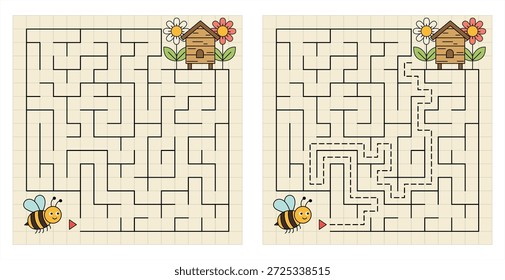
When you encounter pathfinding logic puzzles that seem to defy intuition, it is time to move beyond trial and error and embrace mathematical frameworks. By viewing the board as a network, you can utilize graph theory concepts—specifically treating open spaces as nodes and possible movements as edges—to visualize the connectivity of the entire environment. This structural mindset allows you to identify bottlenecks where the puzzle’s complexity is highest, helping you focus your analytical energy where it matters most.
Another powerful tool is the application of parity and checkerboard logic. In many grid-based challenges, the parity of your starting and ending positions can dictate whether a solution is even possible. If you color the grid like a checkerboard, you can often determine if a path exists by tracking whether your movement switches the color of your tile, helping you rule out impossible routes before wasting moves. You can further refine your approach by calculating minimum distance estimates—essentially the “as-the-crow-flies” distance—to guide your decision-making and ensure you aren’t wandering further from your goal than necessary.
2.2 Navigating High Difficulty Constraints and Common Red Herrings
As you progress into high-difficulty puzzles, you will inevitably face conflicts in multi-path environments where two essential objectives seem to require the same limited space. To resolve these, you must practice deconstructing deceptive obstacles and trap zones. Often, a path that looks intuitively correct is actually a red herring designed to lead you into a dead end, forcing a reset. By analyzing the board for these traps early on, you can differentiate between forced moves and bait.
The most effective strategy here is to balance heuristic intuition—that gut feeling about which direction “looks” right—with rigorous analytical deduction. When you reach an impasse, stop moving and start counting. Identify which tiles must be reserved for specific maneuvers and which are flexible. If you find yourself stuck, consider how block sliding brain teasers often reward those who visualize the final state of the board first, as this perspective helps clear away the noise of secondary paths.
2.3 Enhancing Proficiency Through Practice and Self Assessment
Mastery comes from identifying why you fail as much as how you succeed. A common pitfall in pathfinding is “path drift,” where players commit to a route too early and become inefficient as they try to force it to work. Instead, maintain a flexible mental map. Keep track of your progress by using simple notation or marking key junction points, which allows you to backtrack without losing your entire train of thought if you hit a structural error.
Finally, treat every puzzle as a data point for future sessions. Consistent self-assessment helps you recognize recurring motifs—certain shapes or obstacle configurations that appear across different game levels. By building a mental library of these patterns, you turn complex logic puzzles into recognizable challenges, drastically reducing your cognitive load over time.
Mastering pathfinding logic puzzles is a journey that transforms your approach to problem-solving, turning complex, grid-based obstacles into manageable sequences of tactical moves. By internalizing the foundational principles of node connectivity and embracing advanced heuristics like reverse engineering or parity analysis, you shift from mere trial-and-error to a state of deliberate, analytical play. Whether you are navigating intricate block sliding brain teasers or unraveling challenging spatial reasoning riddles, the goal remains the same: to sharpen your cognitive agility and visual memory.
Remember that even the most seasoned experts encounter red herrings and dead ends; what separates the novice from the master is the discipline to step back, re-evaluate the spatial constraints, and apply systematic logic. If you find yourself hitting a plateau, consider diversifying your practice with spatial reasoning riddles to keep your mental faculties primed for new patterns. Consistent practice, coupled with a willingness to deconstruct your own mistakes, will eventually make complex pathfinding intuitive. Keep experimenting, stay patient with the process, and enjoy the satisfaction that comes with finding the perfect path through every puzzle you face.