There is something uniquely satisfying about creating a complex beat using nothing more than your fingertips and a MIDI controller. Instrument finger drumming transforms your hands into a percussive powerhouse, allowing you to bypass traditional keyboard entry in favor of a more tactile, human-centric approach to music production. Whether you are aiming to capture the nuanced swing of a jazz drummer or the high-velocity precision of modern hip-hop, mastering the physical act of tapping out rhythms can revolutionize your creative process. It is not just about having the right gear; it is about developing the muscle memory and rhythmic internal clock that bridge the gap between a sterile, quantized loop and a breathing, dynamic performance. In this guide, we will explore everything you need to know to get started, from optimizing your hardware settings to implementing visual rhythm sequencing techniques. By the end, you will have the tools and strategies required to turn your instrument finger drumming sessions into professional-grade productions.
1. Master the Foundations of Instrument Finger Drumming
1.1 Selecting and Configuring Your MIDI Gear
1.1.1 Essential Hardware Features for Responsive Performance
Choosing the right controller is the first step in mastering instrument finger drumming. Look for a device with high-quality, pressure-sensitive pads that offer tactile feedback. While many users start with a basic drum set simulator on their computer, transitioning to a dedicated MIDI controller provides a superior physical connection to your sounds. Seek out hardware that features backlit pads, which are essential for visual feedback during complex sequences, and robust build quality to withstand the percussive impact of rhythmic play.
1.1.2 Optimizing Sensitivity and Velocity Curves
Out of the box, most controllers require calibration to suit your personal playing style. Adjusting the velocity curve is crucial; a linear setting is often too stiff for beginners, while a logarithmic curve allows for more expressive dynamics by requiring less force for softer notes. Spend time tweaking the sensitivity settings in your software to ensure the hardware captures the nuance of your touch, preventing unintended double triggers while ensuring your lightest ghost notes are still registered by the system.
1.1.3 Understanding Pad Mapping and Layout Logic
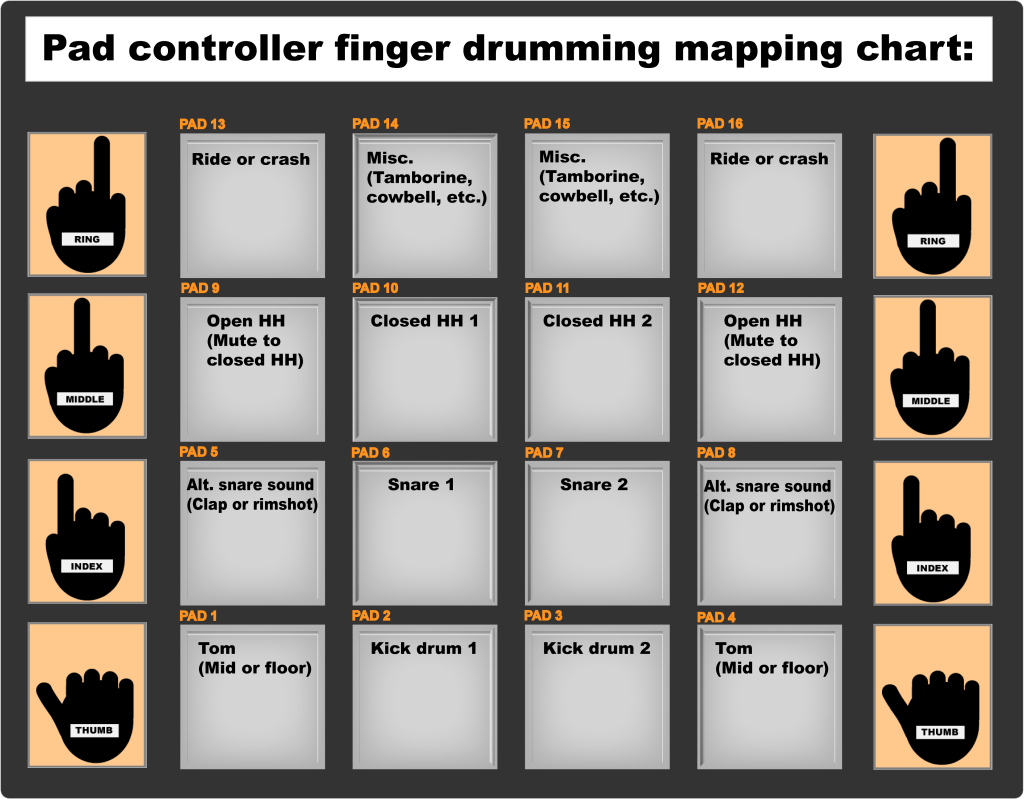
Consistency is the bedrock of muscle memory. Develop a standard layout where the kick, snare, and hi-hats occupy the same pads regardless of the drum kit you load. Most professionals use a bottom-row configuration for the kick and snare, mirroring the ergonomics of a real kit. By mapping your instruments logically, you eliminate the mental friction of searching for sounds, allowing your hands to move instinctively across the interface.
1.2 Ergonomics and Physical Mechanics
1.2.1 Proper Hand Posture to Prevent Fatigue
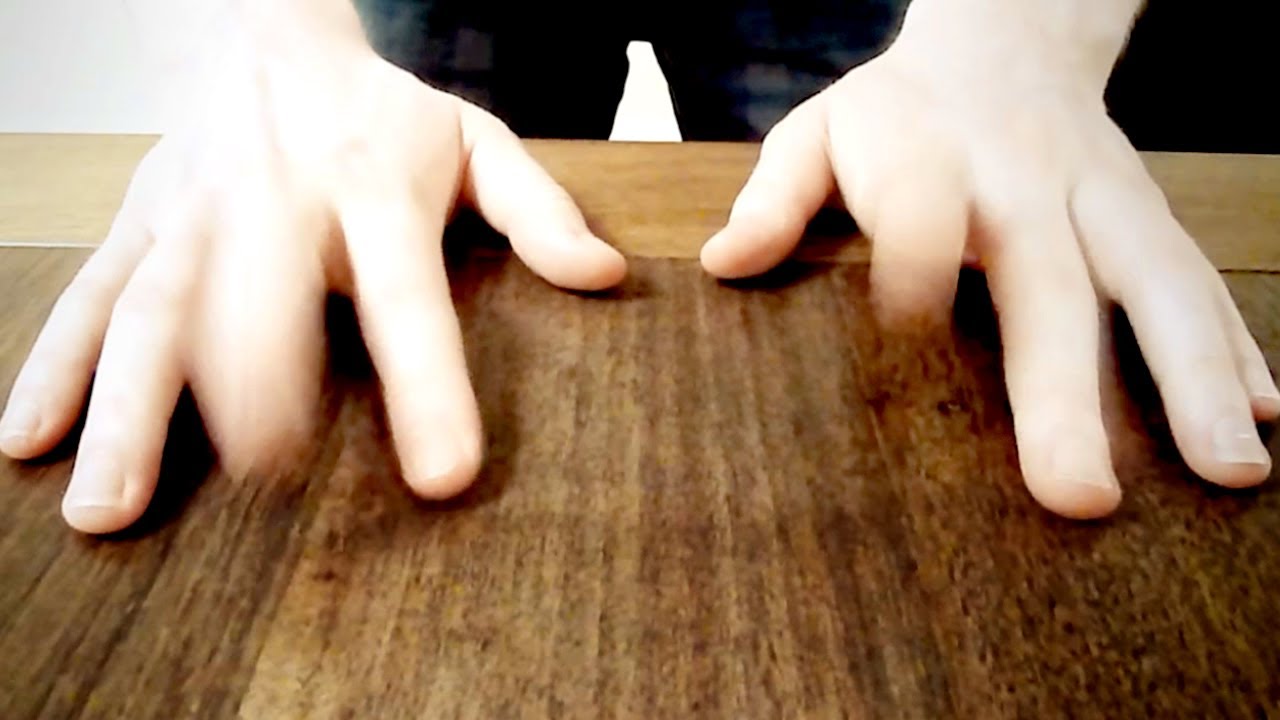
Finger drumming is an athletic endeavor that requires proper form to avoid strain. Keep your wrists relaxed and slightly elevated, avoiding a flat-palm position that restricts finger movement. Think of your fingers as independent springs; use the tips for precision and control rather than the pads of your fingers. Regularly stretching your hands and maintaining a comfortable desk height will help you sustain long practice sessions without discomfort.
1.2.2 Finger Assignment Systems for Kick, Snare, and Hi-Hats
Efficiency comes from limiting the travel distance of your fingers. Assign your index and middle fingers to the most active pads—typically the snare and hi-hats—while using your thumbs for the kick drum. This distribution prevents cross-finger interference. Experiment with different fingerings until you find a system that allows you to execute complex rhythms without your digits bumping into each other.
1.2.3 Developing Independence Between Non-Dominant Hands
True mastery requires your non-dominant hand to act as a reliable partner rather than a follower. Start by practicing simple, alternating patterns that force your weak hand to hold a steady pulse while your dominant hand fills in the gaps. This mental and physical decoupling is similar to the training found in reaction speed test games, where your brain learns to process and execute multiple timing-based tasks simultaneously.
1.3 Essential Practice Routines for Beginners
1.3.1 Metronome Exercises and Building a Steady Beat
The metronome is your most honest instructor. Begin at a slow tempo, such as 60 BPM, focusing entirely on landing every hit exactly on the grid. Do not rush; it is better to play a simple loop perfectly for ten minutes than to struggle through a fast, sloppy pattern. As your timing stabilizes, gradually increase the tempo in five-beat increments.
1.3.2 Executing Standard Rock and Hip-Hop Grooves
Once you can maintain a pulse, begin layering standard patterns. A classic rock beat with a four-on-the-floor kick and an alternating snare is the perfect starting point. After mastering the basics, transition into hip-hop grooves that emphasize off-beat hi-hats. These exercises solidify your understanding of sub-divisions, moving your playing from robotic hits to a cohesive rhythmic flow.
1.3.3 The Role of Ghost Notes in Professional Phrasing
Ghost notes are those quiet, barely audible snare hits that bridge the gap between main beats. They provide the human feel that separates a novice performance from a professional one. Practice playing your primary snare hits with moderate velocity while keeping your ghost notes extremely light. Mastering this dynamic range adds depth to your beats, making your sequenced patterns sound like a living, breathing drummer.
Advanced Techniques and Performance Strategies for Instrument Finger Drumming
Elevating Groove and Dynamic Feel
Mastering Swing and Quantization Nuances
To move beyond the robotic sound of entry-level MIDI, you must master the art of swing. While standard quantization snaps your hits perfectly to the grid, it often strips the life out of your performance. Experiment with groove templates or manual micro-timing adjustments, nudging your kicks slightly behind the beat and pushing hi-hats forward to create a humanized feel. True mastery involves knowing when to leave notes unquantized, allowing for those natural, imperfect variations that define professional-sounding tracks.
Creating Realistic Fills with Rolls and Flams
Real drummers rarely hit every drum with identical force or timing. To simulate organic fills, use velocity mapping to trigger softer samples for ghost notes and louder samples for accents. A well-executed flam—where two samples trigger in rapid succession—adds a percussive weight that single hits cannot replicate. Practice splitting your fingers to tap out rapid-fire rolls, focusing on alternating hands to build the stamina required for fluid, complex transitions between phrases.
Moving Fluidly Between Eighth and Sixteenth Notes
The secret to rhythmic complexity lies in your ability to transition seamlessly between subdivisions. Beginners often get stuck in a constant sixteenth-note loop, but professional finger drumming relies on dynamic phrasing. Use visual rhythm sequencing to map out your patterns, ensuring you can shift from a steady eighth-note rock groove to intricate sixteenth-note fills without losing your place in the measure.
Scaling Complexity and Sonic Depth
Advanced Multi-Finger Techniques for High-Velocity Beats
High-velocity performance requires efficient finger economy. Instead of relying on one or two fingers, develop a system where each finger is assigned to a specific drum sound, allowing you to trigger complex chords and patterns simultaneously. By practicing independent movement, you can execute double-kick patterns or intricate cymbal swells that sound like a full kit rather than a programmed loop.
Strategies for Layering Samples and Texture
Sonic depth is achieved by stacking samples. Try layering a tight, high-pitched snare on top of a low-end heavy clack to give your beats body and definition. Use your DAW to modulate parameters like release time and filter cutoff on the fly, transforming a static loop into a living, breathing performance.
Integrating Foot Pedals for Expanded Percussion Control
When your hands are overwhelmed by complex rhythm patterns, integrating a MIDI foot pedal is a game changer. Assigning your kick drum or even a toggle for rhythm effects to your foot frees up your fingers for more detailed snare work and hi-hat variations, mimicking the physical demands of an acoustic drum set.
Professional Workflow and Development
Choosing DAWs and VSTs for Low-Latency Performance
Latency is the enemy of the finger drummer. To maintain high-level accuracy, select a Digital Audio Workstation (DAW) with a robust audio engine optimized for low-buffer sizes. Pair this with VSTs that support high-speed sample triggering to ensure that when your finger hits the pad, the sound responds instantly, allowing for genuine, tactile musical expression.
Analyzing Recordings to Refine Timing and Improvisation
Recording your sessions is the fastest way to identify weaknesses in your timing. Listen back to your takes—not just for the quality of the sound, but to analyze the consistency of your groove. Look for patterns where you tend to rush or drag, and adjust your practice routines to focus specifically on those rhythmic trouble spots.
Troubleshooting Robotic Beats and Stiff Performance
If your beats sound “stiff,” it is likely a lack of dynamic range rather than a timing issue. Focus on the velocity of each pad hit. By ensuring your snare hits vary in intensity and your ghost notes remain barely audible, you bridge the gap between digital sequencing and authentic instrument finger drumming. A stiff performance is often just a call to add more “soul” through varied pressure and expressive timing.
Instrument finger drumming is a journey of patience, muscle memory, and creative expression. By mastering the fundamentals of hardware configuration and refining your hand posture, you transform your MIDI controller from a simple piece of gear into a truly expressive instrument. Remember that even the most complex rhythms are built upon the solid foundation of steady, metronomic practice and the intentional use of ghost notes to add human-like depth to your beats.
As you advance, the goal is to bridge the gap between technical accuracy and musical soul. Whether you are using a drum set simulator to test new fills or diving into visual rhythm sequencing to structure your compositions, consistency remains your most valuable asset. The robotic, rigid feel that often plagues beginners will naturally fade as you develop independence in your fingers and internalize the nuances of swing and dynamics. Stay curious, keep exploring new VSTs, and do not hesitate to analyze professional recordings to see how they achieve that elusive, infectious groove. Your path to becoming a proficient finger drummer is paved with deliberate practice; keep tapping, keep listening, and most importantly, keep creating rhythms that move you.