There is a unique satisfaction in piecing together a complex narrative, layer by layer, until a hidden truth finally reveals itself. Point and click detective puzzles offer this exact experience, inviting players to step into the shoes of an investigator where observation, logic, and patience are your most powerful weapons. Unlike fast-paced action titles, these games demand a deliberate approach, challenging you to scan environments for subtle clues and navigate intricate dialogue trees to extract information from reluctant witnesses.
Whether you are a newcomer drawn to atmospheric mystery adventure games or a seasoned veteran of the genre, mastering these titles requires a blend of methodical gameplay and critical thinking. In this guide, we will explore the core mechanics that define investigative adventures, from effective pixel hunting techniques to the art of managing inventory logic. You will also discover how to refine your deductive skills and leverage external tools to overcome even the most stubborn logic blocks. If you enjoy unraveling layered mysteries, our guide to the best mystery adventure games provides an excellent starting point for your next investigation.

1. Mastering the Mechanics of Point and Click Detective Puzzles

1.1 The Core Gameplay Loop of Investigative Adventures
The core gameplay loop of point and click detective puzzles is defined by a rhythmic cycle of observation, deduction, and action. Players are dropped into static or semi-animated environments where the primary objective is to peel back layers of deception. Success in these narrative-driven mystery games requires more than just a sharp eye; it demands an understanding of how developers hide information in plain sight.
1.1.1 Environment Scanning and Pixel Hunting Techniques
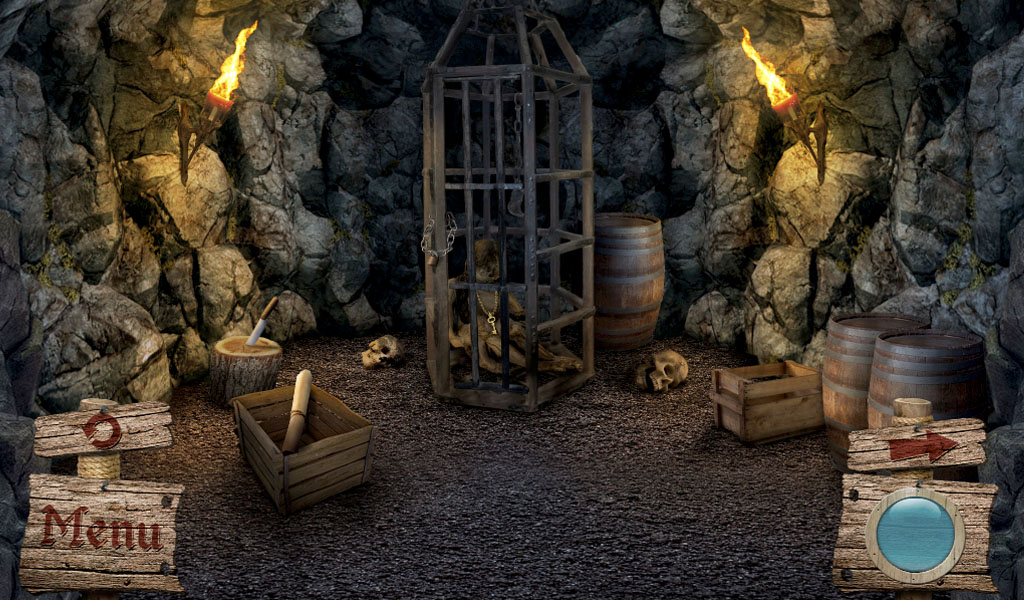
Pixel hunting—the process of meticulously moving your cursor across every inch of the screen to find interactable objects—is a hallmark of the genre. To do this efficiently, modern players should adopt a systematic sweeping pattern. Instead of erratic movements, scan the screen horizontally, then vertically. Often, developers use subtle changes in lighting, background texture, or character animations to signal a point of interest. If your cursor changes shape or glows, you have struck gold.
1.1.2 Inventory Logic: Item Combination and Contextual Usage
Your inventory is your primary investigative tool kit. The classic logic here often involves combining two seemingly mundane objects to create a key or a specialized device. Before forcing combinations, examine items in your inventory; many games allow you to rotate or inspect objects for hidden compartments or serial numbers. Always consider the environmental context: if you have a rusted key, look for signs of a lock nearby, but don’t ignore the possibility that the item might need cleaning first.
1.1.3 Dialogue Trees as Dynamic Clue Gathering Tools
Interrogations are the heartbeat of any good detective story. Dialogue trees are not just about choosing the right path; they are a sophisticated method of gathering evidence. Approach conversations with an analytical mind, noting inconsistencies in NPC testimonies. Some games track “topics of interest,” where questioning a suspect about a specific clue you found in the environment will unlock new, previously hidden dialogue branches. If a character seems evasive, try to gather physical evidence before returning to pressure them for the truth.
1.2 Essential Deductive Skills for Players
Moving beyond basic mechanics, high-level play requires the development of an investigative mindset. This is where mystery adventure games truly shine, forcing you to connect the dots between disparate pieces of information.
1.2.1 Developing an Investigative Mindset Through Note Taking
The most successful detectives never rely on memory alone. An investigative mindset is built on recording key details—time, location, and the emotional state of witnesses. Even when the game provides an automated log, writing down your own theories and observations can lead to “aha” moments that the game’s UI might not explicitly suggest.
1.2.2 Recognizing Patterns in Environmental Storytelling
Great mystery games use environmental storytelling to convey history without dialogue. Scuff marks on a floor, the position of a knocked-over chair, or a calendar with a specific date circled are all narrative data points. When you enter a new room, ask yourself, “What happened here just before I arrived?” Identifying these temporal patterns is crucial for solving crimes in interactive fiction stories.
1.2.3 Managing Frustration: Strategies for Overcoming Logic Blocks
Every detective hits a wall. When logic blocks occur, the best strategy is to step away from the specific puzzle. Engage with other areas of the game world or review your collected clues in a different order. Sometimes, the frustration stems from missing a single item or misinterpreting a clue, and a fresh perspective is often all that is needed to break the stalemate.
1.3 Essential Tools for the Modern Detective
Equipping yourself with the right tools, both digital and physical, can turn a difficult session into a masterclass of deduction.
1.3.1 Using In-Game Journals to Track Unresolved Leads
Modern developers often include a journal or “case board” feature. Prioritize reviewing this frequently. It acts as a summary of your progress and often categorizes clues into “known facts” and “theories.” If you find yourself lost, consult the journal to see which leads remain active or if there are connections you have failed to make.
1.3.2 The Benefits of Physical Notebooks for Complex Mystery Mapping
For complex, non-linear narratives, a physical notebook is indispensable. Mapping out relationships between characters or creating a timeline of events helps visualize the mystery in a way that an on-screen menu cannot. Sketching the layout of a crime scene can reveal architectural impossibilities or hidden paths that are easy to miss while clicking through a menu.
1.3.3 External Resources and When to Utilize Hint Systems Without Spoiling
Most modern games include tiered hint systems. Use the lowest level of hint first—this is usually a subtle nudge rather than a direct solution. If you must use a walkthrough, read only the paragraph regarding the specific puzzle you are stuck on. This preserves the satisfaction of solving the mystery while preventing a total halt in your gameplay progression.
2. Exploring the Evolution and Top Titles in Point and Click Detective Puzzles
2.1 The Historical Shift from Point and Click to Pure Deduction
2.1.1 The Legacy of Sierra and LucasArts Narrative Design
The roots of modern investigative games are firmly planted in the golden age of adventure gaming. Developers like Sierra and LucasArts revolutionized the genre by blending complex inventory management with surreal, world-spanning narratives. In these early titles, the detective experience was often secondary to the puzzle design, where players relied on trial and error to overcome “moon logic.” However, this era established the essential template for narrative-driven mystery games, teaching players to pay close attention to environmental details and character dialogue as the primary means of progression.
2.1.2 The Rise of Player-Driven Logic in Modern Indie Titles
Today, the genre has pivoted toward player-driven logic, moving away from punishing “pixel hunting” and toward sophisticated deduction. Modern indie developers prioritize the player’s intelligence, creating systems where you must actively connect the dots. Instead of finding a specific key to unlock a door, you are now expected to synthesize testimonies and physical evidence to form a cohesive theory. This evolution transforms the player from a passive observer into an active participant in the investigative process.
2.1.3 Merging Walking Simulators with Traditional Adventure Mechanics
The lines between genres have blurred as developers merge the atmospheric exploration of walking simulators with the structured puzzles of classic quests. By removing the stress of instant failure, these games allow players to soak in the mystery at their own pace. This design philosophy focuses on atmospheric storytelling, where the environment itself serves as a lead. You can find more insights on how these narrative-heavy experiences compare to other forms of interactive fiction in our guide on the best mystery adventure games.
2.2 Curated Recommendations Based on Skill Level
2.2.1 Accessible Titles for Beginners Entering the Genre
Beginners should look for games that emphasize narrative flow over complex systems. Titles that provide built-in hint systems or clear objective logs are perfect for those still learning the language of point and click detective puzzles. These games prioritize the story, ensuring that logic blocks do not derail the momentum of your investigation.
2.2.2 Intermediate Challenges Requiring Multi-Stage Reasoning
For players comfortable with the genre, intermediate titles introduce multi-stage reasoning. In these games, a single clue rarely solves a case. Instead, you must manage several layers of evidence simultaneously, often using an in-game board or journal to link suspects, motives, and locations. This stage is where your ability to cross-reference data truly begins to shine.
2.2.3 Advanced Deduction Games for Hardcore Puzzle Enthusiasts
The most challenging detective games strip away hand-holding entirely. In these experiences, you are often left with a pile of evidence and no clear objective marker. Hardcore titles test your note-taking skills and your ability to spot subtle contradictions in testimonies. If you enjoy games that treat you like a real-world investigator, these complex logic puzzles offer the most rewarding sense of accomplishment.
2.3 Frequently Asked Questions Regarding Detective Gaming
2.3.1 Defining the Boundaries of the Detective Puzzle Genre
The genre is defined by its focus on solving a central mystery through active reasoning. While it shares DNA with general adventure games, the detective sub-genre specifically requires the player to verify information rather than just bypass obstacles.
2.3.2 Choosing Between Classic Adventures and Modern Mysteries
Classic adventures often focus on inventory-based item combination, whereas modern mysteries focus on conceptual deduction. Choose a classic if you enjoy traditional brain teasers, or a modern title if you prefer a tighter, story-focused investigative simulation.
2.3.3 Determining the Optimal Time to Consult a Walkthrough
Consult a walkthrough only after you have exhausted all logical pathways. If you feel yourself guessing rather than reasoning, it is a sign that you have missed a piece of evidence. Using a guide early can rob you of the “aha!” moment that defines the genre.
2.3.4 Analyzing the Role of Accessibility Features in Modern Logic Games
Accessibility features like customizable text sizes, colorblind modes, and adjustable difficulty help bridge the gap between casual and expert players. These tools ensure that the challenge remains rooted in your deductive thinking rather than your motor skills or visual acuity.
At their heart, point and click detective puzzles are more than just a series of logic gates; they are immersive invitations to step into the shoes of a sleuth. Whether you are piecing together a noir-inspired mystery or exploring intricate, narrative-driven mystery games, these titles challenge you to slow down, observe, and connect dots that aren’t immediately obvious. By mastering the fundamental mechanics of environment scanning and deductive reasoning, you transform from a casual player into a true investigator capable of navigating the most complex storylines.
As the genre continues to evolve, the blend of classic adventure tropes with modern, player-led deduction keeps the experience fresh and rewarding. We hope this guide has provided you with the tools to tackle your next case with confidence, whether you are playing a beginner-friendly title or diving into a hardcore logic-heavy challenge. If you are looking to further refine your analytical skills, consider exploring our collection of the best mystery adventure games to find your next great investigation. Remember, the key to any successful mystery is patience—so keep your journal close, trust your instincts, and enjoy the thrill of the hunt.