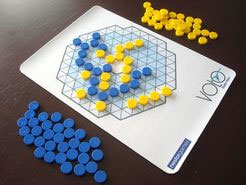
There is something uniquely satisfying about the quiet, deliberate pace of a well-designed board game where your success depends entirely on your own foresight. Abstract strategy tile games strip away the complex themes and random dice rolls of traditional tabletop experiences, leaving you with a pure, skill-based puzzle that evolves with every move. Whether you are a fan of strategy board games looking to test your cognitive limits or someone who enjoys the tactile nature of arranging patterns on a grid, these games offer a refreshing challenge that rewards long-term planning over blind luck.
In this guide, we will explore the core mechanics that make these titles so addictive, from spatial reasoning to the intense focus required to outmaneuver your opponents. We will dive into how different board geometries, such as turn based hex board games, change the way you interact with the playing surface. By the end, you will have a better understanding of how to select the right title for your next game night and how to sharpen your tactical edge in competitive multiplayer board games.
1. The Core Mechanics and Tactical Depth of Abstract Strategy Tile Games
1.1 Defining the Abstract Strategy Genre
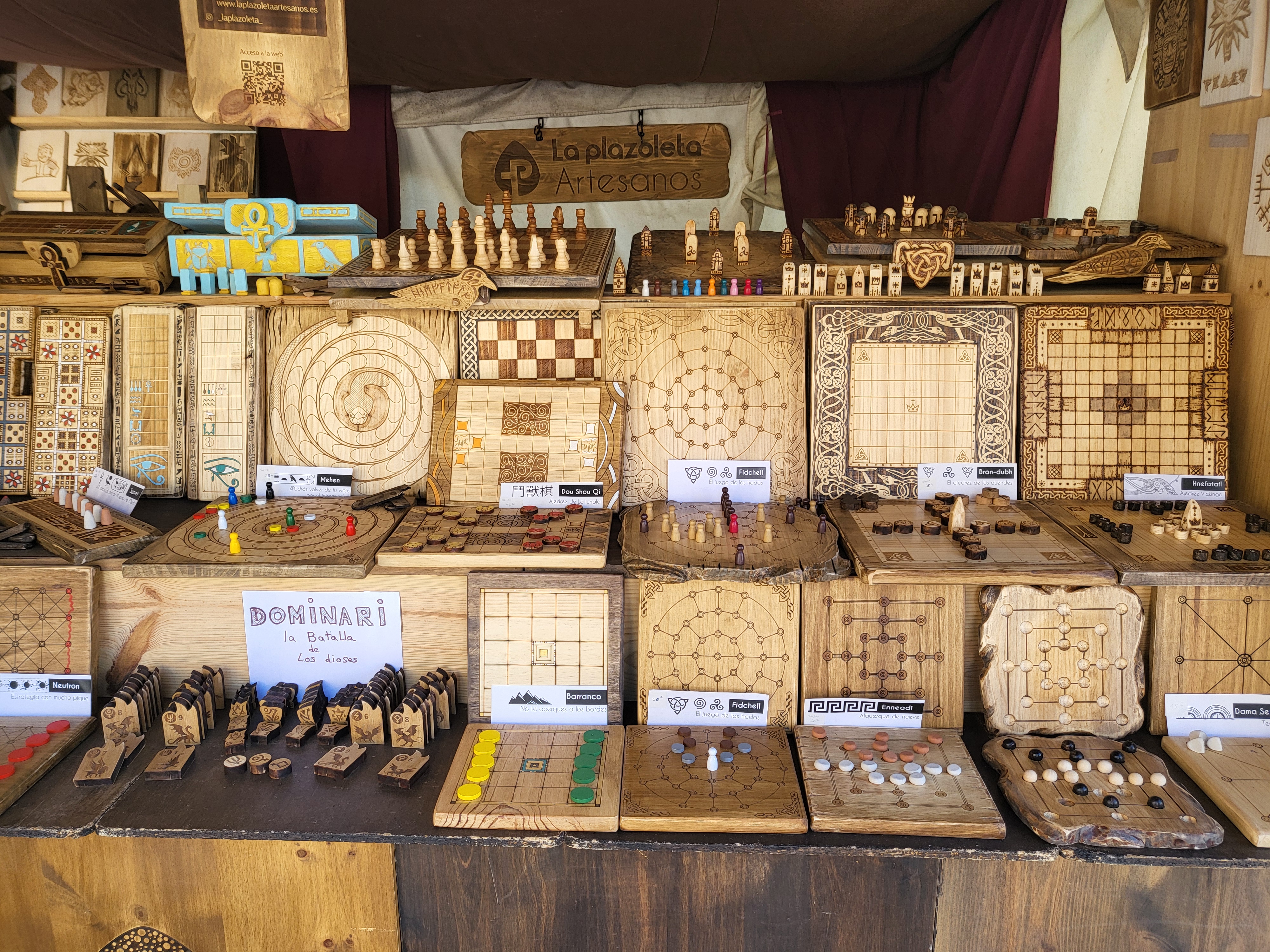
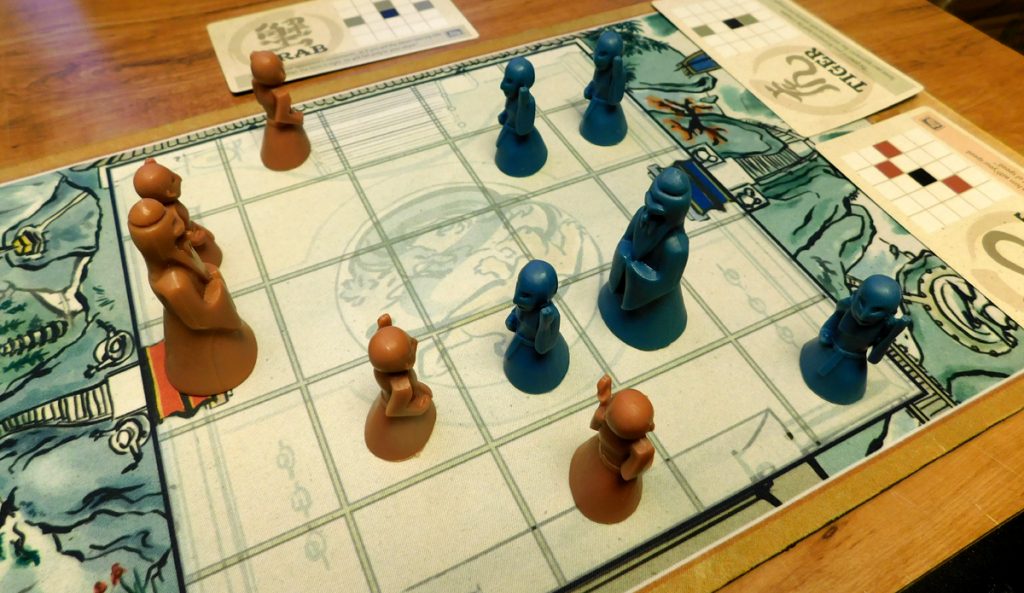
Abstract strategy tile games strip away the complex narratives and heavy thematic elements of traditional tabletop hobby games, focusing entirely on the purity of player decisions. At its heart, this genre prioritizes logic, spatial reasoning, and forward-thinking. These games are designed to be elegant, often featuring minimalist components that allow the mechanics to take center stage. When you play these games, the “theme” is usually secondary to the physical interaction with the tiles and the grid or board layout.
1.1.1 Perfect Information and the Absence of Luck
Most titles within this category operate on the principle of perfect information, meaning every player has full knowledge of the board state and available moves at all times. Unlike games that rely on dice rolls or randomized card draws, these experiences are almost entirely deterministic. If you win, it is because you outmaneuvered your opponent; if you lose, it is a result of a miscalculation in your tactical sequence.
1.1.2 Minimalist Design and Spatial Reasoning
The beauty of these games lies in their economy of design. They often utilize a shared board or a modular tile-laying system where your placement affects future possibilities for both yourself and your rivals. Mastering these games requires high-level spatial reasoning, as you must visualize how a single tile placement might change the board geometry several turns down the line.
1.1.3 Cognitive Benefits and Pattern Recognition
Engaging with these mechanics regularly provides a genuine mental workout. Much like mastering complex geometric puzzles, playing these games strengthens your ability to identify patterns and predict sequences. This cognitive engagement makes them popular choices for players looking to sharpen their focus and decision-making speed.
1.2 Evaluating the Best Abstract Strategy Tile Games
1.2.1 Gateway Titles for Beginners including Azul and Patchwork
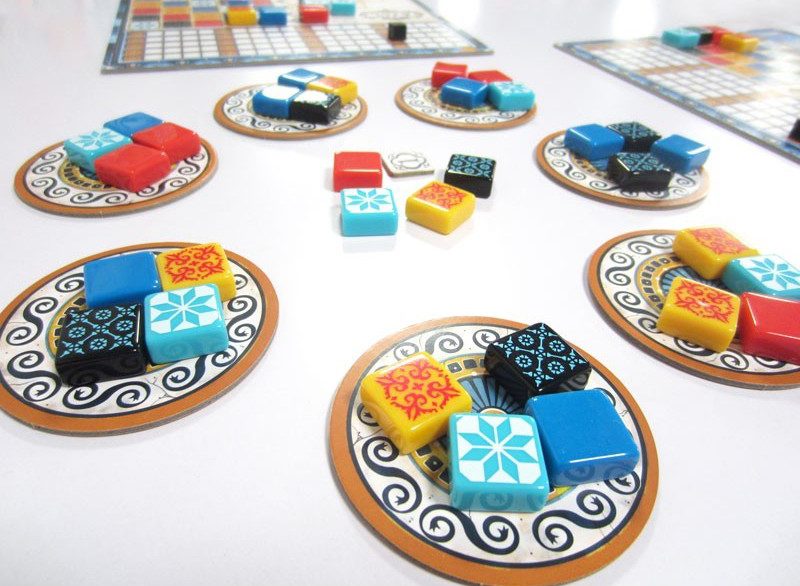
For those new to the genre, titles like Azul and Patchwork serve as perfect entry points. They offer intuitive, easy-to-learn rules that hide immense tactical depth. Azul rewards players for managing color sets and tile drafting efficiency, while Patchwork challenges you to optimize space on a personal board, teaching the fundamentals of resource management within a confined grid.
1.2.2 Competitive Staples such as Hive and Calico
Once you are ready for more intense conflict, Hive stands out as a premier example of a portable, competitive experience where piece movement is governed by unique, insect-themed rules. Similarly, Calico offers a deceptively cute exterior that hides a cutthroat puzzle of color and pattern matching, forcing you to constantly adapt to your opponent’s play style.
1.2.3 Strategic Depth in Photosynthesis and Sagrada
If you prefer games that blend aesthetic table presence with deep strategic planning, Photosynthesis and Sagrada are essential additions. Photosynthesis introduces a brilliant solar mechanic that forces players to track light and shadow movement across the board. Meanwhile, Sagrada tests your ability to navigate strict placement constraints while drafting beautiful translucent dice-tiles to complete your stained-glass masterpiece.
1.2.4 Comparing Solo versus Multiplayer Scaling
While many of these games are designed as competitive multiplayer tabletop games, several offer robust solo modes. Multiplayer variants usually emphasize interaction and blocking, whereas solo play often focuses on achieving the highest possible score against a set of constraints. Understanding how a game scales—especially those meant for head-to-head competition—is vital for choosing the right experience for your group.
1.3 Selecting the Right Game for Your Playstyle
1.3.1 Identifying Your Preferred Complexity Level
Abstract strategy tile games range from “filler” length games that last ten minutes to deep, hour-long marathons. Before investing, determine if you prefer games that reward rapid-fire decisions or those that require long-term planning and deep calculation.
1.3.2 Assessing Visual Appeal and Table Presence
The tactical experience is often heightened by the tactile quality of the components. Whether you enjoy the heavy, bakelite-like feel of tiles in Azul or the wooden components in nature-themed strategy board games, the physical satisfaction of placing a piece contributes significantly to the overall enjoyment of the session.
1.3.3 Balancing Direct Conflict versus Engine Building
Decide whether you enjoy “take-that” mechanics where your placement actively sabotages an opponent, or if you prefer a more “multiplayer solitaire” approach where players build their own internal engines. Competitive multiplayer board games often require a delicate balance of both, challenging you to optimize your board while simultaneously monitoring your opponent’s progress to ensure they do not out-score you.
2. Mastering Advanced Tactics and Board State Analysis
2.1 Essential Strategic Concepts for Tile Placement
2.1.1 Spatial Awareness and Future Turn Prediction
Success in abstract strategy tile games relies heavily on your ability to visualize the board as it will look several turns from now. Rather than reacting to the current board state, top-tier players focus on “spatial real estate.” Analyze how a single placement restricts or expands your options for future moves. When evaluating potential spots, consider the geometric constraints of the grid—whether you are dealing with square lattices or turn based hex board games—to ensure you are not boxing yourself into a corner.
2.1.2 Effective Techniques for Denying Opponent Value
In competitive multiplayer board games, you must play defensively as much as you do offensively. Denying your opponent the specific tiles or placement zones they need is often more valuable than securing a modest gain for yourself. Practice “hate-drafting” or blocking high-value proximity bonuses before they manifest. By keeping a close eye on your opponent’s scoring patterns, you can identify their primary goals and physically obstruct their path, forcing them to deviate from their optimal strategy.
2.1.3 Managing Resource Economy and Long Term Positioning
Resource management in these games typically involves the careful expenditure of limited tiles or movement actions. Avoid the temptation to use high-impact tiles early in the game if they do not contribute to a long-term goal. Instead, cultivate a “reserve” of flexible pieces that allow you to adapt to the changing board state in the late game. Positioning is about utility; place your initial tiles to create “lanes” or “structures” that provide multiple scoring avenues, ensuring your placement remains relevant even as the board fills up.
2.2 Executing Advanced Gameplay Sequences
2.2.1 Developing Cascading Effects for Maximum Efficiency
Many strategy board games reward players who can set up “combos” where one tile placement triggers a chain reaction of scoring. To achieve this, look for synergy between different tile types. Focus on building foundations that maximize potential for future interactions, such as placing tiles that score based on adjacent colors or shapes. The most efficient players don’t just score for their current move; they set up the board so that their next move scores twice as much.
2.2.2 Navigating the Early, Mid, and End Game Transitions
The early game should be focused on building a flexible foundation and identifying key areas of the board. As you enter the mid-game, your focus should shift toward locking down high-value territory and executing your core engine. Finally, the end-game is purely about point optimization and final board control. Be prepared to shift gears; a strategy that works in the opening is often suboptimal once the board becomes congested.
2.2.3 Reading the Board to Anticipate Opponent Behavior
Human opponents often have a “tells” or predictable patterns in how they approach territory. By consistently reading the board, you can determine if your opponent is prioritizing points, blocking, or engine building. If you see them consistently taking peripheral tiles, they may be planning a move that requires board-wide coverage. Anticipating this allows you to pre-emptively block them, effectively turning their own strategy against them.
2.3 Frequently Asked Questions Regarding Strategy
2.3.1 Distinguishing Between Abstract and Thematic Mechanics
Abstract games strip away narrative elements, focusing purely on mechanics and spatial logic. While thematic games use flavor text and lore to justify actions, abstract strategy games are defined by perfect information and minimal luck. Understanding this distinction helps you focus your tactical mind on pure math and pattern recognition rather than looking for thematic narratives that do not exist within the rules.
2.3.2 Accessibility and Difficulty Curves for Casual Players
Many abstract games are easy to learn but difficult to master. The difficulty curve often comes from the depth of interaction between players. Casual players can enjoy the puzzle-solving aspects without needing to memorize complex strategies, while competitive players will find depth in the high-level interplay.
2.3.3 The Role of Tile Quality in Tactical Gameplay
While aesthetics might seem secondary, high-quality, tactile tiles can actually improve your focus. Weighted, durable materials make it easier to visualize the board and reduce the “fiddliness” that can break your concentration during intense analysis.
2.3.4 Engaging with Competitive Tournament Scenes
Competitive play takes place in both local hobby shops and global online platforms. To improve, participate in forums where players analyze specific board states. Engaging with a community helps you identify blind spots in your own tactical reasoning, which is essential for consistent growth.
Whether you are drawn to the meditative simplicity of tile placement or the high-stakes intensity of competitive multiplayer board games, the world of abstract strategy offers an unparalleled mental workout. By focusing on perfect information and minimizing luck, these titles reward long-term planning, pattern recognition, and the ability to adapt to a shifting board state. Choosing the right game—whether it is a gateway title like Azul or a complex, tactical experience—ultimately depends on your appetite for direct conflict and your interest in spatial puzzle-solving.
Mastering these games is a journey of continuous improvement. By studying how your opponents prioritize their moves and learning to anticipate the cascading effects of every tile placed, you sharpen your cognitive agility well beyond the tabletop. If you are looking to further refine your analytical skills, exploring other genres like turn based hex board games can provide fresh challenges that translate perfectly to your abstract strategy repertoire. Embrace the depth of these designs, stay patient with your learning curve, and most importantly, enjoy the satisfaction that comes with executing a perfect, game-winning sequence.