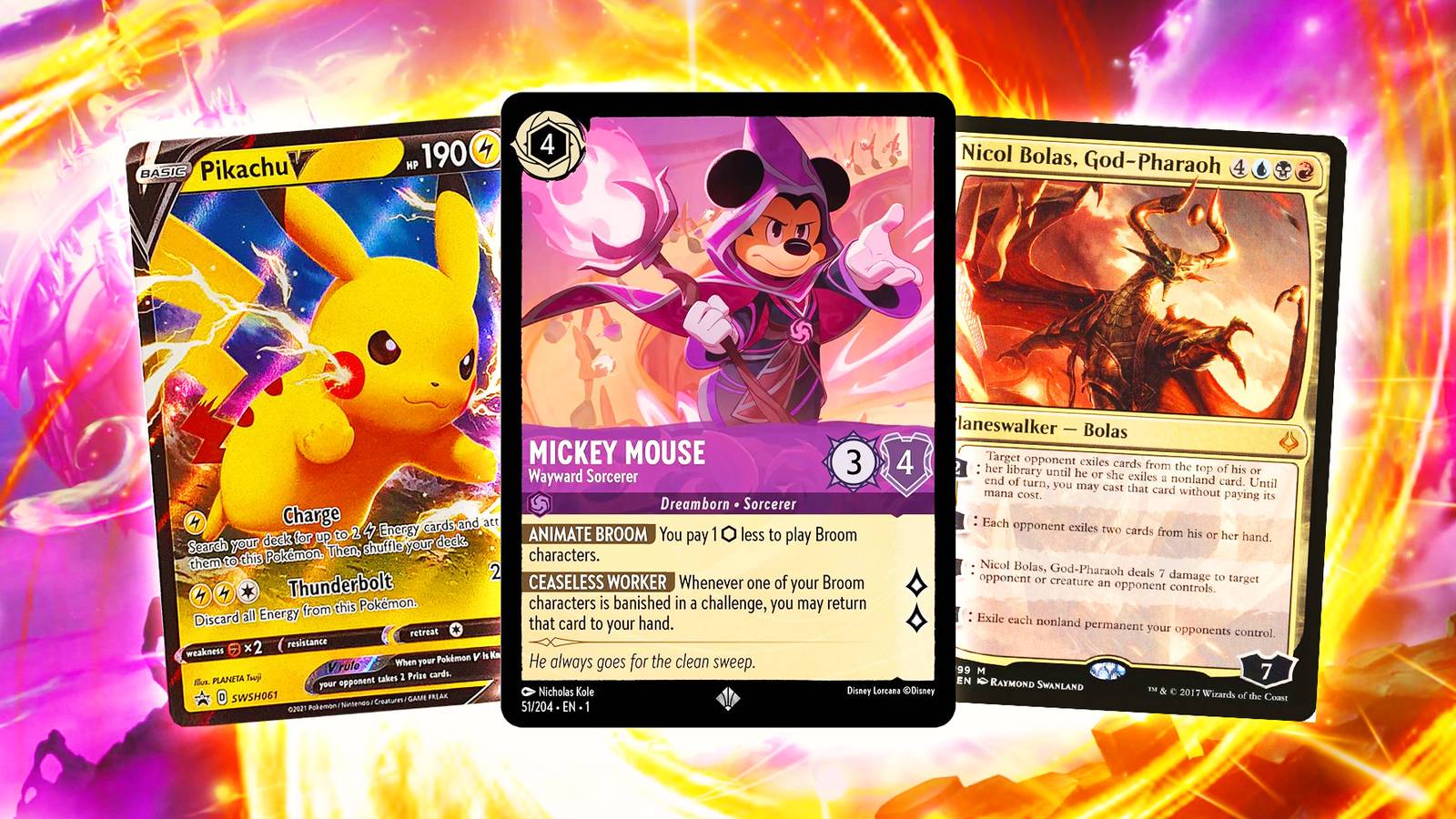
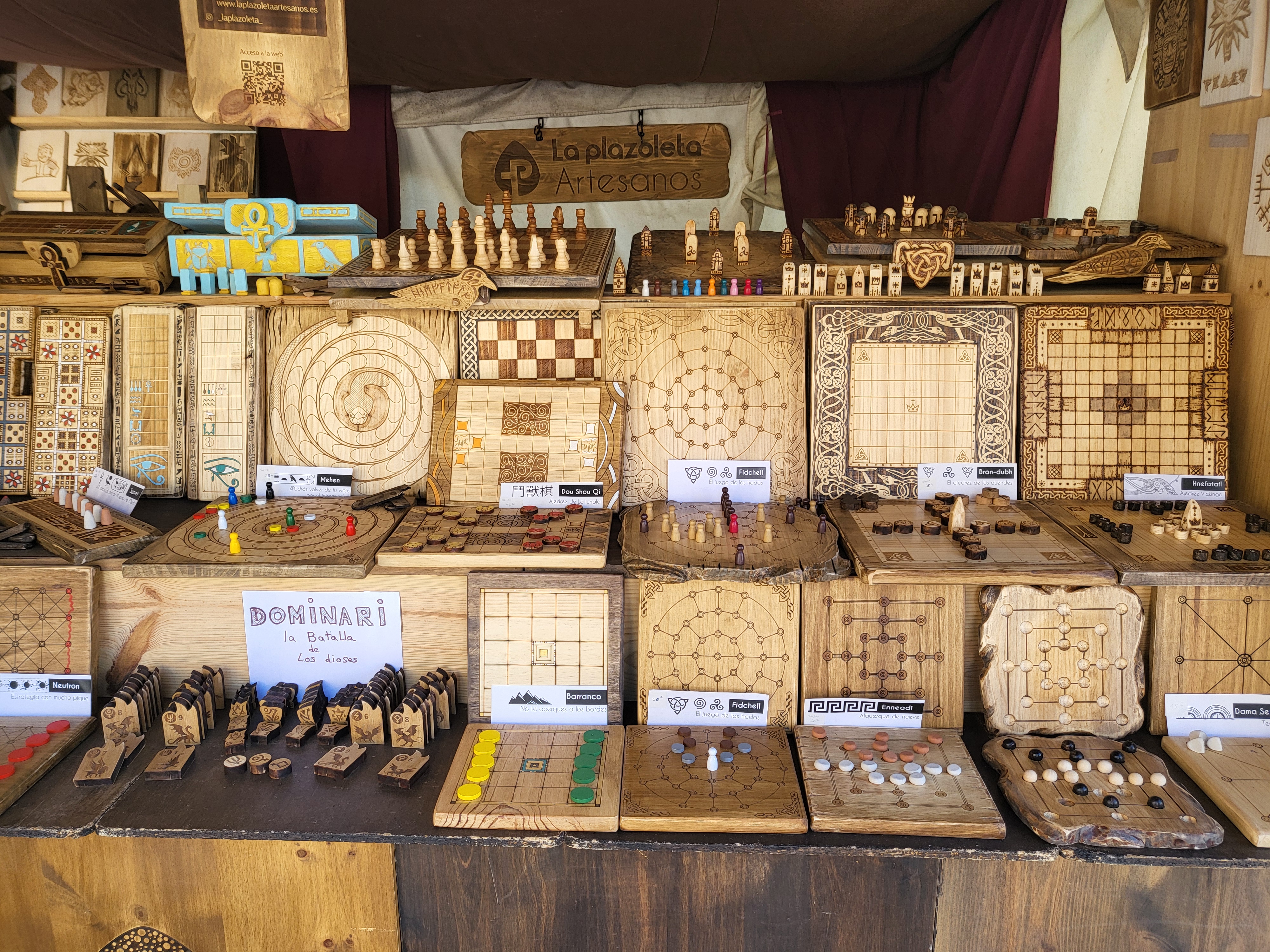
There is a unique satisfaction found in the perfect turn—the moment your carefully curated engine clicks into place and those precious goods start rolling in. Whether you are building a vast trade empire or simply trying to secure the right components to craft a winning hand, resource collection card games offer a level of mental stimulation that keeps hobbyists coming back to the table again and again. These titles have evolved far beyond simple luck-of-the-draw mechanics, often challenging players to master complex supply chains and intricate trade-offs. For those who enjoy the calculated risk of strategy board games, this genre provides an ideal playground to test your ability to balance short-term survival against long-term victory. In this guide, we will break down the fundamental mechanics behind these titles, examine how to evaluate their strategic depth, and help you choose the perfect addition to your collection based on your group’s playstyle and preferences.

1. Mastering the Mechanics of Resource Collection Card Games
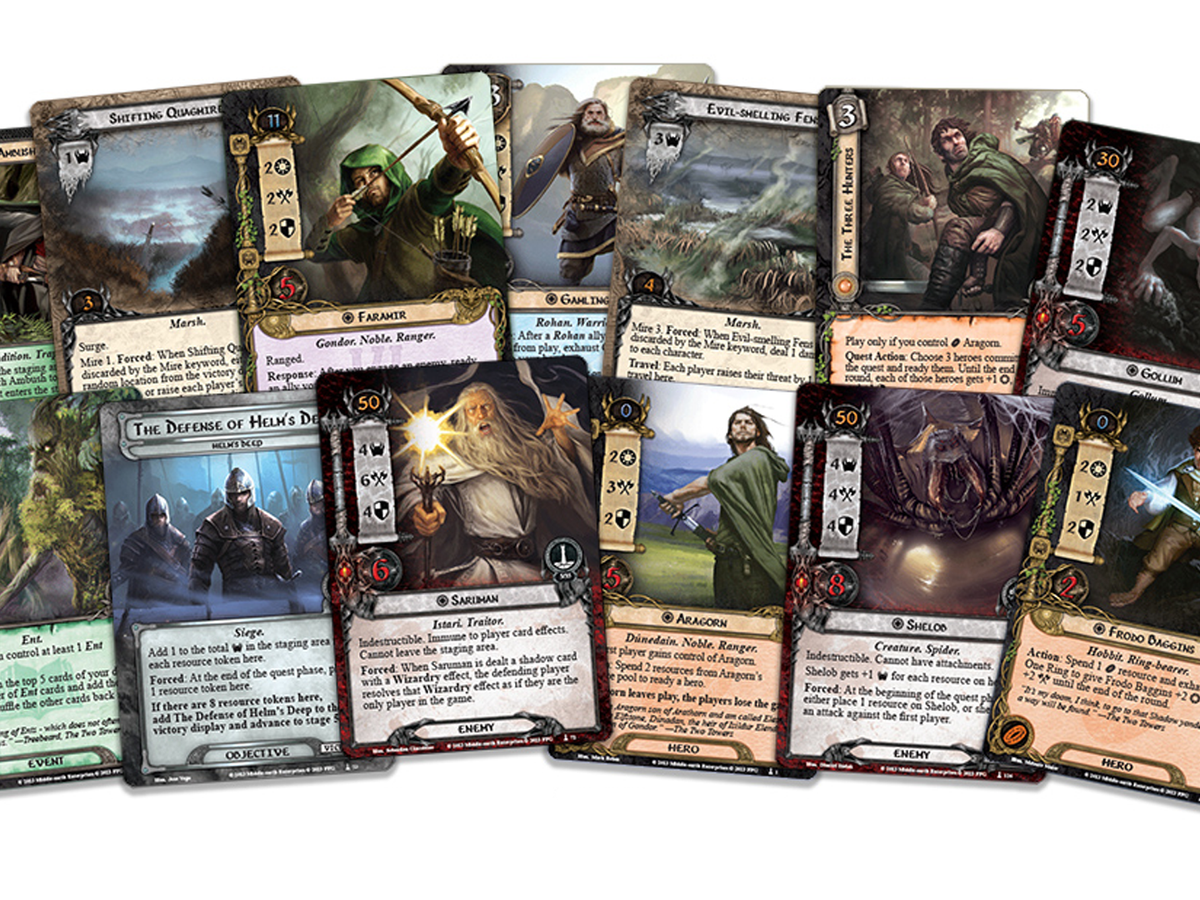
At their heart, resource collection card games challenge players to balance short-term survival against long-term growth. These titles often serve as the perfect bridge for fans of strategy board games, as they require players to constantly evaluate the value of their current assets. By focusing on the flow of goods, victory points, or currency, these games turn every card draw into a meaningful tactical choice.
1.1 Understanding Core Resource Systems
1.1.1 Defining the Acquisition versus Spending Loop
The core tension in any resource-based game lies in the cycle of acquisition and expenditure. You must gather enough assets to fund your operations without hoarding them so greedily that you lose out on victory conditions. Efficient players learn to treat every resource as an investment; if you spend your hard-earned tokens on a card that doesn’t immediately improve your future income or point potential, you are likely falling behind the curve.
1.1.2 Distinguishing Between Engine Building, Drafting, and Hand Management
Different titles utilize unique mechanics to facilitate growth. Engine building focuses on creating a self-sustaining system where your cards generate more resources over time. Drafting requires you to select cards from a communal pool, forcing you to choose between taking what you need and preventing an opponent from grabbing a powerful asset. Meanwhile, hand management is about timing; it’s the art of holding the right cards until they reach maximum utility, ensuring you never waste a turn by playing a card too early or holding it until it becomes obsolete.
1.1.3 The Impact of Resource Scarcity on Decision Making
Resource scarcity acts as the primary driver of tension in economy building tabletop experiences. When supplies are abundant, players can experiment with various tactics. However, when the game limits access to critical materials, every decision becomes high-stakes. This scarcity forces you to prioritize essential upgrades, often requiring you to abandon secondary goals to survive a difficult round.
1.2 Evaluating Strategic Depth and Weight
1.2.1 Entry Level Picks for Quick Tactical Play
For those new to the genre, entry-level card games offer approachable rulesets that prioritize fun and fast-paced interaction. These games typically feature intuitive symbols and lower complexity, making them excellent choices for a casual game night. The goal here is to learn the rhythm of resource cycles without getting bogged down by overly complex math.
1.2.2 Mid Weight Games Requiring Economic Mitigation
Mid-weight games sit in the “sweet spot” of the hobby, where tactical depth meets satisfying complexity. These titles often involve managing multiple resource types simultaneously, requiring you to mitigate bad luck or poor draws through careful planning. You will often find these games balance player interaction with personal tableau building, offering a rewarding experience for those ready to move past introductory titles.
1.2.3 Expert Level Heavy Hitters for Long Term Planning
Expert-level games demand rigorous, long-term foresight. Success in these complex multiplayer tabletop games often requires you to plot your resource trajectory three or four turns in advance. These sessions can be mentally taxing but offer an unparalleled sense of accomplishment when a complex, multi-layered plan finally comes to fruition.
2. Advanced Strategies for Winning Resource Collection Card Games
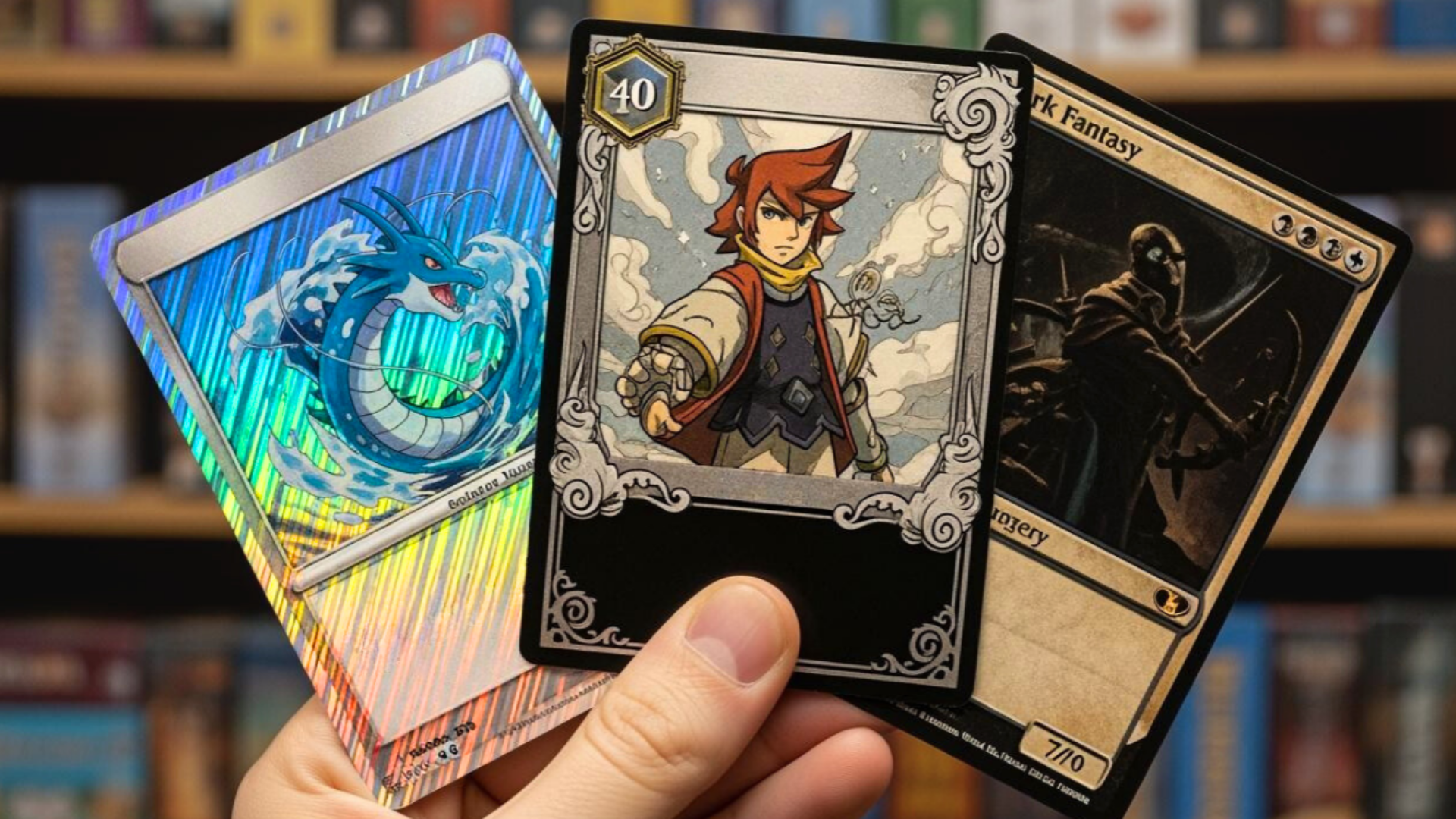
Mastering resource collection card games requires moving beyond simple turn-by-turn decision-making. To consistently beat your opponents in these complex economy building tabletop experiences, you must shift your perspective from short-term gains to long-term systemic efficiency.
2.1 Essential Tactical Maneuvers
2.1.1 Prioritizing Early Game Economy Over Immediate Victory Points
One of the most common pitfalls for new players is chasing victory points too early. In almost every resource-driven system, your goal in the first few rounds should be building your engine. Invest your initial resources into cards or structures that provide passive income or reduce the cost of future actions. By sacrificing early points, you cultivate a robust foundation that allows you to generate massive point swings in the final rounds of the game, leaving opponents who focused on immediate scoring in the dust.
2.1.2 Identifying and Managing Resource Bottlenecks
Successful strategy often comes down to recognizing which assets are in short supply. If a specific resource is required for the most efficient cards but is rarely produced by common engines, it becomes a bottleneck. Proactively hoarding or securing production of these scarce items not only boosts your own efficiency but creates a significant barrier to entry for your competitors. Always scout the draft pool or market to see which resources are being ignored, as these can often be leveraged for high-value trades or critical end-game goals.
2.1.3 The Art of Hate Drafting and Denying Opponent Resources
In competitive multiplayer tabletop games, your hand management isn’t just about what you need; it’s about what your opponent cannot have. Hate drafting occurs when you take a card not because it benefits your engine, but because it completes an opponent’s critical set or provides a vital resource they desperately need. This defensive tactic is highly effective in tight, high-interaction games where resources are limited, effectively slowing down your competition while maintaining your own momentum.
2.2 Selecting the Ideal Game for Your Playgroup
2.2.1 Balancing Player Count and Table Interaction
Not all games scale linearly. A title designed for two players might feel sluggish at four, while a high-interaction game may become overly chaotic with a large group. Consider how much you want your social dynamic to dictate the strategy. For those who enjoy deep, calculated planning, look for games that reward independent engine growth. If your group prefers high-energy competition, lean toward titles where the card market is shared and highly volatile.
2.2.2 Assessing Game Duration and Setup Time
Strategic depth often comes with a physical price: long setup times and complex rule books. If your gaming sessions are limited to a couple of hours, prioritize titles with streamlined mechanics that allow for quick setup and teardown. You can find excellent recommendations for shorter, tactical sessions in our guide to abstract strategy tile games, which offer deep thinking without the overhead of heavy economic simulations.
2.2.3 Matching Thematic Immersion with Mechanical Density
The theme should never distract from the mechanics, but it should enhance your enjoyment of the economic loop. Whether you are managing a space station, a merchant fleet, or a fantastical kingdom, the theme helps ground complex rules in logic. Match the game’s “weight” to your group’s interest; players who love narrative immersion will tolerate higher mechanical density, whereas those focused purely on efficiency may prefer abstract, minimalist designs.
Resource collection card games offer a deeply rewarding experience for anyone who enjoys balancing tactical short-term gains against long-term planning. Whether you are building an intricate economic engine or engaging in a cutthroat drafting session, the core appeal lies in the satisfaction of turning a handful of humble cards into a powerhouse of efficiency. By mastering the fundamental loops of acquisition and spending, you can elevate your gameplay, turning every session into a compelling test of logic and adaptability.
As you explore different titles, remember that the best games are those that align with your group’s preferred level of complexity and social interaction. For those interested in expanding their horizons beyond card-based mechanics, checking out our guide on abstract strategy tile games can provide even more ways to challenge your tactical thinking. Ultimately, whether you are playing a casual filler game or a dense, expert-level hobbyist hit, the journey of optimizing your resources and outpacing your opponents is what makes this genre truly addictive. Gather your friends, shuffle the deck, and find the perfect challenge for your next tabletop night.