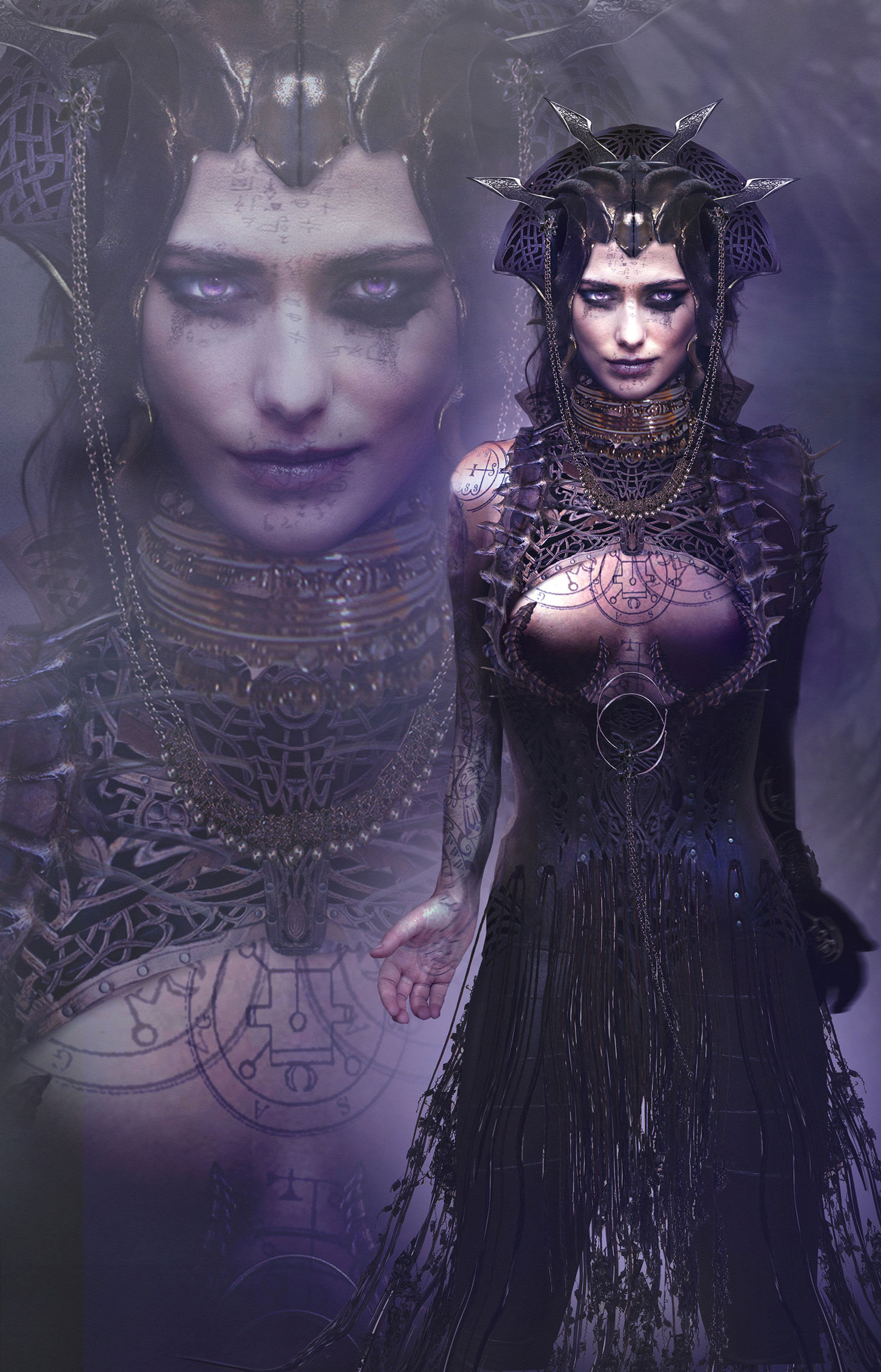
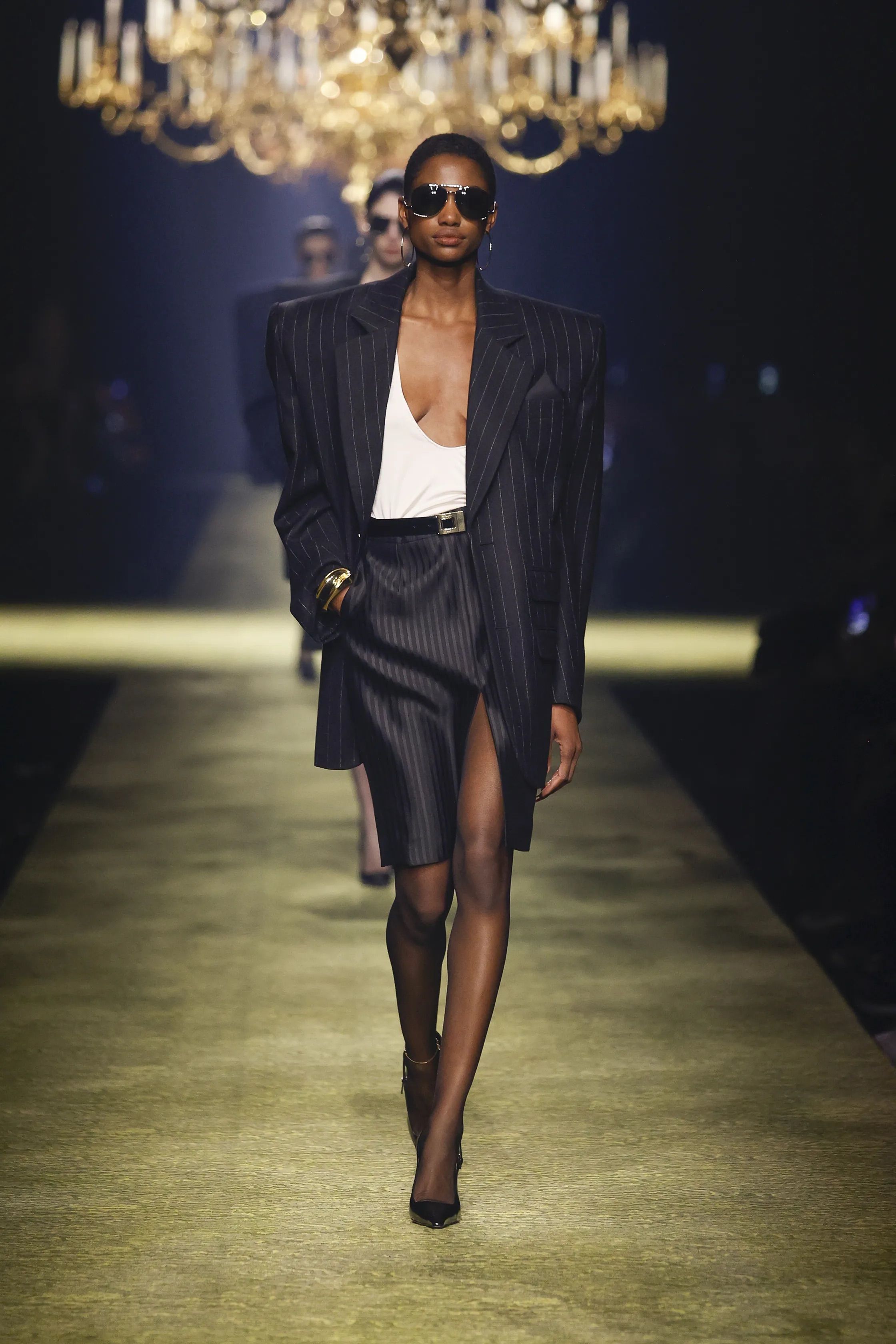
Whether you are preparing for a high-stakes convention, curating a look for a themed costume party, or simply looking to breathe life into an original character, mastering fantasy character attire is an art form that bridges the gap between imagination and reality. A truly iconic look goes beyond wearing a pre-packaged outfit; it is about storytelling through fabric, silhouette, and thoughtful detailing. From the rugged leather of a seasoned rogue to the ethereal silks of a magic user, every choice you make serves as a visual shorthand for your character’s background, skills, and moral alignment.
In this guide, we will explore the professional techniques used by expert makers to elevate your ensemble. You will learn how to ground your creative designs in historical accuracy, utilize color theory to signal personality traits, and master the layering techniques that bring cinematic quality to your wardrobe. Whether you are looking for tips on themed costume party dressing or building an authentic persona from scratch, you will find the actionable advice needed to create a memorable, cohesive, and deeply immersive look.
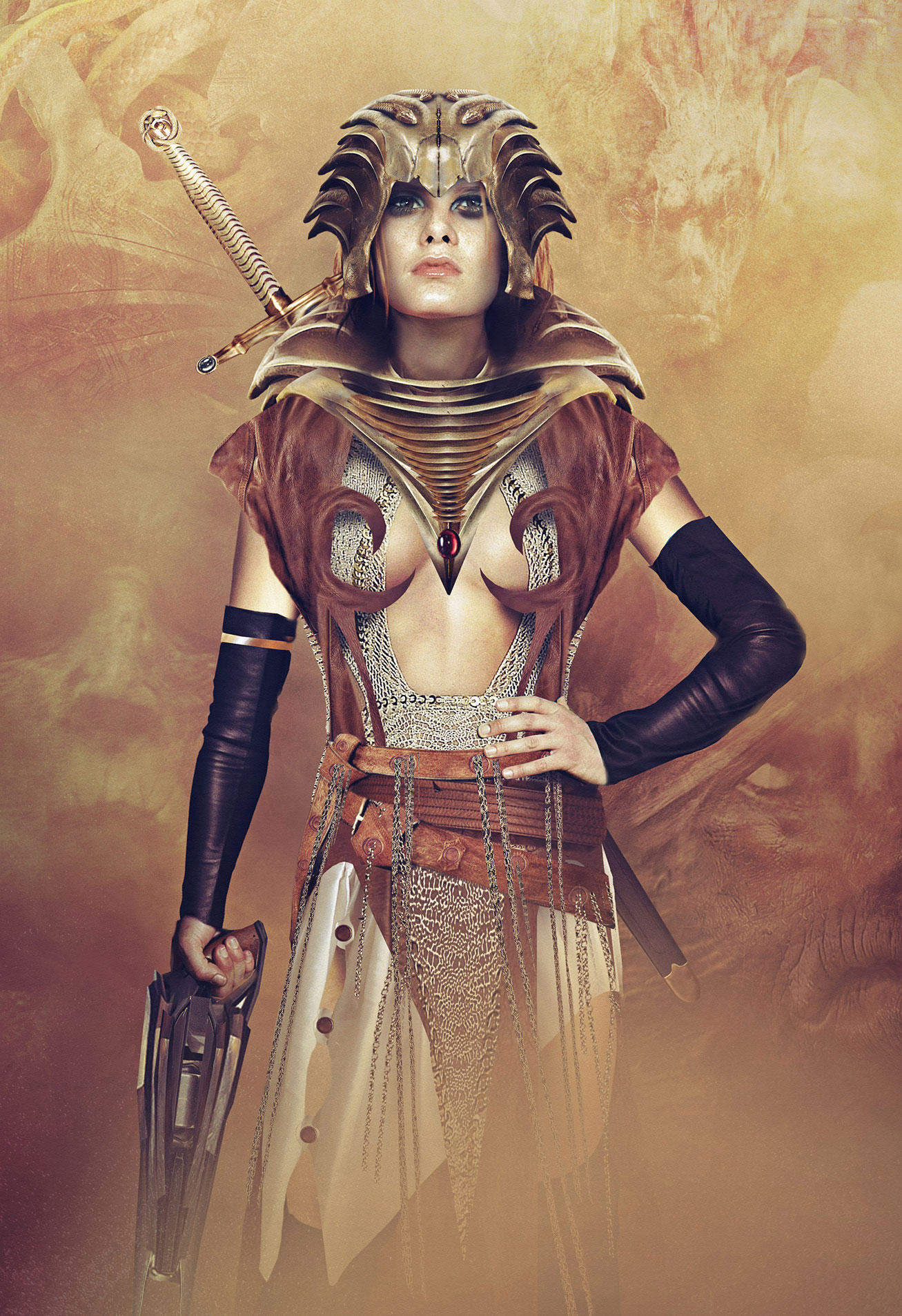
1. Foundations of Fantasy Character Attire and Narrative Styling
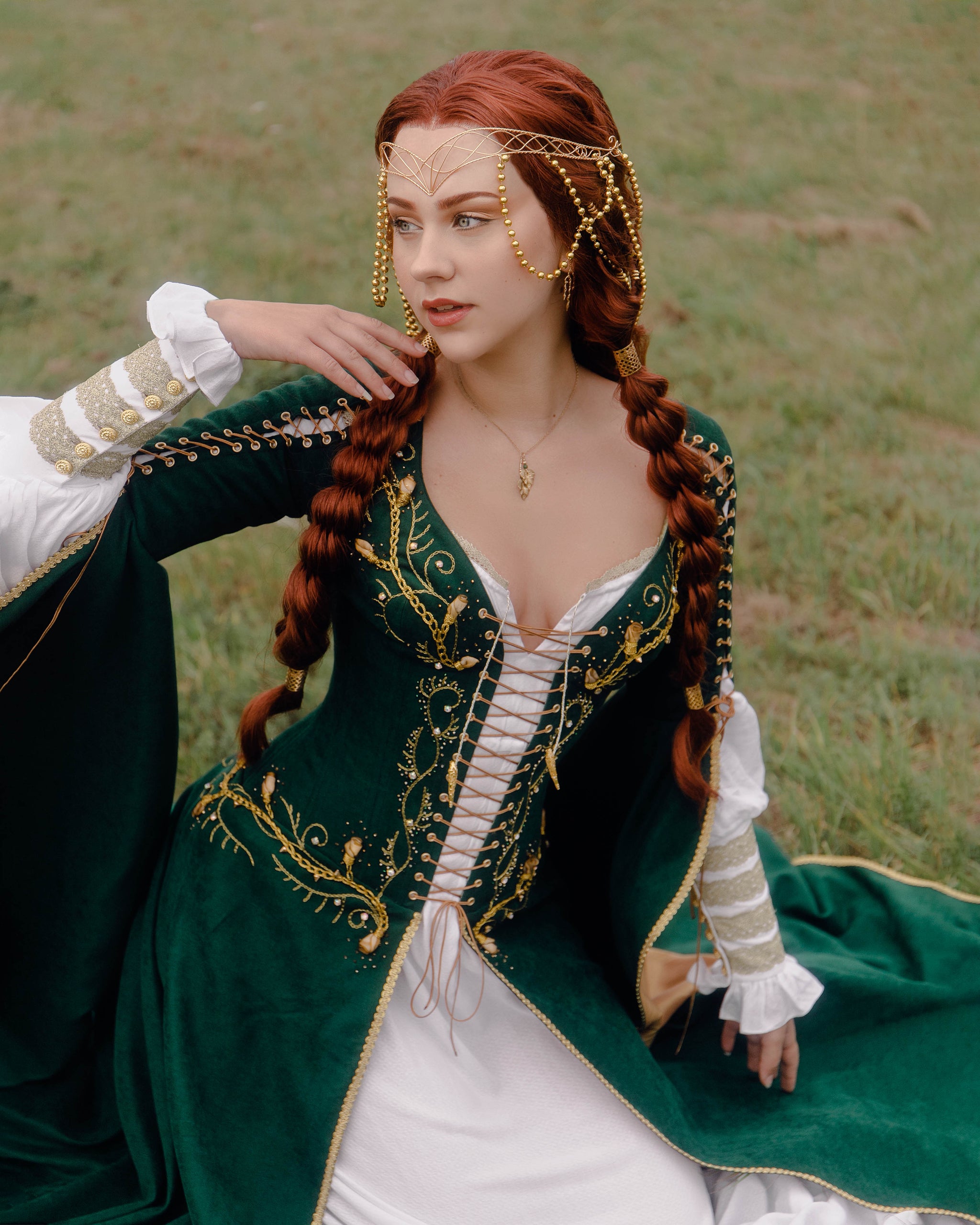
1.1 Developing Character Identity Through Visual Cues
The most compelling fantasy character attire does more than just cover the body; it acts as a visual shorthand for the character’s journey, history, and internal state. Before selecting a single piece of fabric, successful designers consider the narrative function of the ensemble. Every detail, from the choice of fasteners to the wear on a leather boot, should contribute to a coherent story that the audience can read at a glance.
1.1.1 Signaling Social Hierarchy and Occupation Through Fabric Choice
In world-building, fabric is the ultimate indicator of class and labor. Royalty and high-status figures are defined by restricted silhouettes and the use of rare, labor-intensive materials like velvet, silk, or heavy brocades. Conversely, characters defined by their occupation—such as scouts or laborers—require practical, durable textiles like linen, wool, or canvas. By choosing fabrics that reflect a character’s daily reality, you create an immediate sense of authenticity that grounds the design.
1.1.2 Utilizing Color Theory for Moral Alignment and Arc Representation
Color theory serves as a powerful psychological tool in character design. Beyond simple aesthetics, color choice can indicate a character’s moral alignment or current arc. Heroic figures often utilize vibrant, high-saturation primaries, while antagonists or complex, morally gray characters may lean into muted, earthy, or desaturated tones. As characters evolve, their palettes often shift to mirror their internal growth, signaling their transformation to the audience.
1.1.3 Balancing Practical Functionality with Thematic Aesthetic
A common pitfall in character design is prioritizing the aesthetic at the expense of internal logic. True immersion requires that the attire makes sense within the character’s environment. A desert wanderer requires breathable, layered light fabrics to ward off the sun, while a mountain ranger needs heavy, weather-resistant outer layers. When styling for themed costume party dressing, consider how your accessories might interfere with movement; balancing the “fantasy” look with real-world usability is key to a comfortable, convincing performance.
1.2 Grounding Fantasy Designs in Historical Reality
1.2.1 Adapting Medieval, Renaissance, and Non-Western Silhouettes
Even the most imaginative designs benefit from a historical anchor. By studying the structural silhouettes of the medieval or Renaissance periods, or incorporating unique drapes from non-Western traditions, designers can create a shape that feels both grounded and distinct. These historical foundations provide a framework that prevents costumes from looking like modern clothes with minor accessories attached.
1.2.2 The Strategy of Combining Historical Bases with Fantastic Accents
The most effective strategy involves establishing a recognizable historical base—like a tunic or a structured bodice—and then applying “fantasy” elements as distinct accents. This might involve replacing modern buttons with hand-forged buckles, adding fantasy-inspired heraldry, or incorporating unconventional materials like scale-mail textures. This layering process allows the design to remain grounded in human proportions while signaling the unique rules of your fictional world.
1.2.3 Avoiding Generic Cosplay Tropes Through Texture and Layering
Generic looks often suffer from a lack of visual depth. To elevate a design, focus on layering varied textures—pairing rough, weathered leather against soft, delicate silks or heavy, woven wools. This contrast breaks up the silhouette and adds an organic, “lived-in” quality that generic, monochromatic costumes lack. Thoughtful layering ensures that the character appears to have a history before they even step on screen or stage.
1.3 Technical Elements of Iconic Fantasy Design
1.3.1 Creating Visual Interest Through Contrasting Materials
Visual interest is maintained by balancing different material weights and textures. A heavy leather corset looks more dynamic when paired with flowing chiffon or lightweight linen skirts. This tension between hard and soft surfaces guides the viewer’s eye and creates a more sophisticated profile, preventing the costume from appearing flat or cartoonish.
1.3.2 Manipulating Silhouette and Proportion for Memorable Shapes
Iconic fantasy characters often possess a distinct silhouette that remains recognizable even in shadow. By manipulating proportions—such as exaggerated shoulder pauldrons, dramatic flowing capes, or cinched waists—you create a “heroic” shape. These modifications should always feel intentional, serving to amplify the character’s physical presence or magical nature.
1.3.3 Integrating Accessories as Essential Narrative Extensions
Accessories should never feel like an afterthought. They are essential narrative tools that reflect the character’s personality and utility. A belt filled with pouches suggests preparedness, while a collection of uniquely forged trinkets or charms can signal a history of magical encounters. Every item, from jewelry to specialized gear, should serve a function within the story you are telling through your attire.
2. Practical Application and Customization of Fantasy Character Attire
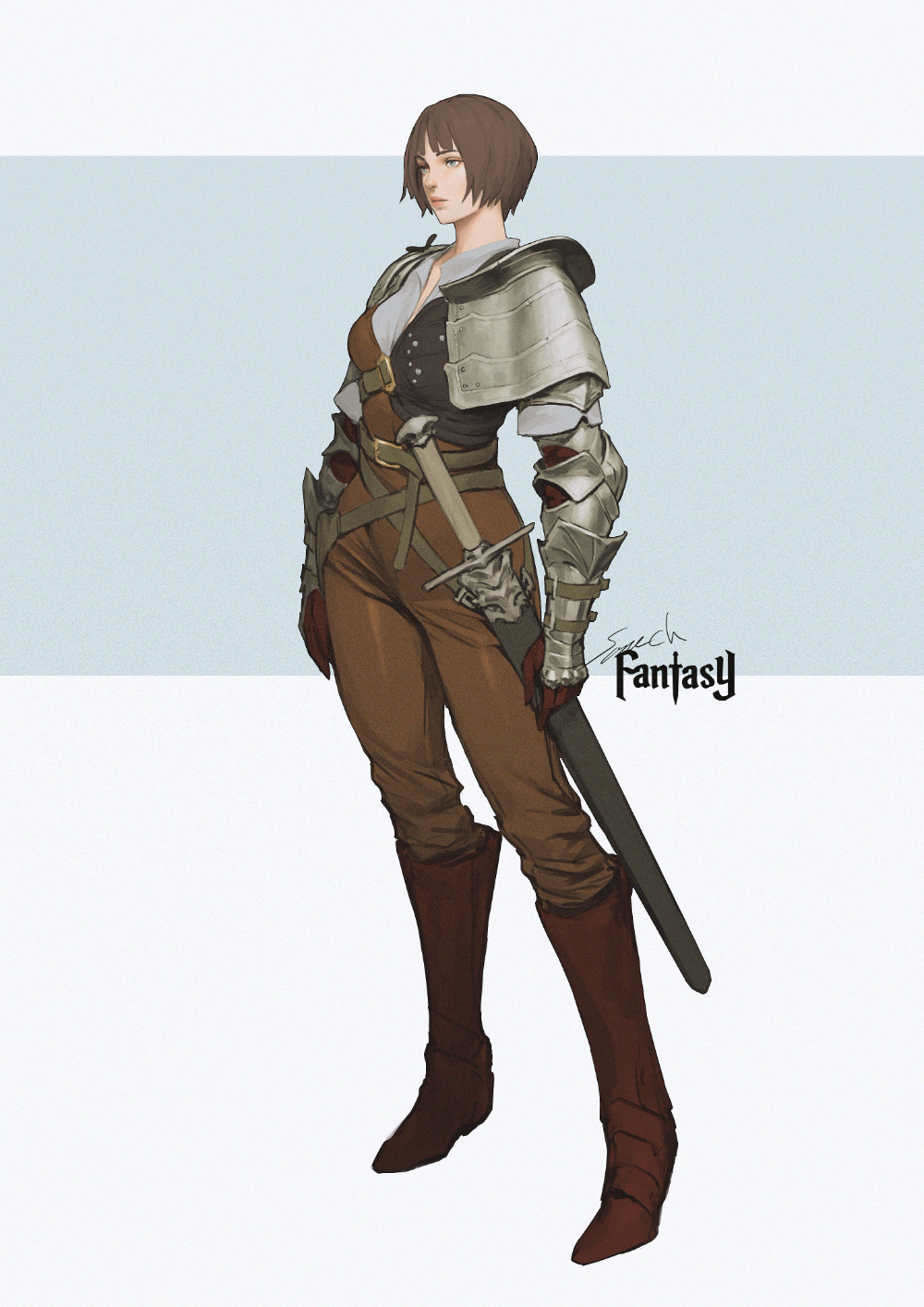
2.1 Styling Tips for Distinct Fantasy Archetypes
2.1.1 The Rogue: Prioritizing Stealth and Utility Layers
When styling a rogue, the focus must shift toward functionality and mobility. Start with a base of fitted, dark-toned fabrics that allow for movement. Layering is key here—use a slim-fit tunic under a leather harness or a tactical vest. Avoid overly bulky fabrics; instead, opt for durable, matte materials that suggest a life spent in the shadows. Incorporate multiple small pouches and concealed pockets to store essential gear, reinforcing the character’s preparedness for any situation.
2.1.2 The Royalty: Managing Restrictive Silhouettes and Opulent Embroidery
Royalty demands a regal silhouette that commands attention. To achieve this, utilize rigid structures like corsets or stiffened brocade doublets that create an imposing shape. Opulence is conveyed through high-contrast embroidery, faux fur trim, and rich, saturated jewel tones. While these outfits often feature restrictive silhouettes, prioritize comfort by ensuring the undergarments provide proper support, allowing you to carry the weight of heavy capes or layered velvet robes with the poise of a true sovereign.
2.1.3 The Magic User: Implementing Flowing Silhouettes and Elemental Motifs
Magic users benefit from fluid, ethereal silhouettes. Lightweight fabrics like chiffon, silk, or open-weave linen move beautifully with the wearer, simulating the weightlessness associated with spells or flight. Incorporate elemental motifs through color palettes and physical adornments; for example, use intricate beadwork that mimics water droplets or flame-inspired jagged hemlines. This is where accessory coordination games offer excellent inspiration for layering jewelry that feels mystical and ancient.
2.2 Sourcing and Modifying Garments for Authenticity
2.2.1 Curating Pieces from Thrift Stores and Indie Brands
Authentic fantasy character attire does not require a massive budget. Thrift stores are gold mines for base layers—look for items made from natural fibers like cotton, wool, or linen. These materials dye and distress much better than synthetics. Mix these finds with unique pieces from indie brands that specialize in fantasy-adjacent aesthetics to add professional-grade polish to your ensemble.
2.2.2 Techniques for Aging and Distressing Fabrics
To move beyond a “costume” look, you must add history to your garments. Use sandpaper or a wire brush to fray hems and create wear patterns on areas of high friction. A light tea or coffee stain can neutralize the “too-new” look of store-bought fabrics, while dabs of watered-down acrylic paint can replicate mud or grime for a more lived-in, adventurous appearance.
2.2.3 Simple Modifications for Custom Hardware and Trim
Elevate basic garments with hardware swaps. Replace plastic buttons with brass, bone, or leather toggles. Adding custom trim, such as antique-looking lace or iron-on leather patches, can transform a generic shirt into a unique fantasy piece. These small modifications bridge the gap between real-world clothing and imaginative design.
2.3 The Cohesive Styling Audit
2.3.1 Step-by-Step Checklist for Character Consistency
Conduct a final audit to ensure your look is cohesive. Ask yourself: Do the colors harmonize across all layers? Does the level of wear—the aging on your boots, the fraying on your cloak—look consistent across the entire outfit? If one piece looks pristine while another looks battle-worn, the visual narrative breaks down. Ensure every accessory serves a purpose, whether thematic or functional.
2.3.2 Refining the Hero Piece to Anchor the Ensemble
Every great look needs a “hero piece”—a standout element that anchors the entire design. This might be a detailed chest plate, a dramatic cloak, or an intricate piece of jewelry. Once this piece is established, ensure the rest of your outfit supports it rather than competing with it. Balance is the difference between a cluttered costume and a curated, iconic character aesthetic.
2.4 Frequently Asked Questions
2.4.1 Methods for Achieving a Worn-In Appearance
Beyond mechanical distressing, consider washing fabrics with salt or pumice stones to soften fibers and remove the chemical factory finish. For leather, use a light leather conditioner and work it in manually to add subtle creases.
2.4.2 Aligning Attire with Specific Magical Abilities
Tie your aesthetic to your character’s school of magic. Necromancers might use bone-colored accents and tattered, dark fabrics, while druids should favor organic textures, moss-like greens, and natural wooden jewelry to reflect their connection to the earth.
2.4.3 Fabric Selections for Comfort in Warm Climates
Avoid heavy polyesters. Opt for light, breathable linens and cotton-blends. Keep layers loose to allow for airflow, and prioritize moisture-wicking under-layers to keep comfortable during long event days.
2.4.4 Integrating Modern Elements Without Breaking Immersion
If you must use modern base layers for comfort, cover them. Use long vests, belts, or waist cinchers to hide modern waistbands, and ensure zippers are covered by fabric flaps or decorative trim.
2.4.5 Maintaining Functionality in Complex Multi-Layered Outfits
Focus on independent layer mobility. Ensure that your outer layers, like capes or heavy coats, can be easily removed or pinned back. Use strategically placed snaps or hidden hooks to keep layers in place while moving.
Mastering the art of fantasy character attire is about more than just pulling together a costume; it is an exercise in visual storytelling. By carefully balancing historical silhouettes with imaginative textures, color theory, and intentional layering, you can transform a collection of garments into a fully realized persona. Whether you are aiming for the rugged utility of a wandering rogue, the opulence of royalty, or the ethereal grace of a powerful magic user, the key lies in the thoughtful coordination of every detail—from the base layers to the final accessory.
Remember that authenticity in your look often comes from the lived-in details, such as subtle distressing or the purposeful choice of materials that signal your character’s social standing and history. If you are looking to refine your creative process further, exploring outfit planning and dress-up techniques can provide excellent inspiration for building your unique aesthetic. Approach your next character design with curiosity, embrace the experimentation process, and allow your creativity to bring your fantasy vision to life. The world of character styling is vast, and with these foundational strategies, you now have the tools to create an ensemble that is as narrative-driven as it is visually striking.