
There is a unique sense of satisfaction that comes from solving a complex challenge by manipulating the virtual world around you. Physics puzzle games have carved out a massive niche in the gaming landscape, turning fundamental concepts like momentum, trajectory, and weight into engaging digital experiences. Whether you are aiming to trigger a chain reaction to reach a goal or constructing a complex bridge that must hold under pressure, these titles demand a blend of analytical thinking and creative experimentation. For many, these games are more than just a way to kill time; they are an excellent mental workout that pushes you to understand the rules of a simulated reality.
In this guide, we will explore the best physics-based challenges available today, helping you find your next obsession. From casual web-based brain teasers to deep, immersive engineering simulations, we cover everything you need to know about the genre. You will learn how to master spatial reasoning, understand the mechanics of gravity-defying systems, and choose the right games to sharpen your problem-solving skills.
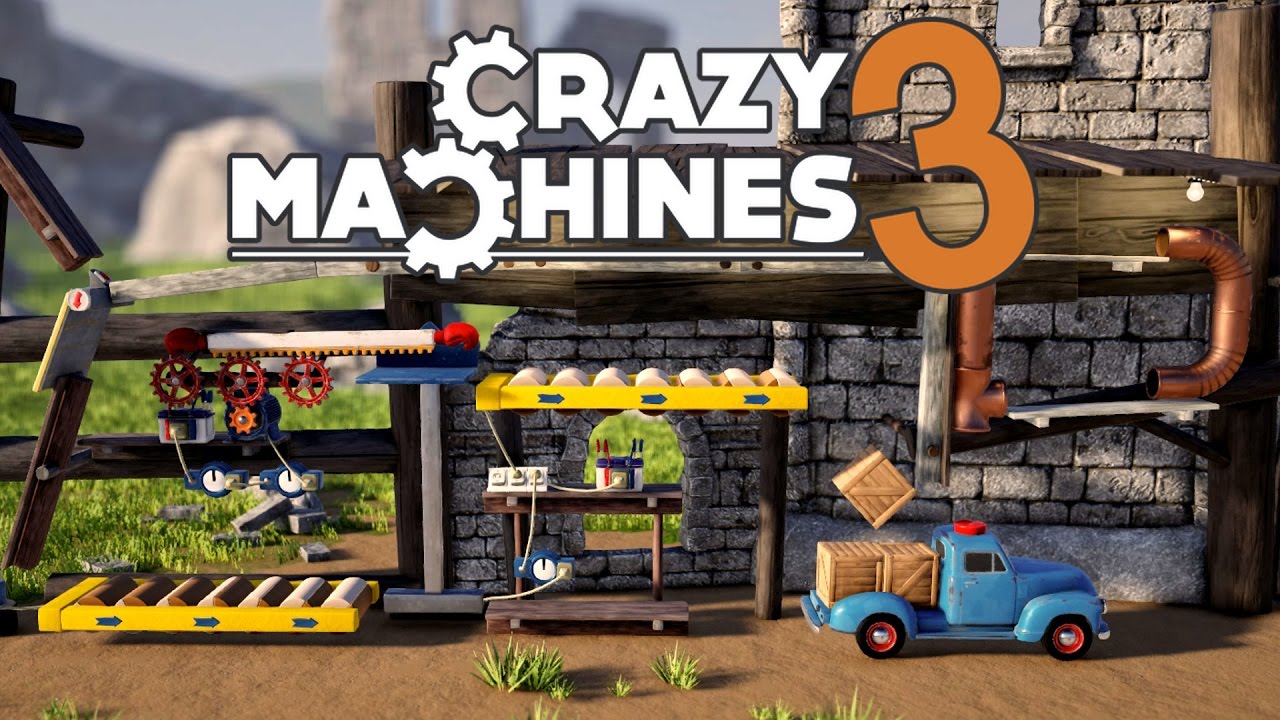
1. Mastering the Mechanics and Psychology of Physics Puzzle Games
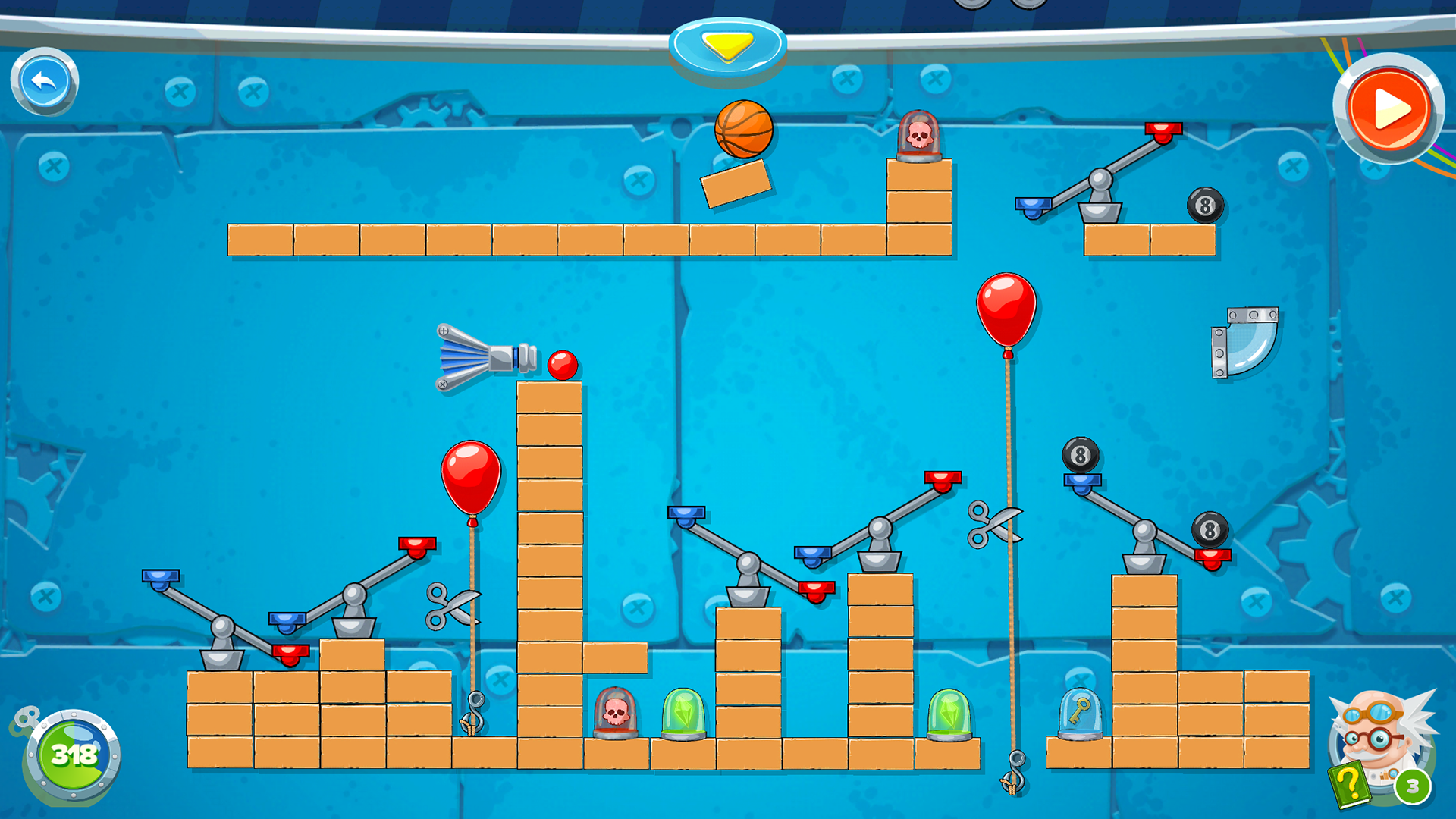
1.1 Defining Core Gameplay Mechanics in Spatial Puzzles
1.1.1 How Newtonian Physics Influences Momentum and Trajectory
At the heart of every great physics puzzle game lies a simulated world governed by consistent rules. Developers use Newtonian mechanics to create predictable environments where objects respond to force, velocity, and inertia in ways that mirror our own reality. By understanding these principles, you can anticipate how an object will react when hit or thrown. Whether you are calculating the perfect arc for a projectile or managing the speed of a rolling sphere, you are essentially practicing applied physics. Mastery comes from learning how momentum carries through complex chain reactions, allowing you to turn simple interactions into elegant solutions.
1.1.2 The Role of Friction and Environmental Interaction in Level Design
Friction is the unsung hero of level design. It dictates whether a box will slide effortlessly across a polished floor or grind to a halt on a rough surface. Developers manipulate these coefficients to introduce variables that force you to reconsider your approach. Beyond just movement, environmental interaction—such as wind resistance, buoyancy, or magnetic polarity—adds layers of complexity to these logic puzzle games. Recognizing how materials interact with one another allows you to manipulate the environment to your advantage, transforming an impassable barrier into a helpful tool.
1.1.3 Leveraging Gravity and Mass as Primary Puzzle Elements
Physics based gravity puzzles often flip the script by changing the direction or intensity of the world’s natural pull. When gravity is no longer a constant downward force, the entire spatial landscape shifts. Mass plays a critical role here; heavier objects offer stability and anchoring, while lighter objects can be manipulated with minimal force. By toggling gravity or shifting the density of interactive elements, you move beyond basic navigation and into the realm of architectural problem-solving.
1.2 The Cognitive Benefits of Engaging with Spatial Logic
1.2.1 Strengthening Problem Solving and Executive Function
Engaging with complex systems enhances executive function by requiring you to plan, prioritize, and switch between different strategies. These games serve as a gym for your brain, forcing you to break down large, intimidating goals into manageable mechanical steps. Just as you might organize your home or manage a schedule, these puzzles require you to assess resources and execute a logical sequence of actions to reach a successful outcome.
1.2.2 Building Persistence Through Trial and Error Loops
The hallmark of a great physics title is the feedback loop. When a plan fails, the game immediately shows you exactly where the trajectory went wrong or why the mass was insufficient. This rapid feedback encourages a growth mindset, turning failure into a data point rather than a defeat. You learn that persistence is the most valuable tool in your arsenal, often leading to a “eureka” moment that feels earned through cognitive effort.
1.2.3 Developing Spatial Reasoning Through Virtual Environments
Physics games demand that you visualize outcomes in three-dimensional space before you ever trigger an action. This constant mental mapping sharpens your spatial reasoning skills, helping you better understand depth, orientation, and perspective. This is not just digital play; it is an exercise in mental rotation and object manipulation that translates to real-world tasks. If you enjoy sharpening your mind with logic and strategy, you might also appreciate the mental agility required in the best online mini games that challenge your reflexes and planning skills.
1.3 Classifying Your Preferred Playstyle
1.3.1 Immersive First-Person Perspectives
First-person titles prioritize presence and scale. By placing you directly inside the simulation, these games transform the environment into a tangible puzzle. You are not just clicking buttons; you are physically interacting with the game world, which heightens your spatial awareness and makes the resolution of each puzzle feel deeply satisfying.
1.3.2 Tactile Mobile Draw and Solve Mechanics
Mobile platforms excel at touch-based interfaces, making them perfect for “draw and solve” mechanics. In these games, you might sketch bridges, barriers, or levers directly onto the screen. The tactile nature of these controls creates a more direct connection between your intent and the physics simulation, providing a casual yet deeply engaging experience.
1.3.3 Open Ended Sandbox and Engineering Simulations
For those who prefer construction over strict problem-solving, engineering sandboxes offer the ultimate creative freedom. These titles focus on building machines—be it cars, airplanes, or complex contraptions—and then testing them against the game’s physical constraints. There is rarely one “correct” way to finish a level, as the game rewards your ingenuity and ability to build structures that survive the brutal laws of physics.
2. Curating the Best Physics Puzzle Games Across Platforms
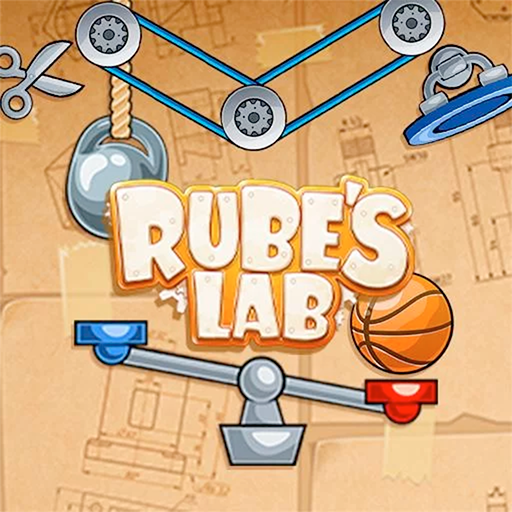
2.1 Top Tier Recommendations by Genre
The landscape of physics puzzle games is vast, offering everything from relaxing logic-based brain teasers to high-stakes environmental manipulation. To find the right fit, it helps to categorize titles by how they utilize Newtonian mechanics and spatial awareness.
2.1.1 Essential First Person Titles for PC and Console
First-person titles often excel at immersing you in a world where gravity, momentum, and trajectory are your primary tools. Portal 2 remains the gold standard, requiring players to utilize spatial reasoning to navigate impossible geometry. Similarly, Superliminal plays with forced perspective, forcing you to think about how object size changes based on your distance to an item, effectively blending optical illusions with physical rules.
2.1.2 Engaging Mobile Physics Challenges for Casual Play
Mobile platforms are perfect for tactile experiences where touch controls simplify complex interactions. Games like Cut the Rope rely on precise timing and an understanding of pendulums and gravity to guide objects to a goal. These games are excellent for short bursts of play, rewarding players who can quickly visualize the outcome of their actions.
2.1.3 Complex Systemic and Time Manipulation Games
For those who crave deeper mental exertion, systemic puzzle games offer layered challenges. Titles like Baba Is You rewrite the rules of the game environment, while others incorporate time manipulation to allow for retroactive fixes to botched experiments. These games challenge your executive function by requiring you to manipulate multiple variables simultaneously.
2.1.4 Advanced Engineering Sandbox Experiences for Creative Players
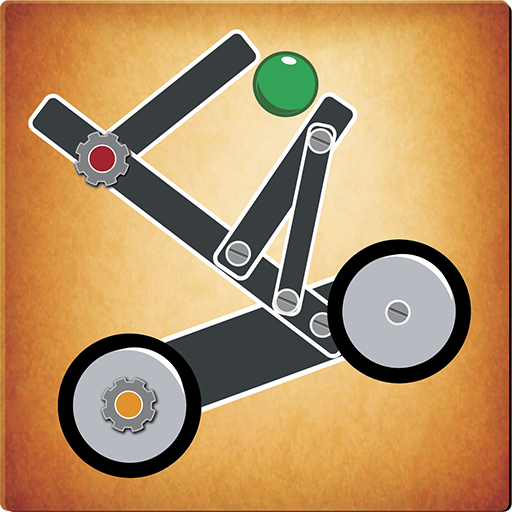
If you prefer building over simply navigating, engineering sandboxes allow you to construct complex machines from scratch. Games like Besiege challenge you to build siege engines that account for weight, center of gravity, and structural integrity. This category provides an open-ended approach, letting you solve physics-based gravity puzzles through trial and error as you refine your blueprints.
2.2 Strategic Approaches to Improving Your Performance
Mastering these games requires moving beyond brute-force guessing and adopting a more analytical mindset. By breaking down the game world into its constituent physical components, you can solve even the most difficult logic puzzle games with efficiency.
2.2.1 How to Effectively Deconstruct Complex Mechanical Systems
When you encounter a sprawling puzzle, stop and identify the core mechanic first. Is it a matter of mass displacement, or are you fighting against friction? By isolating each object, you can understand its potential movement before committing to a plan. If you are struggling with a sequence, look for the “anchor” object—the piece that dictates how everything else moves.
2.2.2 Techniques for Visualizing Outcomes Before Executing Moves
The best players often perform a mental simulation of their actions. Before you flick a switch or launch an object, trace the expected trajectory in your mind. Take note of environmental hazards like slopes or moving barriers that could alter your path. This cognitive practice, often used in competitive strategy games, helps you anticipate potential failures before they occur.
2.2.3 Knowing When to Seek Hints Versus Taking a Break
Persistence is key, but frustration is the enemy of logic. If you find yourself mindlessly repeating the same failed sequence for more than ten minutes, step away. A fresh perspective can reveal spatial reasoning riddles that were previously obscured by mental fatigue. If you eventually decide to check a guide, look for “nudge” hints that explain the logic rather than showing you the exact solution.
2.3 Choosing the Optimal Hardware for Physics Simulations
Your choice of platform can significantly influence your experience with physics-based gravity puzzles. Each piece of hardware offers a unique interface for interacting with virtual mass and motion.
2.3.1 Why PC and Console Excel at High Fidelity 3D Puzzles
PC and console platforms provide the processing power necessary for complex, high-fidelity physics engines. When a game involves hundreds of moving parts or intricate fluid dynamics, the precision of a mouse or a controller with haptic feedback is essential. This allows for nuanced control over aim and force, which is critical when dealing with intricate spatial puzzles.
2.3.2 The Unique Advantages of Touch Controls on Mobile Devices
Mobile devices offer a level of intimacy with the puzzle that consoles lack. The directness of touch controls makes interaction feel more organic, especially in games that involve drawing lines, dragging objects, or flicking mechanics. For more examples of accessible gaming, you can explore our guide to the best online mini games, which highlights many titles that mirror these tactile, browser-based experiences.
2.3.3 Exploring the Future of Spatial Immersion with VR
Virtual Reality (VR) represents the next frontier for this genre. By putting the player inside the puzzle, VR enhances your depth perception and spatial awareness in ways that 2D screens cannot replicate. Handling objects in a 3D space with your own hands makes physical interactions feel intuitive, turning simple gravity challenges into deeply immersive, life-like simulations.
Physics puzzle games offer a uniquely rewarding blend of mental stimulation and creative problem-solving. By bridging the gap between abstract logic and tangible, real-world mechanics, these games do more than just provide entertainment; they actively sharpen your spatial reasoning and patience. Whether you are manipulating gravity to navigate a labyrinth or engineering complex machines in an open-ended sandbox, the satisfaction found in these titles comes from a deep, intuitive understanding of how the world reacts to your choices.
As you continue to explore the genre, remember that the goal is not always to find the fastest solution, but to experiment with the underlying systems. If you find yourself stuck, don’t be afraid to take a step back or experiment with a completely different approach. For those looking to mix up their gaming diet, you might also enjoy discovering new challenges in our guide to the best online mini games to keep your reflexes and logic skills sharp. Regardless of your platform or preferred difficulty level, the world of physics-based gaming is vast and ever-evolving, promising countless hours of rewarding, brain-teasing fun. Keep experimenting, keep building, and most importantly, enjoy the process of turning physical chaos into elegant, mechanical success.


Pingback: Best Guitar Rhythm Games: Mastering Beat Matching & Tracks - GameTurn
Pingback: Best Point and Click Quests: A Guide to Mystery & Fantasy - GameTurn
Pingback: Coding Logic Puzzles: Best Tips for Better Problem Solving - GameTurn
Pingback: Rotating Block Puzzles: Tips, Benefits & Gameplay Guide - GameTurn
Pingback: Mastering Hidden Object Discovery: Essential Brain Teasers - GameTurn