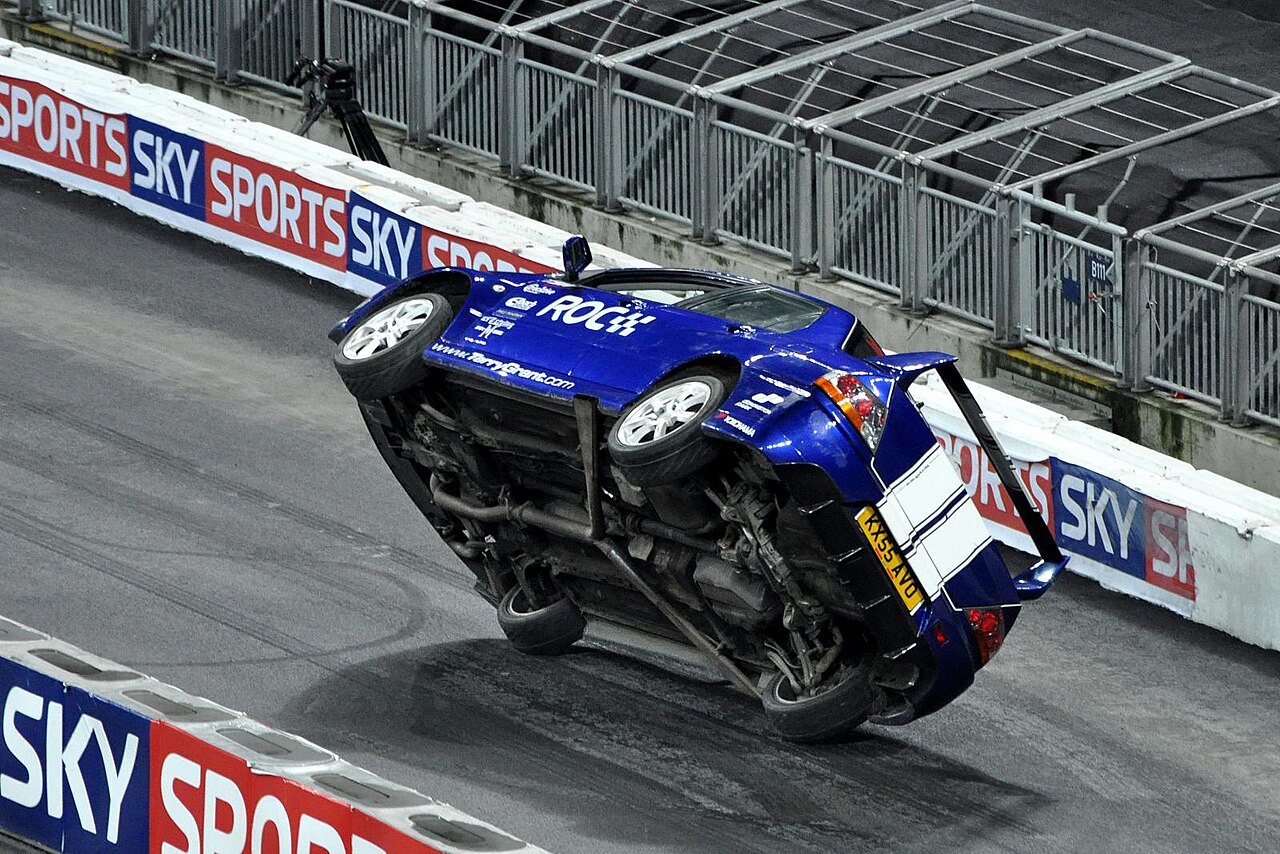
Whether you are navigating narrow platforms, launching off massive ramps, or threading the needle through chaotic environments, stunt track driving is a demanding discipline that separates casual players from true automotive artists. It is not just about raw speed or hitting the gas; it requires an intimate understanding of how your vehicle interacts with the road surface, gravity, and momentum. To conquer the most complex courses, you must move beyond basic steering and begin thinking in terms of balance, grip, and timing.
In this guide, we will break down the essential mechanics behind high-stakes driving. You will learn how to master physics based vehicle handling, execute precision maneuvers under pressure, and prepare your ride to withstand the most grueling track conditions. By balancing technical knowledge with real-world control tactics, you will gain the edge needed to navigate even the most daunting stunt environments with confidence. From optimizing your racing line to mastering complex drift transitions, these insights are designed to sharpen your skills and elevate your performance on every virtual circuit.
Mastering the Physics and Techniques of Stunt Track Driving
Achieving mastery in stunt track driving requires more than just raw speed; it demands a deep understanding of how your vehicle interacts with the environment. When you push a car to its limits on complex, obstacle-filled tracks, you are essentially engaging in a high-stakes dance with kinetic energy. To excel, you must move beyond basic steering and braking, shifting your focus toward the mechanical forces that dictate your car’s behavior.
Understanding Vehicle Dynamics and Weight Transfer
At the heart of every successful maneuver is the mastery of weight transfer. Every time you accelerate, brake, or turn, the mass of your vehicle shifts across its chassis, directly affecting tire grip. Understanding these dynamics is the foundation of physics based vehicle handling.
Managing Pitch, Roll, and Yaw for Car Stability
Stability is maintained by managing three key rotational forces. Pitch occurs during acceleration or braking, shifting weight between the front and rear axles. Roll happens during cornering, affecting lateral balance, while yaw describes the car’s rotation around its vertical axis. By smoothing your inputs, you keep these forces predictable, ensuring the tires remain in constant contact with the track surface.
Controlling Traction Limits Through Slip Angles
Every tire has a specific slip angle—the difference between where the wheel is pointed and the direction the vehicle is actually traveling. When you drift or slide, you are intentionally exceeding the tire’s grip threshold. Learning to hold the car at the edge of this limit allows for controlled, high-speed maneuvers without losing total momentum.
The Impact of Center of Gravity on Maneuverability
The center of gravity is the invisible fulcrum of your car. A lower center of gravity reduces body roll and makes the vehicle more responsive to quick directional changes, which is vital on tight stunt tracks. Recognizing how your specific vehicle setup—such as height and weight distribution—affects this balance will help you decide which lines to take during technical sequences.
Fundamental Track Driving Precision Tactics
Precision driving is about consistency and the ability to link maneuvers together seamlessly. To level up your skills, consider studying the foundational strategies found in Highway Endurance Racing: Physics, Strategy, and Tactics to better understand how these core principles apply to longer, more punishing race environments.
Optimizing the Racing Line via Entry, Apex, and Exit
The racing line is the most efficient path through a corner. By entering wide, hitting the apex—the innermost point of the turn—and exiting wide, you maximize your minimum speed and prepare the car for the next straightaway. This geometric approach minimizes the steering angle, allowing you to maintain higher velocities throughout the turn.
Executing Threshold Braking to Maximize Deceleration
Threshold braking is the act of applying the maximum possible brake pressure without locking the wheels. This technique allows you to slow down as late as possible before a jump or tight obstacle, giving you more time to navigate the hazard ahead.
Utilizing Trail Braking for Superior Corner Rotation
Trail braking involves carrying a small amount of brake pressure past the turn-in point and deep into the corner. As you ease off the pedal, the weight shifts toward the front tires, providing extra bite and helping the car rotate more sharply into the turn. It is an essential tool for navigating hairpins or sudden track shifts.
Maintaining Stability Through Advanced Throttle Modulation
Throttle control is just as important as steering. Rather than treating the gas pedal as an on-off switch, use incremental pressure to manage weight balance. Smooth, progressive throttle application on the exit of a stunt jump prevents wheel spin and keeps the chassis settled, ensuring you land with maximum control.
2. Essential Stunt Driving Skills and Vehicle Preparation

2.1 Advanced Maneuvering and Stunt Tactics
Executing high-level maneuvers requires more than just raw speed; it demands a deep understanding of how your vehicle reacts under pressure. Mastering these techniques transforms basic driving into a controlled display of precision.
2.1.1 Mastering Drift Control for Sustained Slides
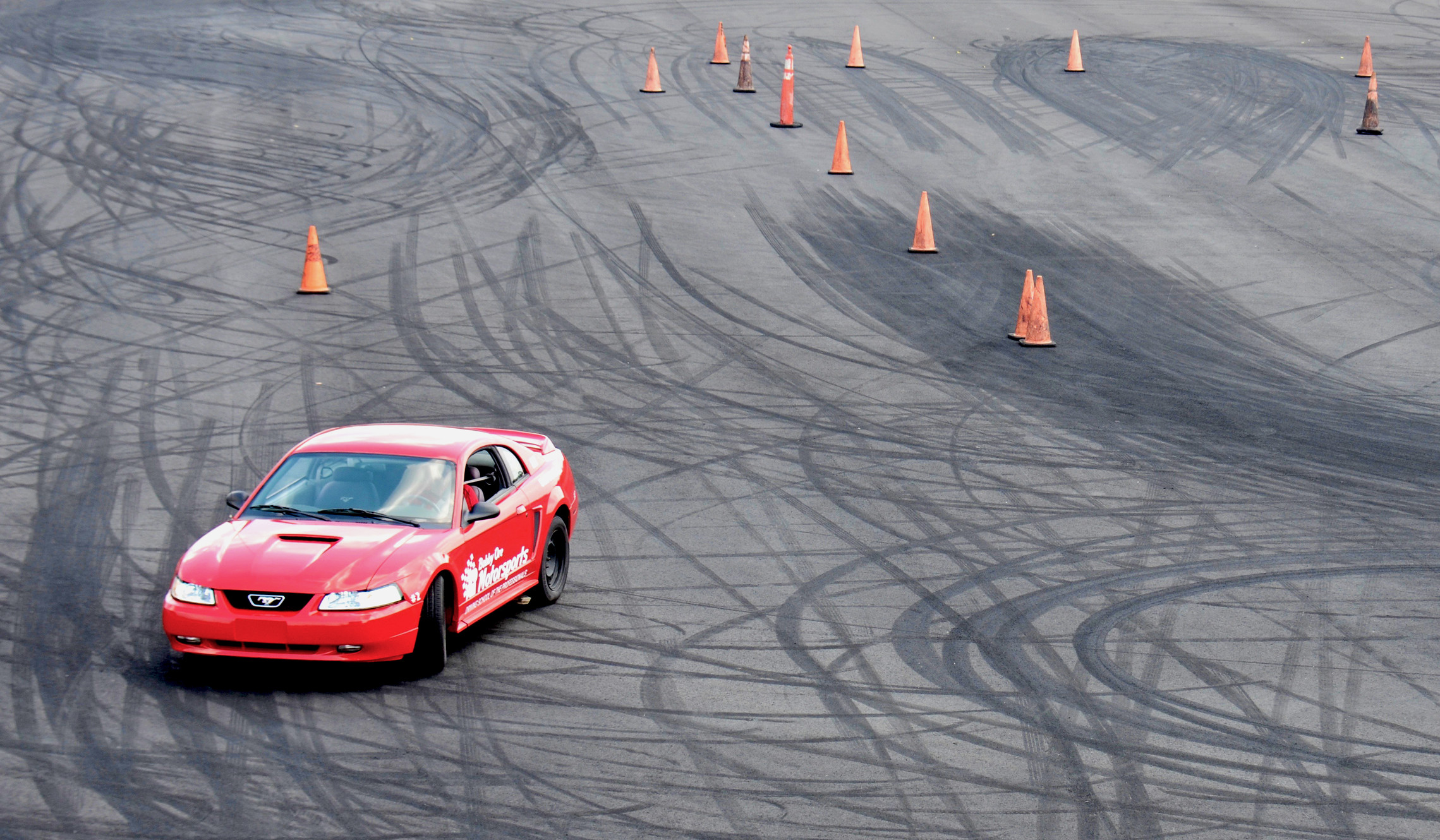
Drifting is essentially a controlled loss of traction at the rear wheels. To sustain a slide, you must balance throttle input and steering angle. Initiate the drift by inducing oversteer, then counter-steer to point the front tires toward the desired exit. Use the throttle to maintain wheel spin, which keeps the rear end rotated, while adjusting your steering to control the angle of the drift.
2.1.2 Precision Handbrake Turns for 180 and 360 Degree Rotations
The handbrake is your most reliable tool for rapid changes in direction. To perform a 180-degree turn, initiate a sharp steering input, pull the handbrake to lock the rear wheels, and immediately release it once the vehicle begins to rotate. For 360-degree spins, maintain consistent momentum and modulate the throttle to help the vehicle pivot around its center of gravity.
2.1.3 Performing J-Turns and Reversing Maneuvers Safely
A J-turn involves transitioning from reverse to forward gear in a single fluid motion. While reversing at a moderate speed, turn the steering wheel sharply in one direction. The resulting momentum swings the nose of the vehicle around, allowing you to quickly shift into drive and accelerate away. Always practice these in open areas to avoid collisions with environmental obstacles.
2.1.4 Developing Evasive Steering Skills for Obstacle Avoidance
Stunt track environments often feature sudden hazards. Evasive steering relies on weight transfer; by performing a quick flick of the wheel, you shift the car’s weight, which can be used to carve around a pylon or barrier. Combining this with traffic avoidance racing logic helps you anticipate movement patterns and react before a collision becomes inevitable.
2.2 Vehicle Optimization and Essential Safety Protocols
Your performance on the track is only as good as the preparation you put into your machine. Without proper calibration and safety measures, even the most skilled driver will struggle to maintain consistency.
2.2.1 Fine-Tuning Tire Pressure and Suspension Settings
Tire pressure dictates your contact patch size and grip levels. Lowering pressure slightly can increase traction during drift maneuvers, while stiffer suspension settings are critical for high-speed stability on complex tracks. Adjust these settings within your vehicle modification workshops to ensure your car remains predictable during aggressive weight transfers.
2.2.2 Mandatory Safety Gear Including Helmets and Harnesses
Never prioritize the stunt over your well-being. A high-quality helmet and a multi-point racing harness are non-negotiable. These items secure you within the cockpit, ensuring that your focus remains entirely on steering and throttle inputs rather than bracing for impact.
2.2.3 Conducting Pre-Track Inspections for Fluid and Brake Health
Stunt driving puts immense stress on your vehicle. Before starting, check your brake fluid levels and ensure pads have sufficient thickness to handle repeated threshold braking. Also, verify that engine coolant and oil levels are topped off, as intense maneuverability often generates excessive heat.
2.2.4 Cultivating Mental Preparedness and Situational Awareness
Physical skills are useless without the right mindset. Stunt driving requires high-speed decision-making and spatial awareness. Visualize your line before entering the track, and maintain a calm, analytical approach to every maneuver to prevent costly mistakes.
Mastering the art of stunt track driving is a journey that balances raw mechanical intuition with disciplined technical practice. By understanding the core principles of vehicle dynamics—from weight transfer to precise throttle modulation—you can transform your performance from erratic to masterful. Remember that true control on the track isn’t just about speed; it is about maintaining consistency, respecting your vehicle’s physical limits, and staying mentally sharp throughout every maneuver.
As you refine your approach, don’t overlook the importance of vehicle maintenance. Ensuring your car is properly configured can be the difference between a successful landing and a failed stunt. For those ready to take their technical knowledge to the next level, our guide on vehicle modification workshops offers deep insights into how custom tuning can directly enhance your handling capabilities in high-stakes environments.
Whether you are tackling complex drift circuits or precision obstacle courses, the habits you build today will define your success on the track. Keep practicing, stay committed to safety, and continue testing your limits in the pursuit of automotive excellence. Every session behind the wheel is a chance to sharpen your skills and push closer to perfection.