Highway endurance racing is the ultimate test of both machine reliability and human perseverance. Unlike traditional circuit racing, which relies on consistent, closed-course conditions, this high-stakes discipline demands a unique fusion of mechanical precision and real-time decision-making on public or semi-public arteries. Whether you are aiming to shave seconds off a long-distance run or competing in a simulated rally, the goal remains the same: maintaining maximum velocity while preserving your vehicle’s structural integrity over hundreds of miles. To succeed, you must master the intersection of physics-based vehicle handling and the unpredictable nature of open-road environments.
In this guide, we will break down the essential components of competitive endurance driving. You will learn how to refine your vehicle modification workshops for long-term durability, implement advanced strategies for traffic avoidance racing, and manage the intense physical and mental strain that defines elite performance. By bridging the gap between engineering theory and practical track-day tactics, we provide a blueprint for anyone looking to master the art of the long-distance sprint.
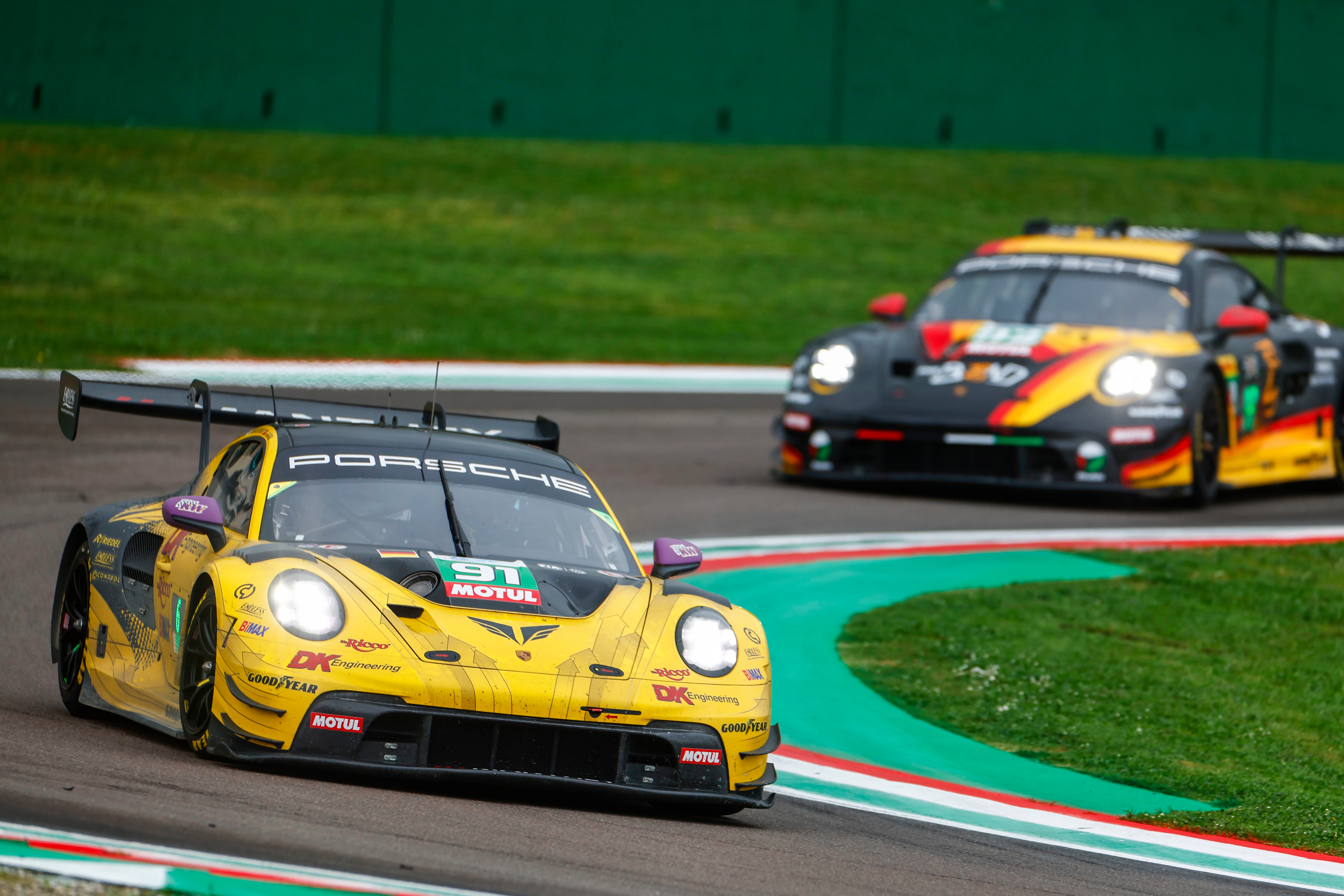
1. The Physics and Engineering Foundations of Highway Endurance Racing
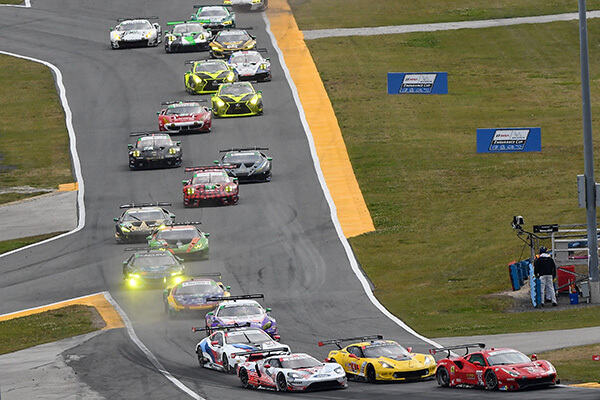
Highway endurance racing demands a deep understanding of vehicle dynamics, as maintaining peak performance over hundreds of miles is as much about mechanical sympathy as it is about raw speed. At its core, this discipline relies on physics-based vehicle handling to ensure that a car remains stable and predictable throughout extended stints. Every modification must be balanced against the grueling reality of sustained high-speed operation, where minor inefficiencies in design become major liabilities over time.
1.1 Aerodynamics and Friction Dynamics
1.1.1 Optimizing Drag Coefficients for Long-Distance Efficiency
To excel in long-distance events, streamlining is paramount. Reducing the drag coefficient is not just about top speed; it is about minimizing the energy required to cut through the air, which directly correlates to fuel efficiency and engine load. Teams often focus on sealing gaps in body panels and utilizing undertray diffusers to manage airflow. By stabilizing the air around the chassis, you reduce the turbulence that typically causes drag, allowing the engine to maintain higher average speeds without the exponential increase in thermal output.
1.1.2 Tire Degradation Models and Surface Interaction
Tires are the most critical interface between the machine and the asphalt. In endurance scenarios, the goal is to manage heat cycling to prevent rubber degradation. High-speed highway runs can cause surface temperatures to skyrocket, leading to grip loss and unpredictable handling. By analyzing surface interaction data, drivers can adjust their cornering lines and braking intensity to preserve tread life. Proper pressure management is also vital, as highway racing often involves varied road surfaces that necessitate a setup capable of adapting to microscopic changes in friction.
1.2 Thermal Management of Critical Components
1.2.1 Engine and Transmission Cooling Strategies
Endurance racing exposes the drivetrain to relentless heat. Effective cooling strategies, such as ducting air directly toward the oil cooler and transmission fluid heat exchanger, are essential to prevent power-sapping thermal throttling. If the engine is pushed too hard without adequate dissipation, mechanical failure is inevitable. Many enthusiasts look to vehicle modification workshops to install high-capacity radiators or specialized airflow shrouds that ensure these components operate within their optimal thermal window throughout the entire event.
1.2.2 Brake Duty Cycles and Fade Prevention
Consistent braking performance is the difference between a podium finish and a DNF. Endurance setups require brake pads and fluid designed for high duty cycles to resist brake fade. Repeated high-speed deceleration builds immense thermal energy, which can lead to boiling brake fluid. Ducting air to the rotors is a non-negotiable step to ensure that the pedal feel remains firm and responsive, no matter how many hours have passed.
1.3 Mass Dynamics and Fuel Load Optimization
1.3.1 Managing Shifting Centers of Gravity during Stints
As fuel burns, the vehicle’s mass distribution changes, shifting the center of gravity. This affects how the car rotates into corners and handles at highway speeds. A full tank provides stability but increases inertia, while a near-empty tank makes the car agile but potentially twitchy. Drivers must adapt their input style as the fuel load drops, compensating for the lighter rear end and the resulting change in turn-in characteristics.
1.3.2 Calculating the Cost-Benefit Ratio of Weight versus Power
Every ounce added for durability must be weighed against its impact on performance. While adding auxiliary cooling systems or heavy-duty components adds weight, the reliability they provide often offsets the marginal loss in acceleration. The goal is to build a chassis that is light enough to be competitive but robust enough to endure the mechanical stress of hours of continuous high-speed transit.
1.4 Energy Management Systems
1.4.1 Fuel Mapping and Throttle Modulation
In endurance racing, winning isn’t always about being the fastest on every straight; it’s about efficiency. Advanced fuel mapping allows engines to operate at lean mixtures during cruising phases, conserving fuel for when it is needed for overtaking. Mastering smooth throttle modulation helps maintain speed while reducing the fuel consumption rate, extending the time between necessary stops and giving the team a tactical advantage.
1.4.2 Regenerative Braking and Electric System Longevity
For hybrid endurance vehicles, energy recovery is a secondary fuel source. Properly managing when to trigger regenerative braking can maximize electric assist deployment, providing that extra boost during heavy acceleration. Long-term battery health depends on keeping the system within a safe temperature range, ensuring that the electrical architecture supports the demands of a multi-hour endurance run without declining in power output.
2. Strategic Tactics and Operational Execution in Highway Endurance Racing
2.1 Advanced Race Strategy and Data Modeling
2.1.1 Telemetry Analysis for Predictive Pace Setting
Success in highway endurance racing relies on turning raw data into actionable speed. Teams must utilize real-time telemetry to monitor tire temperatures, oil pressure, and fuel consumption patterns. By establishing a predictive pace—a rhythm that balances absolute speed with mechanical conservation—drivers can maintain consistency over grueling stints. This baseline allows teams to adjust inputs dynamically rather than reacting impulsively to the flow of traffic.
2.1.2 Optimizing Pit Stop Windows and Fuel Strategy
Fuel management is the cornerstone of any long-distance race. Teams must map out precise windows for refueling, factoring in current engine efficiency and ambient conditions. Every stop is an opportunity to lose time, so optimizing the “splash-and-go” strategy is vital. Decisions on when to pit should be driven by fuel-burn data rather than arbitrary timing, ensuring the car remains in the thick of the competition for as long as possible.
2.1.3 Simulation Training for Real-World Race Conditions
Before hitting the asphalt, top-tier competitors engage in rigorous simulation training. This practice allows drivers to familiarize themselves with the course and develop a muscle memory for the specific mechanical stressors of the vehicle. Through these digital environments, teams can stress-test their setup and refine their approach to traffic avoidance racing.
2.2 Human Factors and Performance Maintenance
2.2.1 Mitigating Driver Fatigue and Cognitive Load
Endurance is as much a mental game as it is physical. High-speed highway driving requires intense focus; to combat fatigue, teams often implement strict hydration protocols and nutritional planning. Minimizing cognitive load—the mental energy expended on secondary tasks—allows the driver to prioritize immediate sensory feedback, ensuring better decision-making during the final hours of a race.
2.2.2 Standardizing Driver Handover Protocols
Efficiency during driver swaps is non-negotiable. Standardizing every movement, from seat adjustments to telemetry handoffs, prevents costly delays. By practicing these protocols in a vehicle modification workshop environment, teams ensure that the transition remains seamless, keeping the car’s momentum steady throughout the entire event.
2.3 Real-Time Tactical Adaptability
2.3.1 Traffic Navigation in Mixed-Class Environments
High-density scenarios demand superior spatial awareness. Drivers must master the art of predicting the movement of slower vehicles, identifying passing lanes, and utilizing slipstreams to conserve energy. Success here is about identifying the “path of least resistance” without forcing dangerous maneuvers that could jeopardize the machine.
2.3.2 Defensive Driving without Sacrificing Mechanical Conservation
Defensive driving is not just about blocking; it is about protecting the vehicle’s mechanical health while maintaining a competitive line. By keeping smooth inputs and avoiding harsh braking or rapid gear shifts, a driver can hold their position while minimizing the wear and tear on critical drivetrain components.
2.3.3 Communication Loops and Pit-to-Car Decision Making
Clear, concise communication between the driver and the pit wall is the nervous system of an endurance team. Establishing a standardized loop—where the driver reports status and the pit wall confirms strategic pivots—ensures that the team acts as one cohesive unit.
2.4 Troubleshooting and Risk Mitigation
2.4.1 Identifying Mechanical Warning Signs Early
Proactive maintenance begins with the driver’s senses. Recognizing a slight drop in oil pressure or a subtle change in handling long before a warning light illuminates is the hallmark of an elite racer. Early identification allows for tactical adjustments that can prevent a catastrophic DNF.
2.4.2 Strategic Handling of Caution Periods and Weather Volatility
Caution periods are prime opportunities for strategic recovery. Whether managing a sudden downpour or an unexpected lane closure, the ability to pivot—by slowing down to preserve fuel or adjusting tire pressure—can turn a potential crisis into a decisive competitive advantage.
Mastering highway endurance racing requires more than just raw speed; it demands a sophisticated blend of engineering precision, tactical discipline, and physiological management. As we have explored, the journey toward competitive success begins with a deep understanding of physics-based vehicle handling and thermal efficiency. By optimizing aerodynamics, managing tire degradation, and refining your energy consumption models, you create a baseline for sustained, high-speed performance that remains reliable over hundreds of miles. Success in this discipline is rarely about the single fastest lap, but rather about maintaining the highest possible average pace through meticulous maintenance of your vehicle’s critical systems.
Beyond the machine, the human element serves as the ultimate variable. Whether you are navigating dense traffic or mitigating the cumulative effects of fatigue during long stints, your ability to adapt to shifting variables is what separates the casual driver from the professional. For those looking to fine-tune their setup, exploring professional vehicle modification workshops can provide the specialized insights needed to gain a measurable competitive edge. Remember that racing career management is a marathon, not a sprint; prioritize consistency, data-driven decision-making, and constant refinement of your strategy. By applying these engineering principles and tactical habits, you will not only increase your safety but also significantly elevate your performance on the highway.