There is something uniquely immersive about stepping back in time through a digital lens. For many players, historical exploration journeys serve as more than just a pastime; they are virtual portals to eras defined by monumental cultural shifts, architectural marvels, and the complex social tapestries of our ancestors. Whether you are navigating the sun-drenched marble streets of antiquity or deciphering mysteries in a crumbling medieval manor, the best games in this genre masterfully blend education with high-stakes adventure. These titles transform the passive act of learning into an active, high-fidelity experience that rewards curiosity and observation.
In this guide, we will explore the finest titles that prioritize authentic atmosphere and deep discovery. We will categorize these experiences by their historical setting and gameplay mechanics, helping you identify whether you prefer expansive open world adventures, the cerebral pace of point and click detective puzzles, or the meditative quiet of atmospheric walking simulators. Whether you are looking for best point and click quests or intense tactical simulations, we have curated the perfect picks for your next journey.
1. Historical Exploration Journeys: Navigating Top Games by Era and Mechanics
Engaging in historical exploration journeys through interactive media allows players to transcend the boundaries of textbooks, stepping directly into the shoes of those who shaped our world. These digital experiences blend rigorous research with creative design, offering a unique lens through which to view human progress. Whether you are traversing ancient landscapes or managing the complexities of industrialization, the mechanics behind these titles define how we perceive and interpret the past.
1.1 Analyzing Ancient and Classical Civilizations in Gaming
1.1.1 The Mediterranean Cradle: Ancient Greece and Egypt in Open Worlds
Modern open world adventures have revolutionized our ability to visualize the ancient Mediterranean. By meticulously reconstructing the architecture and daily life of Classical Greece and Old Kingdom Egypt, developers provide more than just a backdrop for combat; they offer a digital museum. These environments often prioritize environmental storytelling, where ruins, monuments, and cultural customs serve as silent narrators of a bygone era, allowing players to learn through immersion rather than static reading.
1.1.2 Roman Empire Simulations: Political Strategy and Urban Planning
For those interested in the logistical genius of the Roman Empire, strategy-focused games shift the perspective from the individual adventurer to the architect of society. These simulations task players with mastering intricate supply chains, managing a growing population, and navigating the precarious nature of political favor. Success in these environments requires a deep understanding of Roman infrastructure and societal hierarchy, turning historical administration into a complex, rewarding puzzle.
1.2 Medieval Landscapes and the Age of Discovery
1.2.1 Feudal Japan and European Kingdoms: Social Hierarchy and Combat Mechanics
The medieval era presents a stark study in social stratification and martial tradition. In games set across Feudal Japan or European kingdoms, exploration is often deeply tied to the prevailing social order. Players must navigate caste systems and vassal loyalties, often using best war strategy games as a framework for understanding how territory was conquered and maintained. These titles emphasize the weight of history, where every decision reflects the rigid structures of the time.
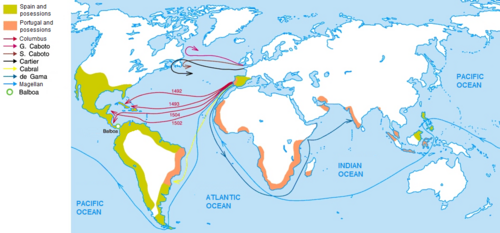
1.2.2 Nautical Exploration: Trade Routes and Global Expansion Simulations
The Age of Discovery brought the world closer together through maritime advancement. Games focusing on this period lean heavily into navigation and economic management. By plotting trade routes and managing the dangers of the open ocean, players experience the high-stakes risk and reward of early global expansion. These titles serve as interactive lessons in geography and the mercantilist policies that fueled exploration during this transformative century.
1.3 Modern History and Industrial Transformation
1.3.1 World War Eras: Narrative Depth and Tactical Combat
Moving into the 20th century, games often shift toward narrative-driven mystery games and tactical squad combat. These titles focus on the human cost of conflict and the moral dilemmas faced by individuals during the World War eras. By emphasizing character-driven stories, these games ensure that history feels personal, moving beyond large-scale statistics to focus on the lived experience of modern warfare.
1.3.2 Industrial Revolution Settings: Economic Management and Urban Evolution
The Industrial Revolution marked a radical shift in how humanity lives and works. Games centered on this period emphasize the rapid growth of urban centers and the evolution of production. Players must balance the benefits of economic expansion with the social consequences of industrialization, providing a compelling look at the transition from agrarian societies to the modern interconnected world.
2. Selecting and Evaluating Your Historical Exploration Journeys
Choosing the right title for your next gaming session requires more than just picking an appealing era; it involves aligning your personal interests with the mechanics that define the experience. Whether you are looking for a relaxed educational venture or a high-stakes tactical simulation, understanding these distinctions ensures you find a title that resonates with your preferred style of engagement.
2.1 Choosing a Game Based on Learning Objectives and Gameplay Style
2.1.1 The Educational Purist: Leveraging Discovery Tours and Non-Combat Modes
For players who view gaming as a digital museum, the educational purist path is ideal. Modern game design often includes dedicated modes that strip away combat and narrative friction, focusing entirely on architectural accuracy and historical context. These modes allow you to walk through fully rendered recreations of ancient cities or sites of discovery without the threat of interruption. By prioritizing these experiences, you gain access to curated facts and expert-backed insights that transform the screen into an interactive lecture hall.
2.1.2 The Narrative Seeker: Balancing Storytelling with Historical Accuracy
If you prefer a compelling plot, seek out narrative driven mystery games that weave real-world events into a fictional framework. These games excel at immersing you in the daily lives of people from the past, focusing on personal stakes rather than grand political maneuvers. The goal here is to balance the “truth” of the setting with creative writing. You will often find yourself investigating enigmas that feel grounded in the societal norms and technological limitations of the time, providing a deep sense of presence that dry history textbooks simply cannot replicate.
2.1.3 The Strategy Architect: Managing Civilizations and Societal Growth
Players who enjoy seeing the big picture often lean toward titles that focus on systemic growth and infrastructure. As a strategy architect, you are responsible for the rise and fall of nations, balancing economic management with cultural development. These games are perfect if you want to understand the logistical challenges faced by past empires, such as resource distribution and urbanization. If this style of play appeals to you, it is helpful to consult guides on best simulation life games to refine your approach to managing complex, evolving societies.
2.2 Critical Analysis of Historical Representation in Interactive Media
2.2.1 Distinguishing Between Creative Liberty and Documented Fact
It is essential to recognize that all historical games use a degree of creative liberty to make the experience more entertaining. Developers often condense timelines, exaggerate cultural traits, or simplify complex conflicts to keep the gameplay loop engaging. Approaching these games as interpretations rather than definitive historical records will help you appreciate the artistic vision while remaining aware of where the simulation deviates from documented events.
2.2.2 The Role of Historian Collaboration in Game Development
The credibility of a game often hinges on the involvement of subject-matter experts. When studios collaborate with historians and archeologists during the design process, the result is a much more authentic atmosphere. These experts ensure that details—from the patterns on a tunic to the internal logic of an architectural structure—ring true. Seeking out titles that highlight these collaborative efforts can lead to a richer, more grounded experience.
2.2.3 Utilizing Supplemental Archival Databases and In-Game Toolkits
Many modern historical games provide their own built-in libraries or digital appendices. These tools serve as an excellent bridge between the game world and real-world history. By cross-referencing your in-game discoveries with these supplemental databases, you can deepen your understanding of the period and transform your playtime into an active learning session. Never hesitate to look beyond the game interface to verify or learn more about the fascinating events you encounter during your journey.
Historical exploration journeys in gaming offer a unique bridge between entertainment and education, allowing players to step directly into the shoes of those who shaped our world. Whether you are navigating the complex political landscapes of ancient empires, solving intricate mysteries in a bygone era, or managing the industrial growth of a developing nation, these titles transform abstract dates and facts into immersive, lived experiences. By blending narrative-driven mystery games with open-world environments, developers have created a genre that invites curiosity and rewards careful observation.
As you explore these digital landscapes, remember that while games are powerful tools for visualization, they are most effective when paired with your own critical analysis. We encourage you to dive deeper into the history behind your favorite settings, using them as a springboard for further discovery. If you find yourself enjoying the slower, more observational side of these adventures, check out our guide on the best atmospheric walking simulators to further enhance your library of exploration-focused titles. Ultimately, the best historical games are the ones that spark a genuine interest in the past, turning every gaming session into a meaningful lesson in human history.