
In an era dominated by hyper-realistic graphics and high-fidelity 3D environments, there is something uniquely captivating about the simplicity of text based adventure games. These titles strip away the visual noise, placing the entire burden of world-building on the collaboration between the author’s prose and your own imagination. Whether you are navigating intricate, narrative driven mystery games that challenge your logic or embarking on epic fantasy adventure quests, the genre remains a cornerstone of interactive storytelling.
For many players, the appeal lies in the depth of choice and the agency afforded to the protagonist. If you enjoy solving puzzles that demand careful observation and deduction, you may also appreciate our guide to the best point and click quests for similar narrative satisfaction. In this article, we will explore the evolution of interactive fiction, provide tips for mastering complex mechanics, and highlight the essential platforms where you can discover your next great obsession in the world of text-based play.
1. The Evolution and Appeal of Best Text Based Adventure Games
1.1 Understanding the Modern Text Based Adventure Genre
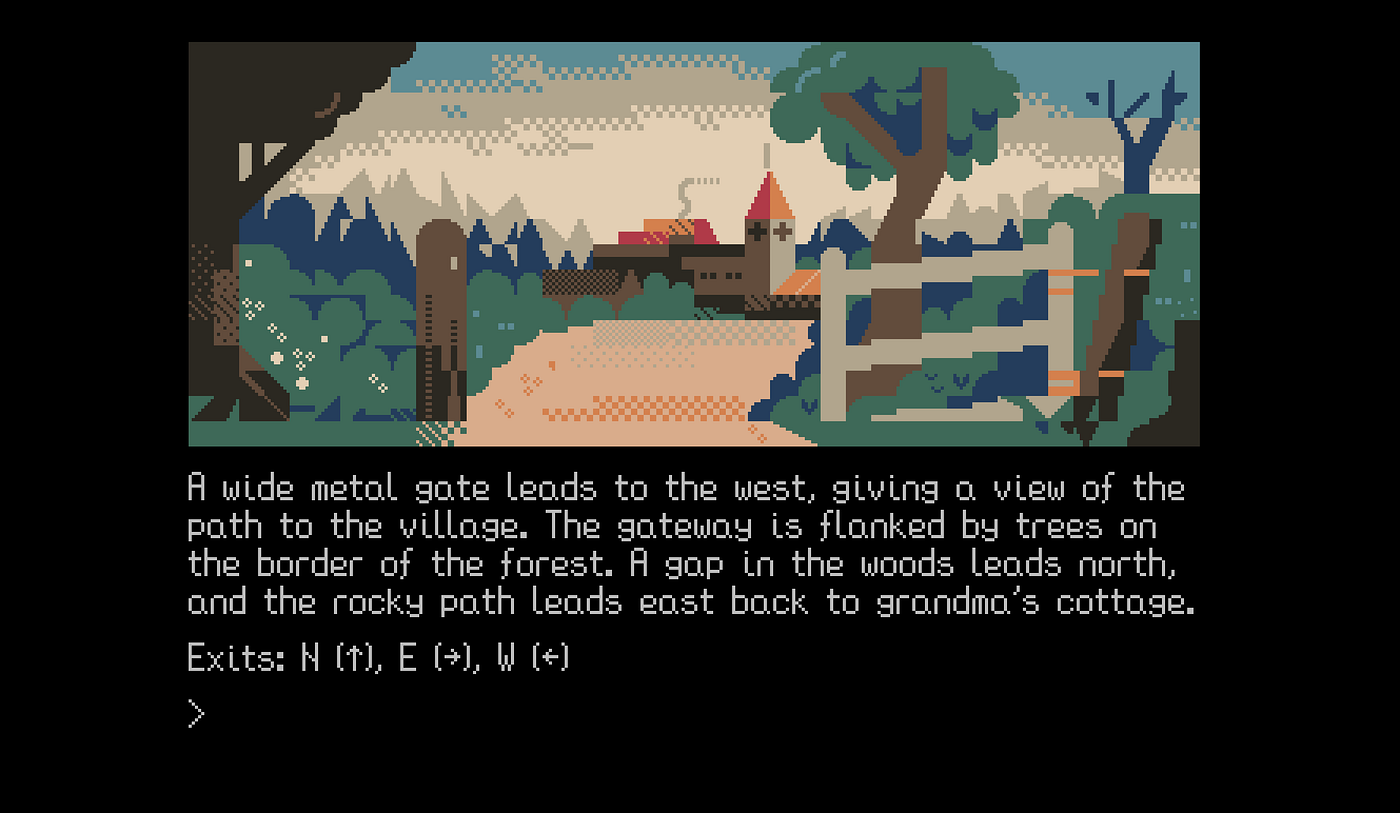
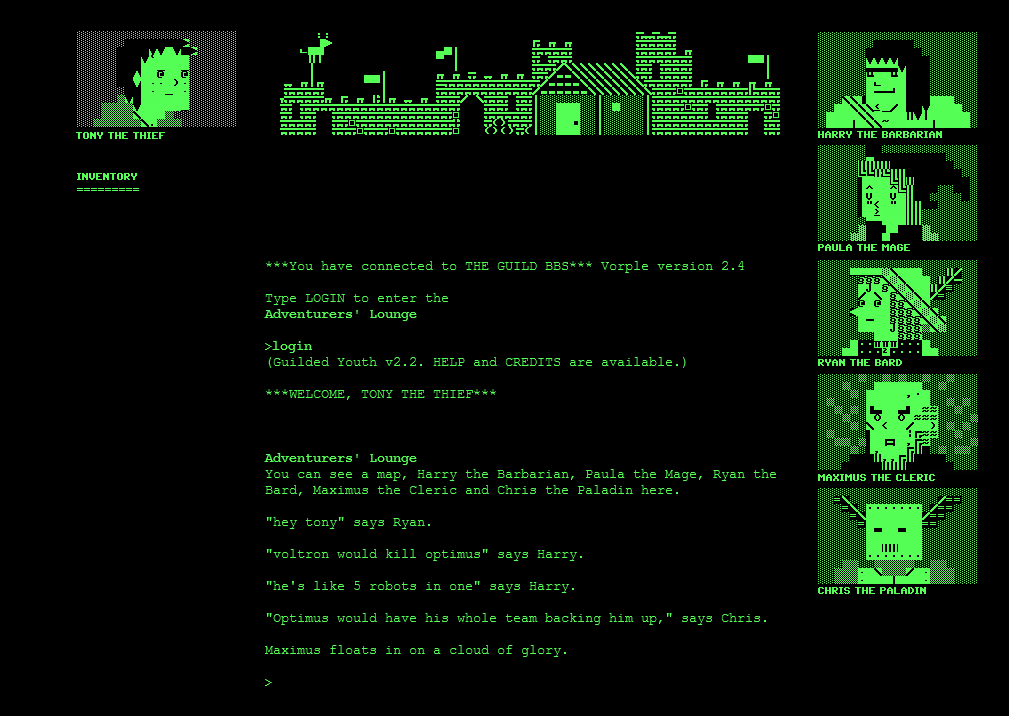
The landscape of text based adventure games has undergone a significant transformation, moving from the rigid, command-line interfaces of the 1980s to the lush, highly accessible world of modern interactive fiction stories. While the medium relies entirely on the written word to build its worlds, the experience remains as immersive today as it was at the genre’s inception. By stripping away graphical assets, these titles force the player to engage their imagination, turning every descriptive passage into a cinematic moment unique to their own mental projection.
1.1.1 Defining the Core Mechanics of Parser and Choice Based Titles
Modern interactive fiction generally falls into two mechanical camps: parser-based and choice-based systems. Parser-based games require players to type specific commands like “go north” or “take key,” mimicking the logic of early computing. These titles prioritize environmental interaction and logic puzzles. In contrast, choice-based games—often built with engines like Twine—present players with clickable narrative branches. This format has democratized the genre, allowing writers to focus on branching plotlines and complex character dynamics rather than technical syntax.
1.1.2 Why Narrative Driven Mystery Games Resonate with Modern Audiences
Narrative driven mystery games have seen a resurgence in popularity because they lean into the strengths of the text-only format. Without visuals to distract from the investigation, players must scrutinize descriptions, keep meticulous notes, and infer clues from subtle shifts in dialogue. This slow-burn engagement satisfies a specific desire for intellectual challenge, providing a sense of agency that is often absent in more linear, action-heavy gaming experiences.
1.1.3 The Psychological Power of Imagined Environments
There is a unique psychological phenomenon at play when consuming text-based media: the co-creation of the environment. Because the game provides only the framework, the player’s mind fills in the details of lighting, sound, and atmosphere. This makes the experience deeply personal. Unlike a high-budget 3D game where the environment is static, a text adventure evolves with your own projections, often leading to a more profound emotional connection to the setting and the outcome of your fantasy adventure quests.
1.2 Categorizing the Best Text Based Adventure Games
1.2.1 Defining the Classics That Set the Foundation
Understanding the genre requires a look at the foundational pillars like Zork and Colossal Cave Adventure. These titles established the “room-by-room” exploration mechanic and the standard inventory systems that still influence developers today. They remain essential playing for anyone interested in the history of interactive storytelling.
1.2.2 Exploring High Fidelity Modern Interactive Fiction
Today’s high-fidelity titles often integrate audio cues and responsive UI elements to enhance the text. These games bridge the gap between literature and software, offering sophisticated branching paths that react dynamically to player choices. If you are looking for more traditional approaches to logic, you can check out our guide on best point and click quests, which shares similar DNA with classic text-driven design.
1.2.3 Differentiating Between Mystery Thrillers and Dystopian Quests
While all text adventures share a reliance on text, the thematic execution varies wildly. Mystery thrillers often center on closed-loop puzzles and evidence gathering, where the “game” is the deductive process. Conversely, dystopian quests prioritize world-building and moral dilemmas, where your survival is balanced against ethical trade-offs. Both sub-genres utilize the text format to force players into heavy introspection.
1.3 Essential Platforms for Playing Text Based Adventure Games
1.3.1 Navigating Itch.io and Steam for Genre Discoveries
Itch.io has become the de facto home for independent interactive fiction, hosting thousands of experimental, web-based projects that you won’t find anywhere else. Steam, while more focused on commercial releases, carries significant titles that push the boundaries of what text adventures can look like, often bundling them with minimal art or ambient soundtracks.
1.3.2 Utilizing Dedicated Engines and Web Based Interpreters
For those interested in classic games, platforms like Frotz or various web-based interpreters allow you to run legacy files without needing an old computer. These tools act as digital emulators, ensuring that the history of the genre remains playable on modern operating systems and mobile devices.
1.3.3 Evaluating Accessibility Options for Screen Reader Integration
One of the greatest strengths of the text adventure genre is its inherent accessibility. Because the interface is text, it is natively compatible with screen readers. Modern developers have made significant strides in improving markup, ensuring that these games remain among the most inclusive experiences for visually impaired gamers, who can navigate these worlds with the same depth and nuance as any other player.
2. Mastering Gameplay Mechanics and the Future of Text Based Adventure Games
2.1 Practical Strategies for Solving Complex Text Based Mysteries
2.1.1 The Importance of Mapping and Active Note Taking
Unlike modern titles that provide mini-maps, classic and modern text based adventure games rely entirely on your spatial awareness. Creating a simple graph on a piece of paper or a digital document is essential for navigating intricate environments. By mapping connections between rooms, you prevent circular movement and identify missed pathways. Keeping a dedicated notebook for NPC names, cryptic clues, and key phrases is equally vital, as these interactive fiction stories often reward players who synthesize information over time.
2.1.2 Logical Deduction Techniques for Environmental Puzzles
Narrative driven mystery games require a blend of lateral thinking and rigid logic. When you encounter a locked door or a broken mechanism, treat the description as a list of potential variables. Examine every object mentioned in the prose; often, the solution lies in combining two seemingly mundane items. If you feel stuck, try re-reading the last room description for “flavor text” that might actually be a subtle hint about how to interact with the environment.
2.1.3 Managing Limited Inventory and Resource Constraints
Inventory management is a staple of the genre, often forcing players to make difficult choices about what to carry. Before discarding an item, consider its potential long-term utility. Is that rusty key really useless, or does it unlock a late-game area? Many developers build inventory limits to challenge your planning skills, so always look for safe “drop points” where you can store gear for later retrieval.
2.1.4 Knowing When to Utilize Hint Systems and Walkthroughs
There is no shame in seeking guidance when a puzzle feels truly obtuse. Many adventure browser games feature built-in hint systems designed to nudge you toward the solution without ruining the narrative payoff. If you are playing a legacy title, online community walkthroughs can be lifesavers. Use these tools sparingly to maintain the satisfaction of solving the mystery on your own.
2.2 The Intersection of AI and Future Narrative Design
2.2.1 How Large Language Models Are Reshaping Dynamic Storytelling
The rise of large language models is fundamentally changing how we experience interactive fiction. We are moving away from rigid, predetermined outcomes toward fluid conversations where the game world reacts to your specific inputs. This shift allows for unprecedented player agency, enabling you to ask questions or attempt solutions that the original programmer might never have anticipated.
2.2.2 The Shift Toward Infinite Gameplay Loops vs Scripted Narrative
While scripted stories offer emotional depth, newer AI-driven titles are experimenting with procedural generation. These games create nearly infinite narrative paths, ensuring that no two playthroughs feel identical. This evolution is perfect for players who enjoy fantasy adventure quests and want to explore worlds that evolve based on their unique character choices and moral decisions.
2.2.3 Preserving the Human Touch in Curated Prose Experiences
Despite technological advancements, the human touch remains the heart of the medium. The best games are defined by evocative writing and intentional pacing—qualities that algorithms struggle to replicate. Developers are increasingly using AI as a tool to support, rather than replace, the delicate art of crafting meaningful prose that lingers with the reader long after the screen goes dark.
2.2.4 Addressing Common Questions About the Genre
2.2.4.1 Are Text Based Games Still Relevant for New Players
Absolutely. The genre is currently experiencing a renaissance, blending retro charm with modern accessibility features that cater to a global audience interested in deep, character-focused storytelling.
2.2.4.2 Distinguishing Between Visual Novels and Pure Text Adventures
While both rely on reading, visual novels generally emphasize static imagery and linear choices. Pure text adventures prioritize descriptive language, where your imagination constructs the visual experience, often involving more complex puzzle-solving elements similar to those found in best mystery adventure games.
2.2.4.3 Getting Started Without Prior Programming Experience
You do not need to be a coder to start playing or creating. Engines like Twine or Inform 7 allow beginners to build their own interactive stories through intuitive interfaces and community-driven tutorials.
The enduring popularity of text based adventure games proves that you do not need cutting-edge graphics to experience a truly immersive world. By relying on the power of the imagination, these titles invite you to become an active participant in the story, where every choice and typed command shapes the outcome of your journey. Whether you are navigating intricate, narrative driven mystery games or embarking on sprawling fantasy adventure quests, the genre continues to offer a unique form of engagement that remains unmatched by modern cinematic experiences.
As we look toward the future, the integration of advanced artificial intelligence and more accessible web-based platforms ensures that the barrier to entry for new players is lower than ever. Whether you prefer the nostalgic challenge of a classic parser-based game or the branching paths of modern interactive fiction, there is a wealth of stories waiting to be discovered. If you are looking to expand your horizons beyond the written word, you might also enjoy exploring our curated guide on the best point and click quests for more puzzle-solving action. Grab your notepad, dive into a new world, and let your curiosity lead the way through your next great digital adventure.


Pingback: Lateral Thinking Riddles: 10 Logic Puzzles to Boost Skills - GameTurn
Pingback: Best Atmospheric Walking Simulators: A Player's Guide - GameTurn