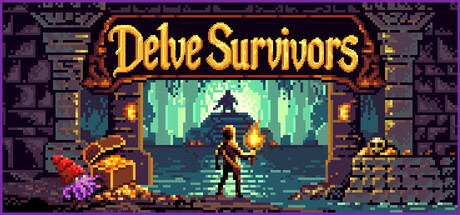
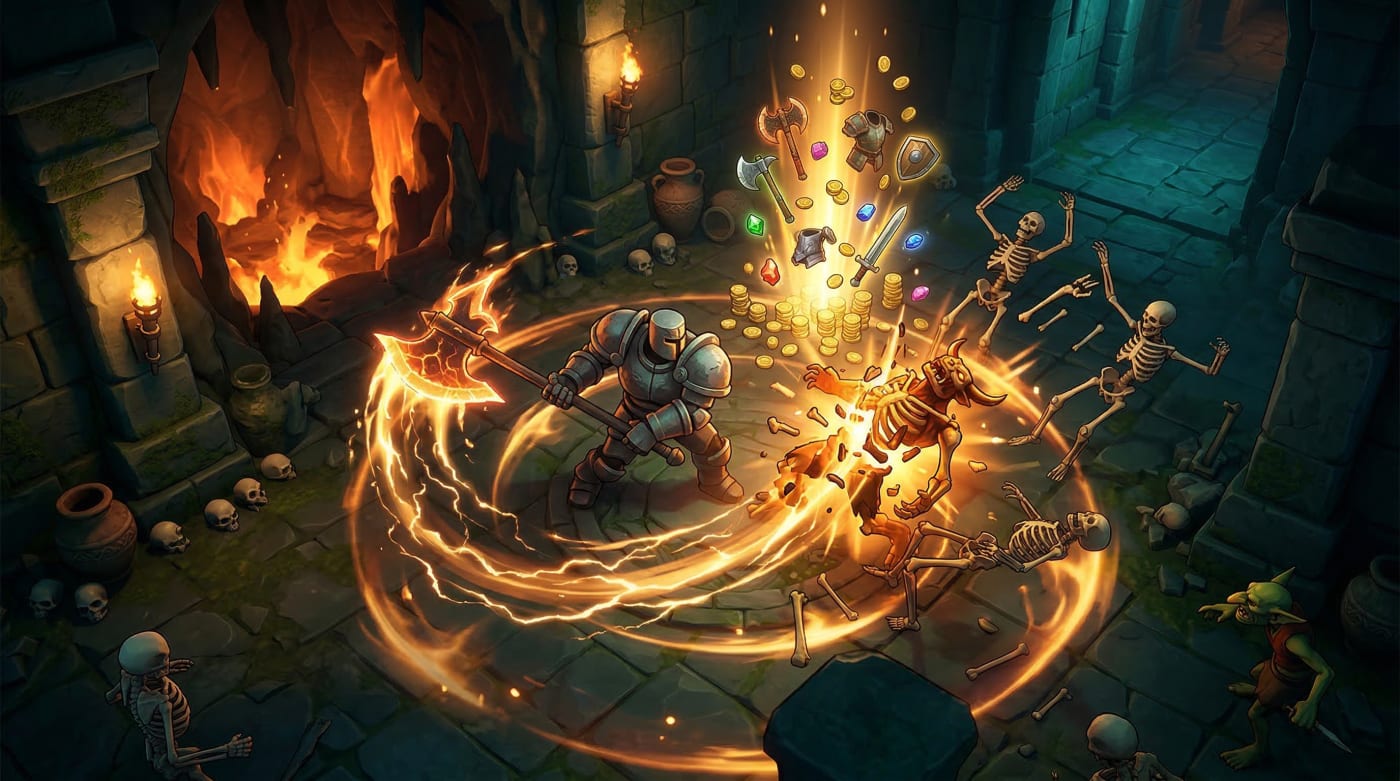
There is a unique, high-stakes thrill found in survival hero dungeon crawlers that keeps players coming back for more. Whether you are carefully navigating a procedurally generated maze or managing a squad through a gauntlet of lethal traps, these titles demand a blend of patience, sharp reflexes, and long-term planning. Unlike traditional dungeon crawlers, the survival sub-genre forces you to constantly weigh the costs of your actions against the dwindling resources in your inventory. This is more than just a rogue-like action adventure; it is a test of your ability to adapt under pressure when every torch flame and stamina bar matters.
In this guide, we will break down the essential strategies required to survive the deepest levels of the game. You will learn how to optimize your character builds, master fast-paced reflex action, and execute squad-based action tactics that keep your party alive. If you are looking to sharpen your gameplay, check out our guide on mastering hack and slash combat arenas to further refine your core skills. From resource management to advanced boss preparation, these tips will help you turn near-certain defeat into a triumphant crawl.
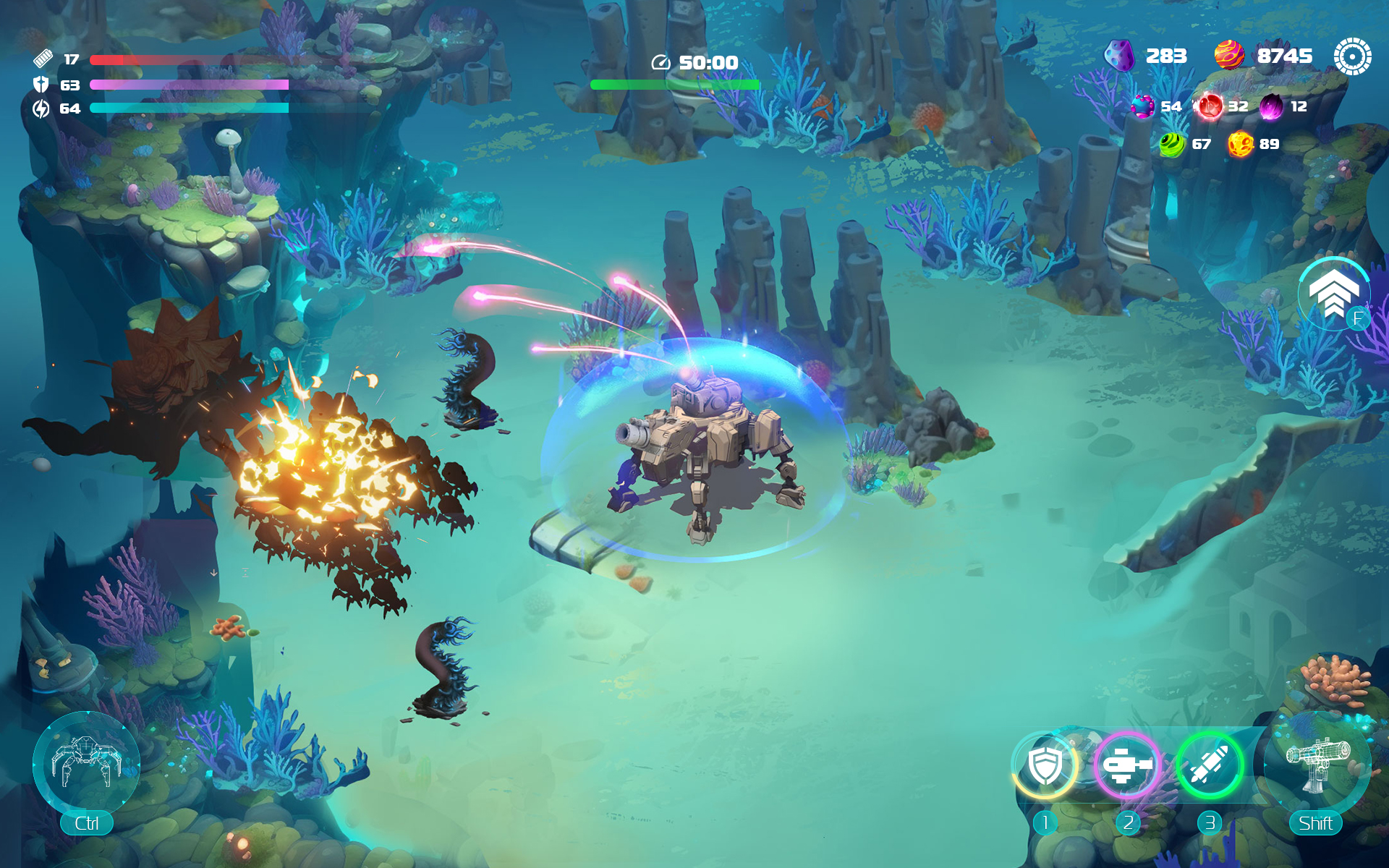
Mastering Combat and Survival Mechanics in Hero Dungeon Crawlers
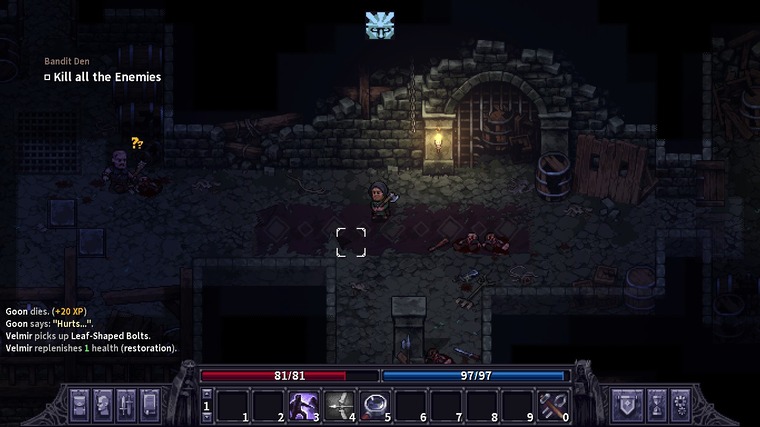
Core Survival Resource Management
In survival hero dungeon crawlers, your success is rarely determined by raw damage output alone. Instead, it hinges on your ability to maintain equilibrium between hunger, health, and stamina. Managing caloric intake is critical; consuming food items during downtime prevents movement penalties, ensuring your stamina regeneration remains optimal during unexpected ambushes. If your character enters a combat encounter with low energy, you will likely find yourself unable to perform defensive dodges or activate special abilities.
Light management is equally vital. Efficient torch usage dictates your line of sight and overall safety; running out of fuel in deep, hostile biomes almost guarantees an early grave. Always scout with enough light reserves to handle at least one extra floor beyond your planned exit point. Finally, master the art of inventory management. Many players fall into the trap of hoarding low-tier loot, which increases weight and slows down your character. Prioritize items with the highest gold-to-weight ratio to ensure you have the mobility required for high-stakes combat maneuvers.
Advanced Combat Tactics and Positioning
Survival in a rogue-like action adventure requires a high level of situational awareness. Whenever possible, lure enemies into chokepoints, such as narrow hallways or doorways. By forcing foes to engage you one by one, you negate the advantage of numerical superiority and conserve your resources. Furthermore, utilizing environmental geometry—like columns or debris—can shield you from projectiles.
For those playing hero ability combat games, managing your action economy is the backbone of success. Do not expend your ultimate abilities on minor mobs; reserve them for high-threat targets or elite encounters. When dealing with status effects and debuffs, understand the specific timing of the stacks. Often, it is better to play conservatively and wait for a debuff to expire than to rush in and risk death via a stacked damage-over-time effect. For more on tactical engagement, explore our guide on mastering hack and slash combat arenas to refine your battlefield movement.
Character Build Optimization for High-Stakes Crawls
Optimizing your character requires balancing aggressive potential with defensive sustainability. While many players gravitate toward glass cannon strategies, high-stakes environments punish those who lack survivability. Investing in defensive scaling—such as damage mitigation stats or life-steal passives—often proves more consistent than pure offensive upgrades. Supplement these choices by synergizing utility skills, like crowd control or mobility buffs, directly into your combat loadouts.
Finally, tailor your gear selection to the specific dungeon biome you are exploring. Some areas may emphasize elemental resistances, while others demand high physical armor or speed. Developing a specialized gear set for each environment ensures that you are never caught unprepared by the unique threats hidden within the game’s deepest reaches. Consistency in build pathing is what separates a novice from a seasoned survivor.
2. Strategic Long-Term Progression and Tactical Decision-Making
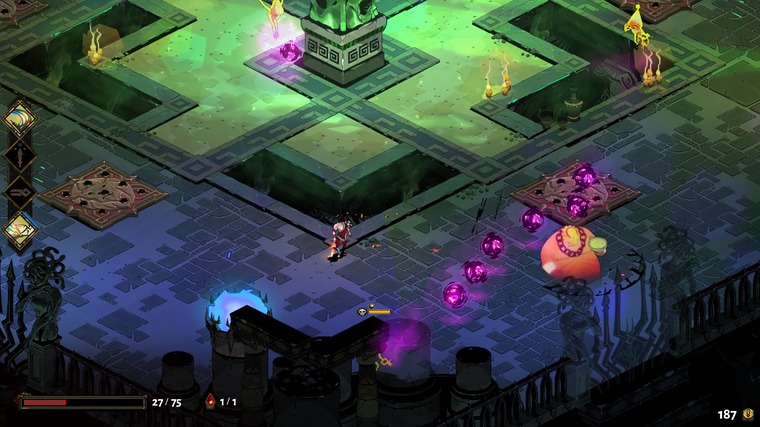
Surviving individual encounters is merely the first step in mastering survival hero dungeon crawlers. To truly excel, you must treat your run as a long-term investment. This means shifting your focus from moment-to-moment survival to building sustainable resource loops that ensure your character remains viable against escalating late-game threats.
2.1 Sustainable Base Building and Resource Loops
Long-term success depends on your ability to extract value from every dungeon dive, even when a run ends in defeat. Effective base management acts as your safety net.
2.1.1 Efficient Farming Techniques for Rare Upgrade Materials
Instead of mindlessly clearing rooms, identify high-yield biomes early in your run. Prioritize map nodes that offer specific crafting reagents or currency drops. By targeting specific bosses or elite mob spawns known for dropping rare upgrade materials, you turn exploration into a focused resource-gathering operation rather than a desperate scramble for loot.
2.1.2 Establishing Multiple Gear Sets to Prevent Progression Burnout
Nothing stalls progress faster than losing your best gear in a high-stakes encounter. Maintain at least three tiers of loadouts: your “budget” gear for routine resource runs, a “mid-tier” set for progression, and your “prestige” gear reserved strictly for major boss attempts. This diversification ensures you can always re-enter the field after a death without grinding from scratch.
2.1.3 Timing the Transition from Grinding to Boss Encounters
A common trap is waiting too long to challenge bosses. Monitor your power spikes—specifically when your skill trees reach key synergies—and push for the boss when you are at your peak, not when your inventory is merely full. For deeper insights into managing combat encounters, see our guide on mastering hack and slash combat arenas.
2.2 Advanced Survival Strategies for Expert Players
Expert players distinguish themselves by manipulating the game’s systems to their advantage, reducing the chaos that typically defines rogue-like action adventure games.
2.2.1 Reducing Reliance on Random Number Generation Through Preparation
While dungeon layouts may be randomized, your preparation does not have to be. Always carry utility items like teleport scrolls, health boosters, and damage-mitigating consumables. When you are prepared for the worst-case scenario, you effectively remove the “luck” element that often kills unprepared adventurers.
2.2.2 Recognizing Trap Patterns and Mapping Safe Exploration Routes
Most traps follow predictable audio or visual cues. Spend time observing dungeon geometry; often, the safest path isn’t the direct one. If you notice a specific floor tile design frequently precedes spike traps, make it a habit to path around those tiles regardless of the current threat level.
2.2.3 Executing the Perfect Tactical Retreat Under Pressure
Knowing when to quit is the most vital skill in hero ability combat games. If your primary sustain cooldowns are offline and your health is below 30 percent, disengage immediately. Use knockback or crowd-control abilities to create space, and prioritize reaching a cleared room or an extraction point over securing one final piece of loot.
2.3 Frequently Asked Questions
2.3.1 Determining Priority Stats for Survival-Focused Characters
Focus on health regeneration and damage mitigation first. In survival-heavy crawlers, staying alive is almost always more beneficial than stacking glass-cannon damage modifiers. Once your survivability floor is raised, transition into secondary stats that improve clear speed.
2.3.2 Recovering Effectively After High-Value Equipment Loss
Accept the loss and revert to your budget gear immediately. Use this “reset” run to practice combat fundamentals without the pressure of protecting expensive equipment. The goal is to rebuild your resource buffer without burning out.
2.3.3 Evaluating the Safety of Melee Versus Ranged Builds for Beginners
Ranged builds generally offer a higher safety margin because they allow you to exploit fast-paced reflex action from a distance. However, melee builds often provide better crowd control and sustain if played with proper spacing. Beginners should start with ranged archetypes to learn mob attack patterns before transitioning into more complex melee roles.
Mastering survival hero dungeon crawlers is a journey that balances high-stakes risk with the thrill of discovery. By prioritizing efficient resource management—like knowing when to hoard stamina versus when to burn it—and sharpening your tactical positioning, you transform from a reactive player into a dungeon-delving expert. Whether you are navigating procedurally generated rooms or coordinating complex maneuvers in squad-based action tactics, the key lies in preparation and the ability to adapt your strategy to the specific biome you are tackling.
Remember that progression in these titles is rarely linear. It is about learning the rhythm of the game, understanding the math behind your gear sets, and knowing exactly when to execute a tactical retreat rather than forcing a doomed encounter. As you refine your builds and deepen your combat knowledge, you will find that even the most unforgiving dungeons become conquerable landscapes. If you are looking to branch out your skills, check out our guide on mastering hack and slash combat arenas to further hone your reflex-based gameplay.
Stay patient, keep experimenting with new hero abilities, and don’t let a lost run discourage you. Every defeat is simply a data point that brings you closer to your next successful extraction. Now, sharpen your steel, check your light sources, and head back into the darkness with confidence.