In an era where the gaming landscape shifts rapidly with every patch and platform update, the ability to conduct a rigorous game critique and analysis has become an essential skill for enthusiasts and professionals alike. Whether you are dissecting a high-budget AAA blockbuster or keeping a pulse on the latest indie game news, effective evaluation goes far beyond a simple thumbs-up or down. It requires a deep dive into the underlying systems, the artistic intent, and the technical execution that brings a virtual world to life. By moving past surface-level impressions, you can better appreciate the nuances of design and the complex labor behind your favorite titles. This guide will provide you with a professional framework to articulate your thoughts clearly, manage the impact of industry trends on your objectivity, and ultimately develop a more sophisticated, analytical voice in your gaming commentary.
1. Developing a Professional Framework for Game Critique and Analysis
1.1 Establishing the Pillars of Analytical Design
1.1.1 Evaluating Mechanics and Systems Engineering
At the core of any rigorous game critique and analysis lies the examination of mechanics—the rules and interactions that define player agency. A professional framework treats systems engineering as the “physics” of the experience. You must ask: do the core loops respect the player’s time, and how do these systems interact during moments of high stress? When examining mechanics, separate the intent of the developers—often gleaned from gaming industry development reports—from the actual output. Look for friction points where the system fails to communicate its purpose, such as ambiguous button prompts or unclear feedback loops during combat sequences.
1.1.2 Assessing Narrative Architecture and Ludonarrative Harmony
Narrative in gaming is rarely confined to cutscenes; it is woven into the level design, item descriptions, and environment. A high-level analysis evaluates ludonarrative harmony—the degree to which the gameplay mechanics align with the story being told. If a title demands a pacifist protagonist through dialogue but forces the player into repetitive combat encounters, that discordance must be noted. Evaluate how the narrative is paced relative to the player’s progression, and whether the story structure enhances the mechanical challenge rather than distracting from it.
1.1.3 Reviewing Aesthetics, Audio-Visual Language, and Technical Polish
The audio-visual presentation acts as the interface through which the player perceives the game world. Critique the use of visual cues—like color-coding for hazards or dynamic lighting to guide exploration—as tools for clarity. Beyond the “look,” consider the technical polish, including frame rate stability and input latency. These factors are not merely objective metrics; they are essential contributors to the game’s “feel.” Distinguish between stylistic choices and technical shortcomings, recognizing that while a distinct art style can elevate a title, it cannot compensate for fundamentally broken technical performance.
1.2 Identifying and Managing Personal Bias
1.2.1 Understanding Genre Preferences and Emotional Preconceptions
Every critic carries a “baggage” of preferences. If you gravitate toward fast-paced shooters, your critique of a slow-burn narrative game may be colored by a lack of patience for its pacing. A professional approach requires you to explicitly acknowledge these preferences. Start your analysis by examining your history with the genre; if you know you have an affinity for complex strategy systems, double your effort to evaluate the accessibility and onboarding of a new title to ensure your assessment remains fair to a wider audience.
1.2.2 The Role of Subjectivity in Objective Analysis
While game critique is inherently subjective, effective analysis bridges the gap by grounding opinion in observable evidence. Use “I” statements when discussing emotional resonance—the “feeling” of the game—but shift to descriptive, evidence-based language when discussing design flaws. For example, rather than saying a game is “boring,” describe the specific progression rhythms or lack of mechanical variety that led to that feeling. This separation ensures that readers can understand your perspective even if they disagree with your final judgment.
1.3 Methods for Data Collection and Observation
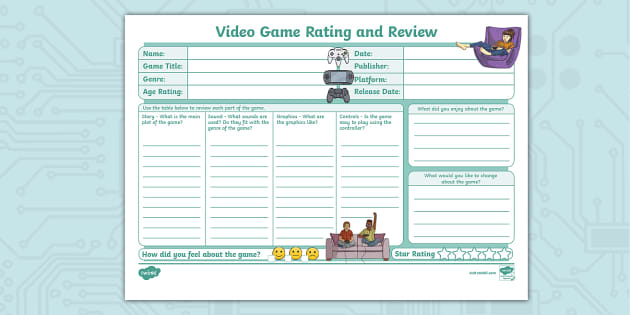
1.3.1 Best Practices for Note-Taking During Live Gameplay
Do not rely on memory, as it is notoriously selective. Keep a designated notepad or digital document open while playing to record immediate reactions to mechanics, UI elements, or narrative shifts. Note the precise context of these events—such as which area you were in or which boss you were facing—as these specifics prevent vague, generalized critiques later. Capture the frustration or joy you feel in the moment, as these raw reactions provide the authentic color needed to make your final piece relatable and human.
1.3.2 Documenting User Interface Flow and Accessibility Barriers
The User Interface (UI) is the bridge between the designer’s intent and the player’s actions. During your session, document the number of clicks or button presses required to navigate standard tasks like equipping gear or checking quest logs. More importantly, observe and report on accessibility barriers. Are the fonts readable? Is there color-blind support? Noting these details elevates your critique from a mere opinion piece to a useful resource for a diverse gaming community, establishing your authority as a thorough reviewer.
1.3.3 Tracking Progression Loops and Pacing Rhythms
Map the game’s pacing by tracking the frequency of key events, such as upgrades, narrative milestones, or difficulty spikes. Use a simple log to note when you feel “stuck” or “bored.” A well-designed game usually offers a rhythm of tension and release. By documenting these cycles, you can provide an evidence-based assessment of whether the game’s pacing suffers from “bloat” or if it successfully maintains engagement throughout its duration. This data-driven approach provides the backbone for a credible and authoritative final argument.
2. Advanced Techniques for Structural Game Critique and Analysis

2.1 Contextualizing Titles Within the Modern Industry
2.1.1 Comparing Modern Mechanics Against Historical Genre Standards
To elevate your game critique and analysis, you must look beyond the immediate screen. Effective criticism requires understanding the lineage of mechanics. When evaluating a new entry in a long-standing series, ask whether the developers have innovated or merely replicated. Compare the feel of movement, input latency, and AI behavior against the “gold standards” of the genre’s history. This historical literacy helps you determine if a game is pushing boundaries or stagnating.
2.1.2 Evaluating the Impact of Live-Service Models on Design Integrity
The rise of live-service titles has fundamentally altered how we play. When analyzing these games, examine if the core gameplay loop remains satisfying when stripped of its progression bars and seasonal events. If a title feels hollow without its daily login incentives, the design integrity may be compromised by a focus on retention over quality. Staying updated on gaming industry development reports provides the necessary context to identify when design choices serve the player and when they serve the company’s fiscal calendar.
2.1.3 The Ethics of Monetization and Their Effect on Player Experience
Monetization is no longer a peripheral concern; it is a structural element of many games. Critique the visibility and necessity of in-game purchases. Does the game create a problem specifically to sell the solution? A professional analysis should assess whether microtransactions disrupt the game’s pacing or provide an unfair advantage, as these factors significantly influence the ethical footprint of a title.
2.2 Refining the Writing Process and Argumentation
2.2.1 Crafting a Strong Thesis Statement for Analytical Pieces
Your critique should center on a clear, defensible argument rather than a simple list of likes and dislikes. A strong thesis bridges the gap between technical observation and emotional resonance. For example, instead of stating a game is “fun,” argue how its specific control scheme reinforces its core theme of vulnerability.
2.2.2 Balancing Technical Complexity with Reader Accessibility
You must balance your deep dive into technical jargon with readable, human-centric prose. If you discuss frame pacing or engine limitations, define these concepts through their impact on the player’s experience. Your role is to translate complex development realities into insights that resonate with your audience.
2.2.3 Avoiding Common Pitfalls Like Hype Cycles and Audience Pandering
Maintain your credibility by ignoring the industry’s manufactured hype cycles. Avoid adopting the community’s prevailing sentiment if it contradicts your own thorough analysis. True authority comes from being willing to challenge popular narratives through your own objective observations.
2.2.4 Distinguishing Between Subjective Difficulty and Objective Design Flaws
One of the most vital distinctions is between a game that is hard by intent and a game that is poorly designed. A high-difficulty spike can be a rewarding challenge if the game’s systems are fair. Conversely, an obscure interface or inconsistent hitboxes are objective flaws that hamper the player’s agency regardless of the intended difficulty level.
2.3 Developing a Unique Critical Voice
2.3.1 Why Consistent Practice Across Genres Matters
To develop a unique voice, avoid pigeonholing yourself. Critiquing indie game news titles alongside massive AAA releases keeps your perspective sharp and versatile. Consistent practice across disparate genres—from puzzle design to complex RPG systems—allows you to recognize patterns in design that a specialist might miss.
2.3.2 The Importance of Professionalism and Ethical Reporting
Professionalism requires a commitment to transparency. If you have been provided with early access, disclosed developer relationships, or hold a bias based on previous experiences with a franchise, state these clearly. Ethical reporting builds long-term trust with your readers and differentiates your work from mere promotional content.
2.3.3 Navigating the Balance Between Consumer Advice and Academic Analysis
A comprehensive critique serves two masters: the consumer who wants to know if a game is worth their time and the enthusiast who wants to understand why a game succeeds or fails. Provide clear recommendations for potential buyers while diving deep enough to offer genuine intellectual value, ensuring your critique is as practical as it is profound.
Mastering the art of game critique and analysis is a continuous process that rewards patience, curiosity, and a willingness to look beyond the surface level of a title. By establishing a rigorous analytical framework—one that balances technical performance with narrative design and ethical considerations—you can transform your perspective from a casual observer into a thoughtful critic. Whether you are dissecting the latest blockbuster or diving into niche indie game news to find hidden gems, the goal remains the same: to understand not just whether a game is fun, but how and why it achieves that experience.
As the medium continues to evolve alongside shifting technology and complex monetization models, your ability to provide clear, informed, and balanced analysis becomes increasingly valuable to the gaming community. We encourage you to keep refining your voice, practice objectivity, and stay engaged with the industry’s rapid changes. For more insights into how shifting trends and new projects impact the landscape, you can explore our gaming industry development reports. Remember that every great critique starts with a genuine curiosity about how games are built, so keep playing, keep writing, and continue to explore the fascinating mechanics that shape the virtual worlds we love.