The landscape of digital entertainment is shifting at an unprecedented pace, making gaming industry development reports an essential resource for stakeholders, developers, and enthusiasts alike. These documents serve as a compass for navigating a sector defined by rapid technological leaps, fluctuating market demands, and the constant evolution of player expectations. By analyzing high-level market data and technical breakthroughs, we can better understand the current trajectory of the interactive media landscape.
In this guide, we explore the critical factors shaping the future of production, from the rise of generative AI to the complexities of global studio consolidation. Whether you are seeking insights into shifting monetization strategies or attempting to interpret the latest gaming technology hardware news, understanding these development cycles is key to identifying where the industry is headed next. By synthesizing expert perspectives and data-driven trends, we provide a clearer picture of how studios are future-proofing their pipelines to remain competitive in an increasingly crowded global market. We invite you to explore our Game Developer Interviews: Insights from Industry Leaders for a human-centric look at these complex, behind-the-scenes transformations.
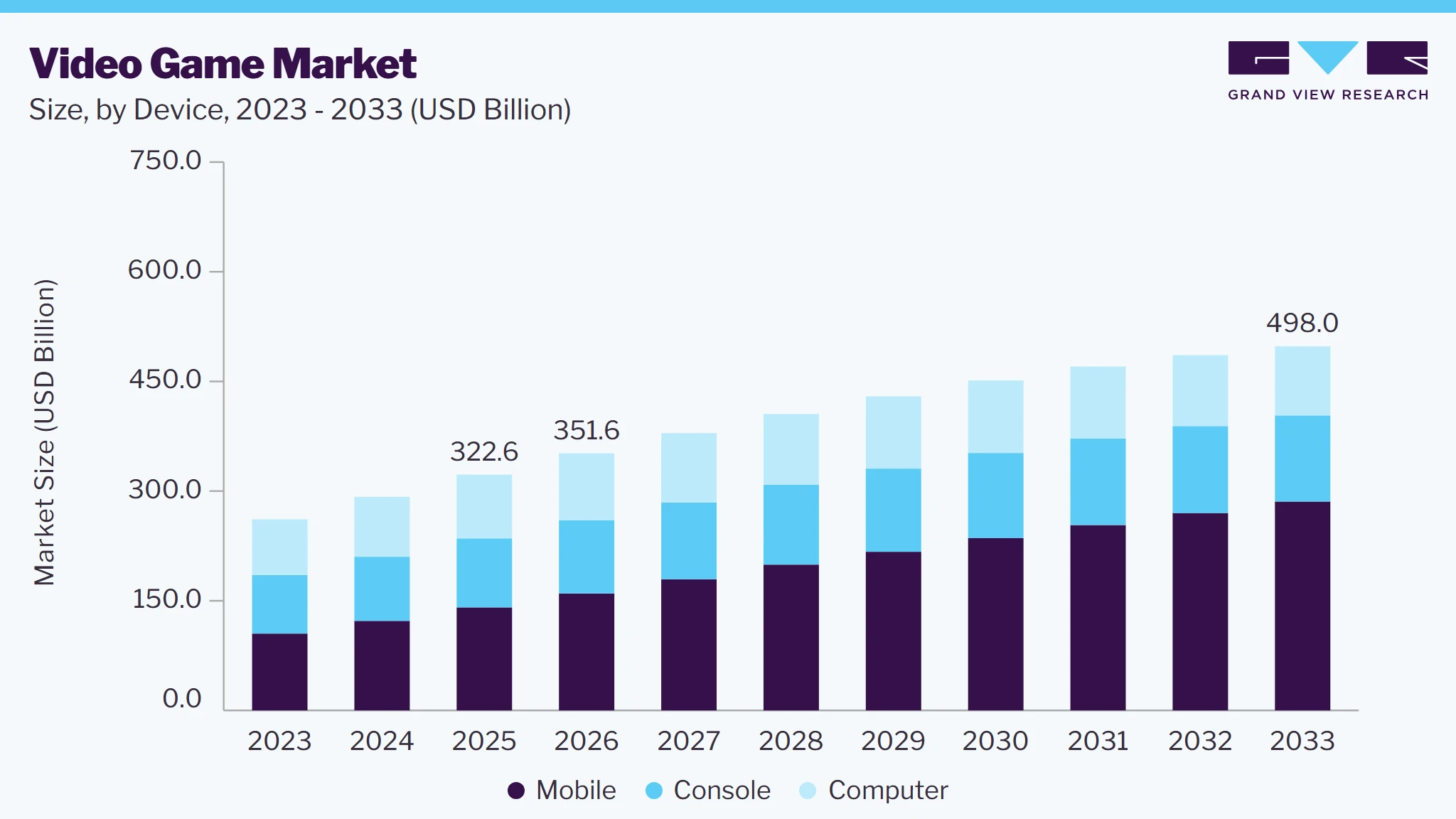
1. Strategic Analysis of Gaming Industry Development Reports and Emerging Trends
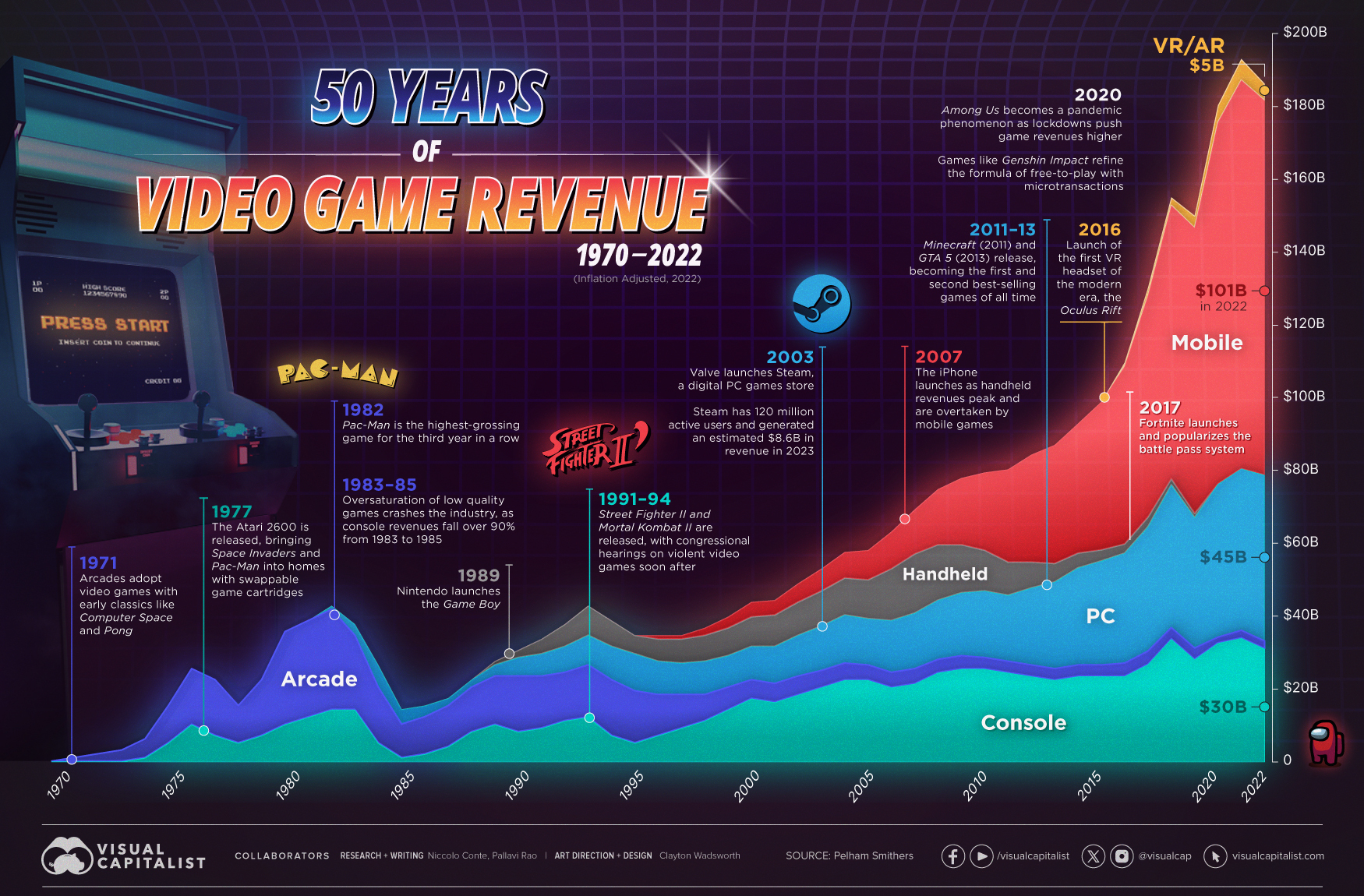
The modern digital landscape is evolving at a breakneck pace, making high-level gaming industry development reports essential for studios looking to stay relevant. These reports synthesize complex data points into actionable intelligence, helping stakeholders navigate the transition from traditional development cycles to the dynamic, live-service environments of tomorrow.
1.1 Market Valuation and Economic Forecasting for 2026-2030
1.1.1 Evaluating Global CAGR and Regional Expansion Hotspots
Current economic projections indicate that the gaming sector is shifting toward a period of mature, sustainable growth. While the rapid spikes seen during the early 2020s have leveled off, the focus has moved toward high-quality, long-tail engagement. Industry reports highlight the APAC and LATAM regions as the primary engines for future Compound Annual Growth Rate (CAGR), driven by increased mobile penetration and a burgeoning middle class with higher disposable income for digital entertainment.
1.1.2 The Evolution of Monetization Models from Premium to GaaS
The transition from singular premium retail models to Games-as-a-Service (GaaS) remains the most significant shift in studio financial planning. Developers are moving away from the “one-and-done” sales cycle in favor of ecosystems that prioritize player retention. This evolution requires a deep understanding of recurring revenue streams, such as battle passes, subscription tiers, and micro-transaction loops that balance profitability with community sentiment.
1.2 Technological Integration in Modern Production Cycles
1.2.1 Leveraging Generative AI for Asset Generation and NPC Logic
Artificial Intelligence is no longer just a futuristic concept; it is a fundamental tool for scaling production pipelines. By utilizing generative AI, teams can now handle asset generation—such as textures, environmental props, and environmental lighting—at a fraction of the traditional cost. Furthermore, integrating AI into NPC logic allows for more fluid, responsive interactions, elevating player immersion without the need for exhaustive, pre-scripted dialogue trees.
1.2.2 Cloud Architecture and Cross-Platform Technical Requirements
The demand for seamless, cross-platform experiences has necessitated a shift toward robust cloud-based architectures. Modern development workflows must now account for server-side processing, allowing high-fidelity titles to run on hardware that would otherwise be underpowered. This technical shift ensures that a game remains accessible regardless of whether a player is on a console, PC, or high-end mobile device.
1.3 Hardware Shifts and Software Optimization Pipelines
1.3.1 Adapting Development Workflows for Mobile Processing Power
Mobile hardware is narrowing the gap with desktop performance, forcing developers to rethink optimization pipelines. Teams are increasingly adopting aggressive LOD (Level of Detail) streaming and specialized shader optimization early in the production phase to ensure high-end visuals run smoothly on mobile chips without thermal throttling.
1.3.2 Cross-Engine Strategic Comparisons Between Unity and Unreal
The choice between engines like Unity and Unreal is now a strategic business decision rather than a purely technical one. Unity continues to dominate the mobile and lightweight indie space due to its accessibility and modularity, while Unreal Engine remains the industry standard for high-fidelity, photorealistic projects. Studios are increasingly analyzing game developer interviews to understand which engine workflows best mitigate risk during long-term maintenance cycles.
1.3.3 Preparing for Next-Generation VR and AR Headset Integration
As mixed reality hardware becomes more refined, software optimization is centering on spatial computing requirements. Developers are currently focused on reducing motion latency and enhancing environmental tracking to ensure that AR and VR integrations meet the high performance benchmarks required by today’s hardware-savvy consumers.
2. Operational Strategy and Future-Proofing in Gaming Industry Development Reports
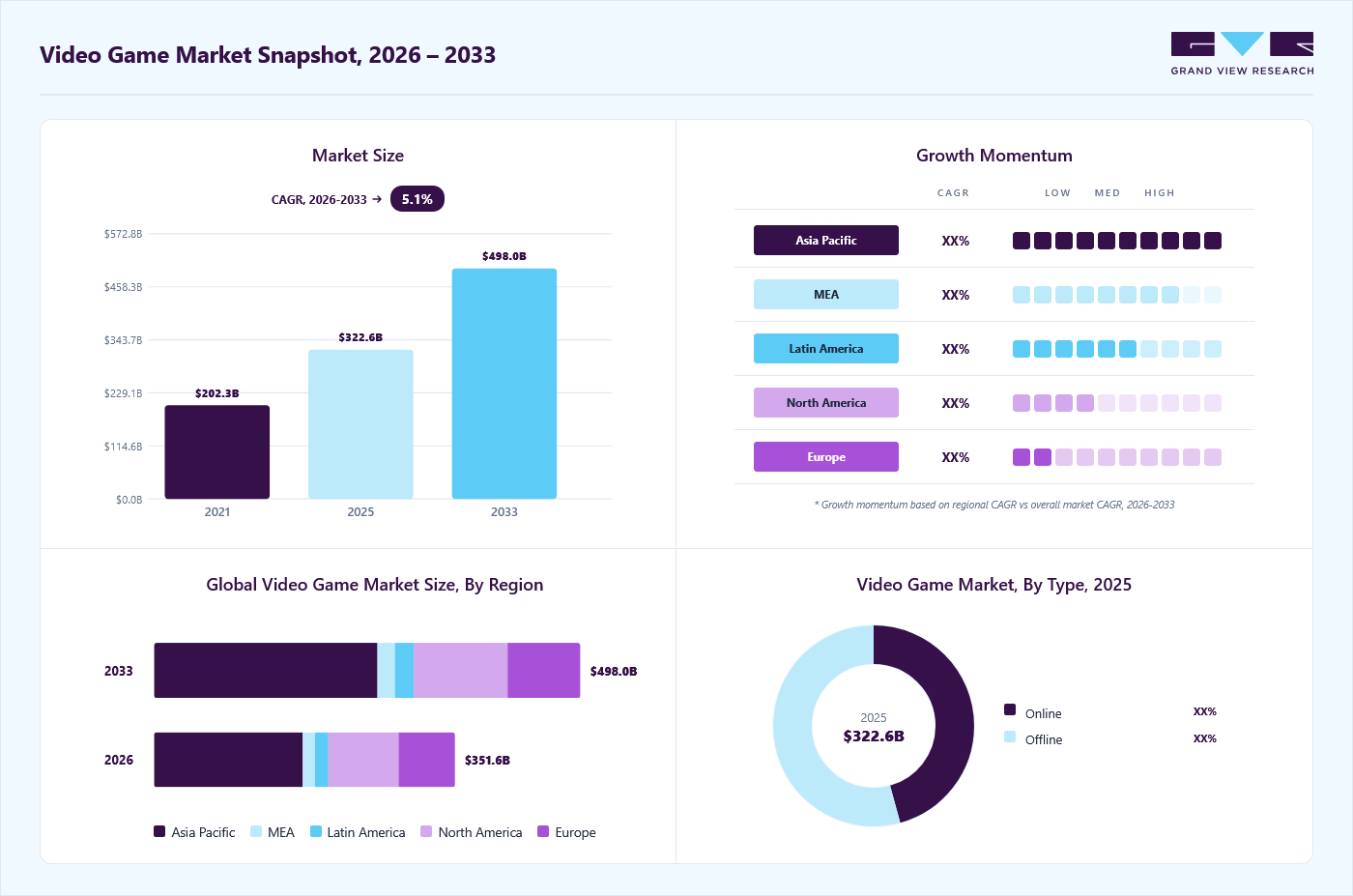
2.1 Consumer Engagement and Community-Driven Ecosystems
Modern development is no longer a closed-door process. According to the latest gaming industry development reports, success now hinges on fostering active, community-driven ecosystems that turn players into long-term stakeholders.
2.1.1 The Dominance of User-Generated Content Platforms
User-Generated Content (UGC) has evolved from a niche feature into a foundational pillar of modern titles. By providing players with robust toolkits, developers shift from being content creators to platform architects. This strategy significantly extends the product lifecycle, as player-made assets and game modes offer near-infinite replayability that a static development team could never achieve alone.
2.1.2 Implementing Effective Feedback Loops Through Early Access
Early Access remains a critical instrument for refining game mechanics and balancing economy systems. By integrating community sentiment into the development pipeline, studios can identify friction points early, saving resources that might otherwise be spent on features that fail to resonate with the core audience. Successful studios now utilize these feedback loops not just for bug tracking, but for high-level design pivots.
2.1.3 Measuring Long-Tail Retention in Live Service Environments
In a Games-as-a-Service (GaaS) model, launch day is merely the beginning. Development reports highlight that long-tail retention is now tracked through sophisticated behavioral analytics. Studios must balance content cadence with player burnout, ensuring that live events and updates remain engaging without overwhelming the user base. For those focused on team-centric play, mastering the balance between competitive progression and casual social features is essential to keep communities thriving, similar to the strategies used in mastering team based objective matches.
2.2 Mitigating Industry Risks and Structural Challenges
Navigating the complexities of the current market requires a proactive approach to risk management, particularly regarding studio stability and the evolving regulatory landscape.
2.2.1 Analyzing the Impact of Studio Consolidation and M&A Activity
The wave of mergers and acquisitions has fundamentally altered the industry’s landscape. While consolidation can provide financial security, it often creates friction in creative culture. Development reports suggest that the most successful organizations are those that manage to preserve studio autonomy while leveraging the shared infrastructure provided by larger parent corporations.
2.2.2 Addressing the Talent Skills Gap in Data Science and Programming
As games become more data-intensive, there is a growing talent gap in specialized roles like machine learning engineering and cloud architecture. Studios are increasingly forced to balance internal training programs with aggressive recruitment strategies to maintain their competitive edge in technical performance.
2.2.3 Navigating Global Regulations Regarding Data Privacy and Digital Assets
Global shifts in data privacy laws present a significant compliance challenge. Developers must now build “privacy-by-design” workflows, ensuring that their monetization and tracking systems respect local regulations, which can vary wildly between regions.
2.3 Essential Development Metrics and Performance Tracking
Future-proofing a studio requires rigorous, data-driven oversight that balances creativity with operational efficiency.
2.3.1 Identifying Primary KPIs for Measuring Studio Productivity
Key Performance Indicators (KPIs) have moved beyond simple budget tracking. Modern development reports emphasize metrics such as “time-to-first-fun,” developer velocity, and cross-departmental communication efficiency, which provide a more accurate picture of how a project is trending toward its release goals.
2.3.2 Balancing Macroeconomic Constraints with Project Timelines
Macroeconomic pressures, such as rising operational costs and currency fluctuations, require studios to be more agile than ever. Rigid, multi-year roadmaps are being replaced by modular development cycles that allow teams to scale resources up or down depending on real-time financial data.
2.3.3 Utilizing Sentiment Analysis for Pre-Production Risk Assessment
Studios are now integrating sentiment analysis tools during the pre-production phase. By analyzing broader video game industry news and public discourse, development teams can gauge market appetite for specific genres or mechanics, effectively de-risking high-budget projects before the most significant capital expenditure begins.
Navigating the complex landscape of gaming industry development reports reveals a sector defined by rapid evolution and the constant balancing of creative vision with economic reality. As we have explored, successful development in the coming years hinges on more than just technical prowess; it requires a strategic blend of data-driven decision-making, effective studio management, and a deep understanding of shifting player expectations. Whether integrating generative AI into production pipelines or adapting to the nuances of global market regulations, studios that prioritize agility and community feedback are better positioned to weather the industry’s inherent volatility.
Ultimately, the metrics that define success are changing. While high-level market valuation provides a helpful map of the terrain, individual studio resilience is often built through long-term engagement and the ability to pivot when technical or consumer trends shift. By studying these reports closely, developers and stakeholders can better align their resources to turn challenges into long-term growth opportunities. If you are interested in hearing directly from those shaping these shifts, our collection of game developer interviews offers valuable perspectives from the leaders currently navigating these industry complexities. Staying informed is the first step toward building the future of interactive entertainment.