Stepping into the chaos of multiplayer arena brawls requires more than just quick reflexes and a high-damage output. Whether you are climbing the competitive ranking leaderboards or just looking to improve your squad’s performance, the difference between victory and defeat usually comes down to how effectively you coordinate with your teammates. In these fast-paced environments, individual skill is important, but true dominance is achieved through seamless synergy and a deep understanding of map control. As you engage in these high-stakes encounters, mastering the art of positioning and resource management will turn a disorganized group of players into a cohesive force. In this guide, we will break down the essential strategies to help you navigate complex combat, refine your team communication, and adapt your playstyle to dominate the arena. By focusing on these tactical fundamentals, you will gain the edge needed to outmaneuver your opponents and secure consistent wins in every match.
1. Mastering Core Mechanics and Team Dynamics in Multiplayer Arena Brawls
Success in high-stakes PvP online games rarely comes down to individual mechanical skill alone; it is the synthesis of well-coordinated team movements and role clarity that secures victory. Understanding your specific job within the arena ensures that your team acts as a cohesive unit rather than a collection of independent actors.
1.1 Building Essential Synergy Between Roles
1.1.1 Optimizing Tank Survivability and Frontline Engagement
The tank acts as the anchor for the entire squad. Your primary goal is to dictate the pace of the engagement by drawing enemy attention and creating space. Effective tank play requires constant monitoring of your healer’s position. By using line-of-sight blocking and cycling defensive cooldowns, you can force opponents to waste high-impact abilities on your damage-mitigation tools, allowing your team to counter-attack safely.
1.1.2 Maximizing Support Utility and Resource Management
Support players are the backbone of any effective team. Rather than focusing solely on health restoration, look for ways to maximize utility through crowd control or buffs. Managing your resources is critical; never expend your ultimate or heavy utility cooldowns during a skirmish you have already lost. Positioning is your best defense—stay behind cover while maintaining a clear view of your frontline to ensure timely intervention.
1.1.3 Executing High-Impact Damage Dealer Rotations
As a damage dealer, your value is measured by your efficiency in securing takedowns. Avoid “spamming” abilities; instead, sync your rotations with your tank’s engagement. When the tank initiates a crowd-control move, that is your window to unleash your burst damage. Learning to time your cooldowns to coincide with your team’s offensive pushes is the hallmark of a high-tier player.
1.2 Strategic Communication and Tactical Awareness
1.2.1 Utilizing Pings and Non-Verbal Coordination Cues
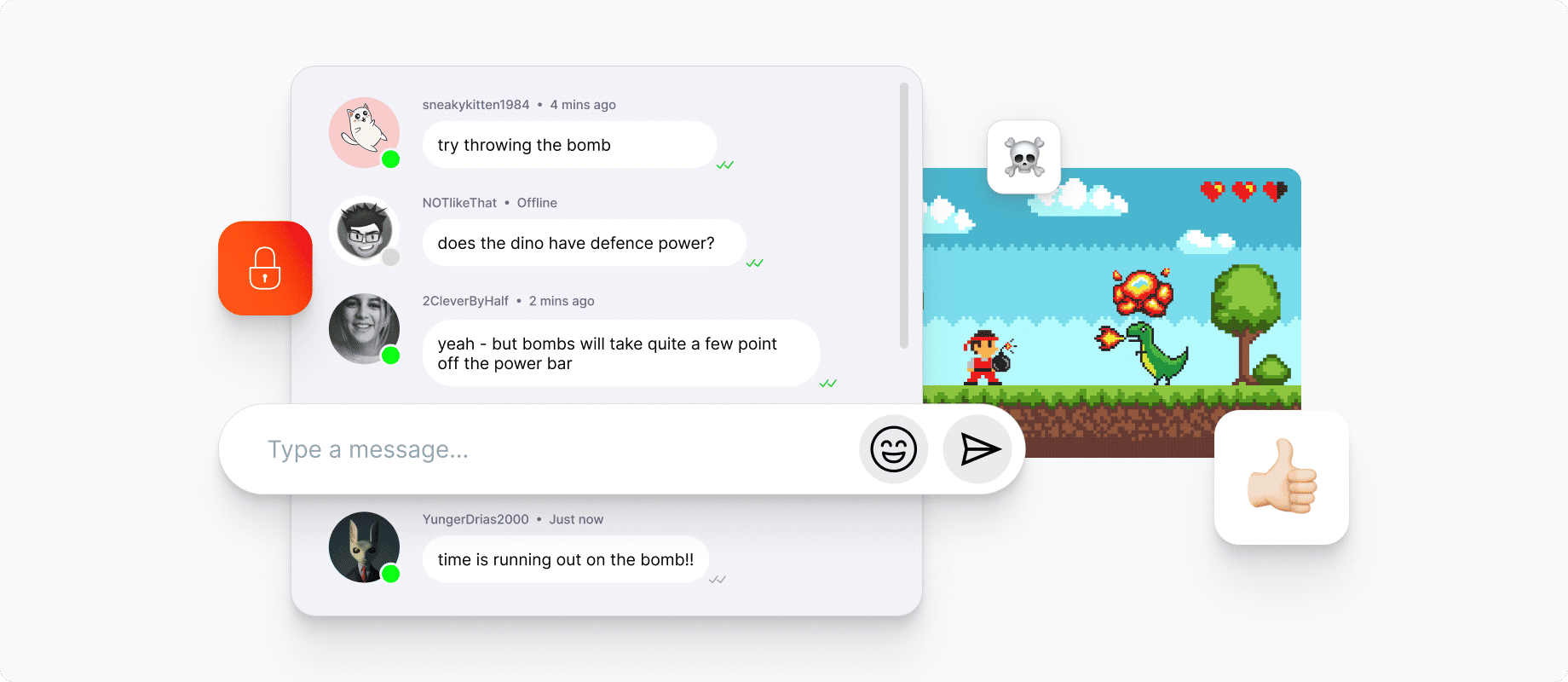
Clear communication is vital for success in real-time chat enabled gaming. If voice chat is unavailable, use the built-in ping system to mark targets, indicate retreat, or request assistance. Consistent, non-verbal cues help your team maintain a unified focus, which is essential for executing complex strategies without confusion.
1.2.2 Establishing Map Control and High-Ground Dominance
Map control is not just about standing on an objective; it is about controlling sightlines. Securing high ground provides a massive tactical advantage, forcing enemies to move through narrow choke points to reach you. By maintaining a presence on key elevations, you force the opposition into disadvantageous positions, making them easier to pick off as they attempt to climb or flank.
1.2.3 Balancing KDA Chasing Against Objective Prioritization
It is easy to get caught up in hunting for eliminations, but team based objective matches are won by controlling points, not by high kill counts. Always weigh the risk of chasing a low-health opponent against the benefit of holding a strategic position. If leaving your post to secure a kill leaves your team vulnerable to a back-door objective capture, stay put.
1.3 Preventing Common Tactical Errors
1.3.1 Recognizing Overextension and Baiting Patterns
Overextension is the quickest way to turn a winning streak into a defeat. If you find yourself deep in enemy territory without backup, you are likely being baited. Learn to recognize when an enemy is retreating into a trap. If an opponent suddenly runs away after being aggressive, do not pursue; assume their team is waiting just around the corner.
1.3.2 Overcoming Solo-Queue Mentality to Foster Cohesion
The biggest hurdle in random matchmaking is the tendency to play for individual stats. To win, you must adapt your playstyle to fill the gaps in your team composition. If your team lacks a frontliner, play more conservatively or pick a durable character. Fostering a mindset of “team-first” play significantly improves your win rate, even in chaotic queues.
1.3.3 Maintaining Vision and Minimizing Flanking Vulnerabilities
Information is a resource. Always check your flanks and keep an eye on the mini-map to predict enemy rotations. If you are playing a damage-focused role, periodically rotate your camera to ensure no enemies are sneaking behind your backline. Denying the enemy information about your team’s location while gathering data on theirs is the foundation of superior tactical play.
2. Advanced Loadout Optimization and Meta Adaptation
Mastering multiplayer arena brawls requires more than just mechanical skill; it demands an analytical approach to your setup. Adapting your loadout to the shifting landscape of PvP online games is the difference between consistent victories and stagnant progression.
2.1 Refining Deck Construction and Equipment Drafting
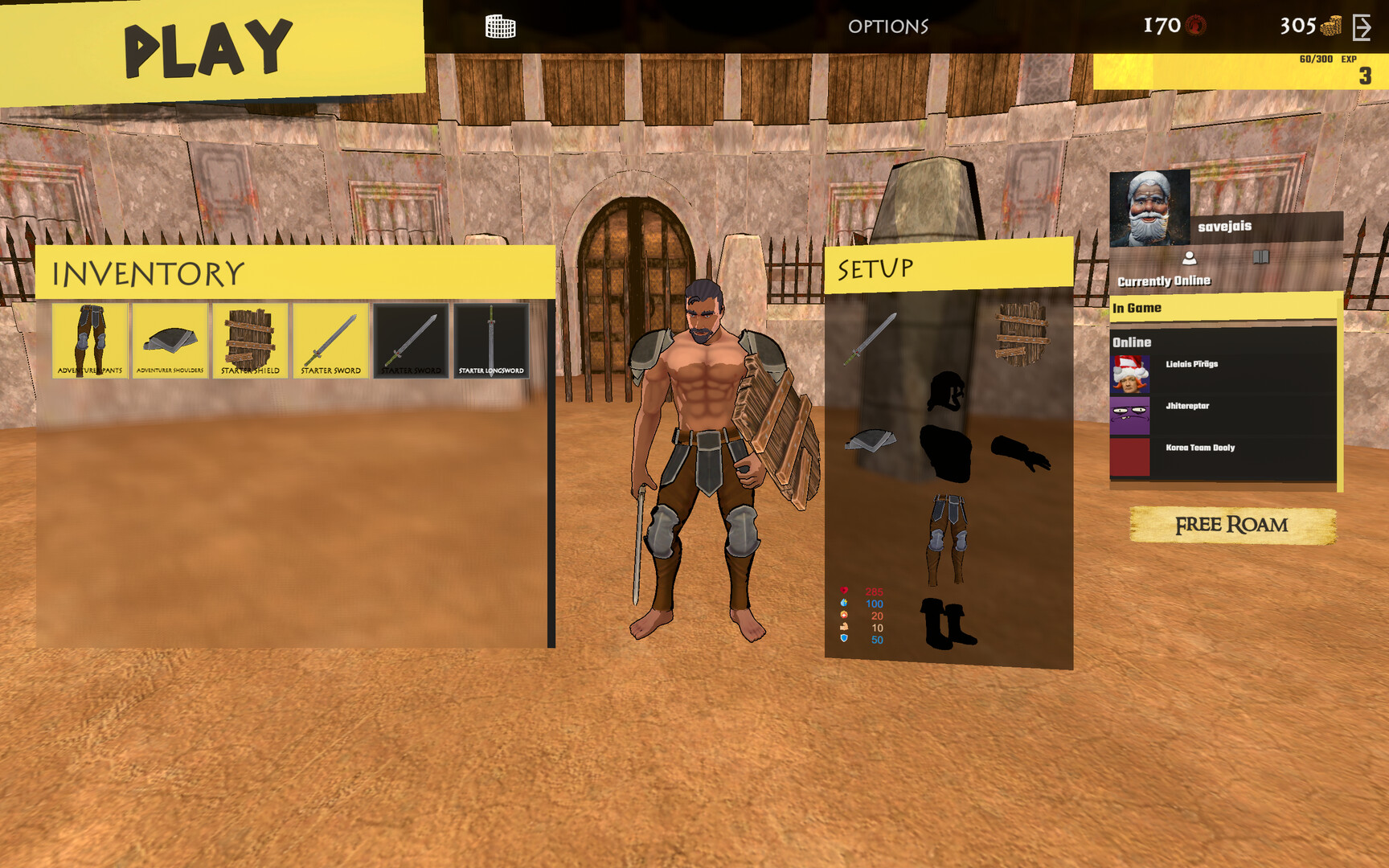
Effective loadout management begins with understanding the core identity of your character. Rather than defaulting to “top-tier” builds found online, focus on internal synergy.
2.1.1 Prioritizing High-Value Resource Allocation
In most arena titles, resources are finite. Whether you are managing ability cooldowns or gear currency, prioritize items that provide exponential value. Invest in equipment that strengthens your team’s win condition rather than individual survival stats if your role is to initiate engagement.
2.1.2 Balancing Burst Damage with Crowd Control Capabilities
A team built solely on damage often lacks the utility to secure kills against coordinated opponents. Ensure your build includes at least one form of crowd control—such as stuns, slows, or knockbacks—to peel for teammates or lock down high-priority targets. This balance is critical when navigating competitive ranking leaderboards where every second of movement restriction can dictate the flow of a match.
2.1.3 Customizing Builds for Specific Arena Environments
Not every map plays the same. Open arenas with long sightlines favor burst damage and mobility, while confined, objective-heavy maps often reward sustain and area-of-effect (AoE) control. Adapt your passive traits and equipment before the match starts based on the environmental hazards and map layout.
2.2 Developing Counter-Play Strategies
High-level play is defined by your ability to react to the enemy. If you treat loadout building as a static process, you will inevitably fall behind.
2.2.1 Identifying and Neutralizing Enemy Power Spikes
Observe the match progression to determine when your opponents reach their maximum potential. If the enemy team relies on a late-game core item or ability, play defensively early to starve their momentum. Identifying these spikes allows you to force engagements before they are fully prepared.
2.2.2 Adapting Builds to Shift with Meta Tier Lists
While meta tier lists provide a baseline, they rarely account for specific player styles. Stay informed on balance patches, but prioritize items that counter the current dominant strategy. If shields are currently meta, ensure your loadout includes armor-piercing or shield-drain capabilities.
2.2.3 Utilizing Ability Cycling to Overwhelm Opponent Defenses
Strategic ability cycling forces opponents to waste their defensive cooldowns. By coordinating with allies to rotate your control abilities, you can strip the enemy team of their defensive safety nets, creating a window for a decisive push.
2.3 Enhancing Individual Performance Through Practice
Optimization is useless without the mechanical execution to back it up. Consistently refining your input accuracy and tactical intuition is essential for long-term growth.
2.3.1 Improving Reflexes During High-Intensity Scenarios
Dedicate time to warm-ups that focus on twitch-reaction movements and skill-shot accuracy. High-intensity combat requires muscle memory to handle sudden flanks or unexpected ability combos effectively.
2.3.2 Analyzing Match Loss Replays to Refine Future Tactics
Reviewing your own gameplay is the fastest way to spot errors in positioning or resource management. Look specifically for moments where your loadout underperformed and determine if a different tactical choice could have changed the outcome.
2.3.3 Training Specific Team Compositions Outside of Competitive Play
Use unranked matches or training modes to experiment with unconventional team compositions. Establishing deep synergy with a group of players is the ultimate advantage in clan based strategy games, as it builds the trust necessary to attempt complex, multi-layered maneuvers under pressure.
Mastering multiplayer arena brawls is a journey that balances mechanical skill with the nuanced art of team cooperation. By shifting your focus from individual glory to the collective success of your squad, you transform from a casual player into a formidable competitor. Remember that success in these high-stakes environments relies on more than just quick reflexes; it requires a deep understanding of role synergy, objective prioritization, and the ability to adapt your loadout to an ever-evolving meta.
As you continue to refine your tactics, stay committed to analyzing your match replays and practicing with consistent teammates. Whether you are looking to climb the ranks or coordinate better within a community, applying these strategic principles will help you overcome the chaotic nature of PvP online games. If you are serious about improving your standing, you can learn more about how to climb the ranks in our guide on competitive ranking leaderboards. Stay patient, keep communicating with your allies, and keep pushing toward that next victory. Your path to arena dominance starts with one well-coordinated match at a time.