
Whether you are a casual player looking to test your mettle or an aspiring pro aiming for the top of the leaderboards, climbing the ranks in your favorite titles requires more than just raw mechanical skill. Competitive ranking leaderboards serve as the ultimate digital scoreboard, tracking your growth and pitting you against players of similar—or often superior—caliber. However, reaching the peak involves understanding complex hidden systems, from ELO formulas to the nuances of skill-based matchmaking, which often dictate how quickly you progress. In the world of competitive online games, consistency is the true separator between those who plateau and those who reach the highest tiers. In this guide, we will break down the essential mechanics behind these ranking systems and provide actionable strategies to help you optimize your gameplay. You will learn how to analyze your performance, refine your tactical decision-making, and cultivate the professional habits necessary to rise through the ranks, regardless of whether you are navigating individual ladders or mastering team based objective matches.
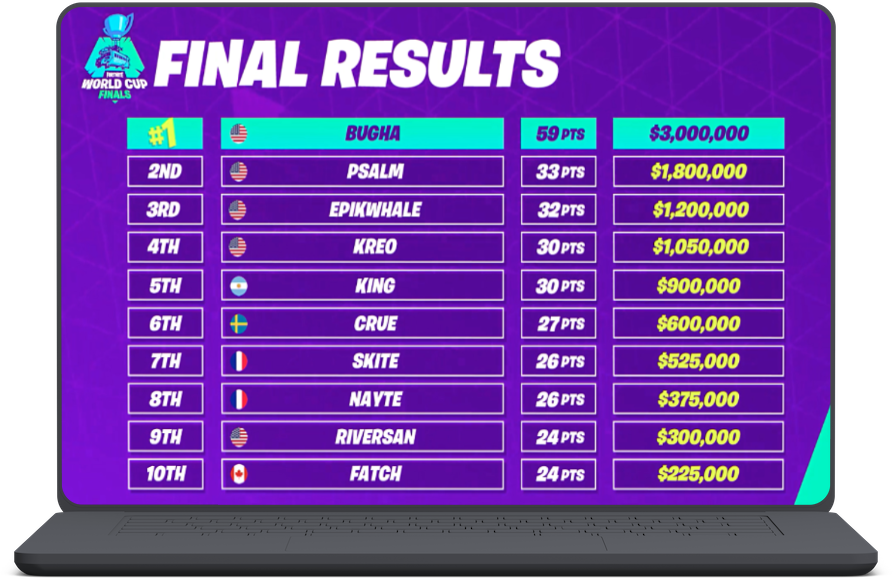
1. Mastering the Mechanics and Systems of Competitive Ranking Leaderboards
To climb the ranks in any title, you must first treat the game like a system to be understood rather than just an activity to be played. Competitive ranking leaderboards are built on intricate mathematical models designed to measure skill, consistency, and impact. Whether you are engaging in team based objective matches or solo-queue endurance, recognizing the underlying rules of engagement is the first step toward professional-level progression.
1.1 Deciphering Scoring Architectures and ELO Formulas
At the heart of every ranking system lies an ELO or MMR (Matchmaking Rating) formula. These systems evaluate your performance relative to the competition, adjusting your standing based on the difficulty of the match. Understanding that not all wins are created equal is crucial; defeating a higher-ranked team yields more significant point gains than overcoming opponents with lower statistical probability of winning.
1.1.1 Calculating Point Gains Based on Performance Metrics
Modern games increasingly shift toward granular performance tracking. Beyond the final score, systems analyze metrics like damage output, objective time, and utility usage. Your personal contribution often acts as a multiplier, ensuring that even in hard-fought losses, high-impact players may see minimized rank penalties.
1.1.2 Understanding Weight Distribution Between Placement and Kills
In battle royale and survival genres, the tension between aggressive play and survival is constant. Developers often weight placement higher than kill counts to prevent reckless play that disrupts match pacing. Mastering the balance involves knowing exactly when to hunt for eliminations and when to prioritize the positional advantage that ensures long-term survival.
1.1.3 Mitigating Point Loss and Managing Rank Decay
Rank decay is a harsh reality for players who take breaks from the grind. Many competitive tiers implement automated point reduction for inactivity, forcing you to maintain a consistent schedule. To mitigate loss, focus on stabilization—playing just enough to keep your rank fresh while avoiding the burnout that leads to unforced tactical errors.
1.2 Distinguishing Between SBMM and Ranked Ecosystems
It is vital to differentiate between hidden Skill-Based Matchmaking (SBMM) and visible ladder systems. SBMM is designed to keep matches close for all players, regardless of their rank, whereas ranked ecosystems prioritize progression toward specific prestige tiers. You can learn more about mastering team based objective matches by understanding how these matchmaking variables impact your win probability.
1.2.1 How Skill-Based Matchmaking Influences Win Probability
SBMM often pushes your win rate toward 50 percent, making it difficult to maintain a massive streak. Recognizing this trend allows you to adjust your expectations; when the game identifies you as a high-skill player, it will challenge you with tougher opponents, requiring you to refine your mechanics to maintain your current tier.
1.2.2 Transitioning from Casual Play to Competitive Consistency
The move from casual sessions to competitive consistency requires a mindset shift. It is no longer about having fun with mechanics; it is about refining them for repeatable success. This involves identifying your main roles and sticking to them, ensuring that your contribution to the team is predictable and high-quality.
1.3 Setting Realistic Objectives for Seasonal Progression
Climbing is a marathon, not a sprint. Setting clear, attainable goals prevents the frustration that comes with plateaus. By breaking down your climb into bite-sized milestones, you keep your motivation high throughout the season.
1.3.1 Identifying Benchmarks for Tier Advancement
Instead of aiming for the top rank immediately, focus on the next major tier. Identify the mechanical or game-sense skills required to bridge the gap between your current rank and the next one. Use these benchmarks to guide your practice sessions.
1.3.2 Analyzing Performance Data to Set SMART Goals
Use your in-game career profiles to track data. Set SMART goals—Specific, Measurable, Achievable, Relevant, and Time-bound—such as increasing your headshot percentage by five percent or reducing deaths per match over the next two weeks. Data-driven goals remove the guesswork from your improvement strategy.
2. Advanced Operational Strategies for Climbing Competitive Ranking Leaderboards

2.1 Optimizing Macro Gameplay and Tactical Decision-Making
Success in competitive online games often separates players based on their macro-level decision-making rather than just raw mechanical aim. High-level play requires a holistic understanding of the map, resource management, and team positioning.
2.1.1 Executing Effective Rotations Through Early and Late Game Stages
Early game rotations should prioritize resource acquisition and territory control, while late-game movements must be dictated by circle closures or objective spawns. Map awareness is critical; you must anticipate where opponents are likely to rotate based on current positioning and travel time.
2.1.2 Balancing Aggressive Drop Strategies Against Survival Utility
While landing in high-traffic zones offers immediate gear upgrades, it significantly increases the risk of early elimination. To climb efficiently, weigh the benefit of high-tier loot against the statistical probability of surviving the initial encounter. A balanced approach—targeting secondary points of interest—often yields a more consistent net gain in ranking points.
2.1.3 Strategic Disengagement to Preserve Ranking Points
Knowing when to retreat is as important as knowing when to engage. If a fight turns unfavorable or your team is at a numerical disadvantage, tactical disengagement is essential to prevent losing progress. Preserving your life ensures you remain in the match to capitalize on placement-based scoring multipliers.
2.2 Establishing Professional Habits for Sustained Growth
Climbing requires more than just raw talent; it requires a disciplined, professional approach to your practice sessions.
2.2.1 Implementing Systematic VOD Reviews to Correct Tactical Errors
Reviewing your own gameplay is the fastest way to identify recurring mistakes. By watching Video on Demand (VOD) footage, you can analyze failed rotations, poor positioning, or missed communication, allowing you to refine your decision-making for future matches.
2.2.2 Standardizing Peripheral Settings and Hardware Optimization
Consistency is built on a stable foundation. Ensure your input latency is minimized by standardizing your sensitivity, frame rates, and hardware configurations. When your settings remain static, your muscle memory develops more reliably, which is vital when you are mastering global leaderboard challenges.
2.2.3 Mastering Meta Shifts Through Character and Weapon Balancing
Competitive games undergo frequent updates that alter the strength of specific characters or weapons. Staying updated with patch notes allows you to adapt to the shifting meta, ensuring you aren’t playing at a disadvantage due to outdated loadouts.
2.3 The Psychology of Competition and High-Stakes Performance
Mental fortitude is often the limiting factor for players stuck in a plateau. Maintaining composure under pressure is a skill that must be trained alongside your gameplay.
2.3.1 Managing Rank Anxiety and Sustaining Focus During Long Grinds
Rank anxiety occurs when players fear losing their current standing. To combat this, focus on personal growth milestones rather than the number on your profile. Shifting your mindset toward learning helps maintain focus throughout long play sessions.
2.3.2 Identifying Burnout Patterns and Mental Fatigue
Extended grinding leads to cognitive fatigue, which degrades reaction times and judgment. Recognize when your decision-making begins to falter and implement mandatory breaks. Stepping away for a short period can reset your focus and improve your performance in the long run.
2.3.3 Optimizing Communication Dynamics and Team Synergy
In team-based objective matches, communication is the lifeblood of coordination. Use clear, concise callouts and maintain a positive environment to foster better team synergy, which often leads to higher win rates.
2.4 Troubleshooting Common Climbing Hurdles
Even skilled players face roadblocks. Diagnosing these issues requires a systematic evaluation of your environment and playstyle.
2.4.1 Countering Skill Gaps Against Higher-Ranked Opponents
When facing superior competition, avoid engaging in straight-up mechanical duels. Instead, force unfavorable situations for them by utilizing utility, superior positioning, or environment-specific advantages.
2.4.2 Leveraging Server Regions and Peak Hours for Matchmaking
Matchmaking difficulty often fluctuates based on server load and time of day. Testing different peak hours can help you find windows where the competitive landscape is more favorable for your skill level.
2.4.3 Adapting to Developmental Changes in Scoring Systems
Developers frequently tweak ranking algorithms to combat inflation. Stay informed about how your game handles placement points versus combat stats, as these adjustments require you to recalibrate your playstyle to ensure you are maximizing gains during each match.
Climbing competitive ranking leaderboards is rarely about luck; it is a dedicated pursuit of consistency, tactical growth, and mental resilience. By mastering the underlying scoring mechanics, optimizing your macro-gameplay, and maintaining a disciplined approach to your training, you transform from an aspiring competitor into a top-tier contender. Whether you are navigating intense team based objective matches or grinding through solo queues, the principles of VOD review, meta-adaptation, and emotional regulation remain the cornerstones of long-term success.
Remember that the climb is a marathon, not a sprint. Stagnation is often a natural part of the process, serving as a signal that it is time to refine your strategy or address a specific skill gap rather than a sign to give up. Stay patient, keep your SMART goals in sight, and prioritize your well-being to avoid burnout during high-stakes sessions. As you sharpen your mechanics and deepen your understanding of the game’s evolving ecosystem, you will not only see your rank climb but also gain the confidence to compete at the highest levels of global tournament events. Your journey to the top of the leaderboard starts with the very next match.

Pingback: Mastering Multiplayer Arena Brawls: Tips for Team Strategy - GameTurn