There is a unique thrill in staring down a flickering CRT screen, heart racing as your current run teeters on the edge of a new personal best. For dedicated players, high score chasing challenges are more than just a nostalgic trip; they are a rigorous test of discipline, pattern recognition, and mental fortitude. Whether you are navigating the chaotic neon-lit waves of classic shooters or pushing for distance in endless arcade runners, climbing the leaderboard requires a shift in perspective. You must stop playing for mere survival and start playing with surgical precision. In this guide, we will break down the essential components of competitive arcade gaming, from mastering hidden game mechanics and frame data to the psychological strategies that keep you calm under pressure. By refining your technique and adopting a data-driven approach to your training, you will develop the consistency needed to transform casual play into professional-grade scoring runs. If you are looking to sharpen your fundamentals before diving into deeper strategies, our guide on mastering rhythm arcade challenges offers a perfect starting point for building the necessary dexterity and timing.
1. Fundamentals of Mastering High Score Chasing Challenges
Mastering high score chasing challenges requires a departure from casual play, moving into a space where technical precision and deep system knowledge become your primary tools. Whether you are navigating intense reflex based obstacle dodging scenarios or pushing for record-breaking runs in classic arcade skill games, the transition from enthusiast to expert is defined by how you engage with the machine’s underlying architecture.
1.1 Deciphering Game Mechanics and Hidden Systems
At the highest level of play, you are no longer playing against an opponent; you are playing against the code. Understanding how a game processes information allows you to anticipate outcomes rather than merely reacting to them.
1.1.1 Mastering Hitboxes and Collision Detection
Success often hinges on knowing the exact boundaries of your character and the hazards you face. In many retro titles, the visual sprite does not perfectly align with the game’s actual collision logic. By spending time in practice modes or observing replay data, you can identify “pixel-perfect” gaps that allow you to survive seemingly impossible situations.
1.1.2 Understanding Frame Data and Input Latency
Every action in a game happens over a specific number of frames. Recognizing how long an animation takes to execute—and the delay between your input and the on-screen result—is crucial for precision platforming arcade runs. Consistently timing your jumps or attacks requires a mental clock synchronized with the game’s internal tick rate.
1.1.3 Decoding RNG and Enemy Spawn Patterns
While many high-score titles appear chaotic, most rely on structured pseudo-random number generation. Instead of reacting to random events, top players memorize spawn patterns and “seeds.” Once you realize that enemy behavior is often deterministic based on your movement or the time elapsed, you can craft a repeatable route that maximizes efficiency and point gain.
1.2 Essential Training for Mechanical Proficiency
Hardware familiarity is the bridge between your intentions and the game’s output. Building muscle memory through consistent input hardware—such as using the same arcade stick or controller for every session—ensures that your brain spends less energy on physical coordination and more on strategic decision-making.
Visual processing speed can be improved through targeted drills. Focus on tracking multiple moving objects on the screen simultaneously, a skill vital for high-density stages. Furthermore, never underestimate the impact of ergonomics. During long sessions, small adjustments to your posture or grip can prevent fatigue, ensuring your reaction times remain sharp during the critical final minutes of a long-duration run.
1.3 The Psychological Framework of Competitive Play
The biggest hurdle in chasing a top-tier score is often your own mind. Managing “tilt”—the frustration that occurs after a preventable error—is essential for maintaining performance. When a run goes wrong, the ability to reset emotionally prevents a minor mistake from compounding into a failed session.
Maintaining focus for multiple hours requires deliberate practice. Rather than mindlessly restarting, utilize VOD (Video on Demand) reviews to analyze where you lost time or points. By breaking down your failures into objective data, you turn each attempt into a learning opportunity, ensuring that your pursuit of the leaderboard is a structured process of iterative improvement.
Advanced Tactics and Community Engagement for High Score Chasing Challenges
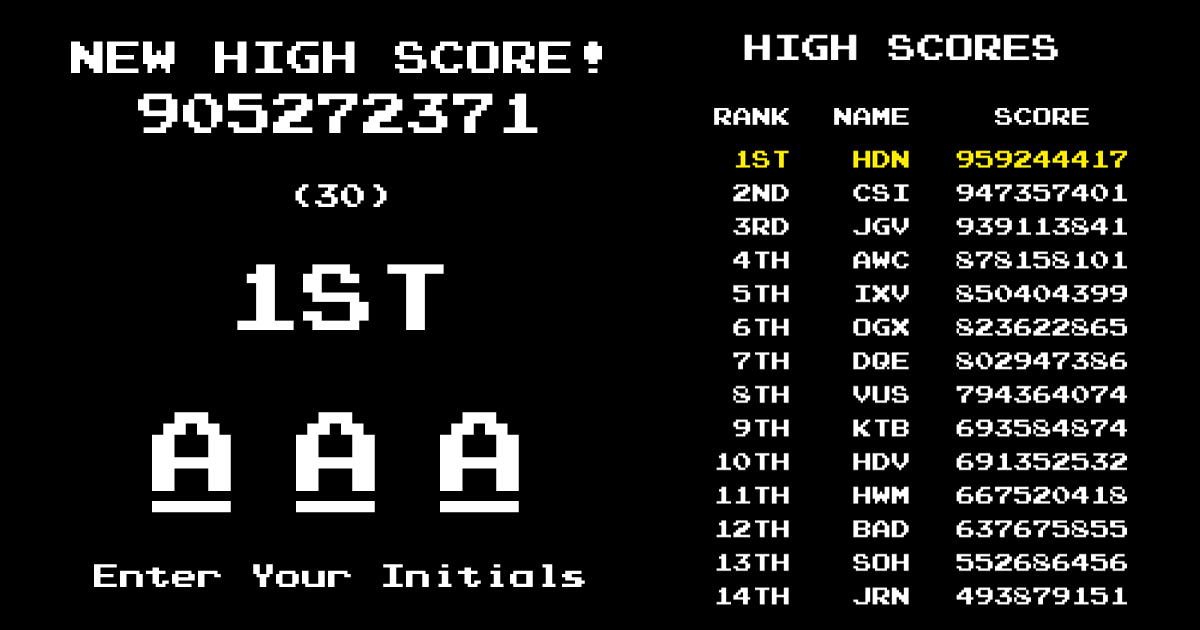
High-Level Scoring Strategies and Risk Management
Once you have moved beyond basic survival, the real quest for dominance begins. Maximizing your output requires a shift from defensive play to aggressive, calculated point-farming. In many modern arcade skill games, the scoring system is rarely linear. Instead, developers often implement hidden multipliers that reward players for keeping a continuous combo chain alive. To achieve a top-tier score, you must identify which actions—such as specific enemy takedowns or environmental interactions—provide the largest point yield and prioritize these over safer, low-reward paths.
Strategic risk-reward calculation is the hallmark of an elite player. During intense boss fights or high-velocity wave phases, it is tempting to play it safe, but safety is often the enemy of a high score. You must weigh the value of potentially taking damage against the massive score boosts offered by aggressive playstyles, such as point-blanking enemies or weaving through dense projectile patterns. Mastering this balance is essential when playing fast-paced endless arcade runners, where every missed coin or hazard proximity bonus can be the difference between a personal best and a leaderboard failure.
Furthermore, many classics hide secret scoring zones or unintended behavior within their code. Exploring these technical nuances, such as manipulating enemy spawn patterns or finding “sweet spots” where you can safely farm points from spawning waves, can unlock exponential growth. While some high-level players view the exploitation of glitches as a valid tactical skill, others prefer to master legitimate mechanics to prove their raw ability within the intended parameters of the design.
Leveraging Modern Tools and Resources for Skill Development
The modern era has revolutionized how we approach training for retro titles. Using emulation software allows you to utilize save-states to isolate the most difficult sections of a game. By breaking a challenging level down into bite-sized segments, you can practice a specific, high-pressure sequence hundreds of times without needing to play through the entire run. Recording your gameplay for frame-by-frame analysis is another powerful method to identify exactly where you are losing precious seconds or missing out on optimal point opportunities.
Consistency is built through data. Keeping digital performance logs—or even simple spreadsheets—helps you track your progress over time. By logging your best runs, you can spot trends in where your performance typically dips, such as fatigue-related errors during the later stages of a long session. To further refine your precision, consider investing in high-quality hardware. Standard controllers often suffer from input lag or poor ergonomic design; switching to arcade-grade controllers or mechanical fight sticks can drastically improve your execution of complex, reflex based obstacle dodging maneuvers.
Navigating the Arcade Gaming Ecosystem
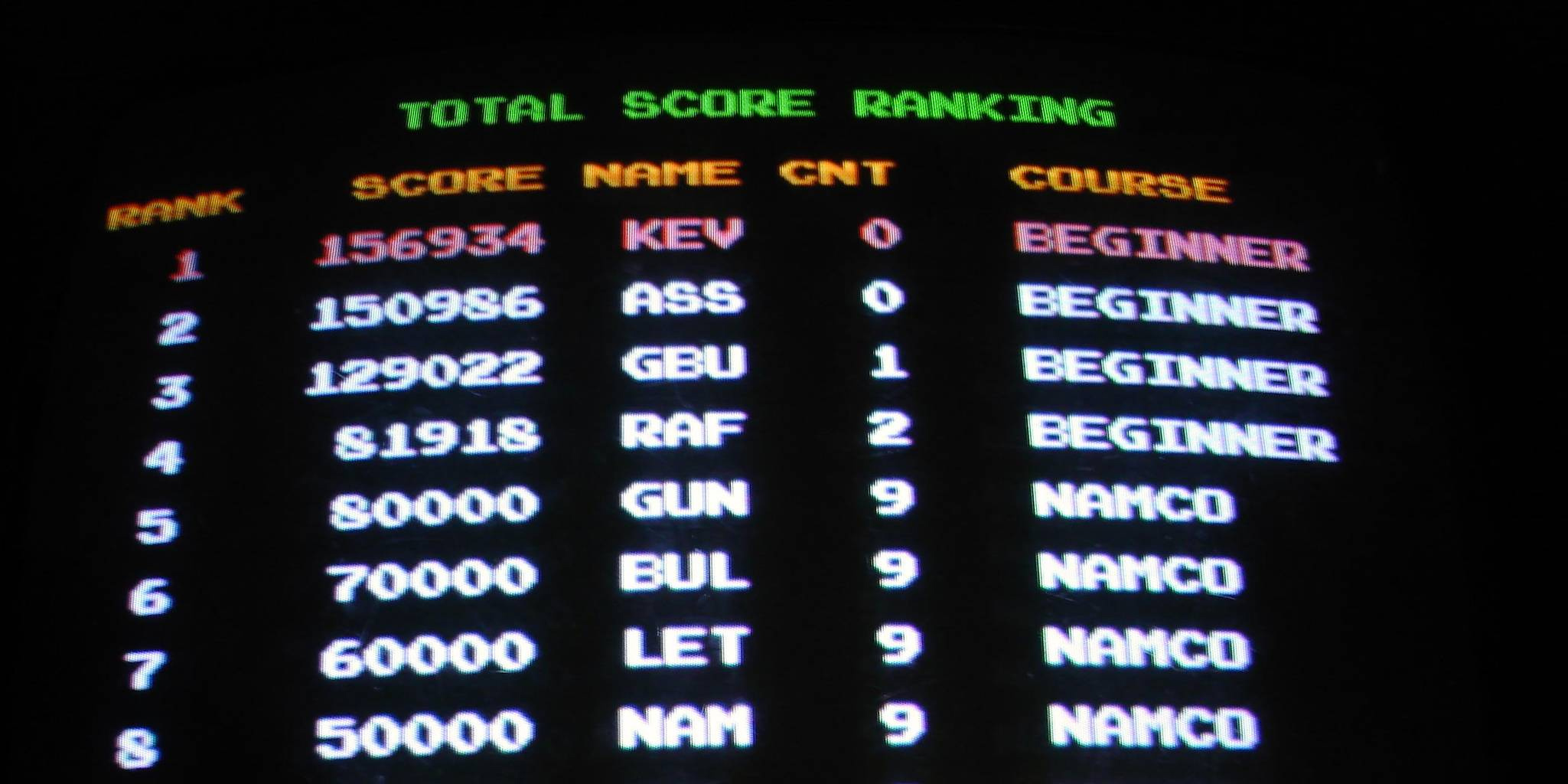
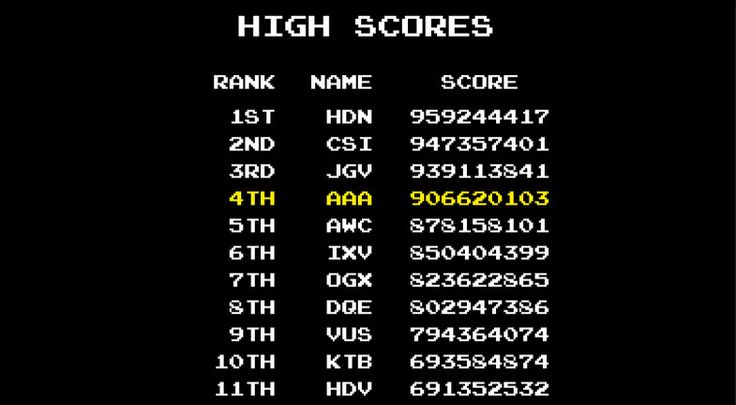
Chasing high scores is rarely a solitary endeavor. Online leaderboards serve as the ultimate benchmark, providing a global theater to test your mettle against the best players in the world. If you find your progress stalling, engaging with specialist communities on forums or dedicated social media groups is invaluable. Experienced veterans are often willing to share deep-dive strategies, such as the best routes for mastering global leaderboard challenges, which can save you hours of trial-and-error discovery.
If your goal is to compete in person, you must prepare for the unique pressures of tournament environments. High-stakes competition is a test of nerves as much as it is a test of skill. While home practice focuses on technical perfection, in-person events demand emotional regulation and the ability to perform under the glare of spectators and the ticking clock of a public cabinet. By focusing on consistent practice, community networking, and the right technical setup, you can transition from an casual enthusiast to a formidable competitor in the world of high score chasing.
Mastering high score chasing challenges is as much about the mindset as it is about the physical dexterity required to navigate increasingly complex game loops. Whether you are honing your skills in global leaderboard challenges, pushing for new personal bests in endless arcade runners, or surviving the relentless pace of reflex-based obstacle dodging, the path to the top remains consistent. It requires a balanced approach that combines deep technical knowledge of game mechanics, the development of rigid muscle memory, and the emotional discipline to stay calm under intense pressure.
Remember that even the world’s greatest players started by viewing failure as data rather than a setback. By utilizing modern tools like emulation for frame-by-frame analysis and maintaining a consistent practice routine, you transform the intimidating gap between casual play and competitive mastery into an achievable journey. Ultimately, these arcade skill games are designed to test your limits, but they are also deeply rewarding when you finally break through that previous scoring plateau. Keep pushing, stay focused, and enjoy the process of refining your craft one run at a time.