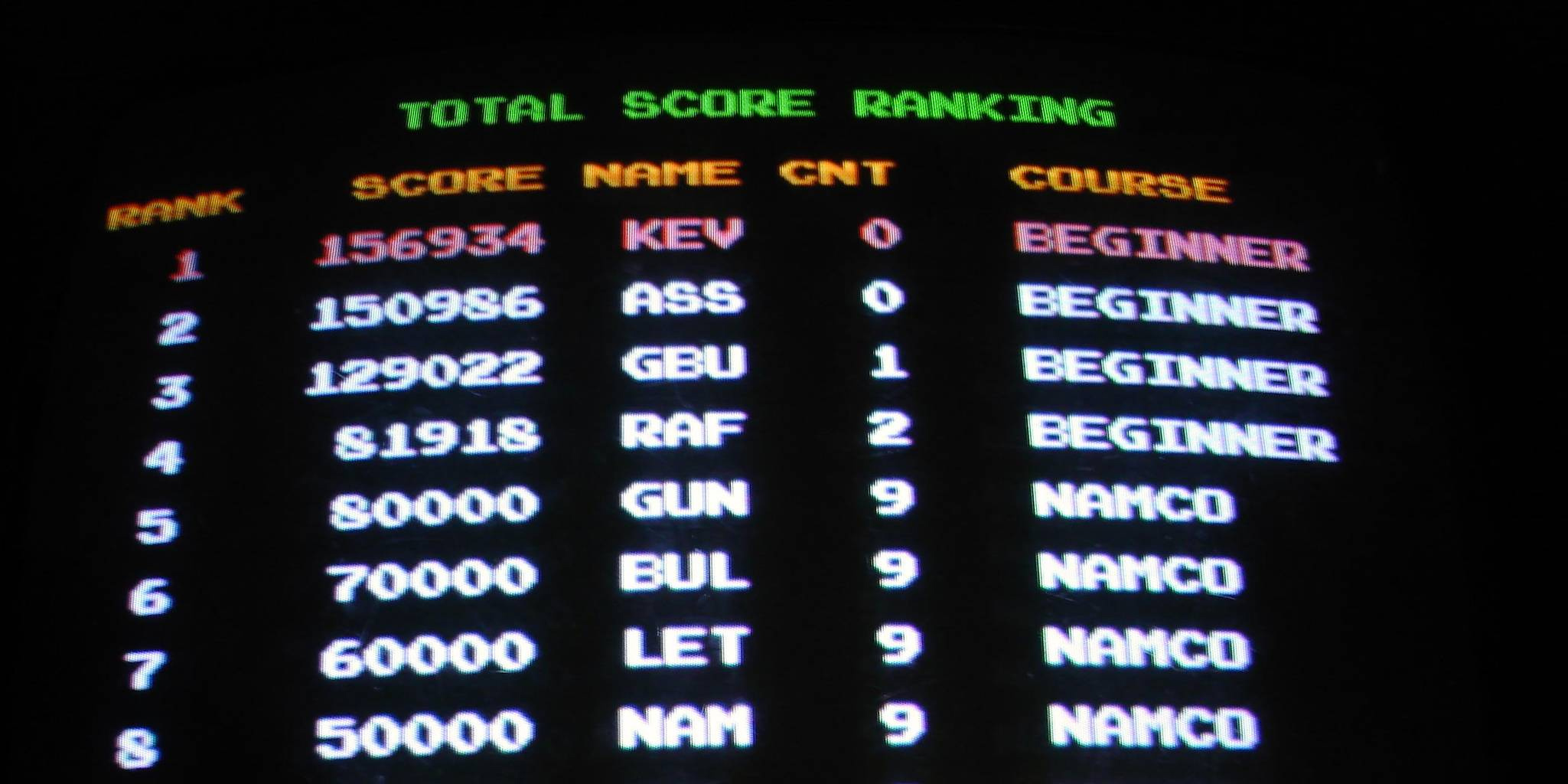
There is a unique, hypnotic satisfaction found in color matching arcade action. Whether you are aiming to climb the leaderboards of high score arcade games or simply trying to survive a few extra seconds under increasing pressure, these titles require more than just quick fingers. They demand a blend of pattern recognition, spatial awareness, and calm under fire. As the blocks fall faster and the grid fills up, the difference between a new personal best and a game-over screen often comes down to your underlying strategy and how you manage the board’s limited space. In this guide, we will break down the essential techniques needed to elevate your play, from mastering grid dynamics to executing advanced combo chains. By refining your reaction speed and tactical approach, you can transform from a casual player into a competitive force in any retro pixel arcade environment.
1. Mastering Core Mechanics and Field Strategy in Color Matching Arcade Action
1.1 Understanding Game Physics and Board Dynamics
1.1.1 Evaluating block fall speed and gravity adjustments
Success in color matching arcade action begins with a deep familiarity with the game’s hidden physics. Every title features a unique rhythm governed by its gravity settings. In early levels, you have the luxury of time, but as the game progresses, block fall speeds accelerate, leaving you less room for error. Pay close attention to how quickly pieces lock into place upon contact. Understanding the precise moment a piece becomes immovable is vital for executing last-second slides or pivots. By anticipating these speed transitions, you can shift from a reactive playstyle to a proactive one, ensuring you are prepared before the pressure peaks.
1.1.2 Identifying primary grid layouts and drop patterns
The architecture of the playfield is rarely random. Most games utilize specific drop patterns—often based on seeded algorithms—that dictate the sequence of colors. Experienced players learn to read the “next piece” queue and cross-reference it with the current board state. Recognizing these patterns allows you to predict where clusters will form before the pieces even hit the grid. If you are struggling with these fast-paced layouts, it is often helpful to review your fundamental approach to mastering high score arcade games, which provides a solid foundation for interpreting complex, screen-filling chaos.
1.2 Strategic Grid Management for Sustained Play
1.2.1 Techniques for preventing stack overflows and board congestion
The most common cause of a “Game Over” is a vertical stack that reaches the ceiling. To prevent this, you must prioritize “top-down” clearing. Avoid building uneven, jagged towers that block future placements. Instead, aim to keep your grid profile as flat as possible. If a column begins to rise significantly higher than the others, your immediate goal should be to level the field rather than chase a risky combo. Managing the height of your stacks creates a safety buffer, giving you the time needed to evaluate incoming pieces without the looming threat of an immediate board lock.
1.2.2 Prioritizing field clearance to maintain open move space
Space is your most valuable resource. In any reflex-based challenge, a cluttered grid limits your ability to maneuver pieces into tight corners. Prioritize clearing blocks in the lower sections of the screen to ensure that gravity keeps the board manageable. By maintaining a clean, open playfield, you gain the tactical flexibility to rotate pieces and slide them into gaps that would otherwise be inaccessible. Think of each move not just as a way to score points, but as a strategic maneuver to preserve future mobility.
1.3 Essential Tactical Approaches for High Scoring
1.3.1 Utilizing the Rainbow Method for color priority sequences
The Rainbow Method is a cornerstone technique for high-level play. This strategy involves identifying the most abundant color on your screen and focusing exclusively on clearing it first to simplify the board. By systematically removing dominant colors, you reduce the visual noise, making it easier to spot patterns for the remaining colors. This reductionist approach prevents decision paralysis, allowing you to move with confidence even when the game speed is at its highest.
1.3.2 Executing chunking techniques to maximize group clearing potential
Rather than clearing single matches, focus on “chunking”—the practice of grouping large volumes of blocks together to be cleared simultaneously. This is the difference between a casual player and a high-score chaser. By setting up larger clusters, you trigger massive chain reactions that grant exponential multipliers. Study the edge of the board to see how pieces cascade; often, a single well-placed block can cause a chain reaction that clears half the grid, drastically increasing your score in one move.
1.3.3 Implementing bait and switch tactics for low-value color removal
Sometimes the board is cluttered with colors that do not contribute to your current combo goals. In these cases, use “bait and switch” tactics: place a low-value color in a position where it serves as a temporary bridge to connect your higher-value groups. If you find yourself stuck with colors that don’t match, use them to build a wall or a structural base that supports your larger combos. By treating unwanted blocks as structural tools rather than obstacles, you transform a potentially dead board into a high-scoring setup.
2. Advanced Techniques and Performance Optimization for Color Matching Arcade Action
2.1 Developing High-Level Reaction and Cognitive Skills
To consistently reach the top of the leaderboards, you must move beyond conscious thought and rely on intuitive pattern recognition. Establishing muscle memory is the cornerstone of mastering color matching arcade action, as it allows your fingers to execute complex maneuvers before your brain fully processes the visual change on the screen. Start by practicing repetitive drills that focus on specific color clusters, forcing your brain to identify viable clearing patterns instantly without pausing to evaluate every individual piece.
As the game progresses, you will encounter rapid late-game speed transitions that test your hand-eye coordination. Maintaining flow during these spikes requires a shift from reactive play to proactive board management. Rather than chasing every match you see, train your eyes to scan for “upcoming” color sequences near the top of the grid. This level of anticipation ensures that your placement is always one step ahead of the falling blocks, which is essential for survival in high-intensity reflex based obstacle dodging scenarios where a single miscalculation results in a game-over screen.
Finally, practice predictive movement to minimize input lag. By anticipating where the block needs to land before it even appears, you can execute frame-perfect drops. This minimizes the time blocks spend in transit, effectively giving you more “thinking time” even when the game speed is at its maximum threshold.
2.2 Optimizing Hardware and Environment for Competitive Play
When every millisecond counts, your hardware can become the limiting factor in your performance. Selecting controllers with minimal input latency is non-negotiable for serious players. Wired controllers are generally preferred in high-score arcade games because they eliminate the potential for wireless interference and signal delay, ensuring that your inputs are registered precisely when you press the button.
Ergonomics play a surprisingly large role in maintaining a high level of performance during extended sessions. If your hands are strained or your seating position is awkward, your reaction times will inevitably suffer due to physical fatigue. Position your screen at eye level to prevent neck strain and ensure your wrists are supported in a neutral position. Taking short, intentional breaks between rounds allows your cognitive resources to recharge, keeping your mental focus sharp for when the game speed ramps up.
2.3 Scaling Scoring Efficiency through Advanced Logic
High scores are rarely the result of basic clearing; they are built upon complex combo chains that trigger exponential multiplier bonuses. Focus on stacking colors in a way that creates “cascades”—where one clearing move triggers subsequent clears automatically. This “setup” phase of gameplay is what separates casual players from experts.
Analyzing your own gameplay replays is one of the most effective ways to identify placement inefficiencies. Watch your VODs to spot moments where you wasted time or missed an opportunity for a larger chain. Ask yourself why you chose a specific column and what the “optimal” move would have been in retrospect. This feedback loop is essential for refining your strategic decision-making.
Finally, adopt a competitive mindset that emphasizes emotional control. When the pressure mounts and the board begins to fill up, it is easy to panic and make rash decisions. By practicing calm, measured responses to high-stress situations, you can maintain your rhythm even during the most frantic rhythm arcade challenges, ensuring your logic remains sound until the final second.
Mastering color matching arcade action is a journey that blends rapid pattern recognition with precise execution. By focusing on field management, understanding the nuances of gravity and drop patterns, and sharpening your cognitive speed, you transform from a casual player into a competitive force on the global leaderboards. Remember that the transition to high-level play often requires moving beyond simple reactions; it demands proactive strategy and a calm, analytical mindset even when the screen speed begins to accelerate.
Whether you are drawn to the aesthetic charm of retro pixel arcade games or the intense pressure of survival-based challenges, the core principles of organization and efficiency remain your best tools for success. Keep practicing your chunking techniques, refine your hardware setup for optimal latency, and continue to analyze your gameplay to identify hidden inefficiencies. If you are ready to put these skills to the test in other fast-paced environments, you can further sharpen your competitive edge by exploring our guide on mastering high score arcade games. Stay focused, keep your board clear, and enjoy the rewarding process of chasing that next record-breaking score.