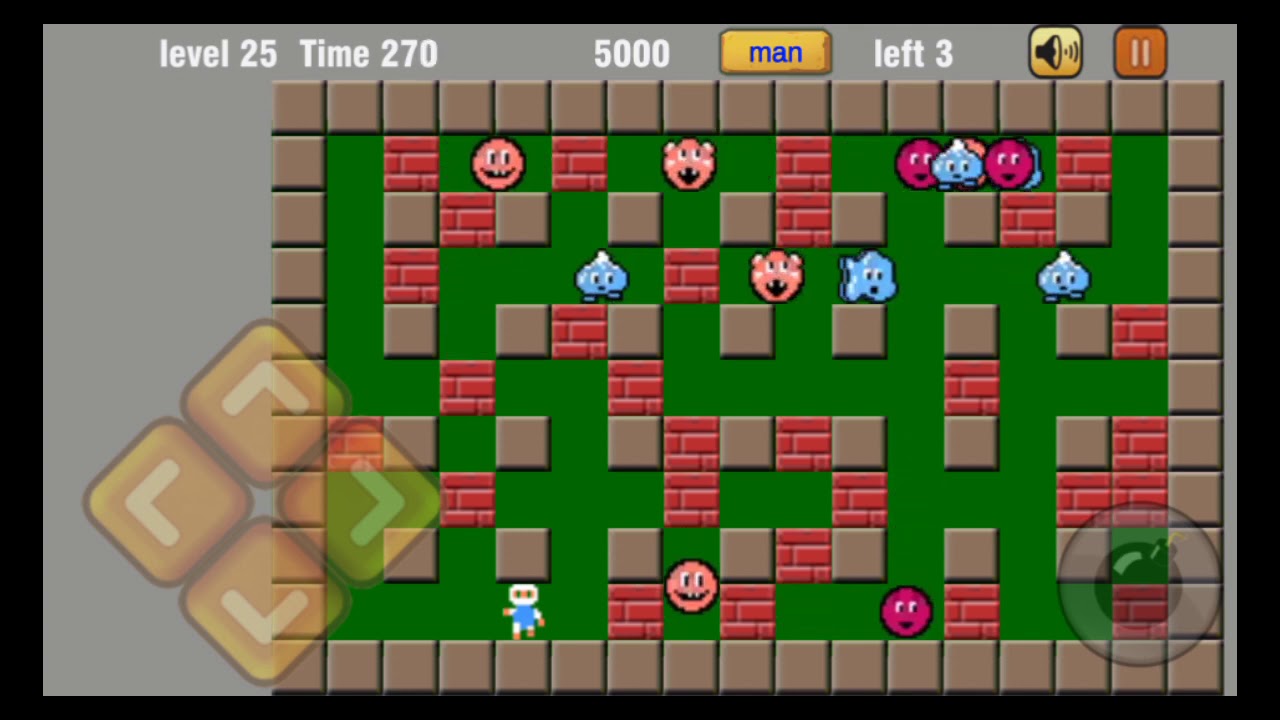
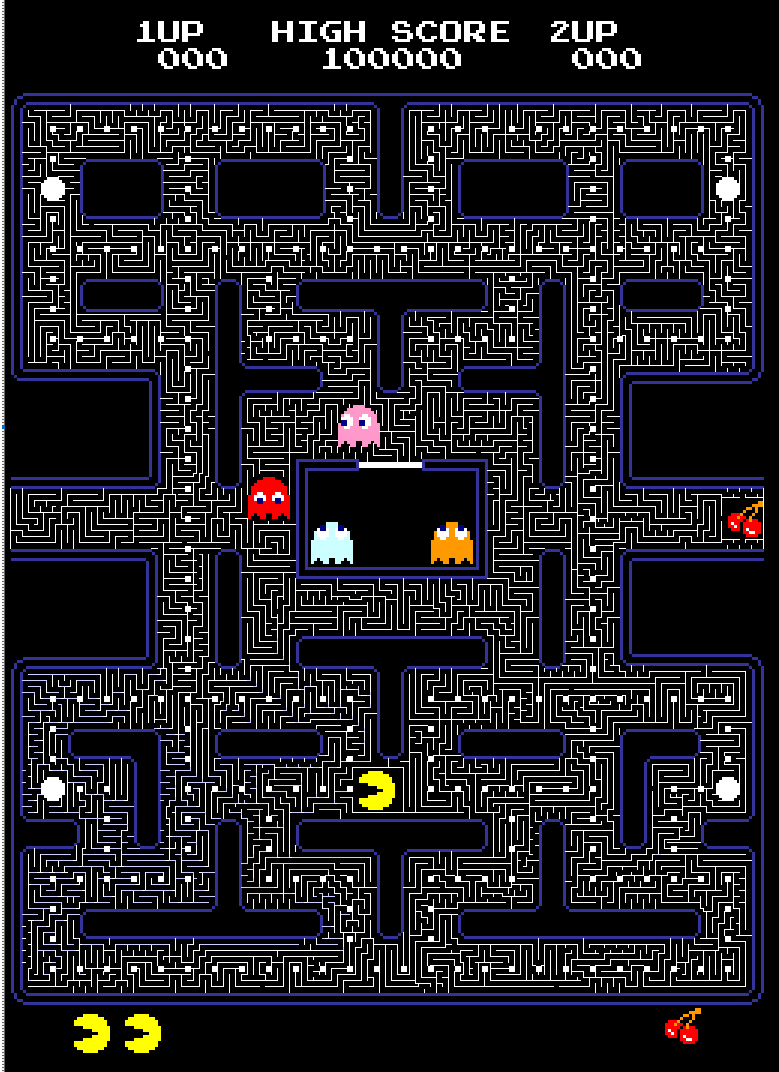
There is a unique, enduring thrill found in the flickering glow of a CRT monitor, where the simple architecture of retro maze navigation defines the difference between a new personal best and a crushing game over. For those who grew up in the golden age of classic arcade games, these titles represent more than just nostalgia; they are precise tests of timing, pattern recognition, and nerves. Whether you are navigating the neon corridors of a subterranean labyrinth or dodging relentless pursuit in a single screen arcade challenge, success requires far more than just quick fingers.
In this guide, we will break down the fundamental logic governing these vintage experiences. You will learn how to dissect enemy behavior, master the geometry of the game grid, and utilize advanced movement techniques to climb the global leaderboards. If you are ready to refine your reflex based obstacle dodging and turn those pixelated threats into predictable pathways, you have come to the right place to level up your play.
1. Mastering the Mechanics of Retro Maze Navigation
1.1 Understanding Arcade Grid Dynamics
1.1.1 The Role of Tile-Based Architecture in Movement Constraints
Most classic arcade games operate on a strict grid-based system, often referred to as tile-based architecture. In these titles, the screen is essentially a collection of squares, and your character is locked to these coordinates. Understanding this is the first step toward mastering retro maze navigation. Because movement is quantized—meaning you can only move from one tile center to the next—you are rarely playing in a truly fluid space. Recognizing the boundaries of these tiles helps you anticipate where your character will stop or turn, preventing input errors that often lead to sudden losses in high-pressure situations.
1.1.2 Identifying Collision Boxes and Hitbox Vulnerability
While the visual representation of a character might look like a rounded shape or a complex sprite, the game engine usually calculates collisions based on a simplified hitbox. In many single-screen arcade challenges, the hitbox is significantly smaller than the character sprite itself. Savvy players learn to “pixel-hug” walls or slip through gaps that appear visually impossible to clear. By observing how close you can get to an enemy or a wall without triggering a death state, you can effectively shave seconds off your movement time and navigate through tight corridors with much greater confidence.
1.2 Decoding Enemy AI and Aggression Cycles
1.2.1 Analyzing Pathfinding Logic and Predictable Chasing Patterns
Enemy movement in retro titles is rarely truly random; it is usually dictated by specific pathfinding algorithms. Many games use a “target-seeking” logic where an enemy constantly attempts to reduce the distance between its current tile and your own. By understanding these patterns, you can force enemies into predictable loops. If you know that an enemy will always prioritize horizontal movement over vertical, or vice versa, you can bait them into paths that lead them away from your intended route. Learning these patterns is essential for anyone interested in mastering reflex based obstacle dodging.
1.2.2 Exploiting AI Leash Ranges and Behavioral Glitches
Beyond standard chasing, many classic games feature “leash” mechanics or behavioral states that dictate how aggressively an enemy tracks you. In some titles, enemies have a “scatter” mode that forces them to retreat to a corner of the map periodically. Identifying the transition points between aggression and scatter modes allows you to switch from defensive maneuvering to aggressive point scoring. Furthermore, some older games contain pathfinding bugs where an enemy might get stuck on a corner or refuse to enter a specific area. Recognizing these behavioral glitches provides a tactical advantage, giving you temporary safe zones to clear objectives.
1.3 Essential Movement Techniques for High Scores
1.3.1 Precision Cornering and Momentum Preservation
In high-speed arcade environments, every frame counts. Precision cornering is the art of inputting your next turn command exactly as you enter a new tile. If you input the direction too early, your character may simply stop; too late, and you hit a wall. Mastering this rhythm is what separates casual players from those dedicated to high score chasing challenges. By maintaining a constant flow, you preserve your character’s momentum, ensuring you never sit idle while enemies close in on your position.
1.3.2 Executing the Left-Hand Rule for Efficient Path Clearing
The “left-hand rule” is a classic maze-solving heuristic that involves keeping your left hand on the wall of the maze at all times. While this won’t solve every complex layout, it is an incredibly effective technique for clearing single-screen stages systematically. By hugging one wall consistently, you ensure that you cover every inch of the maze without doubling back on yourself. This efficiency is vital when survival timers are ticking down, as it minimizes the time spent in risky open areas and helps you optimize your pathing for maximum point collection.
Advanced Strategies for Retro Maze Navigation Mastery
Tactical Maneuvering and Resource Prioritization
Kiting Enemies to Open High-Value Zones
Once you have moved beyond basic survival, mastering retro maze navigation requires a shift toward active crowd control. Kiting involves intentionally luring enemy AI away from critical areas of the map to create clear paths for collecting high-value items. By positioning your character at the edge of an enemy’s detection radius, you can draw them into long corridors or dead-end segments of the maze, temporarily clearing the central area. This technique is essential for high score chasing challenges, as it grants you the breathing room needed to clear out bonus pellets or multiplier tokens that would otherwise be guarded by relentless AI patterns.
Balancing Bonus Collection Against Survival Timers
Every classic maze game operates on a hidden economy of time and risk. While it is tempting to rush for every available bonus, professional players understand that these items are often bait placed in high-density danger zones. Evaluate the board state before committing to a collection run. If the AI is currently in an aggressive phase or “chase” cycle, prioritize pathing toward safety or power-up locations rather than clearing individual bonus items. Learning to sacrifice a low-value token to maintain your momentum is a mark of a seasoned player who prioritizes long-term survival over short-term gratification.
Optimization for Professional Performance
Improving Input Handling and Reducing Latency on Modern Hardware
When playing classic arcade games on modern emulators or home consoles, input lag can be the difference between a record-breaking run and a game over screen. To achieve peak reflex based obstacle dodging, ensure your display is set to Game Mode to reduce signal delay. Wired controllers are almost always superior to wireless options in this context, as they eliminate the millisecond-level latency that accumulates during intense movement. Consistency in your hardware setup allows you to build reliable muscle memory that translates across different gaming environments.
Muscle Memory Development for High-Speed Loop Sequences
High-speed performance relies on the brain’s ability to recognize patterns without conscious thought. Practice specific navigation loops—pre-planned movement sequences—during your warm-up sessions. By repeating the same series of turns in consistent scenarios, you convert these complex movements into fluid, subconscious actions. As the game speed increases, your fingers should move with a reflexive rhythm that bypasses the need for active calculation, allowing you to focus entirely on reacting to emergent AI anomalies.
Utilizing Warp Zones and Secret Shortcuts for Efficient Routing
The most efficient paths through a maze are rarely the most intuitive ones. Many titles feature hidden warp zones or specific screen-wrap interactions that can drastically alter your route. Study the map geometry to identify these “shortcuts,” which often allow you to jump from one side of the single screen arcade challenges to the other. Integrating these transitions into your standard movement cycle not only saves precious seconds but also forces the AI to recalculate their paths, often resetting their aggression levels and providing you with a tactical advantage during the most difficult stages.
Mastering retro maze navigation is about more than just fast fingers; it is a blend of pattern recognition, tactical planning, and a deep appreciation for the rigid beauty of early game design. By shifting your focus from frantic reaction to understanding enemy AI cycles and optimizing your movement through grid-based environments, you transform from a casual player into a high-score contender. Whether you are practicing precision cornering or learning to exploit specific pathfinding glitches, these classic arcade challenges offer a timeless sense of accomplishment that remains unmatched by modern titles.
As you continue to refine your skills, remember that every legendary run is built on consistent practice and the development of sharp, intuitive muscle memory. If you want to broaden your horizons beyond the maze, you can sharpen your overall reaction speed by exploring our guide on mastering reflex based obstacle dodging. Keep experimenting with new routing strategies, embrace the challenge of those single-screen layouts, and most importantly, enjoy the journey of conquering these arcade staples. Your next high score is only a few well-executed maneuvers away.