There is a unique, rhythmic satisfaction in perfecting a run through a challenging level, where every jump is calculated and every strike feels earned. Side scrolling action platformers have evolved from simple arcade relics into sophisticated tests of endurance, precision, and tactical depth. Whether you are navigating treacherous, trap-filled environments or squaring off against punishing bosses, the difference between failure and a flawless run often comes down to mastering the subtle nuances of game mechanics. If you have been looking to elevate your playstyle, exploring the best platform action games is a great way to put these high-level skills to the test.
In this guide, we will break down the essential components of high-level gameplay. From understanding the physics of your character to developing the mental fortitude required for high-difficulty gauntlets, you will learn how to turn frantic button-mashing into controlled, purposeful movement. By focusing on fundamentals and advanced conditioning, you can transform your approach to the genre and conquer even the most daunting titles.
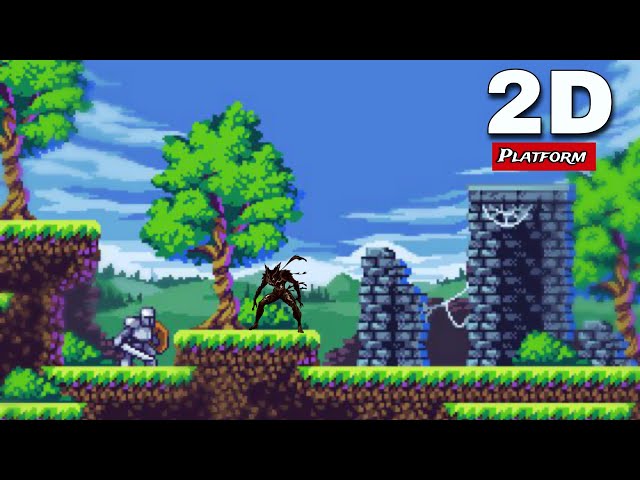
1. Mastering Movement and Combat Fundamentals in Side Scrolling Action Platformers
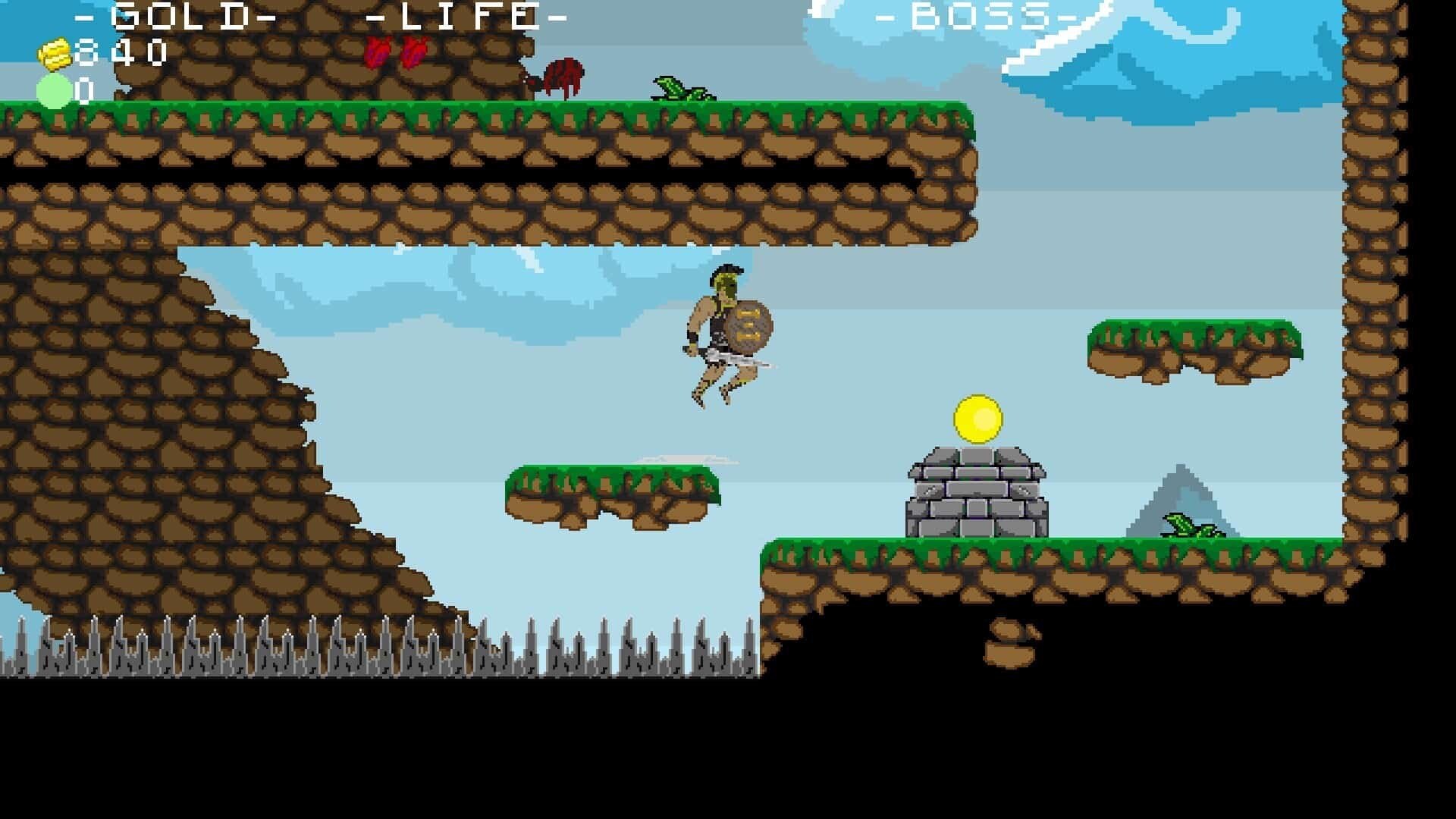
1.1 Deciphering Character Physics and Input Responsiveness
1.1.1 Mastering Jump Arcs and Air Strafing Controls
The foundation of any great experience in side scrolling action platformers lies in your ability to manipulate jump arcs. Unlike platformers that prioritize simple navigation, action-heavy titles often give you control over your trajectory mid-air. To master this, you must learn to “finesse” the jump button—tapping for a short hop to avoid low-hanging obstacles or holding for a full-height vault. Air strafing is equally vital; subtle directional inputs during a leap allow you to correct your landing zone, which is essential when dodging projectiles or navigating narrow platforms.
1.1.2 Understanding Friction and Acceleration Mechanics
Every character has a hidden “weight” or momentum profile. High-speed titles often feature low friction, meaning your character slides before coming to a complete stop. You need to internalize the acceleration curve of your avatar to avoid overshooting ledges or missing jumps. Instead of pushing the stick to its limit constantly, learn to tap-dance your inputs to maintain precise, controlled movement. This level of physical awareness is what separates casual players from those who can execute flawless, high-speed runs through complex levels.
1.1.3 Utilizing Dash Invincibility Frames for Evasion
Mastering the dash or dodge roll is your primary defensive tool. Most modern titles provide a window of invincibility frames (i-frames) during the start of a dash animation. You should not treat a dash merely as a speed boost; view it as a weapon to phase through incoming attacks. Timing your dash to overlap with an enemy’s strike hitbox requires practice, but it enables you to stay in the fray, maintaining your offensive pressure without needing to retreat to safety.
1.2 Developing Combat Rhythm and Situational Awareness
1.2.1 Optimizing Positioning through Screen Edge Control
Good positioning is about manipulating the camera. By keeping your character toward the center-left of the screen, you maximize your vision of incoming threats from the right side. This tactic is especially useful in parkour movement games where hazards appear rapidly. By “leading” the screen, you give yourself the extra milliseconds needed to react to enemy spawns or collapsing environmental traps.
1.2.2 Balancing Aggression with Defensive Resource Management
In intense combat, the temptation is to spam attacks. However, successful play requires managing your stamina or cooldowns. If you exhaust your resources, you become a sitting duck. Adopt a “hit-and-run” philosophy where you cycle between short offensive bursts and defensive repositioning. This rhythm ensures that you always have an escape route or a defensive skill ready when the enemy counter-attacks.
1.2.3 Strategic Use of Environmental Hazards and Verticality
Your greatest ally is the stage itself. Whether it’s luring enemies into spikes or using wall-jumps to strike from above, verticality changes the tide of battle. In many ninja fighting games, high ground is a tactical necessity. By staying mobile and switching between ground and aerial combat, you keep AI enemies guessing and minimize the chances of being surrounded.
1.3 Hardware Optimization for Precision Gameplay
1.3.1 Evaluating D-Pad Versus Analog Stick Performance
Precision is the hallmark of the genre. While analog sticks offer smooth movement, they can lead to accidental inputs in games requiring 8-way directional accuracy. For titles demanding fast-paced reflex action, a high-quality D-pad is often superior, as it provides a tactile “click” that confirms exactly which direction you have pressed, reducing the likelihood of a fatal misstep.
1.3.2 Minimizing Input Lag for Frame-Perfect Execution
Input lag is the silent killer of platforming progress. Ensure your display is set to “Game Mode” to bypass image processing that adds delay. Even a few milliseconds of lag can ruin your timing on parries or precision jumps. If you are playing on a console, ensure your controller is wired or connected via a high-speed wireless protocol to minimize latency.
1.3.3 The Impact of Refresh Rates and Frametime Stability
High refresh rates (120Hz or higher) make the world feel more responsive. However, frame stability is more important than raw speed. A game that runs at a locked 60 frames per second with consistent frametimes will always feel better than one that fluctuates wildly. Stuttering visuals break the flow of combat, making it impossible to predict enemy animations or time your movements accurately. If your hardware struggles, prioritize a stable, lower framerate over an unstable, higher one.
2. Advanced Strategies and Mental Conditioning for High-Difficulty Titles
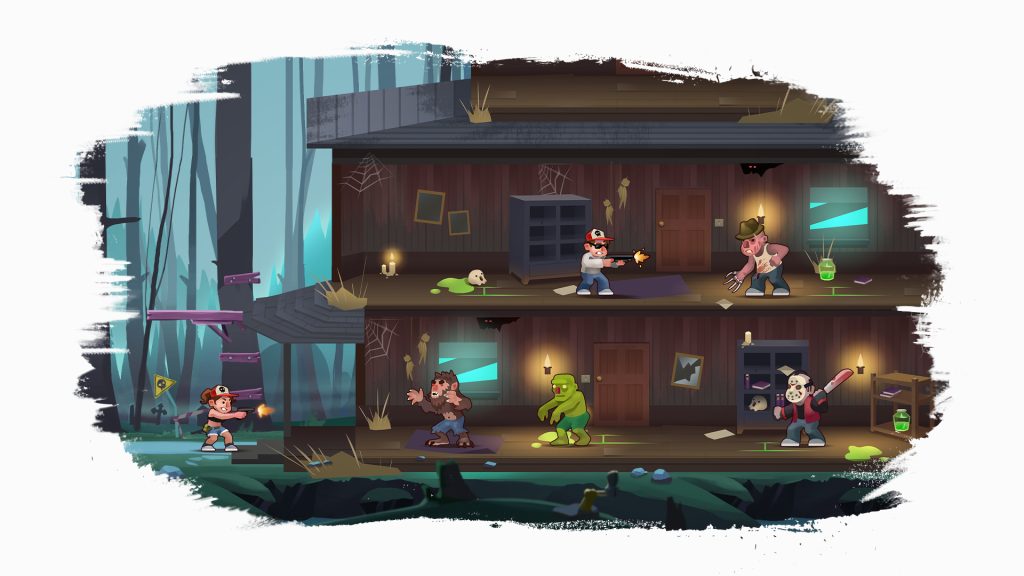
2.1 Elite Technical Skills for Competitive Play
2.1.1 Utilizing Animation Canceling to Maximize DPS
Advanced players often view combat animations not as fixed sequences, but as flexible resources. Animation canceling allows you to bypass the recovery frames of an attack by initiating a different action, such as a jump, dash, or secondary ability. By trimming these frames, you effectively increase your damage-per-second (DPS) and maintain mobility, which is vital in best platform action games. Master the rhythm of your character’s weapon swings; if you can initiate a dash exactly as the hit-confirm registers, you stay fluid and elusive.
2.1.2 Exploiting Sub-Pixel Movement and Sequence Breaking
Precision is the hallmark of top-tier platforming. Sub-pixel movement refers to making adjustments within the smallest possible unit of game coordinate space. In many titles, mastering these tiny, frame-perfect increments determines whether you clear a jump or collide with a trap. Furthermore, elite players often look for sequence breaks—unintended paths that bypass standard progression—by utilizing specific movement abilities in ways the developers might not have anticipated.
2.1.3 Pattern Recognition and Enemy Telegraph Analysis
Combat in high-difficulty side scrollers is rarely about blind reflexes. It is about understanding the language of your enemies. Every boss encounter relies on telegraphs—subtle animations, flashes, or audio cues that precede an attack. By cataloging these patterns, you can transition from reacting to attacks to proactively positioning yourself to punish the enemy’s opening.
2.2 The Psychology of Overcoming Challenging Gauntlets
2.2.1 Adopting the Iterative Failure Learning Loop
The most effective way to improve is to view failure as a data-gathering exercise. Rather than internalizing a death as a lack of skill, analyze why it happened. Was it a late input, bad positioning, or an unfamiliar pattern? By adopting an iterative loop, you isolate the specific variable that caused the failure, allowing you to refine your approach on the next attempt.
2.2.2 Breaking Complex Segments into Manageable Chunks
When facing a long, brutal platforming sequence, the sheer scale can be overwhelming. Break the challenge into smaller, modular sections. Master the first five seconds, then the next, and only then attempt to link them together. This “chunking” method reduces mental fatigue and builds the muscle memory necessary for consistency.
2.2.3 Techniques for Maintaining Focus During Boss Encounters
Adrenaline can lead to “button mashing,” which is fatal in games that demand frame-perfect input. To maintain focus during a high-stakes encounter, emphasize rhythmic breathing. Syncing your inputs with the boss’s attack cycle creates a flow state that keeps you calm and prevents the impulsive errors that often occur when health bars get low.
2.3 Evaluating and Improving Personal Performance
2.3.1 Recording and Reviewing Gameplay for Mechanical Errors
Reviewing your own footage is the fastest way to identify bad habits. Often, you might feel like your inputs were correct, but a video recording will show you were jumping a few frames too late or wasting stamina on unnecessary dashes. Comparing your movement to high-level speedrunners or professional players can highlight more efficient routes or defensive strategies you hadn’t considered.
2.3.2 Identifying Weak Points in Reflexes and Decision Making
Distinguish between mechanical limitations and decision-making errors. If you are dying to the same trap, you might have a reflex issue that requires dedicated practice in a safe zone. However, if you are dying because you consistently choose the wrong weapon or angle of attack, your issue is strategic. Adjust your decision-making first; mechanical skill is easier to build once the strategy is sound.
2.3.3 Customizing Control Schemes for Ergonomic Efficiency
Standard layouts are rarely optimized for the intense, fast-paced reflex action required at the highest level. Experiment with remapping your jump, dash, and attack buttons to triggers or bumpers. Moving inputs away from the face buttons allows you to keep your thumbs on the analog sticks at all times, drastically improving your ability to dodge and attack simultaneously.
Mastering side scrolling action platformers is a journey that balances technical mechanical skill with deep cognitive focus. By internalizing character physics, refining your combat rhythm, and utilizing advanced techniques like animation canceling, you transform from a casual player into a high-level competitor. Remember that every screen-clearing victory or challenging boss encounter is an opportunity to learn; viewing failure as an iterative part of the process is often the biggest hurdle to overcome. Whether you are navigating intricate parkour movement games or dissecting the patterns of complex enemy encounters, the key remains consistent practice and self-reflection.
As you continue to hone your precision, don’t forget that hardware choice and ergonomic setup play a vital role in your long-term consistency. Keep exploring new titles to broaden your experience, as each game offers unique challenges that build your overall dexterity and decision-making capabilities. If you are looking to further refine your reflexes for other high-intensity gaming experiences, be sure to explore our tips on mastering platform action games to keep sharpening your competitive edge. Stay patient, stay observant, and most importantly, enjoy the thrill of the climb as you master these demanding digital worlds.