
There is a unique, kinetic thrill found in the best platform action games that keeps players coming back for just one more run. These titles sit at the intersection of tight traversal mechanics and high-stakes combat, demanding both the steady hand of a master platformer and the split-second reflexes of a fighting game veteran. Whether you are navigating intricate, puzzle-like environments or engaging in aggressive, fast-paced combat, the genre rewards players who treat movement as their greatest weapon.
In this guide, we break down what separates the classics from the rest, focusing on the synergy between fluid mobility and decisive action. You will learn how to refine your control settings for maximum precision, master advanced techniques like animation canceling, and choose the right titles to test your limits. By understanding the core loops that define these games, you can elevate your playstyle from surviving to thriving in even the most punishing arenas. Whether you are a fan of browser games or high-fidelity console masterpieces, honing these fundamental skills is the key to unlocking true mastery.
1. Understanding the Mechanics of Top-Tier Platform Action Games

1.1 Defining the Core Loop of Platform Action Games
1.1.1 The Synergy Between Precision Platforming and Combat Execution
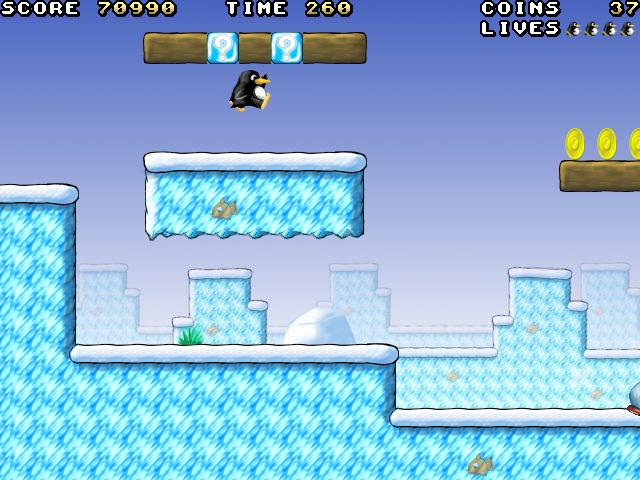
The essence of the best platform action games lies in the seamless integration of traversal and fighting. Unlike traditional brawlers that root the player to the ground, these titles demand that you treat the environment as an extension of your arsenal. Precision platforming isn’t just about reaching a ledge; it’s about positioning yourself to deliver a devastating aerial strike or finding a blind spot during a boss encounter. This synergy creates a fluid experience where movement is not an obstacle to combat, but the primary method for controlling the battlefield.
1.1.2 Why Modern Players Prioritize Responsiveness and Input Buffering
In high-stakes, fast-paced reflex action titles, every millisecond counts. Modern players gravitate toward games that offer frame-perfect responsiveness because delay in input processing can be the difference between a clean combo and a forced respawn. Input buffering—the system that allows the game to “remember” your next move while your character is busy with a current animation—has become a cornerstone of the genre. It provides a sense of agency, ensuring that your intent translates to on-screen action without the frustration of feeling disconnected from your character’s capabilities.
1.2 Fundamental Mechanics that Define Combat Excellence
1.2.1 Mastering Momentum: Integrating Movement as an Offensive Tool
Top-tier combat action games often treat physics as a weapon. By mastering momentum, you can turn a simple dash or jump into a high-damage impact tool. When you carry speed through a transition, you can bypass enemy defenses or close the gap on aggressive mobs before they can react. Learning to maintain this flow requires a deep understanding of weight and velocity, transforming your traversal into a kinetic offensive strategy.
1.2.2 The Role of Hit-Stop and Visual Feedback in Satisfying Combat
The “feel” of a game often relies on subtle design choices like hit-stop, where the game engine pauses for a fraction of a second upon a successful strike. This momentary freeze adds significant weight to attacks, making every hit feel earned and impactful. Coupled with clear visual cues like screen shake or particle effects, this feedback loop is crucial for satisfying combat, allowing you to intuitively understand which of your moves are landing effectively.
1.2.3 Animation Priority: Balancing Vulnerability and Powerful Attacks
While it’s tempting to spam your strongest abilities, great platformers balance power with animation priority. This mechanic forces you to commit to an attack; once you press the button, you are locked into that movement until it completes. This design choice elevates the skill ceiling, as you must learn to read enemy telegraphs and commit to strikes only when you are safe, effectively blending strategy with reflex.
1.3 Essential Controller Settings for High-Performance Gameplay
1.3.1 Optimizing Button Mapping for Seamless Aerial Maneuvers
To perform at your best in 2D side scrolling action platformers, standard control schemes often fall short. Many seasoned players remap jump and attack to shoulder buttons or triggers. This specific configuration allows you to keep your thumbs on the movement sticks or directional pads at all times, ensuring you can execute complex aerial maneuvers, such as mid-air dashes or attacks, without losing control of your character’s trajectory.
1.3.2 Adjusting Dead-Zones and Sensitivity for Precision Reflexes
Fine-tuning your controller settings is often an overlooked aspect of mastering parkour movement games. Reducing the dead-zone on your analog sticks minimizes the time it takes for the game to register your movement input, leading to snappier, more immediate character responses. Lowering sensitivity can also help if you find yourself overshooting precision jumps, helping you land on narrow platforms with pinpoint accuracy. These small technical adjustments are fundamental to gaining a competitive edge in demanding titles, much like how one might optimize physical health routines—like learning about glaucoma prevention—to ensure longevity in your gaming hobby.
2. Choosing and Mastering the Best Platform Action Games
2.1 Evaluating the Top Contenders in the Genre
2.1.1 Roguelite Standards: Fast-Paced Combat and Procedural Progression
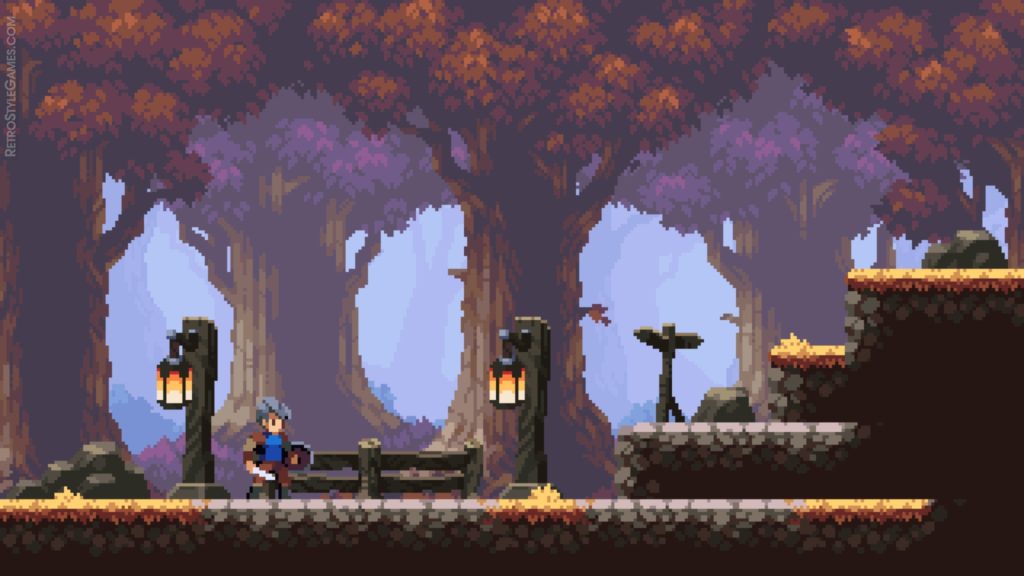
Roguelites have redefined how we approach platform action games by blending high-stakes combat with unpredictable level layouts. In titles like Dead Cells or Hades, the procedural nature of the world forces you to adapt your playstyle on the fly. Because you cannot memorize every enemy placement or trap, your survival hinges on mastering core movement mechanics—like dashing and wall-climbing—rather than just muscle memory. The best entries in this sub-genre reward players who treat every room as a dynamic puzzle, where quick thinking is just as important as fast-paced reflex action.
2.1.2 Metroidvania Integration: Balancing Exploration with Combat Mastery
Metroidvanias offer a more structured approach to platforming, often locking progression behind new movement abilities. These games excel at teaching you combat mastery through a steady difficulty curve. You might start by learning simple sword strikes, but by the endgame, you are weaving complex spells and traversal abilities together to dominate bosses. This constant expansion of your toolkit makes mastering the game a deeply rewarding experience, as you eventually feel empowered enough to traverse the map with fluid, lethal grace.
2.1.3 The Impact of Perspective: How 2D and 2.5D Environments Alter Movement Complexity
Whether a game uses flat 2D sprites or 2.5D depth, the perspective fundamentally shifts how you gauge distance and hitboxes. Pure 2D side scrolling action platformers demand extreme precision because the “z-axis” is non-existent, leaving no room for error during jumps. In contrast, 2.5D titles often introduce depth, which can make some combat action games feel more immersive but occasionally mess with your perception of platforms. Understanding the specific visual cues of your chosen game is essential to sharpening your movement accuracy.
2.2 Advanced Strategies to Elevate Your Skill Level
2.2.1 Implementing Animation Canceling and Frame-Perfect Dodging
At the highest level of play, you stop viewing animations as static sequences and start seeing them as data. Animation canceling allows you to cut short the recovery frames of an attack by immediately triggering a dodge or a secondary input. This keeps you mobile and unpredictable. Similarly, mastering frame-perfect dodging is the cornerstone of surviving high-level encounters. By identifying the exact window where your character gains invincibility frames (i-frames), you can pass through dangerous projectiles unharmed, turning a defensive maneuver into an offensive opening.
2.2.2 Synchronizing Rhythmic Inputs for Fluid Aerial Combat Loops
Many modern platformers rely on a “combat loop” that rewards rhythmic, consistent inputs. If you can sync your attacks to the animation beats—such as timing a jump strike immediately after a dash—you maintain your momentum without sacrificing damage. This creates a state of flow that is crucial for parkour movement games where stopping means death. Practicing these rhythms in a safe zone of the map can help you internalize the timing until it becomes second nature during intense boss fights.
2.2.3 Practice Strategies for Isolating Difficult Mechanical Challenges
If you find yourself repeatedly failing a specific section, don’t just brute force it. Break the challenge down into “micro-goals.” If a jump is too hard, practice the jump alone until you can hit it ten times in a row without falling. Once the movement is automatic, add the combat element back in. If you are struggling with boss patterns, you can check out resources on mastering mechanics in browser-based games to build your general reflexes before tackling complex titles.
2.3 Navigating the Future of Action-Platformer Hybrids
2.3.1 Emerging Trends in Indie Development and Combat Gimmicks
Indie developers are currently pushing the boundaries by introducing unique “gimmicks,” such as time manipulation, gravity shifting, or momentum-based combat systems. These mechanics force veterans of the genre to unlearn old habits. Rather than just jumping and attacking, modern hybrids might require you to launch enemies into projectiles you placed earlier, turning the environment itself into a weapon.
2.3.2 Why High-APM Masterpieces are Becoming the Industry Benchmark
High-APM (Actions Per Minute) titles are rising in popularity because they satisfy the modern desire for high-intensity, skill-expressive gameplay. As players get better at reading UI cues and managing inputs, the ceiling for what is considered a “masterpiece” continues to climb. These games don’t just ask you to beat the level; they ask you to perform with perfect efficiency, cementing high-APM gameplay as the gold standard for the modern genre.
Mastering the best platform action games is a journey that transforms how you perceive digital space and mechanical timing. By moving beyond basic traversal, you unlock the rhythmic, high-stakes flow that defines the genre, whether you are perfecting your animation canceling in a high-speed roguelite or navigating complex corridors in a challenging Metroidvania. The synergy between your controller inputs and the on-screen action is where true mastery begins; as you refine your sensitivity and internalize the game’s animation priority, you move from simply playing to performing.
As you continue to sharpen your skills, remember that even the most difficult side scrolling action platformers become approachable through intentional, isolated practice. Whether you are aiming to push your limits in fast-paced reflex action titles or simply want to appreciate the intricate design behind modern combat-heavy experiences, the key remains consistency and focus. For those looking to sharpen their focus off-screen, maintaining good habits is essential, as healthy vision and alertness can play a significant role in your long-term performance and eye health. Dive into your next title with confidence, apply these mechanical strategies, and enjoy the satisfaction that comes with conquering every jump and strike.


Pingback: Best Mystery Adventure Games: A Guide to Top Puzzles - GameTurn
Pingback: Mastering High Score Arcade Games: Top Tips and Tactics - GameTurn
Pingback: Best Anime Fighting Games: Master Combos and Roster Tips - GameTurn
Pingback: Best Parkour Movement Games: Fast-Paced Action & Flow - GameTurn
Pingback: Best Retro Pixel Arcade Games: Master the Classics - GameTurn
Pingback: Best Boss Fight Arena Games: Mastering Skill-Based Combat - GameTurn
Pingback: Mastering Side Scrolling Action Platformers: Tips & Tactics - GameTurn
Pingback: Mastering Hack and Slash Combat Arenas: Pro Tips & Tactics - GameTurn
Pingback: Platformer Adventure Hybrids: Top Open World & Survival Hits - GameTurn