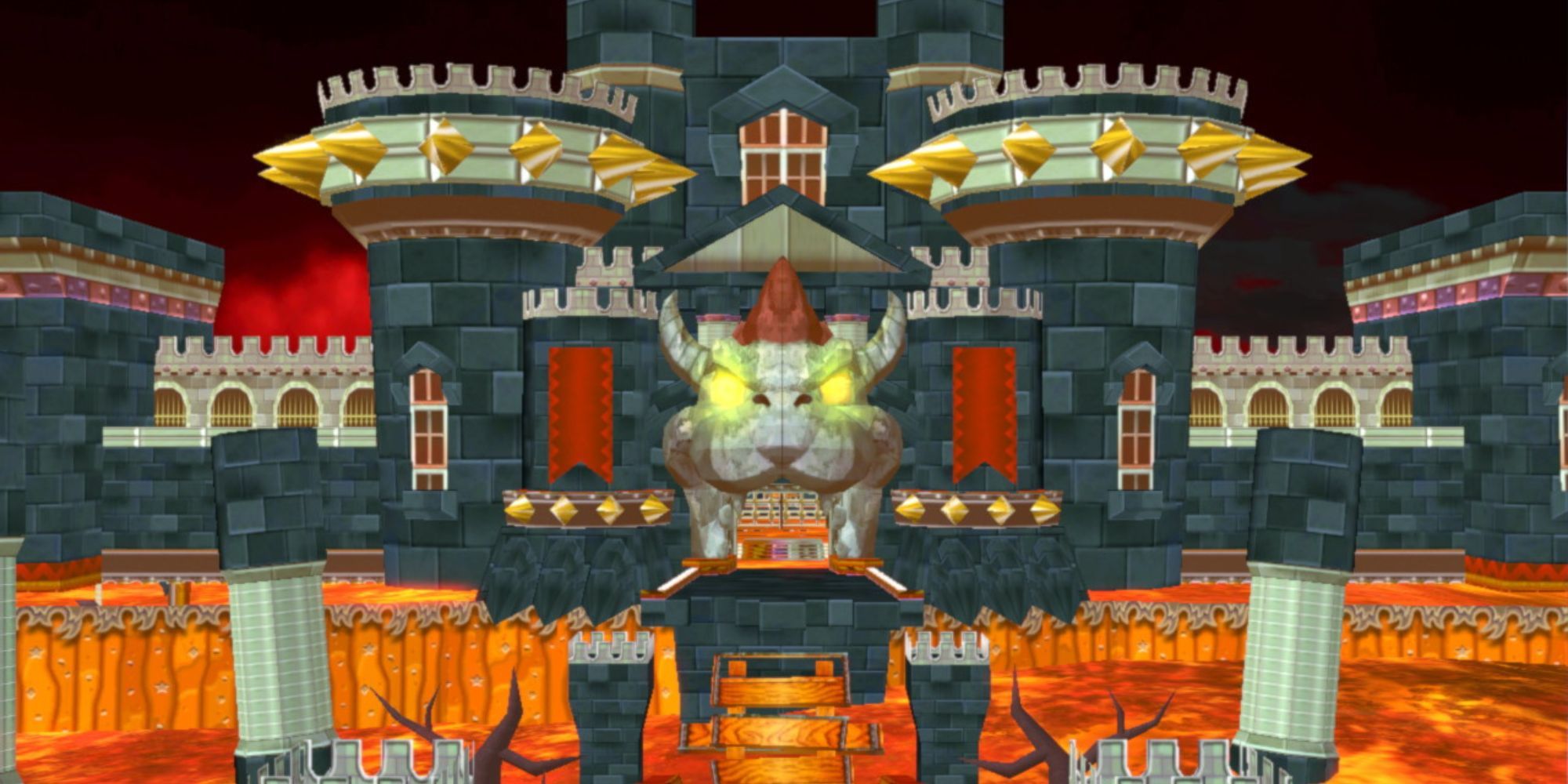
There is a unique, adrenaline-fueled satisfaction that comes from stepping into an arena, locking eyes with a hulking boss, and knowing that your success depends entirely on your reflexes and tactical decision-making. Boss fight arena games have carved out a significant niche for themselves by stripping away the filler of expansive open worlds and focusing entirely on the purity of high-stakes combat. Whether you are dancing through complex bullet patterns or perfectly timing a parry against a relentless knight, these titles are designed to push your boundaries. In this guide, we will explore the nuances of these combat-focused experiences, helping you master the delicate balance between aggression and survival. From understanding frame data to optimizing your loadouts, you will learn the essential techniques required to achieve skill based combat mastery and consistently emerge victorious against even the most formidable AI adversaries.
1. The Definitive Guide to Boss Fight Arena Games and Combat Systems
1.1 Understanding the Appeal of Boss Rush and Arena Combat
At the heart of the most compelling gaming experiences is the pure, unfiltered intensity of one-on-one or one-versus-many combat. Boss fight arena games strip away the filler of expansive map exploration to focus entirely on the core loop of mechanical mastery. Players who gravitate toward this genre are usually seeking a high-stakes environment where victory is earned through sweat, repetition, and the eventual synchronization between player input and enemy response.
1.1.1 The Core Loop of Pattern Recognition and Execution
The fundamental rhythm of these games relies on the player’s ability to interpret visual and audio cues. As a boss cycles through its move set, you are effectively decoding a language of strikes, lunges, and area-of-effect attacks. Success comes not from mindless button-mashing, but from learning when to commit to an assault and when to retreat into a defensive stance.
1.1.2 Psychological Rewards of Overcoming High-Difficulty Encounters
There is a specific, dopamine-heavy satisfaction found in defeating a foe that has bested you dozens of times. This psychological “flow state” is the primary driver of skill based combat mastery. When a boss goes from an impossible obstacle to a scripted sequence you can navigate with muscle memory, it validates the time and effort you invested into your personal combat training.
1.1.3 Why Modern Players Prefer Focused Arenas Over Open-World Bloat
Modern gaming is often saturated with open-world bloat, long traversal times, and repetitive side tasks. In contrast, arena-based titles respect the player’s time by providing immediate action. For those who enjoy testing their reflexes, mastering combat and movement in a contained space is far more rewarding than padding stats in a sprawling, empty environment.
1.2 Categorizing the Best Boss Fight Arena Games
1.2.1 High-Octane Spectacle Fighters for Combo Enthusiasts
These titles emphasize style, flow, and complex input strings. Here, the arena is a stage, and the boss is a rhythmic partner. You aren’t just trying to survive; you are trying to dismantle the enemy with efficiency and flair. The challenge lies in maintaining combo momentum while dodging lethal counters.
1.2.2 Tactical Technical Duelists Focused on Stamina and Precision
In this category, every swing matters. These games, often found within the sub-genre of soulslikes, require intense focus on stamina management. You cannot simply overpower a boss with raw damage; you must play with extreme precision, punishing micro-windows of vulnerability with calculated strikes.
1.2.3 Procedural Roguelite Arenas for Infinite Replayability
By randomizing enemy encounters and arena hazards, roguelite formats keep players on their toes. Since you cannot rely solely on memorizing a single static fight, these games demand quick adaptation and intelligent fighting roster management to survive against unpredictable AI combinations.
1.2.4 Classic Arcade-Inspired Boss Rush Titles
Drawing from the roots of gaming history, these titles strip the experience down to the bare essentials: a health bar, a boss, and your reaction time. Often structured as a series of back-to-back challenges, these games are the purest form of boss fight combat training available for those who want to hone their reflexes without narrative interruption.
2. Advanced Strategies for Mastering Skill-Based Arena Combat
Achieving true skill based combat mastery requires a transition from reactive button-mashing to proactive, calculated decision-making. When facing high-difficulty bosses, the difference between success and failure often comes down to your ability to interpret game logic under pressure.
2.1 Decoding Enemy AI and Mechanical Telegraphs
To dominate in boss fight arena games, you must learn to read the boss as if you were reading a script. Every powerful attack is preceded by a specific animation cue, often referred to as a telegraph.
2.1.1 Mastering Frame Data for Parry and Dodge Windows
Understanding the startup, active, and recovery frames of your own character is only half the battle. You must identify the “active frames” of a boss’s attack—the window where they can actually damage you. Practice observing the boss’s wind-up animation; once you internalize the timing, you can execute frame-perfect dodges or parries rather than relying on panic-induced defensive maneuvers.
2.1.2 Identifying Hidden Cues in Boss Animation Transitions
High-tier bosses often change their behavior based on their health percentage or the arena environment. Look for subtle audio-visual cues, such as a change in stance, a glow around the enemy’s weapon, or an altered sound effect. These transitions signal a shift in the AI routine, warning you that the previous safe patterns are no longer viable.
2.1.3 Managing Resource Economy During High-Intensity Phases
Whether it is stamina, mana, or a special ability gauge, managing your resources is critical. Avoid emptying your meter entirely during an offensive flurry; always leave enough in reserve to perform a defensive escape. By timing your damage windows to coincide with the boss’s vulnerability phases, you maximize efficiency while maintaining a safety net for unexpected counters.
2.1.4 Strategies for Adapting to Evolving Boss AI Patterns
Modern arena combat often features adaptive AI that counters aggressive playstyles. If you find yourself repeatedly trapped, switch your rhythm. Introduce feints or utilize different movement vectors to force the AI to reset its targeting. Learning how to control the pace of the fight—rather than just reacting to it—is the hallmark of a veteran player.
2.2 Developing a Professional Training Regimen
Improving at high-difficulty games requires a structured approach to boss fight combat training. Treat your sessions like a sport, focusing on incremental gains rather than blind repetition.
2.2.1 Gameplay Analysis Techniques for Error Correction
Record your attempts and watch your failures with a critical eye. Are you being hit because of a lack of timing, or are you consistently putting yourself in a poor position? Identifying recurring errors allows you to isolate and fix specific mechanical flaws.
2.2.2 Navigating Mental Fatigue and Pressure in Final HP Stages
The “final phase” of a boss fight often induces tunnel vision. Combat this by focusing on your breathing and maintaining physical distance from your controller or mouse. If you notice your execution slipping, it is time to take a short break; playing while frustrated leads to compounding mistakes.
2.2.3 Optimizing Loadouts and Gear for Specific Arena Challenges
Effective fighting roster management is essential for long-term success. Don’t force a single playstyle on every encounter. If a boss is highly mobile, prioritize gear that boosts movement speed; if they deal massive chip damage, opt for high-mitigation equipment. Adjusting your build is a tactical move that frequently bridges the gap between a frustrating stalemate and a flawless victory.
2.2.4 Utilizing Accessibility Settings to Bridge the Skill Gap
If you find certain mechanics punishingly unfair, explore the game’s built-in accessibility features. Many titles now allow you to adjust game speed, input timing, or damage scaling. Using these tools to practice difficult sequences can help you build the muscle memory needed to tackle the standard difficulty settings later. For players who enjoy dissecting complex systems, applying these analytical skills to coding logic puzzles can actually improve your cognitive speed during intense gaming sessions.
Mastering boss fight arena games is a journey that transforms you from a casual player into a disciplined combatant. By focusing on pattern recognition, frame data, and effective fighting roster management, you elevate your gameplay beyond mere button-mashing. Whether you are tackling technical duelists or engaging in high-octane spectacle battles, the core of success remains the same: steady practice and a willingness to learn from every defeat. These arenas are designed to test your limits, and through consistent boss fight combat training, you will find that even the most daunting encounters become manageable victories.
Remember that every loss is simply a data point. Use your failures to analyze boss telegraphs and refine your loadouts, turning frustration into a calculated advantage. For those looking to sharpen their broader reflexes and timing before heading back into the arena, exploring other genres like mastering rhythm arcade challenges can be a surprisingly effective way to improve your reaction speed and syncopation. Keep pushing your boundaries, stay patient with your progress, and enjoy the rush that comes with truly mastering high-stakes, skill-based combat. Your next personal best is only one perfectly timed dodge away.