In an era where gaming often emphasizes high-octane combat and frantic reflexes, there is something deeply rewarding about slowing down to soak in a digital world. Atmospheric walking simulators have carved out a unique niche in the industry, offering players a space to breathe, reflect, and uncover stories at their own pace. Rather than relying on traditional win-loss mechanics, these experiences prioritize mood, sensory immersion, and environmental discovery. Whether you are wandering through desolate ruins or lush, exploration focused island games, these titles act as interactive canvases where the journey is the reward.
In this guide, we will explore the defining characteristics of this meditative genre, from the subtle power of sound design to the architecture of environmental storytelling. We will also help you navigate the landscape of narrative driven mystery games and philosophical adventures, ensuring you find the perfect title to match your current mood. Whether you are looking for a brief moment of zen or a profound, interactive fiction story that lingers in your mind long after the credits roll, we have you covered.
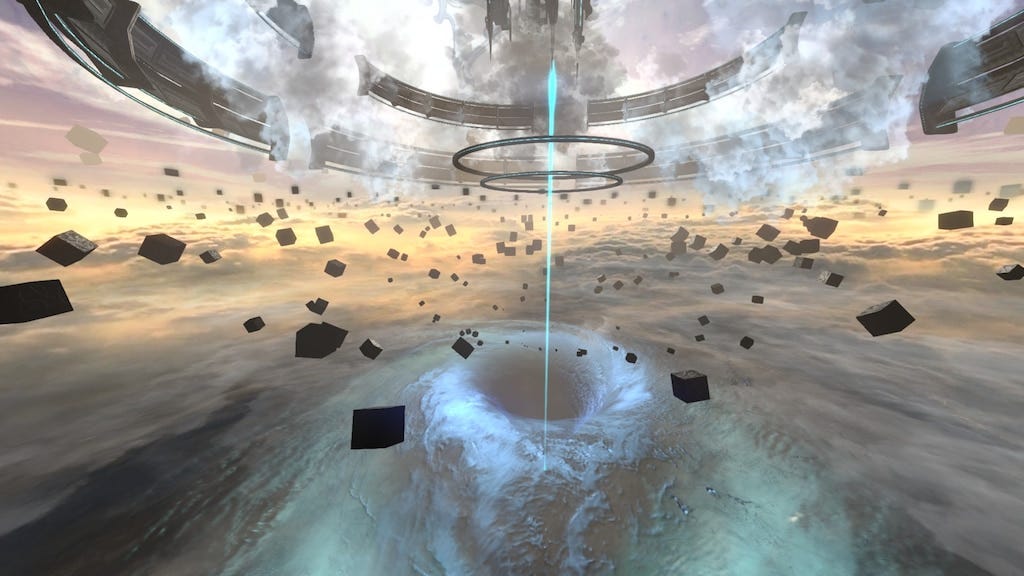
1. Mastering the Experience: What Defines Top-Tier Atmospheric Walking Simulators
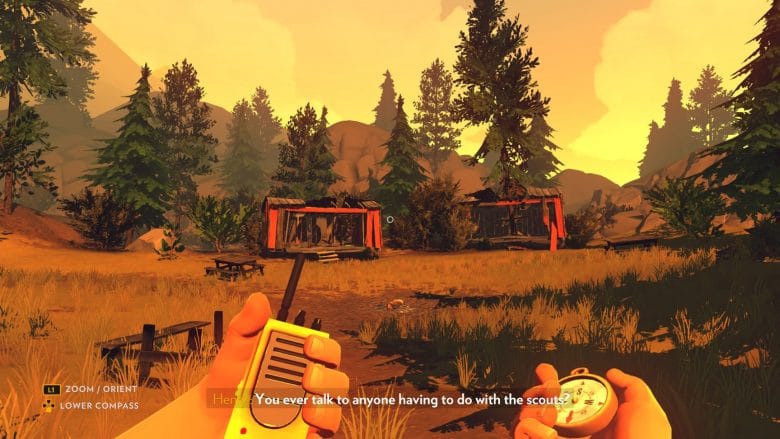
To appreciate the best atmospheric walking simulators, one must first shift their perspective from traditional gameplay goals—like high scores or combat reflexes—to the art of presence. These games prioritize the feeling of “being there,” replacing adrenaline with curiosity and mechanical mastery with emotional resonance. At their core, these titles are about the intentional act of exploration, where the environment serves as both the map and the storyteller.
1.1 The Core Mechanics of Immersion
1.1.1 The Role of Soundscapes and Ambient Audio
In the absence of complex combat systems, audio becomes the primary driver of immersion. Top-tier titles use layered soundscapes—the rustle of wind through dry grass, the distant hum of machinery, or the shifting acoustics of a cavern—to build a sense of place. This auditory design is not merely background noise; it is a narrative tool that cues the player to investigate specific corners of the world.
1.1.2 Environmental Storytelling Techniques
These games rely heavily on showing rather than telling. Players often uncover narrative driven mystery games through visual breadcrumbs: a discarded diary, a half-empty cup on a desk, or an architectural layout that suggests a sudden departure. By placing the player in an exploration focused island games environment, developers allow the world to speak for itself, turning every room into a silent witness to past events.
1.1.3 Pacing and the Philosophy of Slow Gaming
The pacing in these experiences is deliberate and unhurried. This “slow gaming” philosophy asks players to abandon the urge to rush toward an objective marker. By rewarding quiet observation, the genre invites a meditative state, forcing you to slow your movement speed to match the rhythm of the game’s internal heartbeat.
1.2 Categorizing the Atmospheric Walking Simulators Genre
1.2.1 Narrative-Heavy Emotional Journeys
These titles focus on character development and internal monologues. Often crossing into interactive fiction stories, they use the act of movement to pace the delivery of spoken or written dialogue, ensuring the player digests the weight of the story at their own speed.
1.2.2 Surreal and Abstract Visual Explorations
Some games eschew traditional realism for dreamlike or impossible spaces. These experiences emphasize visual metaphor, using shifting geometry and color palettes to represent abstract concepts or psychological states.
1.2.3 Philosophical and Sci-Fi Dilemma Games
These titles use the environment to pose profound questions. Through open sandbox exploration of sci-fi landscapes, players often encounter remnants of lost civilizations or automated systems that force them to contemplate the ethics of technology and human existence.
1.2.4 Low-Stress and Cozy Environmental Experiences
The antithesis of high-stakes gaming, these titles focus on comfort. Whether it is a virtual nature walk or a quiet, curated home space, these games prioritize relaxation, often acting as a digital refuge from daily stress.
1.3 Setting the Stage for Maximum Engagement
1.3.1 Hardware Recommendations for Sensory Impact
Because these games rely on atmosphere, your hardware matters. A pair of high-fidelity, noise-canceling headphones is arguably more important than a top-tier graphics card. Hearing the subtle, directional audio cues often makes or breaks the immersion, allowing you to get lost in the sound design of the best text based adventure games and atmospheric explorers.
1.3.2 Optimizing Your Environment for Deep Focus
To fully experience a walking simulator, treat it like a film or a novel. Dim your lights, remove notifications, and settle into a comfortable position. Because there are no rapid-fire combat encounters to demand your attention, creating a quiet physical space helps your brain sync with the game’s slower, more intentional pace.
2. Navigating and Selecting Your Next Atmospheric Walking Simulators Adventure

2.1 Matching Games to Your Personal State of Mind
Choosing the right title is about aligning your current energy levels with the game’s intent. If you have an hour to spare, look for focused, short-form experiences that deliver a punchy, singular emotional impact. Conversely, if you want to lose yourself over a rainy weekend, seek out expansive, multi-hour epics that reward patience and slow discovery.
Consider the balance between challenge and relaxation. Some atmospheric walking simulators function as digital meditations, removing failure states entirely to prioritize your comfort. Others, such as narrative driven mystery games, introduce light mechanical friction through spatial puzzles, ensuring your mind remains engaged while you soak in the scenery.
The transition from traditional gameplay to these titles can feel jarring for genre newcomers. You are moving from a state of performance-based stress to a state of observation-based synthesis. If you are coming from high-intensity gaming, allow yourself a buffer period to adjust your expectations, shifting your focus from winning to witnessing.
2.2 Strategies for Deeper Narrative Discovery
To truly get the most out of these titles, you must shift your perspective from that of a player to that of a detective. Environmental reading is an essential skill here; the story is rarely handed to you through dialogue. Instead, it is found in the way a room is staged, the scattered letters on a desk, or the deliberate placement of a photograph. Take the time to inspect objects from all angles, as these physical artifacts serve as the primary conduits for history and character motivation.
Navigation itself should be intentional rather than utilitarian. Resist the urge to rush toward your next objective icon. Instead, move through these digital spaces with a sense of purpose, letting your curiosity guide your path. When you treat the world as a tactile, living environment, you unlock layers of storytelling that speed-runners often miss entirely.
If you find yourself struggling with the stigma that these games are just movies, remember that your presence completes the experience. Your decision to slow down, to look closer, and to linger in a hallway is a form of agency that traditional cinema simply cannot offer.
2.3 Addressing Common Questions About the Genre
A common inquiry is whether these experiences are suitable for non-gamers. The answer is a resounding yes. Because most atmospheric walking simulators strip away complex control schemes, they are arguably the most accessible gateway for those intimidated by modern controller layouts. They emphasize human-centric stories over reflexes.
Regarding replay value, many assume that a narrative-focused game is a one-and-done experience. However, interactive fiction stories hidden within the environment often change in meaning upon a second playthrough. Once you know the final outcome, you can view the early clues with fresh eyes, discovering nuances you ignored the first time.
Finally, do not underestimate the role of hardware. While you do not need a high-end graphics card to run these games, your hardware capability directly dictates your ability to be “transported.” Smooth framerates and high-fidelity audio are critical; stuttering visuals or muffled soundscapes can break the delicate spell of immersion that makes these games so effective. Invest in a good pair of headphones to truly appreciate the ambient soundscapes that define the genre.
Ultimately, the beauty of atmospheric walking simulators lies in their ability to strip away the pressure of high-stakes combat and leaderboard competition, replacing them with profound, quiet discovery. Whether you are uncovering the secrets of a desolate landscape or losing yourself in the intricate details of an emotional, narrative-driven mystery, these games offer a unique opportunity to slow down and truly observe the digital worlds built for you. By curating your environment and matching your choice of title to your current mood, you can transform a simple gaming session into a meditative, transformative experience.
The genre proves that interaction doesn’t always need to be about reflexes or tactical intensity to be deeply engaging. If you are looking for more ways to challenge your mind through immersive storytelling, you might also enjoy exploring our guide on best mystery adventure games, which shares similar DNA with your favorite atmospheric titles. As you continue to curate your library, remember that the most memorable journeys are often the ones where you simply take the time to walk, look, and listen.