There is a specific kind of adrenaline rush that comes from watching your carefully constructed defenses buckle under the weight of an encroaching horde. Whether you are a fan of fast-paced arcade shooters or deliberate, high-stakes tactical planning, zombie defense games offer a uniquely rewarding challenge that tests both your reflexes and your foresight. These titles transcend mere combat; they require you to master the delicate art of base management, resource allocation, and structural integrity in a post-apocalyptic landscape.
In this guide, we will explore the best zombie defense games currently available and break down the core mechanics that separate survivors from the fallen. You will learn how to optimize your base defense strategy, master the intricacies of pathing and choke points, and manage your economy to withstand the inevitable late-game onslaught. If you are looking to sharpen your skills beyond simple survival, understanding how to leverage your environment is key to thriving in these hostile worlds, much like how one might apply specialized knowledge to master other complex turn-based strategy challenges. Let us dive into the essential tactics you need to fortify your perimeter and outlast the living dead.
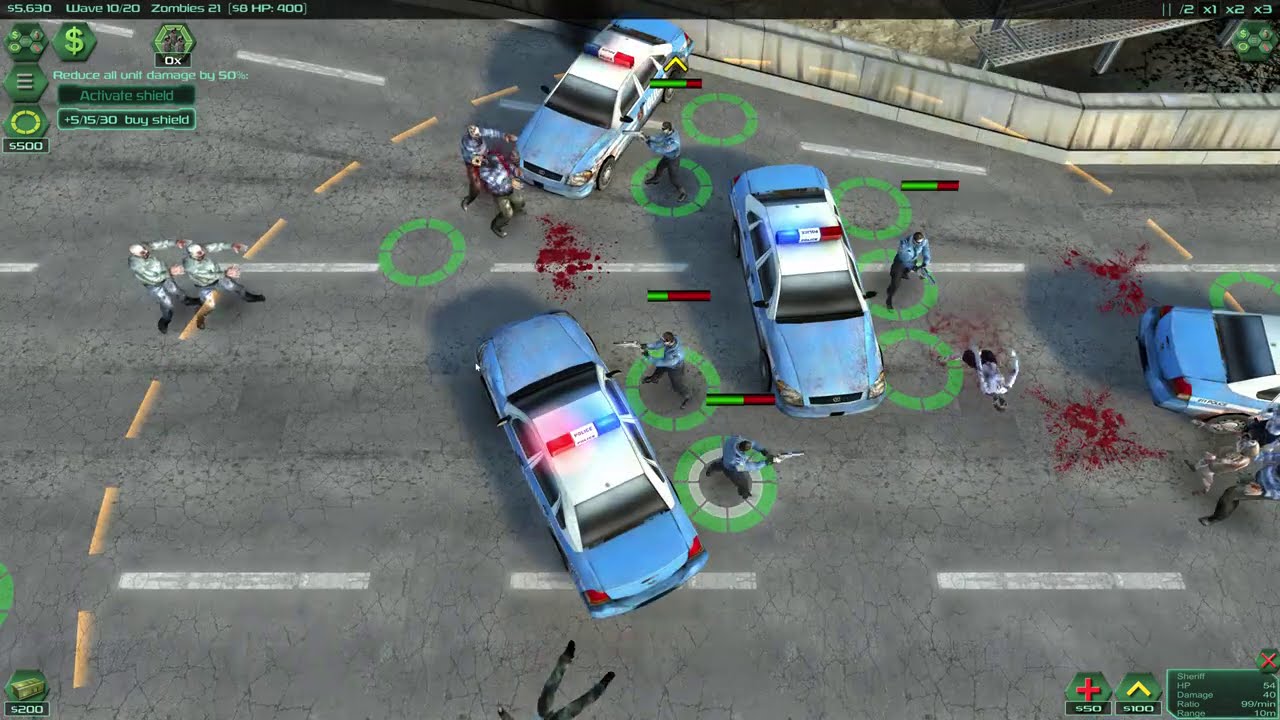
1. The Best Zombie Defense Games and Strategic Classifications
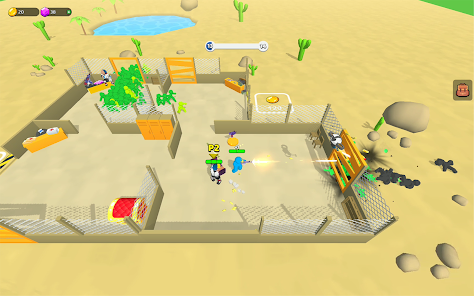
When diving into the world of zombie defense games, it becomes clear that not all undead encounters are created equal. These titles are broadly categorized by how they handle the tension between survival and architectural planning. Whether you prefer the high-pressure micromanagement of a colony sim or the deliberate, calculated movements of turn-based combat, understanding the mechanics of your chosen sub-genre is vital for survival. By mastering these classifications, you can better apply your tactical base protection methods to overcome increasingly difficult waves of infected enemies.
1.1 Real-Time Strategy and Macro-Management Titles
1.1.1 High-Scale Economy Management and Population Control
In strategy-heavy titles, the primary obstacle is often the scale of the threat. You are not just fighting zombies; you are managing a living, breathing economy. Success depends on balancing population growth against the infrastructure required to feed and arm your citizens. If your population grows too quickly, your resource consumption may outpace your generation, leaving you vulnerable during a surprise horde attack. Keeping your economy lean and resilient is the first step toward effective base defense strategy.
1.1.2 Balancing Perimeter Expansion Against Resource Scarcity
The core tension in these games involves deciding how far to push your boundaries. Expanding your perimeter grants access to richer resource nodes but stretches your defensive lines thin. Every new wall or turret requires constant maintenance and power, which in turn demands more fuel or electricity. Players must learn to calculate the exact moment to expand, ensuring they never leave a flank exposed while starving for the materials needed to construct critical defensive barriers.
1.2 Tactical Squad and Turn-Based Combat Specialists
1.2.1 Managing Line-of-Sight and Field Tactics
Turn-based games transform the chaos of a zombie infestation into a high-stakes puzzle. Because movement is limited, managing your team’s line-of-sight is paramount. You must carefully position units to cover one another, ensuring that no zombie can flank your formation. High-level play often involves identifying the exact grid squares that grant the best defensive bonuses or finding ways to force enemies into restricted corridors where your squad’s firepower is maximized.
1.2.2 Utilizing Environmental Hazards and Choke Points
Success in tactical environments often comes down to map mastery. Rather than relying on brute force, savvy players utilize environmental hazards like explosive barrels or narrow bridges to turn the tide. If you are interested in learning more about how to optimize your unit movements and combat efficiency, you may want to review our tips on turn-based strategy and tactical combat to sharpen your approach.
1.3 First-Person Survival and Sandbox Builders
1.3.1 Active Construction and Real-Time Repair Strategies
First-person titles bring you into the heart of the action, where the threat of a breached wall is visceral and immediate. Unlike top-down strategy games, you must physically navigate your base to repair structures under fire. This creates a gameplay loop focused on reactive maintenance. Carrying extra repair materials is not just a suggestion; it is a necessity for anyone looking to maintain a perimeter when the horde begins to overwhelm your primary defenses.
1.3.2 Scavenging Logistics for Defensive Materials
In sandbox builders, your survival is dictated by your ability to maintain a steady flow of raw materials. Defensive upgrades are useless if you cannot find enough metal or wood to keep them fueled. Effective players establish supply lines or automated collection systems as early as possible. By prioritizing logistics, you ensure that your base remains a fortress rather than a temporary shelter, allowing you to focus on surviving the late-game waves that require significant, permanent fortifications.
2. Advanced Tactical Principles for Zombie Defense Games

Mastering zombie defense games requires more than just reactive clicking; it demands a proactive approach to spatial planning and resource management. Whether you are playing a fast-paced survival builder or a methodical tower defense games title, the difference between a thriving colony and a total collapse often comes down to how you manipulate the game environment to your advantage.
2.1 Architectural Engineering and Perimeter Optimization
2.1.1 Designing Effective Kill Boxes and Funneling Systems
The most efficient way to survive an encroaching horde is to dictate their pathing. By creating a funnel—a path of least resistance lined with walls—you can force zombies into a specific “kill box.” This area should be saturated with your highest-damage weaponry and traps. By channeling enemies into a single corridor, you maximize the splash damage of your turrets and ensure that your limited ammo supplies are never wasted on inefficient targets.
2.1.2 Establishing Secondary Defensive Layers and Redundant Bunkers
Always assume your primary wall will fail. High-level tactical base protection relies on compartmentalization. If you build your base as a series of concentric rings rather than a single exterior barrier, you grant your units time to retreat and regroup. Place secondary bunkers deeper in the base to act as emergency fallback points, ensuring that a breach in the outer perimeter does not lead to the immediate loss of your core structures.
2.1.3 Geometry and Layout: Comparing Square Versus Circular Foundations
While square layouts are easier to build and expand, they often create “dead zones” at the corners where zombies can congregate out of your turrets’ direct line of sight. Circular or octagonal base designs naturally minimize these blind spots, forcing zombies to move along the perimeter where they are constantly exposed to fire. For those looking to refine their tactical approach, understanding these spatial layouts is just as vital as mastering turn-based strategy mechanics.
2.2 Managing Resource Economies and Aggro Mechanics
2.2.1 Balancing Tech Tree Upgrades Versus Structural Fortifications
A common trap is over-investing in walls early on. If your base defense strategy focuses entirely on concrete and steel, you will eventually find your technology lagging behind the scaling difficulty of the horde. Balance your economy by prioritizing tech-tree upgrades that offer efficiency bonuses, such as faster fire rates or cheaper repair costs, which provide better long-term value than simply stacking hit points on your walls.
2.2.2 Controlling Noise Pollution and Horde Pathing
Many modern zombie titles utilize dynamic aggro systems where sound acts as a beacon. Weapons like shotguns or explosive turrets generate significant noise, which can inadvertently draw hordes toward your weakest wall sections. Position high-output, noisy defenses near your strongest fortifications, and keep quiet, long-range sniper towers near your vulnerable flanks to maintain a controlled threat level.
2.2.3 Avoiding Over-Extension and Mid-Game Resource Starvation
Expanding your territory too quickly is a frequent cause of death. Every new turret or wall segment requires maintenance and manpower. If your expansion outpaces your resource production, you will inevitably suffer a mid-game collapse. Only expand when your current resource generation is stable enough to support both the initial construction and the ongoing upkeep of your perimeter.
Mastering zombie defense games is about far more than just quick reflexes; it requires a blend of long-term strategic planning, resource management, and precise tactical execution. Whether you prefer the high-level macro-management of real-time strategy titles or the granular control found in squad-based combat, the core principles remain the same. Success hinges on your ability to design efficient perimeter defenses, manage your economy during lulls, and adapt to the unpredictable pathing of the undead hordes. By focusing on smart architectural engineering and maintaining a balanced tech tree, you can turn even the most dire survival situation into an impregnable fortress.
As you refine your playstyle, remember that every game offers a unique set of challenges that reward experimentation. Don’t be afraid to test different layouts or analyze your failures to optimize your next run. If you enjoy diving deep into the mechanics of survival, you might also appreciate exploring our guide on the best survival adventure games for more open-world challenges. Ultimately, the thrill of these games comes from watching your carefully crafted base hold firm against the relentless tide. Now that you are armed with these tactical insights, it is time to head back into the game and secure your survival.