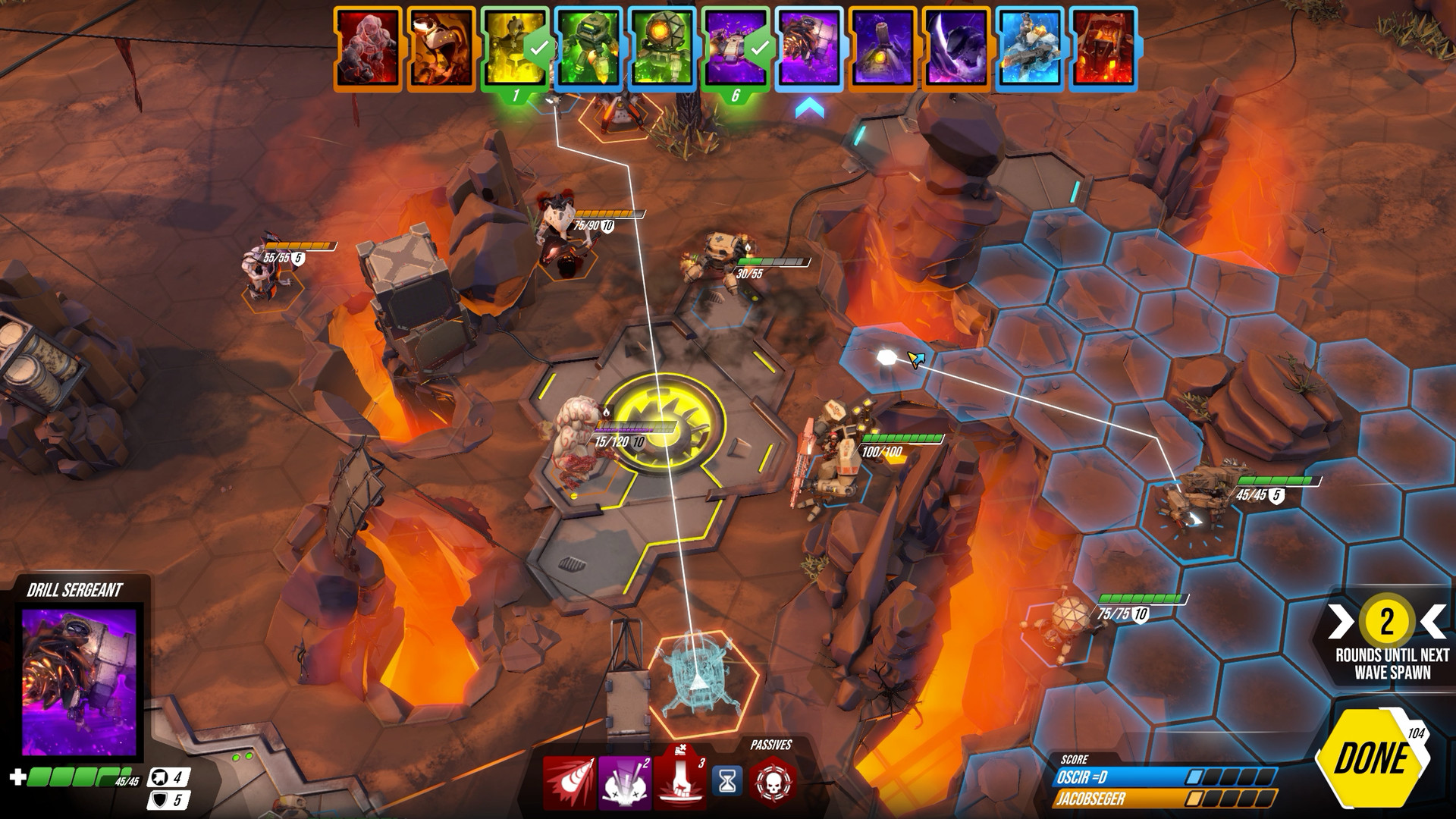
There is a unique, cerebral satisfaction that comes from mastering a turn based strategy game. Unlike the adrenaline-fueled, reflexive chaos often found in real time strategy titles, turn-based gaming places the focus squarely on your ability to anticipate outcomes, manage resources, and outmaneuver your opponent through careful planning. Whether you are navigating the complex, hex-based maps of a tactical RPG or balancing your economy in a grand strategy epic, every choice you make is permanent. Success in these environments is rarely about how fast you can click; it is about how deeply you understand the rules of the board.
In this guide, we will break down the essential combat tactics and decision-making frameworks that separate casual players from seasoned tacticians. We will cover how to manipulate the action economy, optimize your resource management games, and build synergy-driven squads that can handle even the most punishing RNG. By applying these core principles, you will be able to approach any encounter with a clear head and a winning strategy.
1. Mastering Turn Based Strategy: Fundamental Tactics and Combat Mechanics
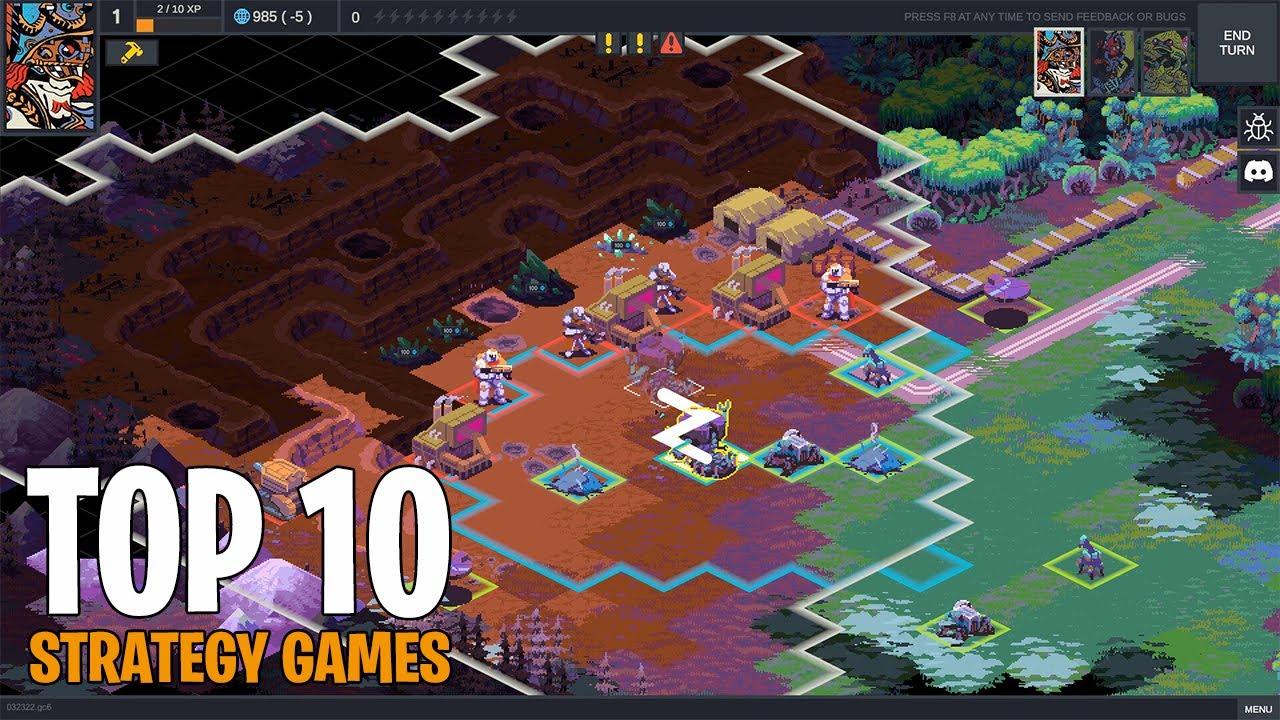
At its heart, a successful turn based strategy game is a puzzle where every decision compounds over time. Unlike the high-speed intensity of a real time strategy game, which relies on physical APM (actions per minute), turn-based combat rewards deliberate planning and the mastery of systems. Understanding these mechanics is the difference between a crushing defeat and a flawless tactical victory.
1.1 Deciphering the Action Economy and Positioning
The action economy is the most critical resource you possess. Every unit has a finite number of points, moves, or attacks per turn. To excel, you must view every encounter as a math problem: how can you exert the most pressure on the enemy while minimizing their ability to retaliate? Sequence your abilities so that crowd control—like stuns or freezes—is applied before your primary damage dealers move. This ensures your heaviest attacks land on vulnerable, neutralized targets, preventing the enemy from activating their own defensive protocols.
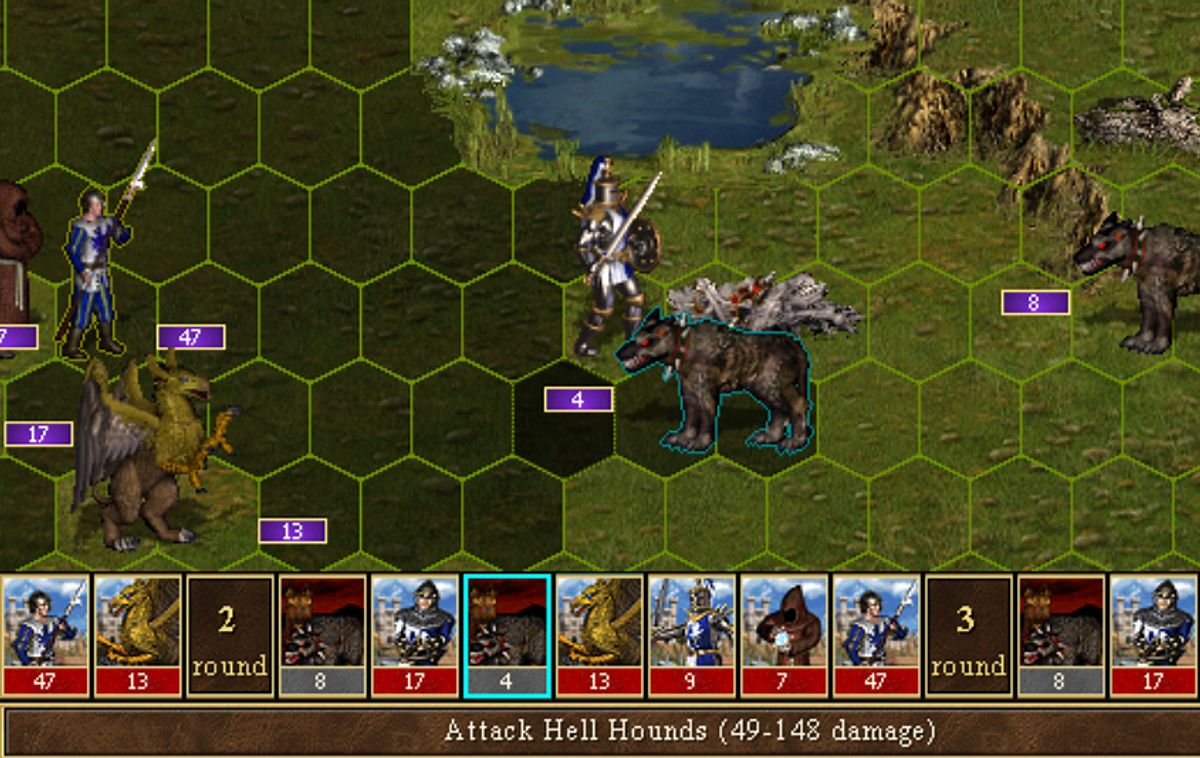
Geography is rarely just visual flair; it is a tactical necessity. High ground almost universally provides accuracy or range bonuses, making it a priority for archers and snipers. Chokepoints allow you to leverage a small squad against a numerically superior force by forcing enemies into a bottleneck where only one can engage at a time. Furthermore, managing the zone of control—the space around your units that triggers attacks of opportunity—is vital to pinning down high-mobility enemies and preventing them from reaching your fragile support units.
1.2 Mitigating Risks and Calculating RNG
Even the best plan can crumble against bad luck, which is why understanding the role of RNG (random number generation) is essential. Hit probabilities are not just suggestions; they are the baseline for your risk assessment. If a move has a 70% success rate, you must have a “Plan B” for the 30% failure outcome. Never rely on a single high-variance attack to win a fight.
You can force consistency by stacking modifiers. When damage mitigation—such as armor, shielding, or evasion buffs—is high, move from raw damage to armor-shredding abilities or debuffs that bypass physical defenses. In high-RNG environments, prioritize moves that offer guaranteed outcomes over high-reward, low-probability gambles. Building a strategy around “floor-level” success ensures that even your worst rolls won’t result in a team wipe.
1.3 Core Principles for Effective Team Composition
A balanced squad is your strongest asset. You must identify unit synergies where one character’s passive buff amplifies another’s active ability. A team of pure damage dealers often fails because it lacks the utility to handle complex objectives; instead, integrate crowd control specialists to dictate the tempo of the battlefield. If you are struggling with combat, you might find that mastering specialized character roles is the key to creating a more cohesive unit that can adapt to any threat.
Prioritize targets based on immediate threat levels rather than proximity. Often, a low-health support unit that can heal the enemy is a higher priority than a full-health tank. Balance your composition so that your support units have enough self-preservation to stay alive, while your damage dealers have the mobility to reach backline targets. Remember, the goal isn’t just to deal damage—it is to control the battlefield through superior organization and smart target prioritization.
2. Advanced Turn Based Strategy Frameworks for Competitive Success
2.1 Manipulating Enemy Behavior and Resource Management
2.1.1 Baiting AI Patterns to Force Favorable Exchanges
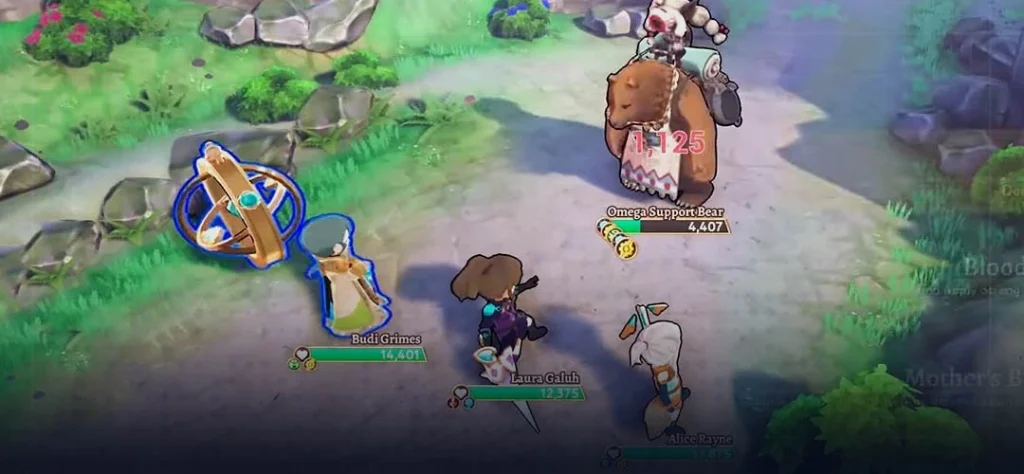
In turn based strategy, the AI often follows predictable priority queues—such as targeting the unit with the lowest health or the one positioned furthest forward. You can weaponize this behavior by intentionally exposing a high-defense or “tank” unit while keeping your fragile damage dealers just outside the enemy’s threat range. By baiting the AI into attacking a suboptimal target, you waste their turn, allowing you to counter-attack during your next phase without sustaining critical losses.
2.1.2 Managing Cooldowns and Mana for Peak Combat Efficiency
Effective resource management games often require you to view your mana or ability cooldowns as a secondary health bar. A common mistake is using high-impact abilities the moment they become available. Instead, hold your most potent skills for “burst windows”—moments where you can secure a kill or swing the momentum of a fight. Keeping a reserve of resources ensures you are never caught empty-handed when a sudden objective shift or elite enemy reinforcement appears.
2.1.3 The Aggression Curve: Balancing Defensive Turtling with Strategic Pushes
Understanding when to adopt a defensive posture versus when to force an advance is the hallmark of a veteran strategist. Excessive passivity allows the enemy to set up their own optimal positioning, while reckless aggression leaves you vulnerable to counter-attacks. Use defensive “turtling” to stabilize your formation when resources are low, then immediately pivot to an aggressive push the moment the enemy overextends or wastes their primary combat abilities.
2.2 Strategic Adaptation and Objective-Based Play
2.2.1 Shifting Focus from Total Annihilation to Victory Conditions
While clearing the board of all enemies is satisfying, it is rarely the most efficient path to victory. Many titles prioritize objectives like area control, flag capturing, or surviving for a set number of rounds. Evaluate each map’s specific win criteria; often, sacrificing a unit to secure an objective is a net positive trade that outweighs the loss of a piece on the board.
2.2.2 Converting Defensive Momentum into Calculated Counter-Offensives
Defense should never be a static state. Use the safety of your backline to set up traps or reposition your forces for a flanking maneuver. When the enemy breaks their formation to assault your defensive line, they often leave their own flanks exposed. Capitalize on this by using high-mobility units to strike at their exposed support or backline healers.
2.2.3 Applying Tactical Lessons Across Fantasy, Sci-Fi, and Historical Settings
The core principles of turn based combat tactics remain consistent regardless of the game’s setting. Whether you are managing infantry lines in a historical wargame or shielding units in a sci-fi tactical encounter, the fundamental need for positioning and action economy persists. Mastering poker simulation games or other logic-heavy titles can sharpen your ability to read the board, helping you recognize patterns that transcend thematic boundaries.
2.3 Refining Your Tactical Mindset and Avoiding Pitfalls
2.3.1 Common Errors Including Overextension and Panic Spending
Overextension occurs when you move units too far forward, breaking your chain of support. This often leads to “panic spending,” where you exhaust all your remaining cooldowns to save a single unit, leaving your entire squad vulnerable for the next turn. Always ensure that every unit’s move ends with a path to retreat or the support of a nearby ally.
2.3.2 Improving Pattern Recognition Through Post-Game Analysis
The fastest way to improve is to review your losses. When a plan fails, look for the “inflection point”—the specific turn where you lost control of the board. Identifying whether the error was caused by poor positioning, a bad trade, or miscalculating the enemy’s potential movement range will drastically reduce the frequency of that mistake in future sessions.
2.3.3 Utilizing Terrain Bonuses as a Persistent Force Multiplier
Terrain is the unsung hero of any tactical engagement. High ground, dense cover, or hazardous environmental zones provide passive bonuses that can negate the enemy’s numerical advantage. By prioritizing the occupation of key terrain features early in the game, you turn the environment itself into a defensive layer, allowing your units to endure significantly more damage than they would on open ground.
Mastering turn based strategy games is a journey that moves far beyond simple point-and-click combat. By shifting your mindset from reactive survival to proactive planning, you can gain a significant edge over even the toughest AI opponents. We have explored how the delicate balance of the action economy, unit synergy, and resource management serves as the foundation for victory. Whether you are navigating intense tactical skirmishes or managing complex long-term campaigns, these core principles provide the framework needed to make every decision count.
Remember that the best players are not those who never face defeat, but those who utilize post-game analysis to refine their tactical approach. If you find yourself enjoying the depth of these systems, you might also want to test your problem-solving skills with some of the best match 3 puzzle games that focus on logical sequencing and pattern recognition. As you continue to play, keep experimenting with new unit compositions and terrain advantages. With patience and practice, you will transform from a novice commander into a master of the battlefield.