There is a unique thrill in waking up on a deserted shore with nothing but your own ingenuity to keep you alive. Adventure survival crafting games have transformed the way we experience digital landscapes, pushing players to transform from vulnerable castaways into masters of their environments. Whether you are navigating the isolation of exploration focused island games or establishing a massive, automated fortress in a procedurally generated wilderness, the core loop remains the same: adapt, build, and overcome.
Achieving mastery in these titles requires more than just raw reflexes; it demands a deep understanding of open sandbox exploration and systemic resource management. In this guide, we will break down the essential strategies to help you thrive in the most unforgiving open world adventures. From prioritizing your earliest physiological needs to scaling industrial-grade operations, you will learn the tactical blueprints necessary to conquer your chosen frontier. Prepare to turn the tide against the elements and secure your legacy as an apex survivor.

1. Mastering the Fundamentals of Adventure Survival Crafting
1.1 Early Game Survival Strategies and Resource Management
1.1.1 Prioritizing Physiological Needs: Managing Hunger, Thirst, and Stamina
In any open world adventure, your first few minutes are the most critical. Most titles utilize a survival gauge system where hunger, thirst, and stamina dictate your performance. To avoid an early respawn, focus immediately on gathering simple food sources like berries or low-tier game. Hydration is often more pressing; prioritize locating a water source or crafting a primitive collector before venturing too far from your spawn point. Manage your stamina carefully by walking instead of sprinting during long-distance traversal. Conserving energy prevents exhaustion, ensuring you have enough stamina in reserve to escape predators or climb terrain when you eventually encounter a threat.
1.1.2 Efficient Scavenging: Identifying High-Value Nodes and Biome Hotspots
Open sandbox exploration rewards those who understand the map. Not all resources are created equal. Early on, prioritize collecting loose stone, wood, and fiber, as these are the building blocks of every basic tool. Look for biome-specific hotspots, such as riverbanks for clay or forested edges for medicinal plants. As you move through the world, train your eyes to spot high-value nodes—shiny or uniquely textured rocks—that suggest rare minerals. Consistent scavenging keeps your inventory lean but functional, preventing you from hauling low-value weight that slows down your exploration.
1.1.3 Inventory Optimization Tactics for Early Expedition Success
Inventory management is the hidden difficulty spike in most survival games. To maximize your efficiency, craft small storage crates as soon as the tech tree allows. When exploring, adopt a “need-to-carry” policy: drop common items like raw wood if you have a surplus, and prioritize rare components that cannot be easily replaced. Utilize the “sort” function if the game provides one, but manual organization is better for identifying what you truly need for your current goals. If you find yourself constantly encumbered, consider it a sign that you need to establish a forward base or a temporary stash site. For those interested in expanding their gaming repertoire beyond raw survival, exploring [best atmospheric walking simulators: a player’s guide](https://gameturn.net/best-atmospheric-walking-simulators-a-player-s-guide/) can provide a refreshing change of pace in world immersion.
1.2 Architecting for Longevity: Base Building and Strategic Defense
1.2.1 Site Scouting: Evaluating Proximity to Resources and Defensive Terrain
Don’t build your first shelter just because the sun is setting. Take the time to scout for a location that offers both resources and natural protection. A site tucked against a cliff or on high ground reduces the number of directions from which enemies can approach. Ideally, your base should sit at the junction of two distinct biomes, giving you easy access to a wider variety of flora and fauna. Proximity to water is non-negotiable; distance to key resource nodes is a secondary benefit that will save you hours of travel time in the long run.
1.2.2 Structural Progression: Upgrading from Primitive Wood to Industrial Metal
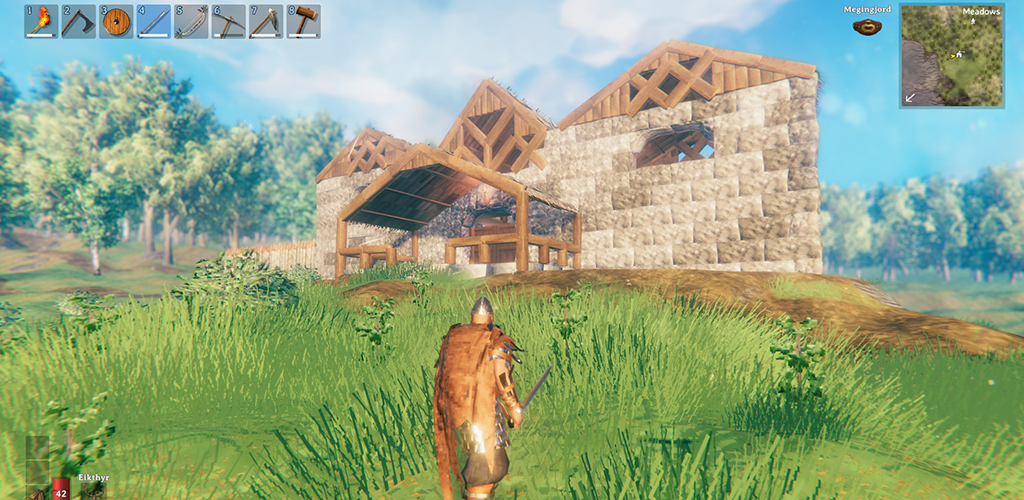
Start small. A sprawling wooden shack is a liability in games with structural decay or fire mechanics. Begin with a compact, reinforced wooden structure, then focus on incremental upgrades. Replacing walls and floors with stone or metal is a vital progression step, as these materials usually provide superior insulation and resistance to environmental damage. Always prioritize the “heart” of your base—the room containing your workstations and storage—when applying upgrades, as this is your most valuable asset.
1.2.3 Defensive Integration: Protecting Assets from Environmental Decay and Hostile Raids
Base security goes beyond just locking the front door. Incorporate traps, spiked barricades, and elevated vantage points to deter wandering threats. If your chosen game features hostile NPCs or other players, defensive integration is a necessity. Keep your most valuable loot in the most secure, reinforced internal rooms. Regularly inspect your outer walls for signs of environmental decay, as neglected structures can collapse, leaving your inventory exposed to both the elements and opportunistic enemies.
1.3 Crafting Systems and Technological Progression Paths
1.3.1 Building the Tech Tree: Prioritizing Essential Crafting Stations
The tech tree is your roadmap to dominance. Always rush the crafting stations that allow for mass production or refinement, such as the forge, workbench, and loom. These stations unlock new tiers of gear that make survival exponentially easier. By focusing on utility stations early, you ensure that every resource you gather can be processed into something useful, rather than cluttering your inventory as raw, unrefined material.
1.3.2 Weaponry Tiers: Scaling Combat Capability from Spear to Advanced Tech
Combat efficiency follows a clear progression: primitive, intermediate, and advanced. The spear is your best friend in the early game for maintaining distance, but you must quickly transition to ranged weaponry like bows or makeshift firearms as you encounter tougher biomes. Keep your weaponry upgraded alongside your base. Relying on a low-tier spear against endgame mobs is a fast way to lose your hard-earned gear. Always carry a secondary melee weapon for emergencies when your ranged ammo runs dry.
2. Advanced Mechanics and Endgame Mastery in Adventure Survival Crafting
2.1 Navigating Hostile Environments and Extreme Biomes
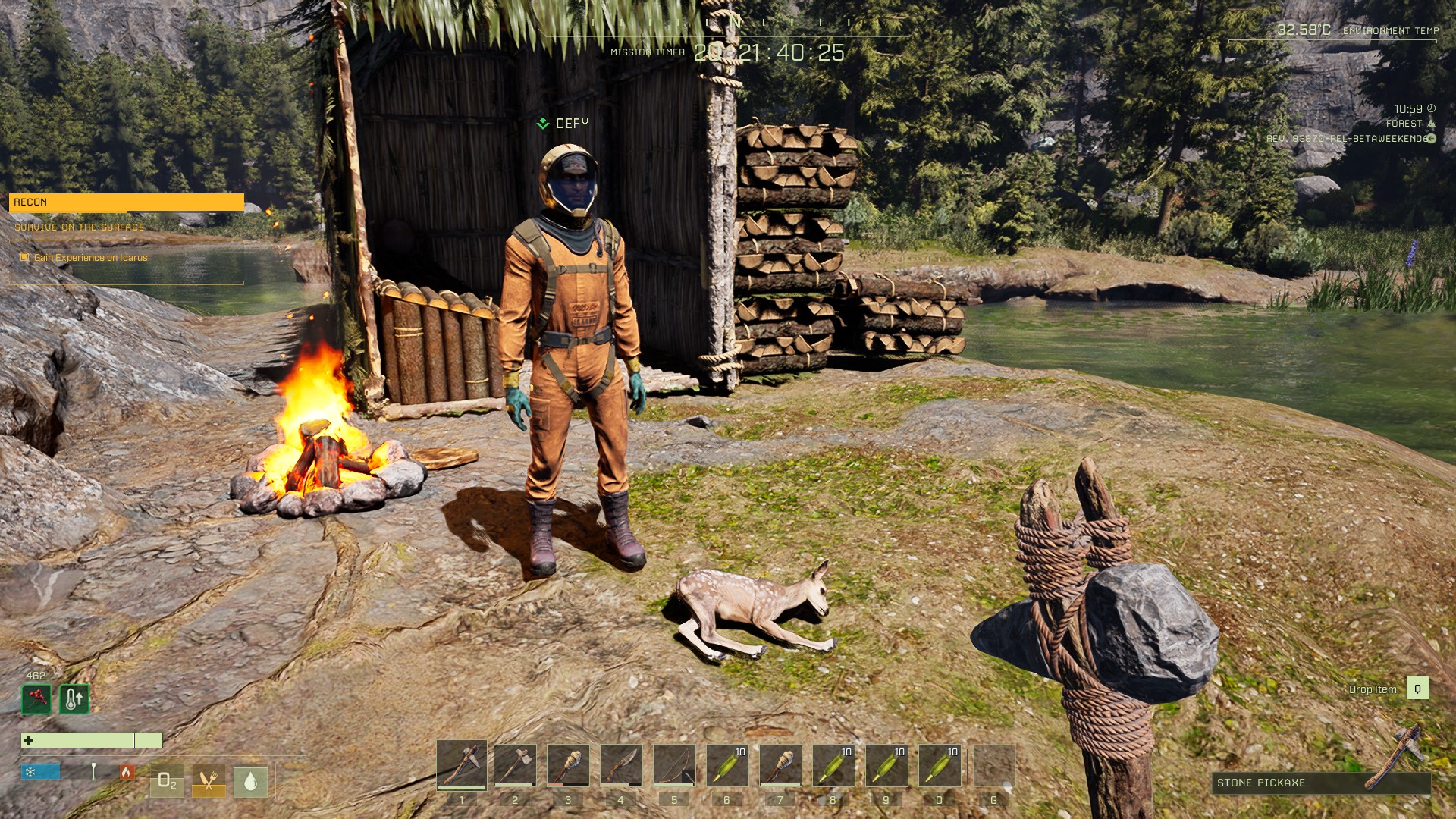
As you push beyond the starter zones in adventure survival crafting titles, the environment itself becomes your greatest adversary. Successfully traversing frozen tundras, scorching deserts, or irradiated craters requires more than just high-tier equipment; it demands proactive planning.
2.1.1 Gear Customization: Preparing for Extreme Temperatures and Radiation
Environmental hazards often apply status effects that drain health or stamina rapidly. To survive, you must prioritize specialized gear sets. Look for insulation upgrades to stave off freezing temperatures or lead-lined plating to mitigate radiation exposure. Don’t rely on a single “best” armor set; carry modular gear swaps in your inventory so you can adapt your defenses before entering a new biome.
2.1.2 Mapping and Navigation: Using Waypoints to Avoid Getting Lost
In open sandbox exploration, losing your orientation in a storm can lead to a quick demise. Always place physical markers or electronic beacons at key points of interest, such as mountain passes or hidden resource caches. Learning to read your HUD and tactical map is vital. If your game supports it, triangulate your position using landmarks to avoid relying solely on temporary waypoints that might vanish during server restarts or UI glitches.
2.1.3 Supply Logistics: Packing Efficiently for Long-Distance Exploration
Long expeditions into the unknown require disciplined inventory management. Before heading out, prioritize “weight-to-utility” ratios. Bring compact, high-energy foods, portable heating or cooling consumables, and essential repair kits. By minimizing bulk, you ensure you have enough remaining inventory space to bring back rare loot and exotic materials.
2.2 Scaling Operations through Automation and Resource Farming
Manual gathering is a mid-game trap that will eventually stifle your progress. To achieve true mastery, you must shift your focus toward logistical infrastructure.
2.2.1 Implementing Automated Systems: Irrigation, Smelting, and Mass Production
Efficiency is the cornerstone of high-level play. Establish automated smelters that feed into central storage, and set up conveyor belts or logistics bots to handle repetitive crafting tasks. For those playing titles that lean into [url=https://gameturn.net/best-simulation-life-games-tips-for-virtual-world-building/]simulation life games[/url] mechanics, automating your water supply via irrigation networks will save you hours of manual labor, allowing you to focus on exploration and defense.
2.2.2 Sustainable Agriculture: Farming Rare Materials for Mid-Game Stability
Don’t just hunt for resources; cultivate them. Identify which essential materials can be farmed, such as fiber, healing herbs, or rare ores. Creating a dedicated greenhouse or farm plot ensures you have a constant influx of vital supplies, removing the necessity of constant, dangerous foraging runs.
2.3 Conquering Endgame Milestones and Multiplayer Dynamics
The final phase of any survival experience is defined by monumental challenges that test your combat prowess and your ability to work within a community.
2.3.1 Boss Progression and High-Level Survival Challenges
Endgame milestones typically involve high-stakes boss encounters that gatekeep the best technology or late-game map regions. Success here requires a “preparedness-first” mindset. Study boss patterns, craft specific elemental resistances, and bring over-prepared amounts of healing items. These encounters are rarely won through skill alone; they are won by how well you planned for the encounter’s unique mechanics.
2.3.2 Cooperative Survival Strategies and Managing Resource Competition
In multiplayer environments, diplomacy is just as important as building. Establish clear trade agreements with neighbors to mitigate resource competition. If you are part of a clan, specialize your roles—one player focuses on base engineering, another on exploration and high-level scouting. By coordinating your efforts, you turn the chaotic nature of an open world into a manageable, thriving civilization.
Mastering the art of adventure survival crafting is a journey of transformation—from a vulnerable survivor struggling for basic needs to a master of your own digital domain. By prioritizing efficient resource management, building robust, scalable bases, and embracing the complexities of technological progression, you can turn any hostile landscape into your personal playground. Whether you are navigating extreme biomes or automating your resource production, the key remains your ability to adapt to the unpredictable nature of open sandbox exploration.
The beauty of these games lies not just in the eventual success, but in the lessons learned through every failure and innovative experiment. As you refine your strategies and conquer increasingly difficult milestones, remember that the most rewarding part of these adventures is the sense of agency you reclaim in a challenging environment. For those looking to sharpen their strategic mind even further, exploring different styles of play can offer new perspectives on game mechanics and pacing. If you are ready to broaden your horizons beyond survival, check out our guide on the best atmospheric walking simulators for a different take on exploration and immersion. Stay curious, keep building, and enjoy the mastery that comes with every successful expedition.