There is a unique thrill in perfectly syncing your movements to the beat of a favorite song, whether you are playing a high-octane arcade title or practicing with a digital instrument. Engaging in music rhythm challenges goes beyond simple entertainment; it is a gateway to developing genuine timing, coordination, and auditory precision. As these experiences become more immersive, players often find themselves searching for ways to bridge the gap between casual play and true rhythmic mastery. Whether you are interested in exploring complex rhythm music games or looking to sharpen your reflexes for competitive leaderboards, this guide will provide the framework you need to level up. We will explore how to decode complex game mechanics, refine your input precision through technical calibration, and eventually move beyond the screen to internalize the pulse of the music itself. From understanding the nuance of latency to selecting the right gear for your setup, let’s begin your journey toward rhythmic excellence.
1. Mastering Music Rhythm Challenges Through Interactive Gameplay and Skill Development
Music rhythm challenges serve as a unique bridge between entertainment and cognitive training. Whether you are tapping along to a mobile app or navigating a complex performance on a high-end console, these games demand a synthesis of auditory perception, motor control, and rapid decision-making. By engaging with these digital environments, players often find that their ability to track a steady pulse improves, providing a solid foundation for more complex musical endeavors.
1.1 Foundations of Rhythmic Proficiency
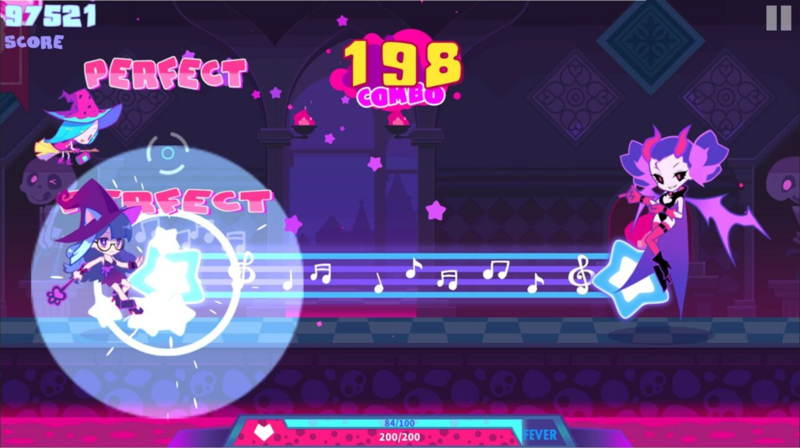
Success in rhythm music games relies on more than just fast fingers; it requires a deep understanding of how software interprets your inputs. Decoding game mechanics involves recognizing how different titles handle timing windows—the narrow frames where your button press is registered as a perfect hit. By focusing on your visual tracking and listening for the underlying beat, you can learn to predict patterns before they reach your input zone.
Audio latency remains the primary hurdle for many players. If your hardware setup introduces even a millisecond of delay, your timing will feel perpetually off, regardless of your skill level. Proper calibration ensures that the visual representation of the music aligns perfectly with the audio output. Most modern platforms offer calibration tools that allow you to adjust for this delay, which is essential for maintaining precision during high-difficulty tracks.
To truly excel, you must eventually move beyond relying solely on visual cues. Many top players transition from reading the screen to internalizing the pulse of the song. By letting your internal metronome take the lead, you gain the flexibility to react to syncopated rhythms and off-beat notes that visual markers might obscure. This mental shift is what separates casual players from those who can consistently clear the most challenging tiers.
1.2 Categorizing Music Rhythm Challenges for Skill Growth
The landscape of rhythm gaming is vast, and choosing the right category is key to your development. Arcade-style games remain the gold standard for developing raw reflex speed and eye-hand coordination. These fast-paced experiences force you to process information rapidly, training your brain to bridge the gap between sight and action in real-time.
For those interested in the fundamentals of music, educational rhythm trainers offer a different approach. These programs often prioritize ear training and timing accuracy over flashing lights and complex interfaces. They are excellent for aspiring musicians who want to learn vocal pitch matching games or understand complex song structures while having fun. You can explore a variety of best rhythm music games to find the platform that best matches your personal learning style.
Finally, VR and full-body platforms introduce kinesthetic awareness into the equation. By utilizing your entire body to hit targets, you develop a sense of rhythm that is felt in your muscles rather than just your fingers. This full-body engagement helps internalize tempo and groove in a way that static controls simply cannot replicate.
1.3 Essential Gear for Optimal Performance
Your hardware setup acts as the interface between your intent and the game’s engine. When choosing input devices, mechanical keyboards are often preferred for PC-based rhythm games due to their tactile feedback and low actuation point. Alternatively, MIDI controllers provide a more authentic experience for those looking to simulate real musical instruments.
Regardless of your controller, optimizing display settings is non-negotiable. Modern displays often have image processing features that, while intended to improve picture quality, introduce significant input lag. Setting your monitor to “Game Mode” or bypassing post-processing filters can shave off precious milliseconds, allowing for a much tighter connection to the rhythmic action on screen.
2. Advanced Techniques to Overcome Music Rhythm Challenges and Plateaus
2.1 Strategic Practice Methods for Musicians
When you hit a wall in rhythm music games, brute force repetition is rarely the solution. To reach the next level, you must treat your practice sessions like a professional musician would. This involves breaking down complex patterns into manageable segments and focusing on the underlying structure of the music.
2.1.1 The Slow-Down Technique for Micro-Rhythm Mastery
The most effective way to internalize rapid-fire note streams is to utilize the speed modifiers found in almost every modern rhythm title. By practicing a section at 50% or 75% speed, you give your brain the necessary processing time to map the visual cues to the physical input. Once you can execute a passage perfectly at a lower tempo, gradually increment the speed. This prevents the muscle memory errors that occur when you attempt to play at full speed before your brain has fully deciphered the pattern.
2.1.2 Integrating Metronome Work with Digital Feedback Systems
While many games provide their own rhythm track, isolating the beat using an external digital metronome can significantly sharpen your internal clock. If you are struggling with a specific song, try playing it while listening to a steady click track rather than the music itself. This strips away the melodic distraction and forces you to focus strictly on the grid, ensuring your timing isn’t just reacting to the audio, but aligning with the structural pulse.
2.1.3 Utilizing Game Replay Analysis to Identify Timing Inconsistencies
Many high-end rhythm games offer replay features that allow you to watch your performance in slow motion. Pay close attention to whether you are consistently hitting notes early or late. A recurring “early” hit suggests you are anticipating the beat, whereas a “late” hit indicates a slight delay in your reaction time. Identifying these micro-patterns allows you to adjust your approach or hardware calibration accordingly.
2.2 Developing Advanced Rhythmic Vocabulary
Advancing your skills requires more than just button-mashing; it requires an understanding of how rhythm functions. Whether you are using a drum set simulator or a standard controller, the ability to visualize the music’s architecture is a game-changer.
2.2.1 Visualization Strategies for Complex Syncopation
Syncopation creates a sense of surprise by emphasizing off-beats. To master these, look at the screen not as individual notes, but as a shape. Try to see the pattern of the notes as a repeating motif. By visualizing the “swing” or the “groove” rather than reacting to every single blip on the screen, you tap into a more intuitive, fluid way of playing.
2.2.2 Mastering Subdivision: From Eighth Notes to Complex Polyrhythms
Advanced gameplay involves moving beyond simple beat-matching into the world of subdivisions. Understanding how to divide a single beat into three (triplets) or four (sixteenth notes) is essential for high-level performance. When you encounter a section that feels impossible, identify the underlying subdivision. If you can count the rhythm out loud while playing, you move from reactive gameplay to true rhythmic fluency.
2.2.3 Bridging Game Performance and Instrumental Fluency
Many players find that the skills developed in rhythm titles transfer directly to real-world musicianship. If you are looking to take your hobby further, consider exploring best rhythm music games: guitar, dance & piano challenges that require real instrument input. By applying the same deliberate practice methods used for gaming to a physical guitar or keyboard, you can reinforce your understanding of time signatures and syncopation in a tactile environment.
2.3 Frequently Asked Questions
2.3.1 Are rhythm games effective for learning to play real instruments?
Yes, but with caveats. While they excel at developing timing, kinesthetic awareness, and ear training, they do not replace the nuance of music theory or the mechanical technique required for traditional instruments. They are best viewed as a supplement that builds rhythmic confidence.
2.3.2 How to resolve sound synchronization issues in game settings?
Most rhythm games include a calibration menu. Use this to sync your audio and visual feedback. If the problem persists, ensure your console or PC is set to “Game Mode” on your television, which reduces input lag by bypassing image-processing software.
2.3.3 What are the best methods for tracking rhythmic progress?
Consistency is key. Record your high scores over time, but more importantly, track your “Perfect” vs. “Great” hit ratios. A rise in your accuracy percentage is a much better indicator of skill growth than total points alone.
2.3.4 Is prior knowledge of sheet music required for success?
Absolutely not. The beauty of these games is that they translate complex musical structures into accessible visual patterns. While knowing how to read music can help you understand the “why” behind a rhythm, your ability to feel the pulse is far more important for gaming success.
Mastering music rhythm challenges is a rewarding journey that blends technical precision with a deeper, intuitive appreciation for sound. Whether you are aiming to climb the leaderboards in high-speed rhythm music games, exploring the nuances of a drum set simulator, or refining your accuracy through vocal pitch matching games, the path to improvement remains rooted in consistent practice and thoughtful calibration. By understanding the underlying mechanics—from audio latency adjustments to the development of internal pulse—you transform these digital hurdles into genuine skill-building exercises.
As you continue to refine your technique, remember that the goal is not just to hit buttons in sequence, but to develop a rhythmic vocabulary that transcends the screen. While the digital environment offers a unique space for practice, the habits you build here often carry over into real-world musicality and cognitive coordination. If you find yourself enjoying the mental stimulation of these challenges, you might also appreciate testing your problem-solving skills with our guide on mastering escape room puzzles, which shares the same spirit of structured practice and logical growth. Stay patient with your progress, embrace the slow-down technique, and keep listening closely to the pulse of the music.