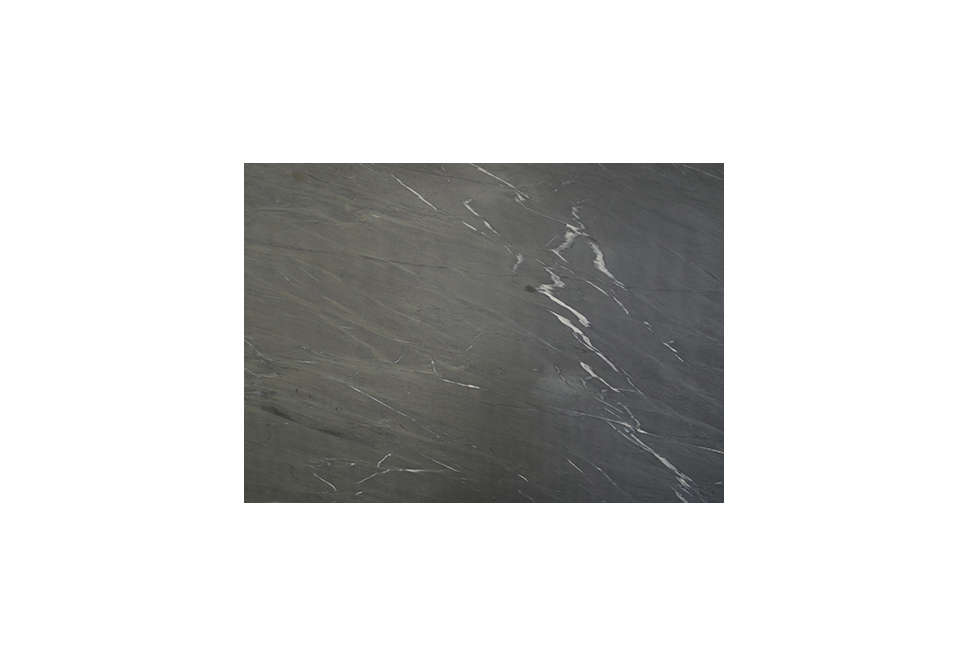

Marine Black Phylite is one of those natural stones that walks into a room wearing a black tuxedo, a mysterious smile, and just enough white veining to make designers lean closer. It is dark, dramatic, refined, and slightly misunderstoodwhich, frankly, is a very fashionable combination in the world of stone surfaces.
The name “Marine Black Phylite” is often used in design and retail listings, although the geological spelling is usually “phyllite.” In practical terms, homeowners, designers, fabricators, and stone yards may use both spellings when talking about the same type of material. For this article, we will use the title phrase “Marine Black Phylite” while also explaining what phyllite really is, how it performs, where it works best, and why it is sometimes confused with soapstone.
If you are considering this stone for countertops, bathroom vanities, fireplace surrounds, wall cladding, or statement surfaces, you are probably attracted to its moody black color and soft, elegant veining. But before you invite it into your kitchen and let it meet your coffee machine, it helps to understand what you are buying. Natural stone is not a one-size-fits-all material. Some stones are low-maintenance angels. Others require a little care, a little sealing, and maybe a polite reminder not to attack them with lemon juice.
What Is Marine Black Phylite?
Marine Black Phylite is a dark natural stone commonly described as a black phyllite with light veining. In the market, it is sometimes presented as “Marine Black,” “Marine Black Soapstone,” “Noire Soapstone,” or similar names. The important detail is that Marine Black is generally not true soapstone. It is typically identified as phyllite, a fine-grained metamorphic rock that belongs closer to the slate-and-schist family than to classic talc-rich soapstone.
That distinction matters because names in the stone industry can be charming, poetic, and occasionally as slippery as a wet tile sample. A stone may look like soapstone because it has a dark body, a honed finish, and pale veins. But looking like soapstone does not automatically mean it performs exactly like soapstone. True soapstone is prized for its high talc content, heat tolerance, low porosity, and naturally soft, matte surface. Marine Black Phylite offers a similar visual mood, but it usually needs more attention in sealing and maintenance.
The Geology Behind the Beauty
Phyllite forms when fine-grained sedimentary rock, such as shale or mudstone, undergoes heat and pressure deep within the Earth. It sits in the metamorphic progression between slate and schist. Imagine shale going to finishing school: first it becomes slate, then it develops more sheen and texture as phyllite, and with additional metamorphism it may continue toward schist. Geology, apparently, also believes in glow-ups.
The signature feature of phyllite is its foliation. This means minerals inside the rock align in thin, parallel layers. Tiny mica minerals create a silky, reflective surface known as phyllitic luster. This sheen is one reason Marine Black Phylite can look so rich in a honed finish. Instead of a flat, lifeless black, it often has depth, movement, and a subtle shimmer that changes with lighting.
Marine Black Phylite usually appears deep black to charcoal, with gray, white, or silvery veining. Some slabs look quiet and minimal, while others show bold linear movement. Because it is natural stone, no two slabs are identical. That is part of the appeal. It is also why choosing from a tiny sample can be risky. A sample is a handshake; the slab is the whole conversation.
Why Designers Like Marine Black Phylite
Marine Black Phylite has a strong visual personality without screaming for attention. It works beautifully in modern, transitional, rustic, industrial, and even traditional spaces. In a white kitchen, it creates contrast. In a wood-heavy room, it adds depth. In a bathroom, it can turn an ordinary vanity into something that looks like it has its own architecture magazine subscription.
It Delivers the Soapstone Look
Many homeowners are drawn to Marine Black Phylite because it resembles black soapstone. It can have the same soft, honed elegance and the same dramatic white veining. For people who love soapstone but cannot find the right slab, need a certain size, or want a different price point, Marine Black Phylite may become an appealing alternative.
It Has Natural Movement
Unlike engineered surfaces that repeat patterns, Marine Black Phylite has natural variation. The veining may run in sweeping lines, cloudy patches, or delicate streaks. This gives surfaces a handcrafted, one-of-a-kind appearance. It is especially effective on large islands, feature walls, fireplace surrounds, and waterfall countertop edges where the stone has room to show off.
It Pairs Well With Many Materials
Marine Black Phylite pairs well with white oak, walnut, brass, matte black hardware, creamy cabinets, plaster walls, handmade tile, and stainless steel appliances. It can look sleek with flat-panel cabinetry or warm and earthy with natural wood. In short, it is a flexible design partneras long as you respect its maintenance needs and do not expect it to behave like every other black stone on the market.
Marine Black Phylite vs. Soapstone
The biggest confusion around Marine Black Phylite is its relationship to soapstone. Some sellers use soapstone-inspired names because the material has a similar appearance. However, true soapstone and phyllite are different rocks with different mineral compositions and performance profiles.
Soapstone is typically rich in talc, which gives it a soft feel and strong resistance to acids and heat. It is often naturally nonporous and does not usually require sealing. Many soapstone owners simply apply mineral oil or wax to darken the color and even out patina, not because the stone must be sealed for protection.
Marine Black Phylite, by contrast, is more like a metamorphic stone in the slate family. It may be harder in some ways, but it is generally more porous than true soapstone and should be sealed properly. It can still perform well in kitchens, bathrooms, and other interiors when installed and maintained correctly. The key is accurate expectations. If a salesperson says, “It is exactly like soapstone,” your eyebrows have permission to become suspicious.
Best Uses for Marine Black Phylite
Kitchen Countertops
Marine Black Phylite can be used for kitchen countertops, especially when homeowners want a dark honed surface with natural veining. It works well in kitchens that lean modern, organic, or classic. However, it should be sealed, cleaned with gentle products, and protected from harsh chemicals. Use cutting boards, wipe spills promptly, and do not treat the countertop like a science experiment involving vinegar, bleach, and regret.
Bathroom Vanities
Bathrooms are excellent places for Marine Black Phylite because the stone adds drama without overwhelming the room. It can make a simple vanity look custom and expensive. Because bathrooms involve water, cosmetics, toothpaste, and various mystery liquids, sealing is important. A honed finish may help create a soft, sophisticated look, but it still needs routine care.
Fireplace Surrounds
A black stone fireplace surround can anchor a living room beautifully. Marine Black Phylite’s layered texture and veining create visual depth around a firebox. Before using it near heat, always consult a qualified fabricator and follow local building requirements. Natural stone can be durable, but installation details, adhesives, clearances, and backing materials matter.
Wall Cladding and Feature Walls
Marine Black Phylite is especially striking on vertical surfaces. A powder room wall, shower feature wall, bar backsplash, or entryway accent can benefit from its moody color. Vertical applications usually experience less daily abuse than countertops, making them a smart way to enjoy the stone’s look with fewer maintenance concerns.
Finishes: Honed, Polished, and Textured
Marine Black Phylite is commonly seen in honed finishes, which give the stone a smooth, matte appearance. Honed black stone is popular because it feels understated and elegant. It also tends to hide some surface reflections better than a high polish. However, honed surfaces may show oils, fingerprints, or water marks more easily, especially before sealing or if the sealer is wearing down.
A polished finish can make the stone appear darker and more reflective, but not every phyllite slab is suited to a mirror-like polish. Textured finishes, such as leathered or brushed surfaces, may add grip and tactile character. The best finish depends on where the stone will be installed and how much daily traffic it will face.
How to Choose a Good Slab
Choosing Marine Black Phylite should always involve viewing full slabs, not just small samples. Look at the veining, color consistency, surface texture, and any natural fissures. Ask whether the stone has been resin-treated, what finish is available, and whether the supplier recommends sealing before or after fabrication.
Also ask your fabricator about edge profiles. Simple edges usually work best with this type of stone because they respect its layered character. A clean eased edge, slight bevel, or mitered waterfall edge can look stunning. Highly ornate edges may fight the stone’s natural personality. Marine Black Phylite does not need a costume; it already came dressed for the party.
Care and Maintenance
Marine Black Phylite should be cared for like a quality natural stone surface. Clean it with a pH-neutral stone cleaner, stone soap, or mild dish soap diluted in warm water. Use a soft cloth rather than abrasive pads. Rinse thoroughly and dry the surface to reduce streaking.
Avoid acidic cleaners, harsh chemicals, toilet-bowl cleaners, rust removers, and anything containing hydrofluoric acid. Do not mix ammonia and bleach. That is not just bad for stone; it is dangerous for people. For daily kitchen use, keep coasters under citrus drinks, use trivets under hot cookware, and place cutting boards under knives. Even when a stone can handle a lot, good habits help it age gracefully.
Sealing is one of the most important maintenance steps. Because Marine Black Phylite is not true soapstone, it may need periodic sealing to resist stains. The exact schedule depends on the stone, finish, sealer type, and use. A simple water-drop test can help: if water darkens the stone quickly instead of beading on the surface, it may be time to reseal.
Pros and Cons of Marine Black Phylite
Pros
Marine Black Phylite offers a luxurious black appearance, natural veining, and a soapstone-like mood. It can look high-end in kitchens, baths, fireplaces, and wall applications. It pairs well with many design styles and gives homeowners a natural alternative to engineered black surfaces. Its honed finish can be warm, tactile, and visually rich.
Cons
The main drawback is confusion in the marketplace. Buyers may think they are purchasing true soapstone when they are actually buying phyllite. This can lead to unrealistic expectations about porosity, sealing, heat resistance, and maintenance. Marine Black Phylite may require more care than soapstone, and slab quality can vary. The smartest buyer asks questions early and gets care instructions in writing.
Design Ideas With Marine Black Phylite
For a modern kitchen, pair Marine Black Phylite countertops with flat-panel white oak cabinets, slim brass pulls, and a warm white backsplash. The black stone grounds the space while the wood keeps it from feeling too cold. Add under-cabinet lighting, and the subtle veining will come alive at night.
For a classic kitchen, use Marine Black Phylite on the perimeter counters with cream cabinets and unlacquered brass hardware. A white marble or quartzite island can create contrast, while the black counters add depth. This combination feels timeless without looking sleepy.
For a bathroom, install Marine Black Phylite on a floating vanity with a wall-mounted faucet and a large mirror. Keep the rest of the palette simple: plaster walls, warm lighting, and maybe a small green plant that looks like it has its life together. The stone becomes the focal point without needing loud decoration.
For a fireplace, use bookmatched slabs if available. Bookmatching creates a mirrored veining pattern that feels intentional and artistic. It is especially effective in living rooms with minimal furniture, where the fireplace becomes the visual anchor.
Buying Tips Before You Commit
Before purchasing Marine Black Phylite, confirm the actual material name with the supplier. Ask whether it is phyllite, slate, schist, soapstone, dolomite, or another stone. Request technical information if available, including absorption, density, recommended sealer, and approved applications. If the stone will be used in a kitchen, ask whether it has been installed successfully in similar projects.
Bring home a sample and test it responsibly. Place water, oil, coffee, and lemon juice on separate areas for a short period, then clean and observe. Do not rely only on showroom lighting or a polished display. Real life includes spaghetti sauce, hand lotion, wet glasses, and someone who insists on cutting limes directly on the counter even though cutting boards exist for a reason.
Common Questions About Marine Black Phylite
Is Marine Black Phylite real soapstone?
Usually, no. It is commonly identified as phyllite, even though some listings may use soapstone-like names. It may resemble soapstone visually, but it should not be assumed to have the exact same properties.
Does Marine Black Phylite need sealing?
Yes, in most practical applications it should be sealed. Sealing helps protect the stone from staining and makes daily cleaning easier. Follow the supplier or fabricator’s recommendation for the specific slab and finish.
Is it good for kitchens?
It can be good for kitchens when properly sealed and maintained. Homeowners who want a perfectly maintenance-free surface may prefer quartz or true soapstone. Homeowners who appreciate natural variation and can follow basic stone-care habits may enjoy Marine Black Phylite very much.
Will it scratch or stain?
Like many natural stones, it can scratch, mark, or stain depending on the finish, sealer, and use. Cutting boards, coasters, trivets, and prompt cleaning are simple ways to prevent most problems.
Experiences With Marine Black Phylite: What Living With It Can Feel Like
Living with Marine Black Phylite is a little like living with a beautiful black car. It looks spectacular when clean, dramatic under good lighting, and expensive even when it is minding its own business. But because it is dark and honed, it may show fingerprints, dust, water rings, or oily marks more readily than a busy speckled granite. This does not mean it is a bad material. It means you should know its personality before moving in together.
In a kitchen, the first thing many people notice is how much the stone changes throughout the day. Morning light may reveal soft gray veining. Evening light may make the surface look almost velvety. Under pendant lights, the stone can show a quiet sheen that feels more organic than glossy. This is one of the reasons designers like it: Marine Black Phylite has mood. It does not just sit there like a black rectangle. It participates.
Daily use is usually manageable when the stone has been sealed well. A quick wipe with a soft cloth and mild cleaner keeps it looking fresh. The trick is not to let spills linger. Coffee, wine, cooking oil, citrus juice, and cosmetics should be cleaned promptly. This is not because the countertop is delicate like a porcelain teacup. It is because natural stone rewards good habits. Treat it casually but not carelessly.
Some homeowners enjoy the way dark natural stone develops character over time. Tiny marks, subtle shifts in sheen, and the occasional lived-in sign can make the surface feel authentic. Others want every inch to look showroom-perfect forever. Those buyers may feel more comfortable with engineered quartz or porcelain. Marine Black Phylite is best for people who like natural materials and understand that nature rarely offers a warranty against personality.
In bathrooms, the experience is often more forgiving. A Marine Black Phylite vanity can look elegant for years with basic cleaning and sealing. Because bathroom counters usually see less heat and heavy food prep than kitchens, the stone can perform beautifully. The biggest concerns are cosmetics, toothpaste, hair products, and standing water. A tray under bottles and a habit of drying the surface can solve many issues before they become dramatic enough to deserve background music.
On fireplace surrounds or feature walls, Marine Black Phylite can be especially satisfying. These installations allow the stone to deliver maximum visual impact with less daily abuse. A fireplace clad in Marine Black Phylite feels architectural, grounded, and quietly luxurious. It works particularly well in rooms with natural wood floors, linen upholstery, and warm lighting. The stone brings contrast while the softer materials keep the room welcoming.
The best experience starts before installation. Buyers who view full slabs, ask honest questions, test samples, and hire experienced fabricators usually feel happier with the result. Buyers who assume every black stone is the same may be surprised later. Marine Black Phylite is not trying to be granite, quartz, marble, or true soapstone. It is its own material. When chosen for the right reasons, installed carefully, sealed properly, and maintained with common sense, it can become one of the most memorable surfaces in a home.
Conclusion
Marine Black Phylite is a striking natural stone with deep black color, soft veining, and a refined soapstone-like appearance. Its beauty is easy to understand; its identity deserves a closer look. Because it is generally phyllite rather than true soapstone, buyers should pay attention to sealing, cleaning, and realistic performance expectations.
For kitchens, bathrooms, fireplaces, and dramatic wall applications, Marine Black Phylite can be a gorgeous choice. It is bold without being flashy, natural without being rustic, and elegant without acting like it needs its own velvet rope. Choose the slab carefully, work with a knowledgeable fabricator, maintain it properly, and this dark stone can bring lasting character to a space.