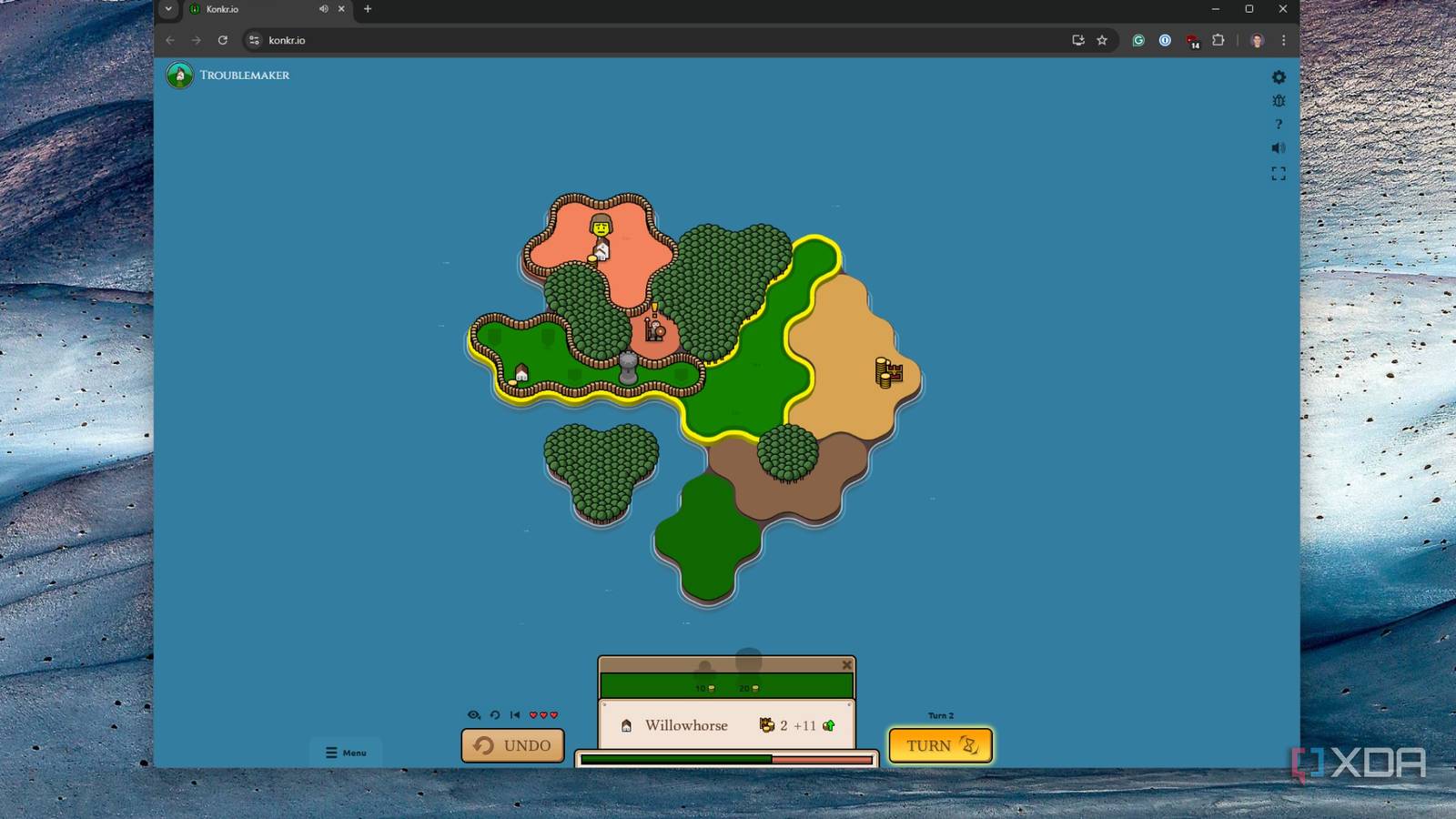
There is a specific thrill that comes with the final seconds ticking away on the clock as your team scrambles to unlock the last door. Mastering escape room puzzles requires more than just a quick wit; it demands a blend of observation, communication, and a calm, analytical approach under pressure. Whether you are a first-time player or a seasoned enthusiast, understanding the underlying mechanics of these immersive games can significantly boost your success rate. By refining your search methodology and learning how to interpret complex clues, you can turn a chaotic room into a solvable narrative.
In this guide, we will explore the essential strategies needed to conquer even the most challenging environments. From sharpening your ability to solve intricate logic puzzle games to mastering lateral thinking riddles that often hide in plain sight, we provide the tools to elevate your gameplay. If you enjoy testing your problem-solving skills in different formats, you might also be interested in these best logic puzzle games to help sharpen your cognitive focus before your next outing. Let us dive into the mindset and methods that separate casual players from true escape room masters.
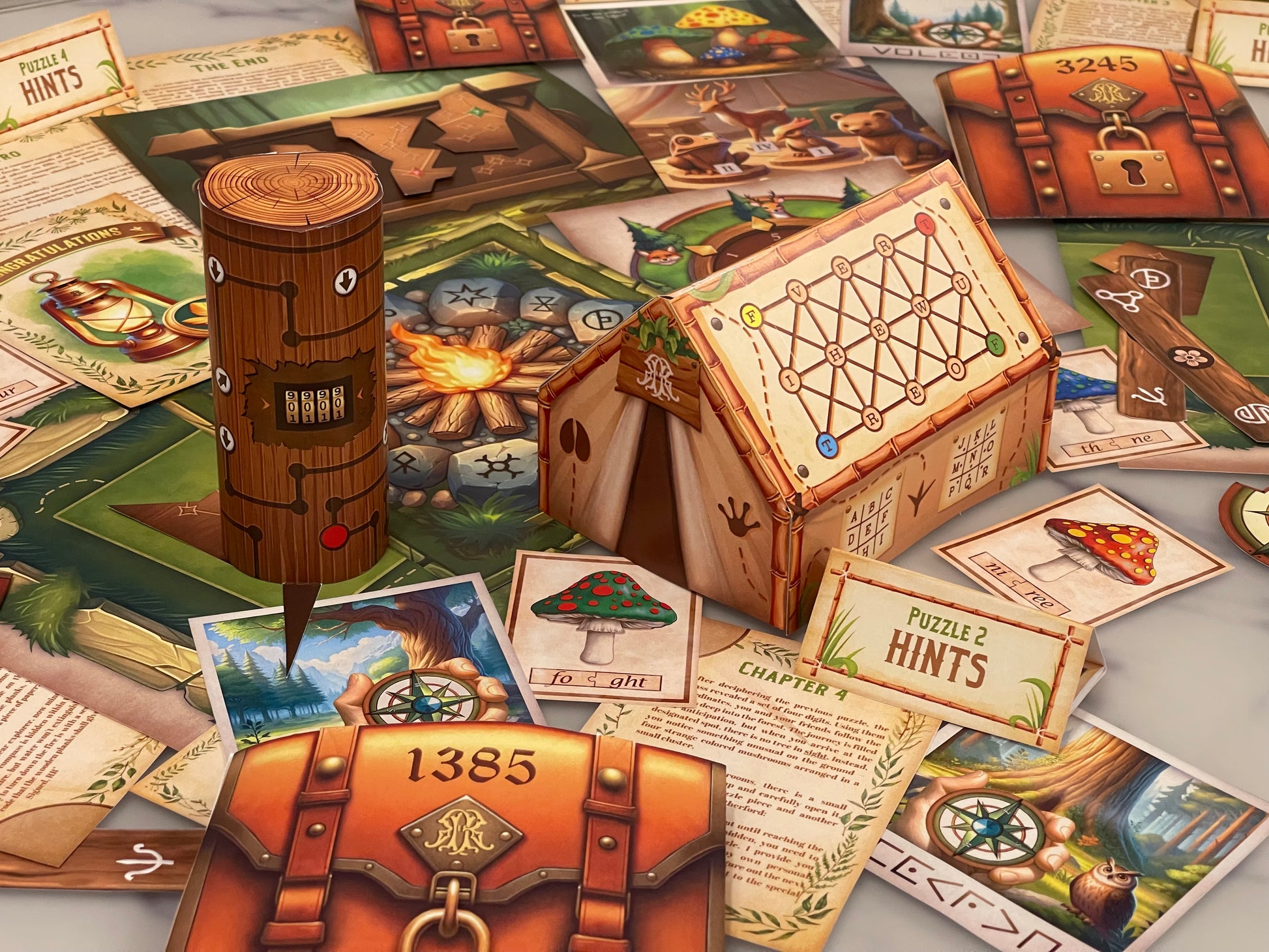
1. Mastering Escape Room Puzzles Through Logic and Systematic Strategy
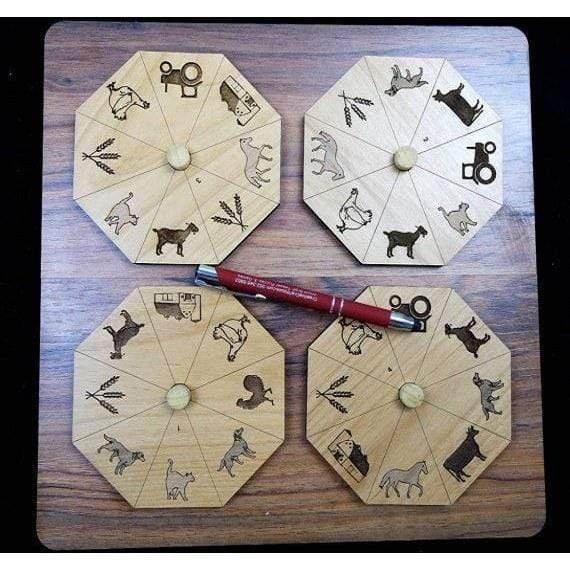
Approaching escape room puzzles requires a shift in mindset. Instead of viewing the room as a singular challenge, see it as a series of interconnected systems that respond to observation, deduction, and collaboration. Success depends on your ability to remain calm while processing information under time pressure.
1.1 Developing a Winning Mindset and Search Methodology
1.1.1 Mastering the Systematic Search to Eliminate Blind Spots
The most common mistake teams make is failing to conduct a thorough initial sweep. Adopt a “top-to-bottom, left-to-right” scanning approach. Assign specific zones of the room to different team members to ensure no surface—under tables, behind wall hangings, or inside obscure crevices—goes unexamined. If you touch an item, move it to a “searched” pile to prevent redundant efforts.
1.1.2 Implementing the Verbalization Technique for Group Synchronization
An escape room is a test of communication as much as intelligence. Use the “see something, say something” rule: if you find a key, a code, or a strange symbol, call it out clearly. By verbalizing your findings, you allow the group to store that data in their collective memory. This is particularly useful for logic puzzle games where visual patterns might need to be paired with audio clues found by another player.
1.1.3 Organizing Inventory and Managing Clue Clutter Effectively
Create a central staging area for all loose items, such as keys, notes, or scattered props. Keeping your workspace organized prevents the “clue clutter” effect, where essential items get buried under irrelevant props. By centralizing your inventory, you can quickly scan what you have available when you encounter a new lock.
1.2 Decoding Common Types of Escape Room Puzzles
1.2.1 Identifying Pattern Recognition and Sequencing Mechanisms
Many puzzles rely on sequences. Look for items that share common traits—size, color, or shape—that could indicate an order. If you find a series of pictures, observe them for subtle differences in orientation or number that could serve as a combination for a dial or padlock.
1.2.2 Simplifying Math-Based Riddles and Cryptography
When you encounter complex math or ciphers, look for the simplest possible solution first. Most escape rooms avoid high-level calculus or obscure coding. If you find a book or a poster with text, look for “hidden” messages where the first letter of each word or specific capitalized characters form a code. If the math feels impossible, you are likely missing a key variable elsewhere in the room.
1.2.3 Interacting with Physical Logic Props and Sensor-Based Tech
Modern rooms often utilize magnets, light sensors, or weight-sensitive plates. If a prop seems heavy or has an unusual texture, it may trigger a mechanism when placed on a specific pedestal. Always treat props with care, but be mindful that if a prop is meant to be moved, it will generally give way with gentle pressure.
1.2.4 Utilizing Sensory Observations for Audio and Visual Clues
Don’t ignore the atmosphere of the room. Background music, repeating sound effects, or light flickers are often deliberate cues. Listen for tempo changes or light patterns that correlate with the rhythm of a puzzle. Often, the answer is hiding in plain sight, waiting for you to synchronize your senses.
1.3 Overcoming Obstacles and Common Gameplay Pitfalls
1.3.1 Avoiding the Over-Complication Trap for Simple Locks
The “over-complication trap” occurs when players invent elaborate theories for simple directional or numeric locks. If you are stuck for more than five minutes, stop and reconsider the basics. The answer is rarely a complex calculation; it is usually a direct result of an observation you already made.
1.3.2 Identifying and Ignoring Red Herrings Designed to Distract
Game designers intentionally include red herrings—items that look important but serve no purpose—to add challenge. If you have been fiddling with an object for a long time without result, label it as a “maybe” and move on. Effective players learn to detach from dead-end items to keep the momentum going.
1.3.3 Knowing When to Pivot or Request a Hint to Maintain Momentum
Stagnation is the biggest threat to your escape time. If your team is frustrated and stuck, have the discipline to request a hint from the game master. A well-timed nudge can prevent an hour of frustration and help you pivot to a new, more productive line of inquiry. Remember, the goal is to have fun, not to suffer through a blockade.
2. Advanced Team Dynamics and Cognitive Optimization Strategies
2.1 Structuring Your Team for Peak Efficiency
The difference between a frantic experience and a successful escape often boils down to how well your group is organized. Assigning roles before the timer starts can prevent the chaotic “too many cooks in the kitchen” scenario. Consider designating an Inventory Manager, who acts as the central clearinghouse for found items, keys, and physical props. By keeping all found objects in one central location, you ensure that no one is searching for a misplaced code that is already sitting on a table behind you.
The Lead Thinker should be the person responsible for tracking progress against the remaining time and deciding when to request a hint. This role requires a calm head—someone who can step back from the granular puzzle details to see the big picture. When these roles are clearly defined, the team avoids the common trap of multiple people working on the same lock while other areas of the room remain ignored.
2.2 Establishing Communication Loops to Prevent Siloed Efforts
Communication is the lifeblood of solving escape room puzzles efficiently. Without a structured flow of information, teammates often fall into silos, repeating the same search patterns or misinterpreting clues. Implement a “shout-out” protocol: whenever someone finds an object or a potential code, they must announce it to the group. A simple “I have a blue key and a set of instructions” keeps everyone informed.
To avoid cluttering the airwaves, maintain a closed-loop communication style. If a team member suggests an idea, acknowledge it clearly so they know they’ve been heard, even if you decide to pivot to a different task. This prevents frustration and ensures that every bit of data discovered by an individual becomes shared institutional knowledge.
2.3 Rotational Strategies to Combat Cognitive Fatigue
Staring at a single riddle for twenty minutes is a recipe for mental burnout. If a specific puzzle proves stubborn, enforce a mandatory rotation. If the team has been working on a series of logic puzzle games within the room without progress, swap the people at those stations. A fresh pair of eyes can often spot a sequence or pattern that someone else missed simply because of mental exhaustion.
Rotation also keeps engagement high. No one wants to spend their entire hour standing in the corner trying to solve a complex sequence while others have all the fun interacting with the room. For those who enjoy deeper mental challenges, you might find inspiration in the best logic puzzle games to sharpen your pattern recognition skills before your next visit.
2.4 Training for Future Success in Escape Games
Success in these games is a skill that can be developed over time. To improve your team’s performance, engage in lateral thinking riddles during your spare time. These exercises train your brain to stop looking for linear, literal solutions and instead consider the unconventional—a skill that is essential when you encounter a “stump” in a high-quality escape room.
After your game concludes, take a moment to perform a post-mortem with your team. Discuss not just the puzzles you solved, but the ones that cost you time. Did you miss a clue because of poor lighting, or was it a lack of communication? Addressing these failures objectively turns your next outing into a more cohesive, high-performing effort.
2.5 Navigating Disagreements and Managing Team Frustration During Puzzles
High-pressure environments can lead to friction, especially when the clock is ticking down. If a disagreement arises regarding a solution, use a time-boxed approach. Agree to try one person’s logic for a set period; if that doesn’t work, pivot to the alternative theory immediately. By setting these parameters, you prioritize the team’s momentum over individual pride.
2.6 Essential Frequently Asked Questions About Escape Room Puzzles
2.6.1 Protocols for Handling Suspected Equipment Failures
If you are absolutely certain a prop is broken or a magnetic lock has failed, do not continue to force it. Call out to the game master immediately. They are there to ensure you have a fun experience, and they can often reset a sensor or provide an override if there is a genuine technical malfunction.
2.6.2 Rules of Engagement Regarding Forceful Interaction with Props
Most escape rooms explicitly state that no “brute force” is required. If a door or drawer does not open with gentle pressure, assume it is locked for a reason. Forcing props can damage the set and often results in you missing the actual, logical solution that was intended for that stage.
2.6.3 How to Maximize Your Enjoyment Regardless of the Final Result
Remember that the goal is the experience, not just the “win.” Whether you escape with minutes to spare or run out of time at the final hurdle, focus on the collaboration and the “aha!” moments you shared with your team. Treat the room as an immersive story, and you will find that the journey is just as rewarding as the finish line.
Mastering escape room puzzles is about more than just brute force or speed; it is a blend of communication, observation, and the willingness to think differently. By approaching each challenge with a systematic search methodology and keeping your team synchronized, you transform what could be a chaotic hour into a rewarding exercise in collective intelligence. Whether you are navigating intricate cryptography or simple logic puzzle games, remember that the most successful players are those who remain calm, pivot when necessary, and keep their sense of humor intact even when a lock refuses to budge.
Ultimately, the thrill of the escape lies in the process of discovery rather than just the final victory. While walking out of the room before the clock hits zero is satisfying, the real value comes from the connections you build with your teammates and the sharpening of your problem-solving skills. If you find yourself enjoying the mental gymnastics required in these games, you might also appreciate exploring our best logic puzzle games to keep your skills sharp at home. Use these strategies to turn every future outing into a successful mission, and remember: every clue is an opportunity to learn, play, and collaborate.