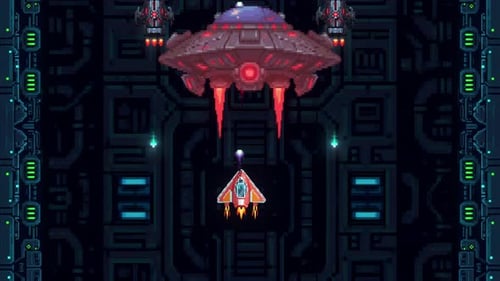
There is a unique, kinetic thrill found in the confined spaces of classic gaming. Whether you are navigating a maze under pressure or dodging pixelated projectiles, single screen arcade challenges define the pure essence of the medium. These titles strip away narrative bloat and open-world distractions, leaving only you, your reflexes, and an ever-climbing difficulty curve. For many, the appeal lies in the pursuit of perfection—mastering a limited environment until every jump, shot, and movement becomes second nature.
However, breaking past your personal best requires more than just raw reaction speed. It demands a deep understanding of game architecture, efficient pathing, and a strategic mindset that balances aggressive play with survival. Whether you are revisiting high score chasing challenges or sharpening your skills in modern indies, this guide will provide the framework you need to conquer the leaderboard. We will explore how to decode enemy AI, optimize your mechanical input, and cultivate the mental clarity required to dominate in these high-intensity environments.
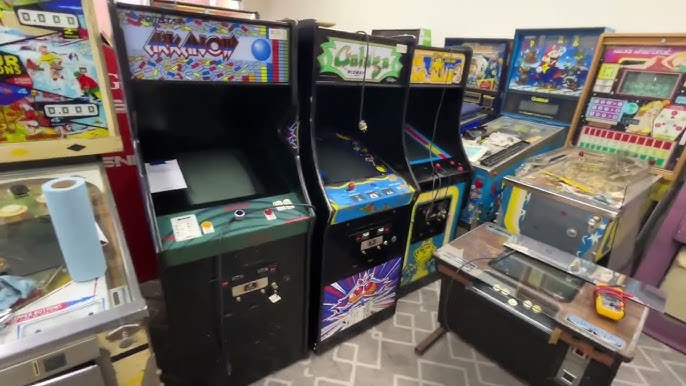
1. Mastering the Mechanics of Single Screen Arcade Challenges
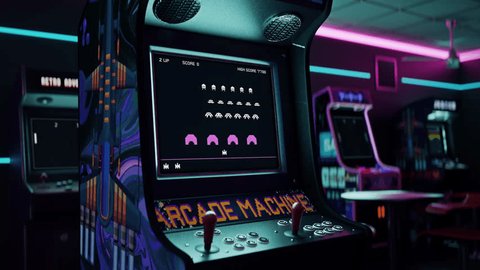
To truly conquer single screen arcade challenges, you must move beyond reflex-based reactions and begin viewing the game as a series of predictable, albeit fast-paced, mathematical events. Success in this genre is rarely about luck; it is about deconstructing the game’s logic until you can anticipate every threat before it appears on screen.
1.1 Analyzing Game Architecture and Enemy AI
Every classic cabinet game relies on a specific set of rules governing how enemies behave and where they appear. Mastering these titles requires you to look past the frantic visuals and identify the underlying programming.
1.1.1 Decoding Spawn Patterns and Loop Cycles
Most single-screen classics operate on strict, recurring loops. Instead of playing reactively, record your gameplay to study enemy movement sequences. Once you recognize the pattern, you can pre-position your character to dismantle threats the moment they spawn. Memorizing these sequences is the fastest way to turn a chaotic level into a scripted performance.
1.1.2 Manipulating Enemy Pathing via Cornering Tactics
Many retro arcade classics utilize basic tracking AI that forces enemies to follow the shortest path to your location. You can exploit this by baiting enemies into corners or specific edges of the screen, effectively “herding” them away from the center. By maintaining control over the enemy’s pathing, you create the breathing room necessary to clear obstacles without being surrounded.
1.1.3 Identifying Safe Zones and Hazard-Free Screen Regions
Even the most intense bullet-hell titles have “dead spots” or brief moments of reprieve. Observe the screen boundaries and static environmental objects where enemy projectiles or collision boxes rarely reach. By memorizing these sanctuary zones, you can retreat to safety to reset your strategy during particularly dense waves of incoming attacks.
1.2 Developing High-Level Mechanical Efficiency
High score chasing challenges demand that your physical inputs are as economical as possible. Efficiency is the difference between a high score and a game-over screen.
1.2.1 Optimizing Movement for Minimal Input Lag
Every millisecond matters in precision platforming arcade games. Practice making the smallest possible adjustments to your character’s position. Avoid over-correcting, as large, sweeping movements often waste time and place you directly in the path of hazards. Aim for fluid, rhythmic inputs that keep your character centered in your active combat zone.
1.2.2 Synchronizing Gameplay with Audio-Visual Cues
Many games provide subtle rhythmic indicators, such as changing music tempos or recurring sound effects, that signal an approaching difficulty spike. By syncing your playstyle to the game’s internal rhythm, you can master reflex based obstacle dodging with greater consistency. Treat the game as a rhythmic dance rather than just a shooting gallery.
1.2.3 Balancing Aggressive Scoring Versus Defensive Survival
The ultimate tension in arcade gaming is the tug-of-war between playing for points and simply staying alive. Aggressive play often involves taking risks for multipliers, while defensive play prioritizes survival above all else. Learn to recognize when your health or remaining lives are low enough to necessitate a shift from scoring mode to a purely defensive posture, ensuring you survive long enough to reach the next big point opportunity.
2. Optimizing Your Setup and Mindset for Single Screen Arcade Challenges
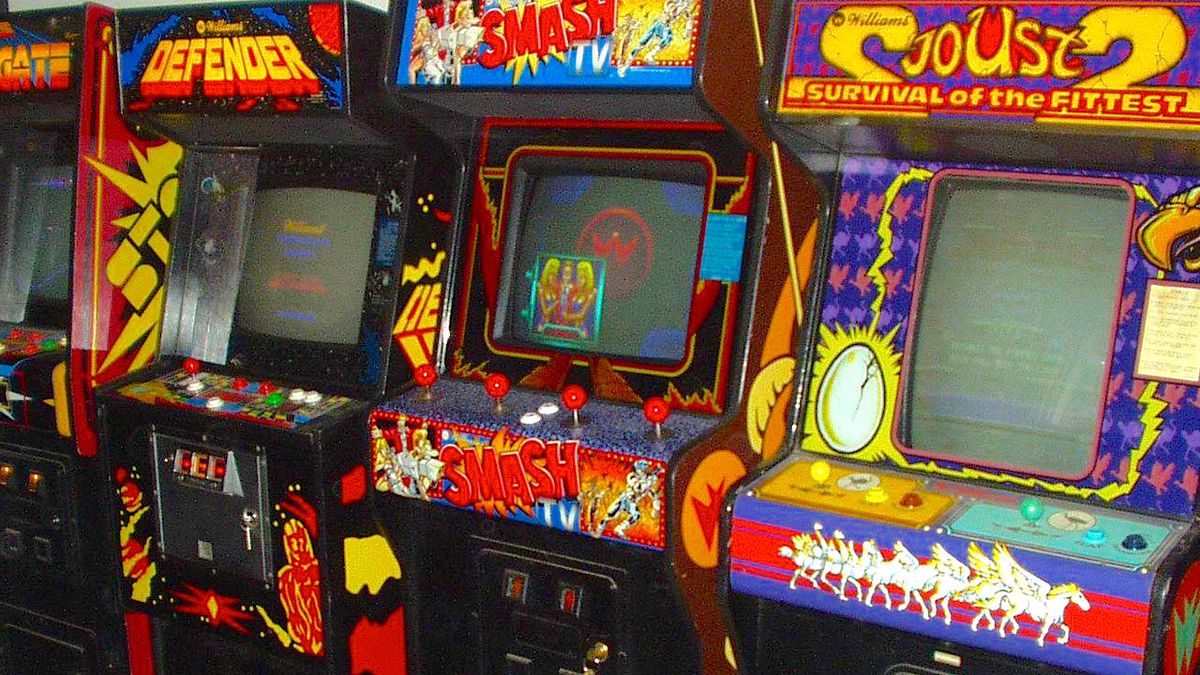
2.1 Hardware and Technical Calibration
2.1.1 Selecting Input Devices for Precision Control
When you are diving into high score chasing challenges, your input device is your most critical interface. Touchscreens often lack the tactile feedback required for split-second adjustments, leading to input errors during intense moments. For the best experience, invest in a dedicated arcade stick or a high-quality mechanical gamepad. The goal is to minimize the travel distance between button presses and ensure that your controller provides a distinct “click” or tactile confirmation. This consistency allows you to build muscle memory, which is essential for precision platforming arcade games where a single misstep results in an immediate game over.
2.1.2 Reducing Latency in Modern Emulated Environments
Modern display technology, while beautiful, is often the primary culprit behind input lag. If you are playing on an emulator, ensure you are running the software in exclusive fullscreen mode to bypass desktop window manager overhead. Disable any “V-Sync” options if the game feels “heavy” or unresponsive, as this often adds frames of delay between your button press and the action on screen. In reflex based obstacle dodging scenarios, even a few milliseconds of lag can render a perfectly timed maneuver impossible to execute.
2.1.3 Calibrating Refresh Rates to Improve Reaction Times
High refresh rate monitors offer a distinct advantage by providing more frequent visual updates of the game state. If your hardware supports it, aim for a 144Hz or higher refresh rate. This fluidity makes it significantly easier to track fast-moving projectiles and enemy patterns, allowing your brain to process information faster. When the screen updates more frequently, you are effectively seeing the game world in “slow motion,” giving you those extra precious frames to navigate through tight gaps.
2.2 Strategies for Long-Term Skill Progression
2.2.1 Implementing Systematic Practice Without Credit Waste
Mastering a game is rarely about playing the same level repeatedly from the start. Instead, break the game into segments. Many emulators allow you to utilize “save states” to practice specific, difficult portions of a stage repeatedly. By isolating the sequences that cause you to lose your run, you can learn the exact timing needed to overcome them without the frustration of replaying the entire game from the first screen.
2.2.2 Utilizing Replay Analysis to Identify Performance Gaps
If your favorite title supports replays, use them to your advantage. Watching your own gameplay back, especially at a slower speed, helps you identify poor habits, such as over-committing to a dangerous path or ignoring efficient scoring opportunities. You can learn more about mastering these loops in our guide to High Score Chasing Challenges: Mastering Retro Arcade Skills.
2.2.3 Maintaining Mental Clarity During High-Intensity Bullet Hell Sequences
Mental burnout is the silent killer of high scores. During high-intensity segments, avoid “tunnel vision” where you only focus on your character. Instead, practice keeping your gaze slightly ahead of your current position. This “soft focus” allows your peripheral vision to track incoming hazards, helping you maintain a calm, reactive state rather than a panicked one.
2.2.4 Transitioning from Casual Play to Leaderboard Competition
Once your fundamentals are solid, move your focus from survival to optimization. Start analyzing the scoring multipliers and hidden bonuses within the game architecture. Professional play is about finding the optimal path through the screen that maximizes both points and safety. By documenting your progress and setting incremental goals, you transform from a casual player into a competitive contender climbing the global rankings.
Mastering single screen arcade challenges is less about raw reflexes and more about developing a deep, rhythmic understanding of game architecture. By shifting your focus from frantic button-mashing to deliberate pattern recognition, you transform these intense sessions into a manageable mental exercise. Whether you are analyzing enemy spawn cycles, perfecting your mechanical efficiency, or calibrating your hardware to minimize input lag, every small adjustment contributes to your overall consistency and ability to climb the leaderboards.
Remember that the path to a high score is a marathon, not a sprint. Consistency is built through systematic practice rather than brute force, and analyzing your own gameplay for performance gaps is the fastest way to overcome plateaus. As you refine your approach to these timeless titles, you will find that the thrill of the chase becomes just as rewarding as the final score itself. If you are ready to apply these refined strategies to a broader range of titles, you can further enhance your skills by exploring our guide on high score chasing challenges. Keep your mindset clear, stay patient, and continue pushing the boundaries of your mechanical precision—your next personal best is well within reach.