Stepping into a high-octane hack and slash combat arena is a true test of focus, coordination, and split-second decision-making. Whether you are navigating chaotic arena deathmatch survival modes or tackling waves of enemies in top-down action brawlers, the line between victory and defeat often comes down to your mastery of movement and offensive rhythm. Success requires more than just button-mashing; it demands a deep understanding of fast-paced reflex action, precise ability timing, and the strategic foresight to outmaneuver opponents before they can surround you.
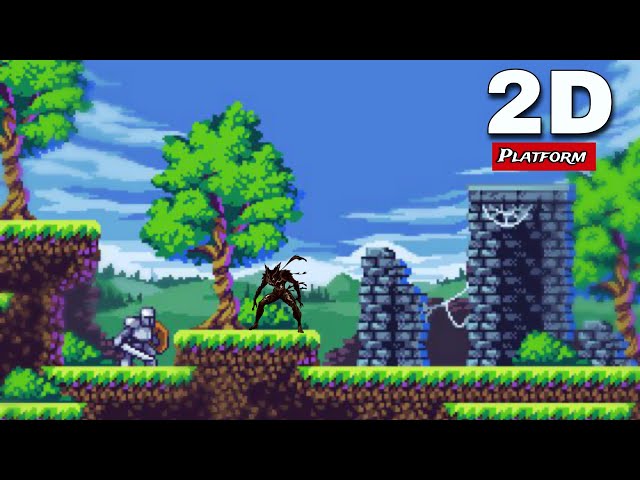
In this guide, we break down the essential tactics you need to dominate the leaderboard. From refining your input execution to optimizing complex hero ability combat games, we provide the practical advice necessary to elevate your playstyle. If you enjoy sharpening your reflexes through high-intensity gameplay, you might also be interested in our tips for mastering platform action games. Get ready to transform your combat efficiency and become an unstoppable force on the battlefield.
1. Mastering Mechanics and Battlefield Tactics in Hack and Slash Combat Arenas
1.1 Core Movement and Defensive Systems
1.1.1 Mastering i-frames and Perfect Dodging
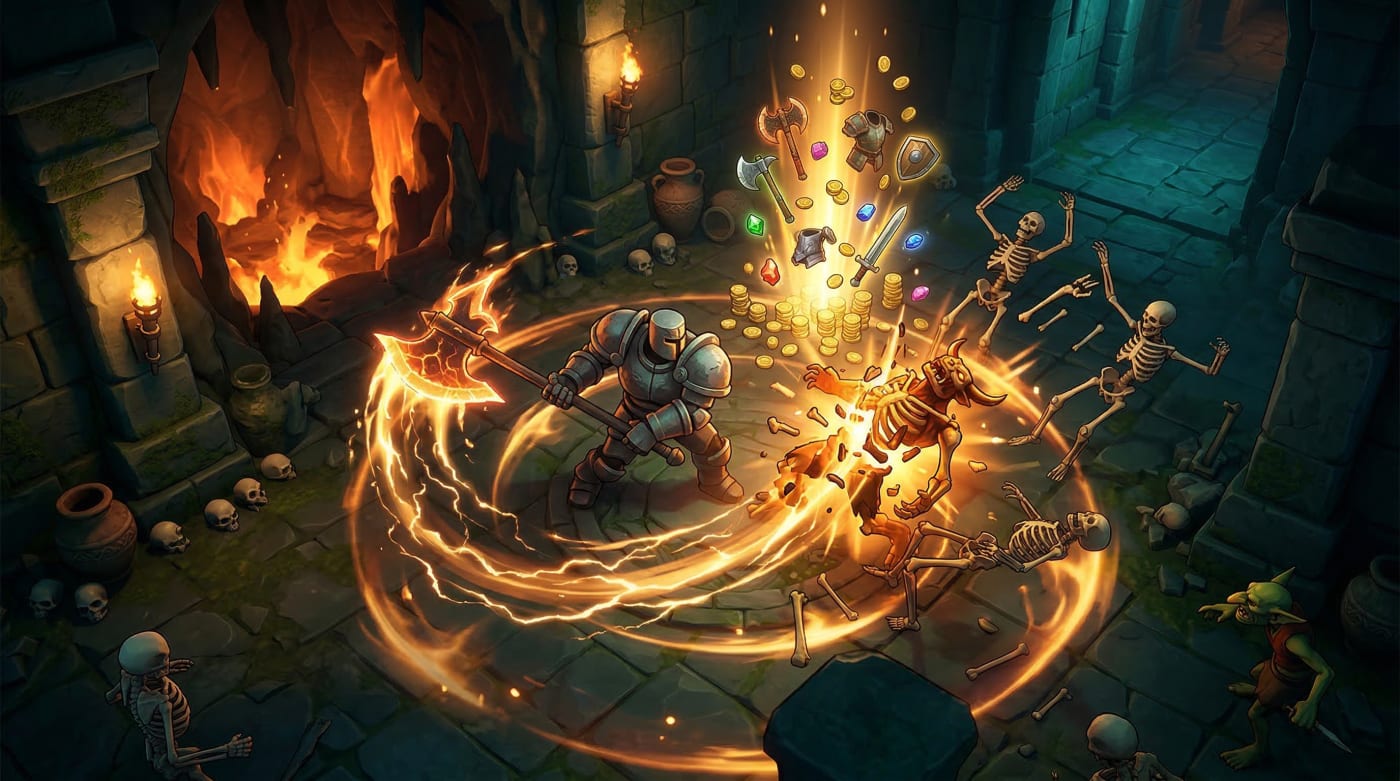
Survival in hack and slash combat arenas often comes down to your mastery of invulnerability frames (i-frames). These are brief windows during a dodge or roll animation where your character is immune to all incoming damage. To succeed, you must learn the specific startup and active frames of your character’s evasion move. Instead of spamming the dodge button, focus on timing your movement to intersect with the enemy’s attack hitbox. A perfect dodge not only keeps you alive but often triggers a slow-motion counter window, allowing you to reposition for a punishing retaliation.
1.1.2 Dash Canceling for Superior Arena Mobility
High-level players utilize dash canceling to maintain flow and momentum. By initiating a dash and immediately following it with an attack or another movement ability, you cut the end-lag animation of your character. This technical maneuver allows you to transition between aggression and evasion instantly. Mastering this rhythm is essential for mastering skill-based combat, as it prevents you from being locked into long, punishable attack animations when the situation shifts.
1.1.3 Strategic Positioning to Avoid Crowd Surrounds
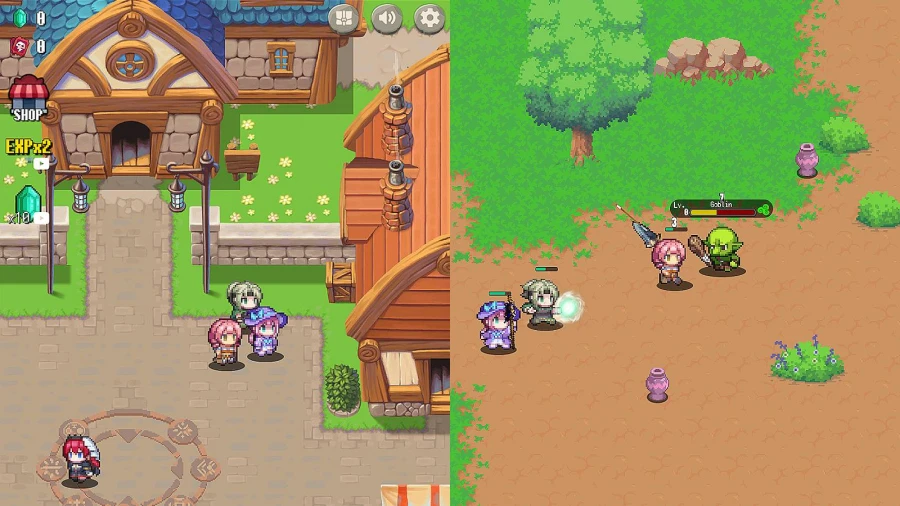
In chaotic arena deathmatch survival modes, being surrounded is a death sentence. Always aim to keep enemies within your field of view by using “kite-and-hit” strategies. If you find yourself in the center of a mob, prioritize movement abilities that offer displacement or area-of-effect crowd control. By constantly strafing and moving toward the edges of the arena, you force the AI or human opponents into a bottleneck, ensuring you only engage a fraction of the total threat at any given time.
1.2 Advanced Offensive Theory
1.2.1 Animation Canceling for Increased DPS
Animation canceling is the cornerstone of professional play. By triggering a new ability or a block exactly as a primary attack animation concludes, you “cancel” the recovery frames. This maximizes your damage-per-second (DPS) and keeps your character responsive. If your game features heavy weapon swings, learn to buffer your next input so the game registers it the millisecond your current attack finishes.
1.2.2 Sequencing Light, Heavy, and Ability Attacks
Most hero ability combat games reward players who understand their character’s optimal combo strings. Start by sequencing light attacks to stagger opponents, followed by heavy finishers to deal burst damage. Save your hero abilities for when the enemy’s guard is broken or their stamina is depleted. This systematic approach ensures you aren’t just mashing buttons but are instead executing a calculated flow that maximizes utility and impact.
1.2.3 Prioritizing Targets Based on Threat Levels
Not all enemies are equal. In any combat arena, you must quickly identify high-priority targets. Always eliminate ranged units or healers first, as they control the battlefield from safety. Use your fast-paced reflex action to weave through front-line “tank” enemies, closing the distance to neutralize those who can disrupt your positioning or sustain their allies.
1.3 Managing Arena Dynamics
1.3.1 Spatial Awareness and Battlefield Hazards
A top-tier player treats the environment as an extension of their arsenal. Use pitfalls, floor spikes, or environmental hazards to your advantage by baiting enemies into them. Keep an eye on the edges of the screen and the minimap to ensure you aren’t accidentally backing into a hazard. Knowing the map layout is just as important as knowing your character’s move set.
1.3.2 Adjusting Strategy for Dynamic Arena Modifiers
Many modern top-down action brawlers feature shifting arena modifiers—like elemental weather or changing gravity—that alter gameplay mid-match. Don’t be afraid to change your item loadout or switch to a more defensive stance when these modifiers activate. Flexibility is the key to longevity in high-intensity environments.
1.3.3 Resource Management Under High-Intensity Pressure
Effective resource management is about knowing exactly when to go all-in and when to retreat. Track your stamina, mana, or cooldowns religiously. Avoid burning your ultimate ability when the enemy is in a defensive state. Instead, track their recovery windows and punish them when they are resource-starved. Maintaining composure while under pressure is what separates casual players from arena legends.
2. Optimizing Character Builds and Competitive Preparation for Hack and Slash Combat Arenas
2.1 Loadout Theorycrafting
2.1.1 Balancing Survivability Against Raw Damage Output
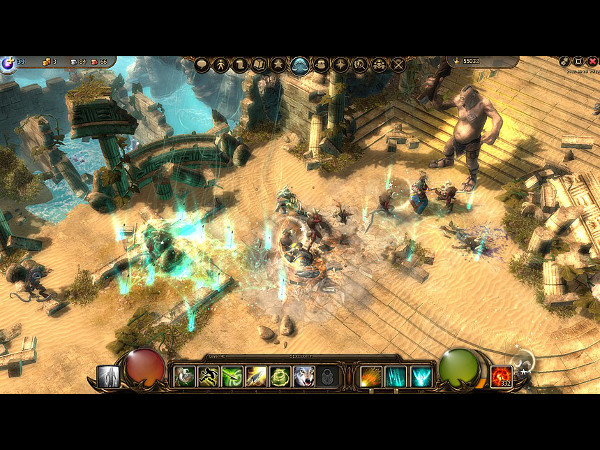
In high-level hack and slash combat arenas, the temptation to stack pure offensive stats is strong, but glass-cannon builds often crumble under the pressure of arena deathmatch survival conditions. Success requires a calculated balance. Prioritize defensive layers—such as elemental resistances or damage reduction percentages—that allow you to survive a single mistake during a chaotic combo. Once your survivability threshold is met, funnel remaining resources into damage multipliers that scale with your specific playstyle, ensuring you can punish enemies before they have a chance to swarm you.
2.1.2 Synergizing Gear Perks with Active Skill Rotations
True optimization comes from deep gear synergy rather than simply equipping items with the highest base stats. Look for gear perks that reduce ability cooldowns or trigger status effects, which can be extended through your active skill rotations. For example, if your hero ability combat games involve crowd control powers, seek out gear that increases damage against debuffed targets. Aligning these pieces ensures your combat flow remains fluid, allowing you to maximize output without losing precious seconds to inefficient ability usage.
2.1.3 Customizing Input Layouts for Faster Response Times
When you are deep into fast-paced reflex action, the difference between a victory and a defeat often comes down to millisecond input delays. Standard controller or keyboard layouts may not cater to complex character kits. Remap critical defensive maneuvers, like dodges or blocks, to easily accessible buttons or triggers that do not require you to take your fingers off the primary movement or aim inputs. By optimizing your physical interface, you lower the cognitive load required to execute complex combos, allowing for more reactive and intuitive gameplay.
2.2 Training Regimens for Professional Play
2.2.1 Drills for Improving Reaction Time and Input Precision
Professional performance in top-down action brawlers requires disciplined practice. Dedicate time to specific drills, such as repeating parry windows against basic enemy AI until your response becomes muscle memory. You should also practice “empty” movement drills, focusing on perfect-distance spacing and dash canceling without the need to attack, which builds the spatial awareness necessary to dominate any arena environment.
2.2.2 Analyzing Gameplay VODs to Correct Mechanical Errors
Reviewing your own gameplay is perhaps the most effective way to identify hidden habits. Record your matches and watch them back specifically to spot where you take unnecessary damage. Are you failing to utilize your defensive cooldowns properly, or are you consistently putting yourself in bad positions? Use these sessions to study your opponent’s patterns, helping you predict enemy movements more accurately in future encounters. For those looking to refine their broader mechanical skills, our guide on best boss fight arena games provides excellent case studies in analyzing boss AI and combat rhythm.
2.2.3 Developing Mental Toughness for High-Stakes Matches
The intensity of competitive arenas can lead to decision fatigue. To combat this, practice staying calm during high-pressure scenarios, such as when your health bar is low or you are outnumbered. Focus on controlled, deliberate inputs rather than “button mashing” out of panic. By maintaining a composed mindset, you ensure that your strategic decision-making remains sharp, even when the match is on the line.
2.3 Expanding Competitive Versatility
2.3.1 Mastering Specialist Archetypes vs Generalist Builds
Generalist builds are excellent for adapting to unknown threats, but mastering a specialist archetype—such as a high-mobility assassin or a tanky crowd-controller—gives you a definitive edge in specific team compositions. Learn to recognize when your current setup is being hard-countered and develop a secondary hero build that fills a different strategic niche. Having this versatility forces opponents to adjust to you, rather than the other way around.
2.3.2 Adapting Playstyles to Counter Diverse Enemy AI
Arena games often feature enemy AI with distinct aggression tiers and attack patterns. Rather than using a one-size-fits-all approach, categorize your enemies by threat level. Some AI respond better to aggressive interrupts, while others require baiting and counter-attacking. Versatility means recognizing these archetypes instantly and swapping your target priority and engagement distance to exploit their specific weaknesses.
2.3.3 Scaling Performance Through Consistent Practice Cycles
Consistency is the hallmark of a high-tier player. Rather than marathon sessions, adopt a structured practice cycle that breaks down your training into focused segments: mechanics, strategy, and mental endurance. By keeping your training sessions intense but manageable, you prevent burnout and ensure that every hour spent in the arena is geared toward incremental, long-term improvement in your overall combat performance.
Mastering hack and slash combat arenas is a journey of constant iteration. By focusing on your core movement—specifically timing those crucial i-frames and perfecting your dash cancels—you transform from a button-masher into a tactical powerhouse. Remember that success in fast-paced reflex action environments is rarely about raw speed alone; it is about your ability to read the battlefield, prioritize threats, and manage your hero ability combat games cooldowns with precision. Whether you are climbing the leaderboards or simply looking to survive longer in a brutal arena deathmatch, consistent practice and the willingness to review your own gameplay are what ultimately separate the casual player from the elite.
As you continue to refine your builds and optimize your input layouts, keep experimenting with different archetypes to find what suits your playstyle best. The transition from survival to dominance is earned through every animation-canceled strike and every perfectly timed defensive maneuver. If you find yourself hitting a plateau in your mechanical progress, consider diversifying your skillset by applying these same concepts to mastering skill-based combat in other challenging arena titles. Your reflexes are a muscle that grows with every match, so stay patient, stay observant, and keep pushing your limits in the arena. See you on the leaderboard.