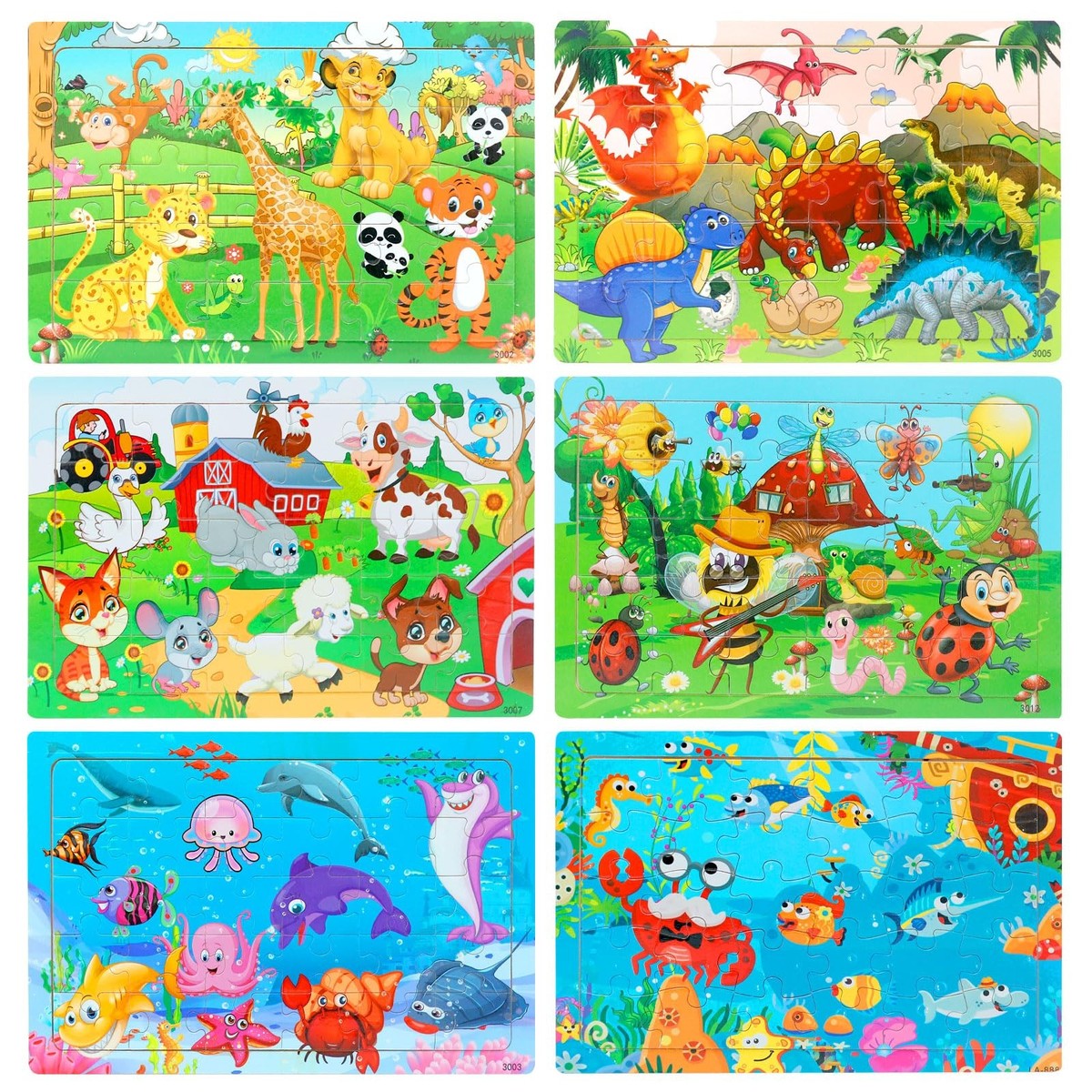
There is something uniquely satisfying about watching a child find that elusive final piece to a puzzle. Beyond the quiet focus and the inevitable cheer of success, kids jigsaw puzzles serve as one of the most effective tools for fostering long-term developmental growth. While they are often viewed simply as a rainy-day activity, these puzzles act as complex brain exercises that bridge the gap between physical coordination and critical thinking. From the chunky, tactile nature of toddler floor sets to the intricate logic required for advanced 3D jigsaw puzzles, selecting the right challenge for your child’s current skill level is essential to keeping them engaged without causing frustration.
In this guide, we will explore how to navigate the vast world of puzzles to find the perfect fit for every age group. Whether you are looking for classic animal jigsaw puzzles to inspire a love for nature or need advice on encouraging patience in early learners, you will discover practical strategies for selecting, sorting, and preserving these educational treasures while turning screen-free time into a meaningful bonding experience.
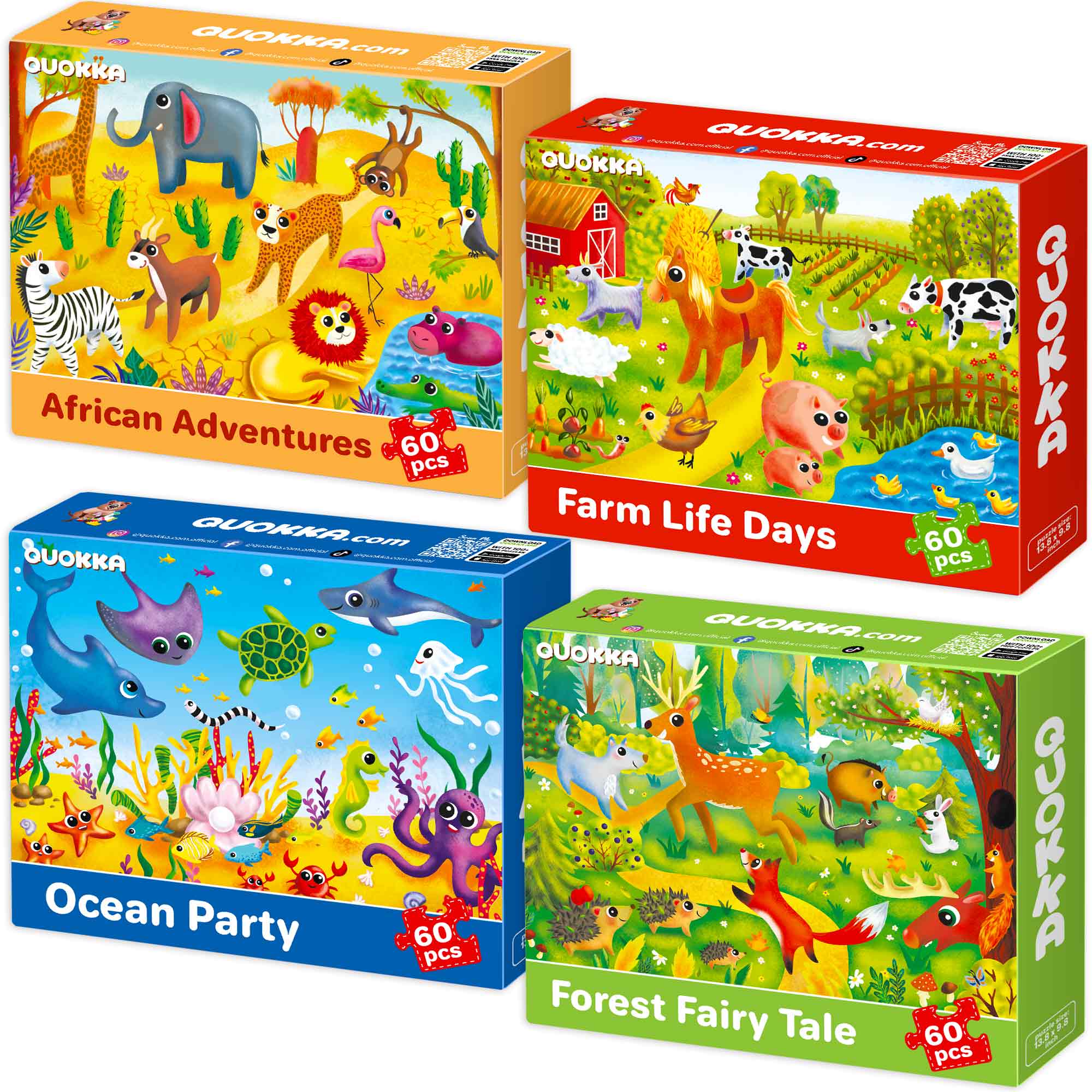
1. Navigating the Developmental Benefits and Selection of Kids Jigsaw Puzzles
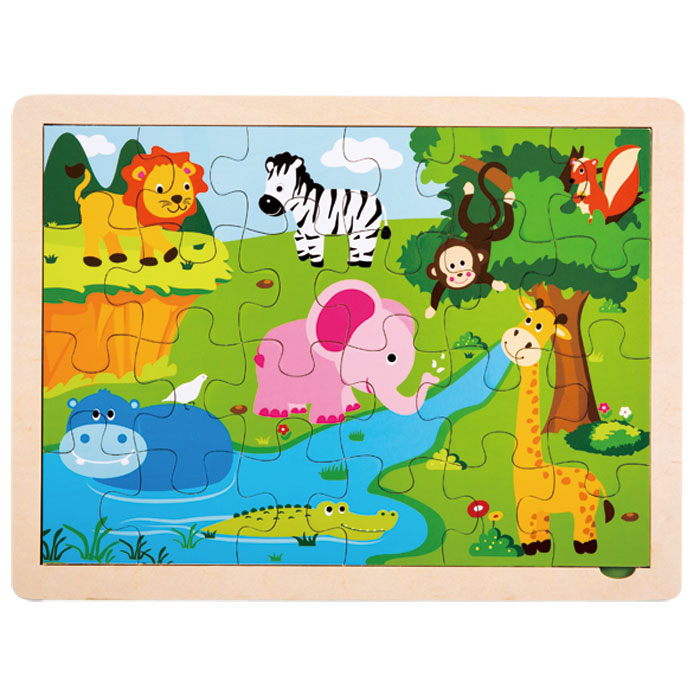
1.1 The Cognitive and Motor Milestones of Puzzling
1.1.1 Enhancing Fine Motor Skills Through Tactile Manipulation
Engaging with kids jigsaw puzzles is more than a quiet afternoon activity; it is a foundational workout for a child’s physical development. Picking up, rotating, and slotting pieces requires precise hand-eye coordination and the refinement of the pincer grasp. For younger children, manipulating chunky pieces helps strengthen the small muscles in their fingers and hands, which are essential precursors for holding a pencil and writing. As they grow and handle smaller, more intricate shapes, this tactile process builds manual dexterity and control.
1.1.2 Building Spatial Reasoning and Pattern Recognition
Beyond the physical benefits, puzzles serve as a primary tool for developing spatial intelligence. Children learn to visualize how shapes fit together and understand how individual pieces contribute to a larger, cohesive image. By scanning for colors, textures, and edges, they are constantly practicing pattern recognition and logical deduction. Whether they are piecing together vibrant animal jigsaw puzzles or complex maps, children are training their brains to interpret visual data, a skill that translates directly into later success in geometry and science.
1.1.3 Cultivating Executive Function, Patience, and Focus
The act of completing a puzzle requires sustained attention and the ability to organize tasks—key elements of executive function. Puzzling invites children to step back, observe the entire frame, and devise a strategy for completion. This process inherently teaches patience; there is no instant gratification in a 100-piece challenge. Successfully managing frustration when a piece does not fit encourages emotional resilience, teaching kids that persistent effort leads to satisfying results.
1.2 Strategic Age-Based Selection Guides
1.2.1 Toddlerhood: Chunky Pegs and Floor Puzzles for Ages 1 to 2
At this stage, the focus should be on simplicity and durability. Look for wooden peg puzzles or oversized floor puzzles with thick cardboard. These designs are easy for small hands to grasp and feature familiar, high-contrast subjects that capture a toddler’s limited attention span.
1.2.2 Preschool Foundations: Interlocking Pieces for Ages 3 to 5
As children move into preschool, they begin to understand the concept of interlocking shapes. Aim for puzzles with 12 to 50 large pieces. This is an ideal time to introduce themes they love, such as animals or favorite vehicles, which keeps them motivated to finish the set.
1.2.3 Early Elementary: Complex Themes and Higher Counts for Ages 6 to 9
Once children reach school age, their cognitive capacity for detail grows. Transition them to puzzles containing 100 to 300 pieces. This age range is perfect for introducing landscape jigsaw puzzles or intricate scientific illustrations that provide a greater challenge and longer engagement times.
1.2.4 Tween Milestones: Advanced Gradients and 300+ Piece Challenges
Tweens are ready for high-piece counts and complex artistic styles. Beyond traditional flat puzzles, this is the perfect time to introduce 3D jigsaw puzzles. These structural challenges offer a different kind of spatial problem-solving that is highly engaging for older kids looking for a tactile, rewarding experience. If your child enjoys building worlds and problem-solving, exploring different types of geography learning games can further complement their analytical growth.
1.3 Essential Criteria for High-Quality Puzzle Purchases
1.3.1 Material Standards: Sustainable Wood Versus Durable Cardboard
Quality matters significantly for the longevity of the toy. Sustainable wood is excellent for younger children due to its weight and resistance to wear. For older children, high-quality, multi-layered cardboard is the standard, offering a better tactile “click” when pieces join.
1.3.2 Assessing Cut Precision and Snug-Fit Mechanics
Poorly cut puzzles lead to frustration, where pieces seem to fit in multiple spots incorrectly. Look for brands that prioritize precise die-cutting to ensure each piece has a unique shape and a tight, reliable fit.
1.3.3 The Impact of Anti-Glare Finishes on Visual Comfort
Reflective finishes can be distracting and cause eye strain during long sessions. Always opt for puzzles with a matte or linen-finish texture, which reduces glare and makes it easier for the child to see the details on each piece under various lighting conditions.
1.3.4 Evaluating Print Resolution and Artistic Clarity
The visual quality of the image defines the difficulty. Sharp, high-resolution prints allow children to distinguish small differences in color and pattern. Avoid grainy or blurry images, as they make it unnecessarily difficult for a child to identify where a piece belongs.
2. Optimizing Learning Outcomes and Play Strategies for Kids Jigsaw Puzzles
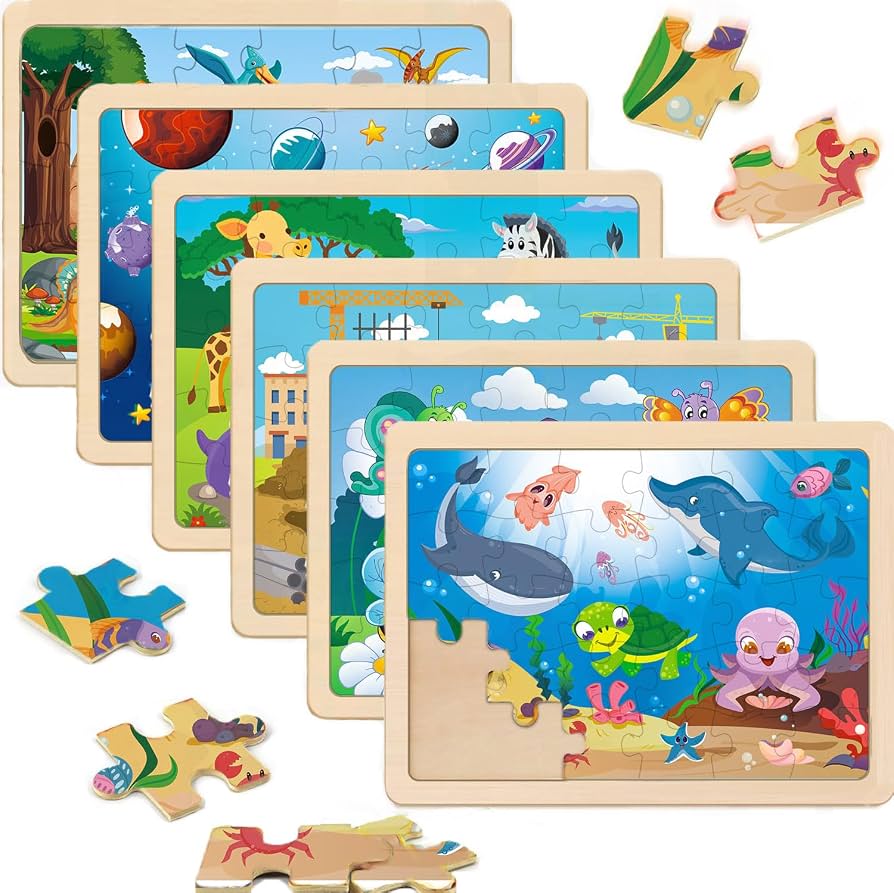
2.1 Aligning Puzzle Themes with Educational Objectives
Selecting the right imagery is about more than just aesthetics; it is an opportunity to reinforce concepts your child is learning in school or through their own interests. By matching a puzzle’s theme to your child’s developmental stage, you can turn a quiet afternoon activity into a powerful learning session.
2.1.1 Incorporating STEM: Astronomy, Geography, and Mechanics
Puzzles featuring solar systems, global maps, or intricate machine parts act as tactile learning aids. When children piece together a world map or a constellation chart, they are engaging in spatial and visual learning that reinforces geography and science lessons. For those interested in how things work, look for detailed illustrations of engines or clockwork that challenge older children to recognize structural patterns and functional relationships. If you want to expand their world-view, checking out resources like best geography learning games: boost skills & retention can provide complementary activities to deepen their spatial awareness.
2.1.2 Fostering Cultural Appreciation Through Diverse Illustrations
Jigsaw puzzles are an excellent medium for introducing diverse art styles, historical scenes, and cultural traditions. By selecting themes that feature global festivals, architectural landmarks, or varied artistic representations, parents help children develop empathy and curiosity about the wider world. This visual exposure encourages meaningful conversations about different ways of life.
2.1.3 Encouraging Cooperative Play via Oversized Collaborative Sets
Oversized floor puzzles are specifically designed for communal play. Because they are large, multiple children can work from different angles simultaneously. This setup is perfect for teaching turn-taking, communication, and collective problem-solving, as participants must negotiate space and share strategies to complete the image.
2.2 Proven Methods for Growth and Troubleshooting
2.2.1 Implementing Scaffolding Techniques to Manage Frustration
If a puzzle feels overwhelming, offer gentle “scaffolding” rather than solving it for them. You might start by sorting pieces together, identifying just the corners, or completing one distinct section. This keeps the child involved while reducing the sheer volume of choices, helping them build confidence without the burnout.
2.2.2 Sorting Methods: Mastering Edges and Color Grouping
Teaching a systematic approach is a lifelong skill. Encourage your child to flip all pieces face-up first, then group them by color, texture, or recognizable patterns. Mastering the “edges-first” strategy is the classic entry point for most kids, providing a clear frame of reference that makes filling in the middle significantly less daunting.
2.2.3 Best Practices for Storing and Preserving Completed Works
To keep sets intact, invest in dedicated puzzle trays or reusable zip-top bags. If a child wants to preserve a favorite completed puzzle, use puzzle glue or adhesive backing sheets designed for crafters. Always store puzzles flat in a cool, dry place to prevent the cardboard from warping or the edges from fraying over time.
2.3 Frequently Asked Questions
2.3.1 Identifying Signs That a Puzzle Is Beyond a Child’s Skill Level
If a child becomes repeatedly frustrated, loses interest within minutes, or stops attempting to find matches, the difficulty level is likely too high. Look for signs like frequent fidgeting or turning to other toys, which often indicate the challenge has moved from “engaging” to “discouraging.”
2.3.2 Determining the Suitability of 3D Puzzles for Younger Children
While 3D jigsaw puzzles are excellent for spatial reasoning, they require a higher level of dexterity. They are typically best for children ages eight and up who have already mastered flat puzzles and are ready for the added complexity of vertical construction and locking tabs.
2.3.3 Practical Strategies for Preventing Lost Puzzle Pieces
Designate a “puzzle zone”—a specific mat or tray that stays off the floor. Establishing a rule that pieces never leave the table or mat is the most effective way to ensure everything stays in one place until the final piece is snapped in.
2.3.4 The Debate: Character Themes Versus Abstract Patterns
Character-based themes are vital for younger children, as familiar faces provide immediate motivation. However, as children grow, introducing abstract patterns or fine-art landscapes helps them focus on shape, color, and texture rather than just relying on recognizable pictures.
2.3.5 Leveraging Puzzling as a Tool for Screen-Time Management
Puzzles provide the same dopamine hit and visual stimulation as digital media but with the added benefits of physical movement and focus. Using a puzzle as a post-school transition activity is a highly effective, low-stress way to decompress and reset before moving on to homework or bedtime routines.
Selecting the right kids jigsaw puzzles is about more than just finding a way to fill an afternoon; it is an investment in your child’s cognitive and emotional growth. By aligning the puzzle’s complexity with your child’s developmental stage, you turn a simple pastime into a powerful tool for building patience, fine motor skills, and spatial reasoning. Whether you are starting with chunky wooden pieces or moving on to intricate 3D jigsaw puzzles, the key is to prioritize quality, durability, and themes that genuinely spark their curiosity.
Remember that the process of puzzling should always remain an enjoyable challenge rather than a source of stress. Use the scaffolding techniques and sorting strategies we have discussed to keep frustration at bay, ensuring that every session builds confidence alongside skill. As you cultivate this quiet, focused hobby, you are also helping your children develop the executive function they need for success in school and beyond. If you find your family falling in love with the world of brain teasers and logic, explore our guide on the best mystery adventure games for even more ways to challenge your kids’ growing minds. Happy puzzling, and enjoy the screen-free memories you build together.