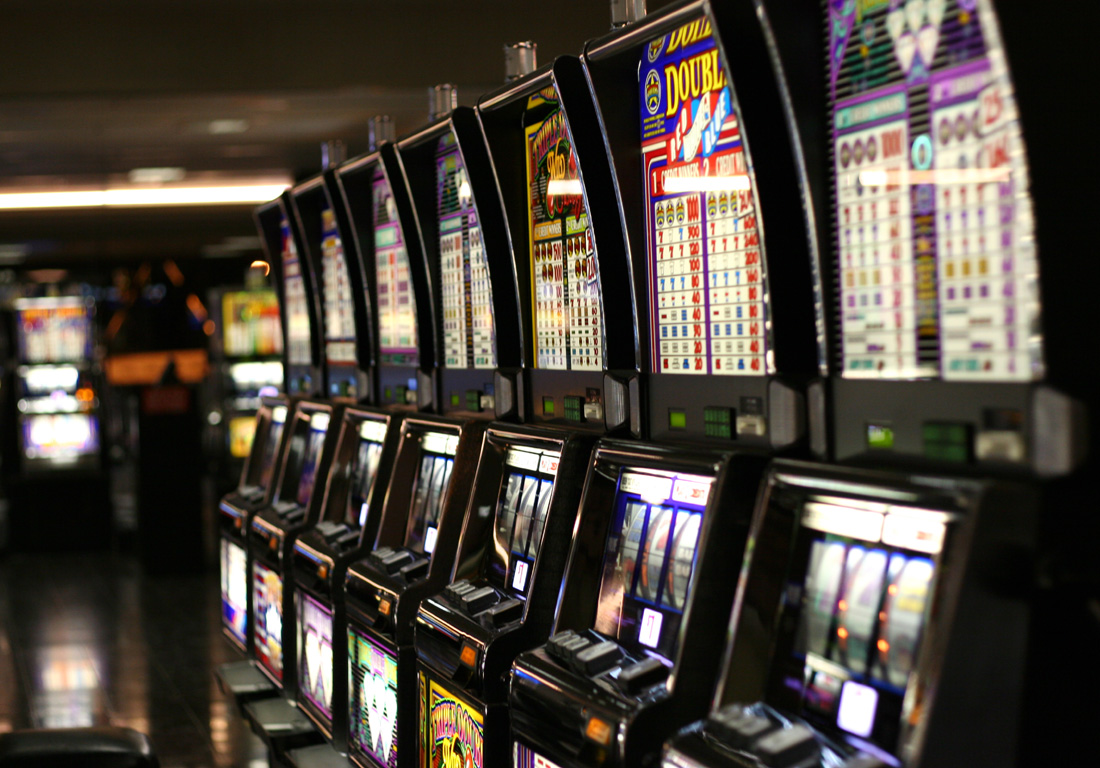
Stepping onto a casino floor or opening a digital lobby, the sheer variety of slot machine games can feel overwhelming. While the flashing lights and immersive themes are designed to entertain, beneath the surface lies a complex world of probability, mathematics, and psychological design. Whether you are a casual player curious about how these machines function or an enthusiast looking to sharpen your approach, understanding the reality of these games is essential for a balanced experience. Unlike skill-based favorites where you might employ a rigorous blackjack card strategy to influence the outcome, slots operate on distinct algorithmic principles that prioritize chance.
In this guide, we will peel back the curtain on how these machines work, debunk common myths surrounding cycles, and explore how casino simulation games can provide a risk-free environment for testing your theories. You will learn to navigate the math behind the reels, manage your sessions with professional discipline, and distinguish between entertaining gameplay and strategic betting. By moving from intuition to data-driven play, you can approach the machines with a clearer, more informed mindset.

1. Fundamentals and Mechanics of Slot Machine Games

1.1 Deciphering the Math Behind the Reels
1.1.1 How Random Number Generators Ensure Fair Outcomes
Modern slot machine games are powered by sophisticated algorithms known as Random Number Generators (RNGs). An RNG is a computer program that continuously cycles through millions of possible number combinations per second. When you press the spin button, the software selects the specific sequence present at that exact millisecond. Because the process is entirely independent of previous results or the physical state of the machine, it ensures that every spin is statistically isolated and fair.
1.1.2 Interpreting Return to Player Percentages and House Edge
The Return to Player (RTP) percentage represents the theoretical amount of money a game will pay back to players over millions of spins. If a game has an RTP of 96%, it implies that for every $100 wagered, the machine is programmed to return $96 over the long term. The remaining 4% is the house edge, which ensures the casino remains profitable. It is important to remember that RTP is a long-term mathematical projection and does not guarantee results for any individual session.
1.1.3 Understanding Volatility and Hit Frequency Dynamics
Volatility, or variance, describes the risk profile of a slot machine. High-volatility games pay out larger jackpots but do so infrequently, often leading to long dry spells. Low-volatility games provide frequent, smaller wins, keeping your bankroll stable for longer durations. Hit frequency is the percentage of spins that result in a winning combination. Players who enjoy consistent action often prefer high-hit-frequency games, while those seeking life-changing payouts usually gravitate toward high-volatility titles.
1.2 Strategic Selection of Slot Machine Games
1.2.1 Matching Game Mechanics to Your Risk Appetite
Choosing the right game is about aligning your goals with the machine’s math. If your objective is extended playtime, look for low-volatility titles that prioritize small, steady returns. If you are chasing a specific goal, such as a major bonus feature, high-volatility games are necessary. Much like how one might approach casual simulation games, success in slots requires understanding the underlying rules to avoid unexpected depletion of your resources.
1.2.2 The Role of Paylines and Payout Structures in Betting
Modern slots feature varying structures, ranging from traditional paylines to “ways-to-win” systems. In traditional games, you must land symbols on specific active lines to win. In “ways” games, symbols simply need to appear on adjacent reels. Adjusting your bet size based on these structures is crucial. High-payline games often require higher minimum bets to cover all possibilities, which can impact your session duration significantly.
1.2.3 Assessing Progressive Jackpots Versus Base Game Volatility
Progressive jackpots are pools that grow with every wager placed across a network of machines. While enticing, these games often feature a lower base-game RTP to compensate for the massive top prize. If you prefer steady play, focus on games with high base-game payouts rather than those funneling a large percentage of revenue into a jackpot that rarely hits.
1.3 Debunking Prevailing Casino Myths
1.3.1 Why Hot and Cold Cycles Are Mathematical Illusions
A common misconception is that a machine is “due” for a win after a long series of losses. In reality, slots have no memory. The probability of hitting a jackpot is exactly the same on every single spin, regardless of whether the machine just paid out or has been cold for hours. Treating sequences as “streaks” is a psychological trap rather than a sound betting strategy.
1.3.2 The Reality of Stopping Reels and Betting Patterns
Many players believe that stopping the reels early or changing the size of their bets will influence the outcome. Because the result of the spin is determined the moment you hit the button—thanks to the RNG—manually stopping the animation only affects the visual display. Similarly, shifting your betting patterns does not alter the machine’s internal logic or probability. Understanding this helps maintain a focus on responsible play rather than attempting to “outsmart” the software.
2. Advanced Management and Data-Driven Simulation Strategies
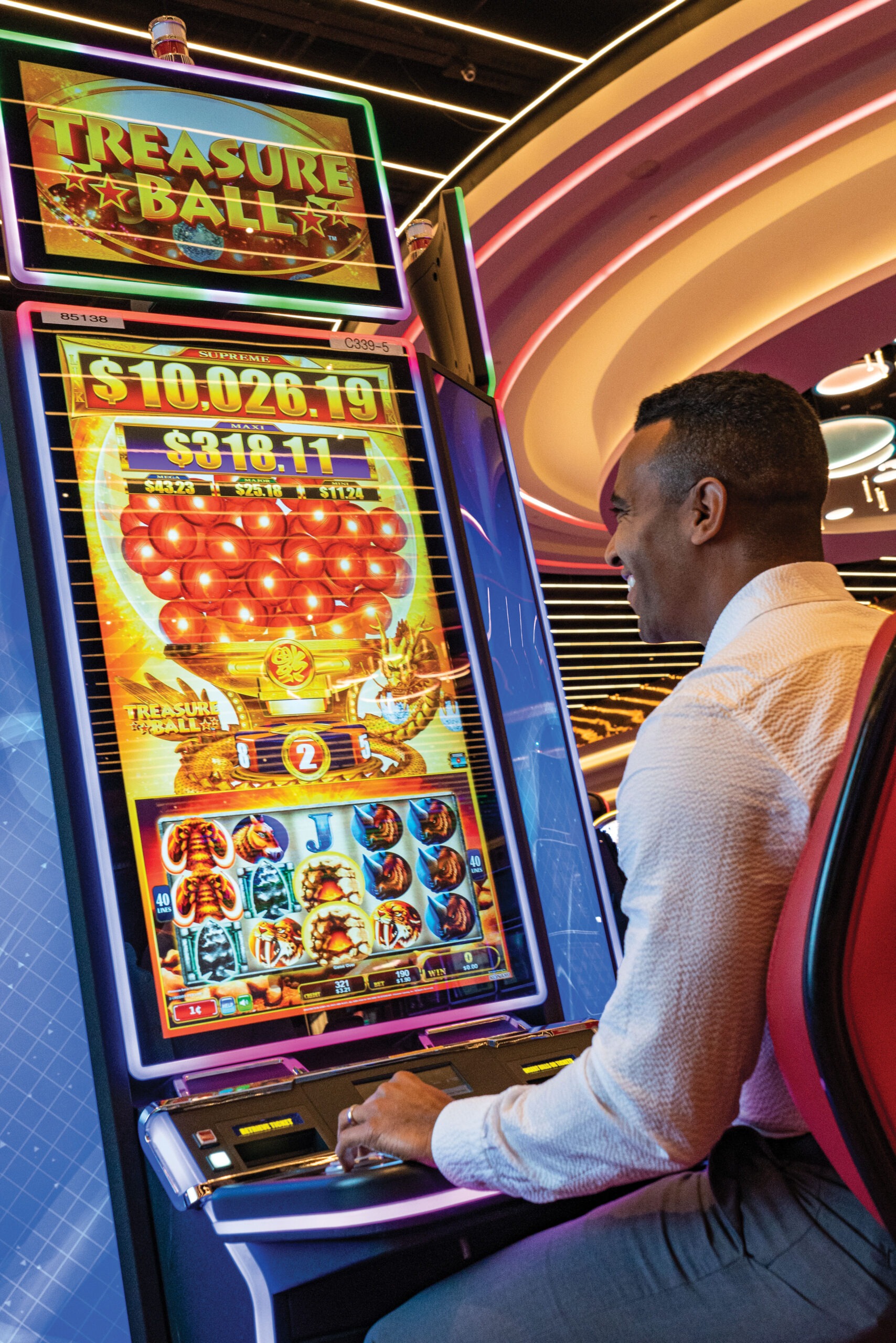
Approaching slot machine games with a structured, professional mindset is the most effective way to protect your resources. While many players treat these games as purely spontaneous entertainment, experienced gamblers view their bankroll as a finite business asset. By treating every session as an exercise in risk management rather than a pursuit of instant wealth, you can extend your playtime and potentially improve your overall experience.
2.1 Professional Bankroll and Session Management
Managing your money begins with the understanding that every spin has a predetermined outcome. Establishing a firm budget before you sit down—whether at a physical cabinet or through an online interface—is non-negotiable.
2.1.1 Establishing Strict Loss Limits and Stop-Win Targets
Determine exactly how much you are comfortable losing in a single session. Once you hit that threshold, walk away immediately. Conversely, set a “stop-win” target. If you reach a certain profit level, withdraw your initial investment and play only with your winnings, or conclude the session entirely. This disciplined approach prevents the common pitfall of giving back early gains during a losing streak.
2.1.2 Calculating Spin Capacity Based on Session Budgets
To ensure you get the most out of your bankroll, calculate your “spin capacity.” If you have a 100-dollar budget and play at a cost of 1 dollar per spin, you have 100 opportunities to trigger a bonus feature. If that duration feels too short, lower your bet size to extend your time on device. Understanding how to use idle or simulation games can help you practice these pacing strategies without financial risk.
2.1.3 Leveraging Loyalty Programs and Comps to Enhance Value
Always utilize the casino’s loyalty or player rewards program. Even when you are not winning on the reels, you are accumulating points that translate into tangible value, such as free play, meals, or hotel stays. Treat these as a “rebate” on your play, effectively lowering the overall house edge.
2.2 Utilizing Simulation to Master Slot Machine Games
Technology allows players to analyze game mechanics through digital modeling. Unlike poker simulation games that focus on human psychology and skill, slot simulations focus purely on statistical probability and variance.
2.2.1 Implementing Statistical Modeling to Predict Long-Term Variance
High-volatility machines are designed to pay out larger sums less frequently, while low-volatility games provide steady, smaller wins. By using statistical modeling, you can analyze the theoretical payout structure of a game to determine if it aligns with your specific risk appetite.
2.2.2 Using Free Play Demo Modes to Analyze Feature Triggers
Most reputable game developers offer “demo” or “practice” versions of their slots. Use these to study how often bonus rounds or free spins trigger. By playing these versions, you gain a sense of the game’s rhythm without risking real capital, allowing you to decide if a machine’s mechanics are worth your actual time and money.
2.2.3 Testing Betting Sequences Through Digital Simulation Tools
Some software allows you to run millions of simulated spins to see how specific betting sequences hold up against the house edge. While this cannot predict individual outcomes, it helps you identify which betting patterns lead to faster depletion of funds versus those that provide a more stable, prolonged session.
2.3 Psychology and Responsible Play Protocols
Modern gaming environments are intentionally engineered to influence your behavior. Understanding the psychology behind these designs is a key pillar of responsible play.
2.3.1 Identifying Sensory Cues Designed to Influence Play Duration
Casinos often use bright lights, ambient music, and “near-miss” animations to keep you engaged. These sensory inputs can create a false sense of being “due” for a win. Recognizing that these elements are designed for engagement—not to increase your odds—is essential for maintaining objectivity.
2.3.2 Recognizing Cognitive Biases and Emotional Tilt
The “Gambler’s Fallacy” is the belief that because a machine has not paid out recently, it is “due” for a win. This is a mathematical error. Similarly, “emotional tilt”—playing recklessly due to frustration or excitement—is the fastest way to deplete a bankroll. Step away from the machine if you find your emotions dictating your bet sizes.
2.3.3 Setting Hard Boundaries for Responsible Gambling
Beyond financial limits, set time limits. Use alarms to track your sessions and never play while under the influence of substances that impair judgment. Remember that slot machines are designed for entertainment, and the primary goal should always be to stay within your means and enjoy the process without compromise.
Mastering the world of slot machine games requires a shift in perspective, moving away from the belief in lucky streaks and toward a grounded understanding of probability and self-discipline. By demystifying the role of random number generators, acknowledging the mathematical reality of house edges, and utilizing simulation tools to test betting patterns, you can transform your approach from passive gambling to informed play. Whether you are curious about the technical precision of digital reels or interested in how these systems compare to the skill-based nuances found in poker simulation games, the core lesson remains the same: knowledge is your most effective tool.
Ultimately, the most successful players are those who treat their bankroll with respect and their time with intention. By setting firm limits, recognizing the psychological triggers built into modern game design, and viewing casino entertainment as a controlled expense rather than an income stream, you ensure that your experience remains enjoyable. Responsible play is not a restriction; it is the foundation of a sustainable gaming strategy. Always remember that the house holds the advantage by design, so stay disciplined, keep your expectations realistic, and prioritize the fun of the game over the allure of a quick payout.