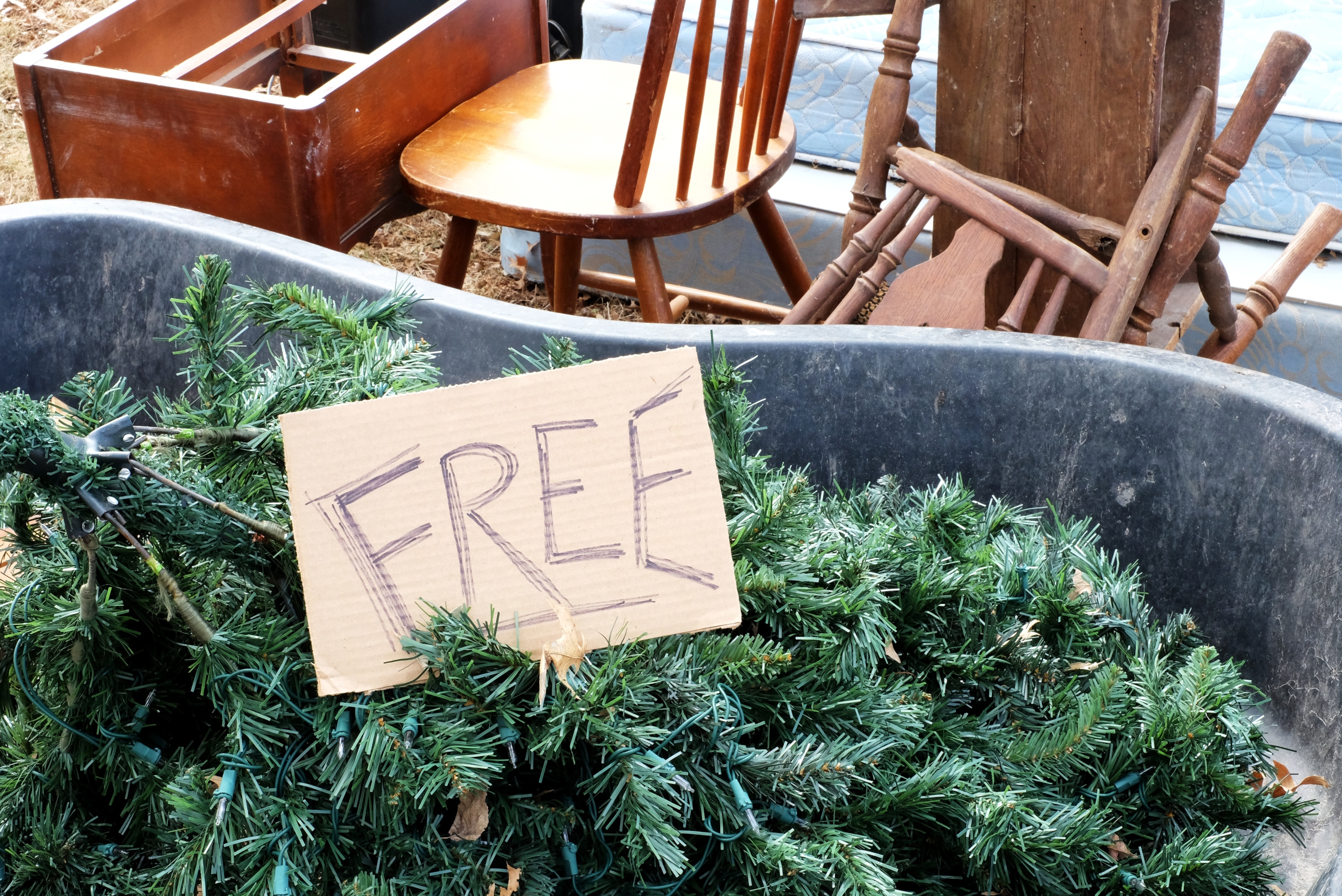

Imagine a neighborhood where one person’s dusty bookshelf becomes another person’s home-office hero, a baby swing gets a second act, and a perfectly good toaster avoids the landfill because someone nearby still believes in breakfast. That, in a nutshell, is the magic of the Freecycle Network.
The Freecycle Network is a nonprofit, grassroots online community where people give away items they no longer need and receive useful things from others, completely free. No bargaining. No “best offer.” No awkward haggling over a lamp that has clearly lived a full emotional life. The idea is simple: keep usable stuff out of landfills, help neighbors save money, and make it easier to reuse than to throw away.
If you are trying to spend less, declutter your home, furnish an apartment, reduce waste, or simply enjoy the thrill of finding a free treasure, Freecycle can be surprisingly powerful. It sits at the sweet spot between personal finance, sustainability, and community kindness. Think of it as the anti-shopping mall: less swipe, more share.
What Is the Freecycle Network?
The Freecycle Network is an online gifting platform built around local groups. Members post items they want to give away or items they are hoping to find. Other members respond, and the giver and receiver arrange pickup. Everything must be free, legal, appropriate, and offered with no strings attached.
Freecycle began in Tucson, Arizona, in 2003 and has grown into a large international reuse community. Its mission is centered on reducing waste, saving resources, and easing the burden on landfills while helping people benefit from local generosity. Unlike resale sites, Freecycle is not about making money. Unlike traditional charity drop-offs, it often connects the item directly with someone who wants it right now.
That direct connection is what makes Freecycle different. A chair does not need to sit in a donation center, wait for sorting, get priced, and hope for a buyer. It can go from your garage to a neighbor’s kitchen in one afternoon. The chair gets a second life, your garage gets oxygen, and everyone wins except the spider who had claimed the chair as a vacation property.
How Does Freecycle Work?
Using Freecycle is refreshingly straightforward. You create an account, join a local town group, and start browsing posts. Posts generally fall into two main categories: “Offer” and “Wanted.” An offer post means someone has something to give away. A wanted post means someone is looking for a specific item.
Offer Posts
An offer post might say, “Free wooden desk, good condition, pickup near downtown,” or “Box of toddler clothes, sizes 2T to 3T.” Good posts usually include a clear description, condition notes, pickup area, and sometimes a photo. The more honest the description, the better. “Gently used” should not mean “survived three dogs, two toddlers, and one mysterious basement flood.”
Wanted Posts
Wanted posts allow members to ask for things they need. Someone might request moving boxes, garden pots, a working microwave, craft supplies, or a spare bicycle. The best wanted posts are polite, specific, and realistic. Asking for “a basic kitchen table” is reasonable. Asking for “a brand-new designer sectional delivered by a singing butler” may be spiritually ambitious.
Pickup Arrangements
Once a member responds, the giver chooses who receives the item and arranges pickup details. Some people use porch pickup. Others prefer public locations, apartment lobbies, or scheduled handoffs. The platform helps make the introduction, but members handle the actual exchange.
Why Freecycle Is Popular With Budget-Minded People
Freecycle is a natural fit for people who want to save money. Household goods, furniture, baby items, books, tools, small appliances, office supplies, holiday decorations, and gardening materials can add up quickly when purchased new. Getting even a few useful items for free can make a real difference, especially for students, families, new homeowners, renters, and anyone rebuilding after a move.
For example, a person setting up a first apartment might find a coffee table, dishes, lamps, storage bins, and a desk chair through Freecycle. None of these items needs to be fancy to be useful. In fact, the slightly mismatched “collected over time” look is now basically a design style. Call it “budget eclectic” and act confident.
Freecycle can also help during short-term life transitions. Need moving boxes? Someone who just moved may have a garage full of them. Need a baby gate for a visiting niece? Another family may have one sitting unused. Need plant cuttings because your windowsill looks sad? There is probably a generous gardener nearby with a pothos that has achieved world domination.
The Environmental Benefits of Freecycling
Freecycle is not only about free stuff. It is also about reuse, which is one of the most effective ways to reduce waste. When an item is reused, it avoids disposal and delays or prevents the need to buy something new. That matters because manufacturing, packaging, shipping, and discarding products all consume resources.
The environmental logic is beautifully simple: the greenest bookshelf is often the one that already exists. Reusing goods can reduce demand for new raw materials, save energy, lower pollution, and keep items out of landfills. Recycling is helpful, but reuse usually comes first because the item remains intact and functional.
Freecycle works especially well for bulky goods that are difficult to throw away responsibly. Furniture, shelves, rugs, exercise equipment, storage containers, and building materials can be expensive to dispose of and wasteful to trash when they still have life left. By giving them away locally, members reduce clutter and extend the usefulness of products that might otherwise become waste.
What Can You Find on Freecycle?
The variety is part of the fun. Freecycle listings change constantly depending on the season, the neighborhood, and the mysterious rhythms of human closets. Common items include furniture, books, toys, kitchenware, electronics, craft supplies, moving boxes, pet supplies, plants, garden tools, sports gear, home décor, and office equipment.
Seasonal finds can be especially good. In spring, people give away garden pots, patio furniture, and tools. In summer, you may see fans, outdoor toys, and camping gear. In fall, school supplies and storage bins appear. After the holidays, decorations, gift bags, and artificial trees begin their annual migration from attic to internet.
Some items are more hit-or-miss. Electronics may or may not work perfectly. Furniture may need cleaning or minor repairs. Baby gear requires extra caution because safety standards and recalls matter. Mattresses, car seats, cribs, helmets, and medical items should be handled carefully or avoided unless you can verify safety, condition, and compliance with current guidelines.
What Should You Give Away?
A good rule is this: if you would feel comfortable handing the item to a neighbor with your name attached, it may be a good Freecycle candidate. Clean, usable, functional items tend to move quickly. Broken items can still be offered if you clearly explain the issue, especially if they are useful for parts, repair, art projects, or scrap materials.
Great things to offer include extra dishes, working lamps, gently used furniture, storage baskets, books, tools, kids’ toys, craft materials, houseplants, kitchen gadgets, and leftover renovation supplies. Be honest about scratches, missing pieces, odors, pet exposure, or whether the blender makes a noise like a small helicopter losing confidence.
Avoid giving away hazardous, illegal, recalled, or unsafe items. Do not offer expired food, dangerous chemicals, broken safety equipment, prescription medication, weapons, or anything prohibited by the group rules. When in doubt, check local disposal guidelines or donate through a specialized organization that can handle the item properly.
Freecycle vs. Craigslist, Facebook Marketplace, and Buy Nothing Groups
Freecycle is part of a larger world of local exchange platforms, but each option has its own personality.
Freecycle
Freecycle is focused on free gifting and reuse. It is best for people who want to give or receive items without money changing hands. The local group structure keeps exchanges community-based and practical.
Craigslist Free Section
Craigslist has long offered local classifieds, including free listings. It can be useful for finding larger items quickly, but it is broader and less community-focused than Freecycle. You may find a sofa, a pile of bricks, or a piano that is “free if you move it,” which is Craigslist language for “bring four friends and possibly a chiropractor.”
Facebook Marketplace
Facebook Marketplace often includes free items, but it is mainly a buying and selling platform. It can offer strong local reach, though users should be alert for scams, fake listings, and unreliable communication.
Buy Nothing Groups
Buy Nothing communities are hyperlocal gift economies where neighbors give, lend, and share items or services. They often emphasize community connection as much as decluttering. Freecycle and Buy Nothing share similar values, but their platforms, rules, and group cultures may differ.
How to Use Freecycle Safely
Free is wonderful, but safety still matters. Treat every pickup like a small online marketplace interaction. Communicate clearly, protect personal information, and use common sense.
Choose Safe Pickup Methods
For small items, porch pickup can be convenient, especially if you do not need to meet in person. For higher-value goods or unfamiliar contacts, consider meeting in a public, well-lit place. If someone is picking up from your home, place the item outside shortly before the scheduled time when possible.
Protect Your Privacy
Avoid sharing unnecessary personal details. You do not need to explain your schedule, household situation, or life story. “The item will be available after 5 p.m. on the porch” is enough. Your blender does not need your biography.
Check Product Safety
Before giving or accepting items, especially baby products, electronics, heaters, appliances, helmets, and furniture, check for recalls and safety issues. Recalled products can appear in secondhand markets because owners may not know they were recalled. A quick safety check can prevent a free item from becoming an expensive problem.
Be Realistic About Condition
Free items are not always perfect. Inspect items before bringing them into your home. Look for pests, mold, strong odors, missing parts, electrical damage, or structural problems. The goal is to save money, not adopt a haunted recliner.
Freecycle Etiquette: How to Be the Neighbor Everyone Likes
Good manners keep gifting communities healthy. Respond promptly, show up when you say you will, and say thank you. If you cannot make a pickup, message the giver as soon as possible. No-shows are the mosquito bites of Freecycle: small, irritating, and completely avoidable.
When offering items, do not pressure people to take more than they want. When requesting items, do not guilt-trip others or send repeated messages. If someone chooses another recipient, let it go gracefully. The free toaster will not be your last chance at happiness.
It is also wise to give as well as receive. Freecycle works best when members participate in both directions. You do not need to give away a dining set every week. Even small items, such as jars, packing materials, books, plant cuttings, or extra craft supplies, can help someone else.
How Freecycle Can Help You Declutter
Decluttering is easier when you know your stuff is going to someone who wants it. Many people hold onto items because they feel guilty throwing them away. Freecycle solves that emotional traffic jam. Instead of saying, “I should keep this just in case,” you can say, “Someone nearby can use this today.”
Start with one category: books, kitchen items, clothes, tools, toys, or garage clutter. Create a small giveaway box and post items in batches. Include photos and honest descriptions. Set a pickup window that works for you. Once the first item disappears, momentum builds. Suddenly your closet has space, your floor is visible, and you begin to suspect the garage might actually have walls.
Can You Really Save Money With Freecycle?
Yes, but the savings depend on how you use it. Freecycle is not a replacement for every purchase. You may not find exactly what you need on demand. However, if you are flexible, patient, and willing to accept used items, the savings can be impressive.
For families, Freecycle can reduce spending on fast-changing needs such as kids’ books, toys, school supplies, playroom furniture, and seasonal gear. For renters and students, it can help with basic furnishings. For hobbyists, it can provide materials for gardening, woodworking, sewing, crafting, and home projects.
The best strategy is to check Freecycle before buying non-urgent items. Need a plant stand? Look first. Need moving boxes? Ask. Need jars for pantry storage? Someone probably has twelve and is pretending they are not taking over the kitchen cabinet.
When Freecycle Is Not the Best Option
Freecycle is useful, but it is not perfect. If you need something immediately, a store may be faster. If you need a warranty, exact measurements, or guaranteed condition, buying new or certified used may be safer. If an item is valuable, selling it may make more sense than giving it away.
There are also times when a donation center, recycling program, or specialty disposal service is better. Habitat for Humanity ReStores may accept usable building materials, furniture, appliances, and home goods. Goodwill and other thrift organizations accept many household items and clothing, though rules vary by location. Hazardous waste, old paint, broken electronics, and unsafe products may require local municipal disposal programs.
Real-Life Experiences: What Freecycle Teaches You About Stuff, People, and Patience
The first lesson of Freecycle is that people want the strangest things, and that is wonderful. A box of mismatched mugs? Someone needs them for a community room. Old towels? An animal shelter volunteer may want them. Empty glass jars? A gardener, teacher, or meal-prep wizard can use them. A scratched table? Perfect for a garage workshop. Freecycle turns “Who would ever want this?” into “Apparently, Linda three blocks away, and she can pick it up at 6.”
One of the best experiences is giving away something bulky. Anyone who has ever tried to remove an old bookcase knows the emotional stages: optimism, regret, measuring the doorway, blaming geometry, and finally bargaining with the universe. Posting it on Freecycle can feel like sending up a flare. When someone replies, shows up, and happily carries it away, the relief is almost musical. Your home gets lighter, and the item goes somewhere useful instead of becoming landfill confetti.
Receiving items can be just as satisfying. There is a small thrill in finding exactly what you needed without spending money. Maybe you wanted a desk chair for a temporary work setup, and someone nearby had one. Maybe you needed moving boxes, and a neighbor had a mountain of them after unpacking. Maybe you wanted a few garden pots and ended up meeting someone who also gave you basil cuttings and five minutes of excellent tomato advice. Freecycle can feel less like shopping and more like borrowing luck from the neighborhood.
Of course, not every experience is perfect. Sometimes people do not show up. Sometimes an item looks better in photos than in real life. Sometimes “light wear” means the object has clearly survived a decade-long battle with gravity. The trick is to keep expectations reasonable. Freecycle is not a luxury concierge service. It is a community exchange powered by ordinary people, busy schedules, and the occasional porch pickup miracle.
The best users develop a rhythm. They write clear posts, include photos, respond politely, and keep pickup instructions simple. They avoid overexplaining, overpromising, or chasing every listing like it is a limited-edition treasure hunt. They also understand that generosity has a ripple effect. Giving away one item may help a student, a parent, a retiree, a teacher, a new neighbor, or someone quietly going through a difficult season.
Perhaps the biggest surprise is how Freecycle changes the way you look at possessions. Items stop feeling like failures just because you no longer need them. The lamp that does not fit your style is not useless. The extra chair is not clutter to everyone. The craft supplies you abandoned after one ambitious weekend can still become someone else’s rainy-day masterpiece. Freecycle makes reuse personal, local, and oddly cheerful. It reminds you that saving money and reducing waste do not always require grand gestures. Sometimes, they start with a cardboard box on the porch and a message that says, “Thanks, I picked it up!”
Conclusion
The Freecycle Network is one of the simplest ways to give and get free stuff while supporting a more sustainable lifestyle. It helps people save money, declutter responsibly, reduce waste, and connect with neighbors through everyday generosity. Whether you are furnishing a first apartment, clearing out a garage, hunting for moving boxes, or trying to live a little lighter, Freecycle offers a practical reminder: useful things do not have to become trash just because one person is done with them.
Used wisely, Freecycle can become part of a smarter money-saving routine. Check it before buying. Offer items before tossing them. Be safe, polite, honest, and patient. You may not find a free treasure every day, but when you do, it feels pretty great. And when your unwanted item becomes exactly what someone else needed, that is even better.