
Pregnancy has a talent for surprising you in places you did not even know could be surprised. One day your belly is growing, your shoes feel suspiciously tighter, and suddenly your hands look like they are auditioning to become tiny bread rolls. If you are dealing with swollen hands during pregnancy, take a deep breath. Mild swelling, also called edema, is commonespecially in the second and third trimesters.
That said, “common” does not always mean “ignore it completely while eating crackers in bed.” Hand swelling during pregnancy can be normal fluid retention, but it can also appear alongside conditions that need medical attention, such as preeclampsia or pregnancy-related carpal tunnel syndrome. The goal is to know what is typical, what natural treatments may help, and when to call your doctor or midwife.
This guide explains why pregnancy edema happens, how to reduce hand swelling naturally, what daily habits make a difference, and which warning signs deserve quick medical care.
Why Do Hands Swell During Pregnancy?
Swollen hands during pregnancy usually happen because your body is working overtime to support your baby. Blood volume increases, hormones shift, tissues hold more fluid, and circulation changes as your uterus grows. In plain English: your body is running a very ambitious construction project, and water is part of the building crew.
Fluid can collect in the hands, fingers, wrists, feet, ankles, and face. Many pregnant people notice their rings feel tight, their fingers are stiff in the morning, or their hands feel puffy after a warm day or long period of standing. This swelling is often worse later in the day, in hot weather, after salty meals, or after sitting or standing for too long.
Normal Pregnancy Edema vs. Concerning Swelling
Normal pregnancy swelling usually develops gradually. It may affect both hands, come and go, and improve with rest, hydration, gentle movement, or elevation. It may be annoying, but it should not feel sudden, severe, or paired with serious symptoms.
Call your healthcare provider right away if swelling appears suddenly, affects your face or area around the eyes, becomes much worse than usual, or comes with headache, vision changes, upper abdominal pain, chest pain, shortness of breath, dizziness, or high blood pressure. Also call if one hand or one arm is much more swollen than the other, painful, red, warm, or tender. Pregnancy is not the time to play medical detective with a magnifying glass and internet panic.
Natural Treatments for Swollen Hands During Pregnancy
The best natural treatments for swollen hands during pregnancy focus on improving circulation, reducing fluid buildup, supporting hydration, and easing wrist pressure. These strategies are gentle, practical, and generally safe for many pregnanciesbut always check with your OB-GYN or midwife if you have a high-risk pregnancy, high blood pressure, kidney concerns, diabetes, or unusual symptoms.
1. Drink Enough Water Throughout the Day
It sounds backward, but drinking enough water can help your body manage fluid balance. When you are dehydrated, your body may hold on to fluid more stubbornly. Aim for steady hydration instead of chugging a gallon at 10 p.m. and then wondering why your bladder is writing angry emails all night.
A practical approach is to keep a water bottle nearby and sip regularly. Add lemon, cucumber, mint, or berries if plain water makes you feel like you are drinking homework. Water-rich foods such as oranges, watermelon, cucumbers, soups, and smoothies can also support hydration.
2. Elevate Your Hands When Resting
Elevation helps fluid move back toward your central circulation. If your hands feel puffy, rest them on pillows while sitting or lying down. Try placing your hands slightly above heart level for 10 to 15 minutes at a time.
This is especially useful after typing, cooking, walking in warm weather, or doing repetitive tasks. You do not need an elaborate spa setup. A pillow, a couch, and five quiet minutes can do more than you think.
3. Sleep With Your Wrists in a Neutral Position
Many pregnant people wake up with stiff, swollen, or tingly hands. Fluid can shift while you sleep, and wrist bending may increase pressure on the median nerve, contributing to pregnancy-related carpal tunnel symptoms.
Try sleeping with your wrists straight rather than curled under your chin or tucked awkwardly beneath your body. A soft pregnancy-safe wrist brace may help if you wake with numbness, tingling, or hand pain. Ask your provider before using any brace, especially if swelling is severe or symptoms are new.
4. Do Gentle Hand and Finger Exercises
Gentle movement encourages circulation and may reduce stiffness. Try opening and closing your fists slowly, spreading your fingers wide, touching each fingertip to your thumb, and rotating your wrists in slow circles. Repeat several times during the day, especially after long periods of sitting or using a phone or keyboard.
A simple routine can look like this: stretch your fingers wide for five seconds, make a loose fist for five seconds, rotate each wrist five times, then shake your hands gently. Do not push through pain. This is pregnancy relief, not Olympic hand gymnastics.
5. Use Cool Compresses
Cool temperatures can ease puffiness and discomfort, especially when swelling gets worse in hot weather. Wrap a cool pack or chilled washcloth in a thin towel and apply it to your hands for 10 to 15 minutes. Avoid placing ice directly on your skin.
Some people like soaking their hands in cool water. Keep it comfortablenot freezing. Your hands should feel refreshed, not like they have been sent to Antarctica for character development.
6. Limit Long Periods of Sitting or Standing
Staying in one position for too long can slow circulation and worsen pregnancy edema. If you sit for work, take short breaks to walk, stretch your shoulders, and move your arms. If you stand a lot, rest when possible and shift positions often.
Think “little movements often.” A few minutes of walking around the room, shoulder rolls, wrist circles, and deep breathing can help your body keep fluid moving. You do not need an intense workout; even gentle motion counts.
7. Choose Comfortable, Non-Restrictive Clothing
Tight sleeves, snug bracelets, hair ties around the wrist, and rings can make swollen hands feel worse. Remove rings early if your fingers are starting to swell. This is not dramaticit is smart. Rings can become difficult to remove if swelling increases.
Choose loose sleeves and avoid anything that leaves deep marks on your wrists. If you love jewelry, temporary necklace storage for rings can be a cute solution. Your ring gets a vacation, and your finger gets breathing room. Everybody wins.
8. Eat a Balanced Diet With Protein and Potassium-Rich Foods
A balanced pregnancy diet supports fluid regulation. Include protein at meals and snacks, such as eggs, yogurt, lean meat, beans, lentils, tofu, nuts, or nut butter. Potassium-rich foods such as bananas, sweet potatoes, spinach, avocado, beans, and yogurt may also support healthy fluid balance.
Try not to swing into extreme salt restriction unless your provider tells you to. Your body needs sodium, especially during pregnancy, but too many ultra-processed salty foods can contribute to puffiness. A reasonable plan is to focus on whole foods most of the time and reduce highly processed snacks, fast food, and packaged meals when swelling is bothering you.
9. Rest on Your Left Side
Resting on your left side may support circulation during later pregnancy because it can reduce pressure from the uterus on major blood vessels. This does not mean you must panic if you wake up on your back. Simply roll to your side and get comfortable again.
Use pillows under your belly, between your knees, and near your arms if needed. Pregnancy sleep can feel like building a pillow fortress, but if the fortress helps your hands and feet feel less swollen, it deserves architectural respect.
10. Try Gentle Prenatal Movement
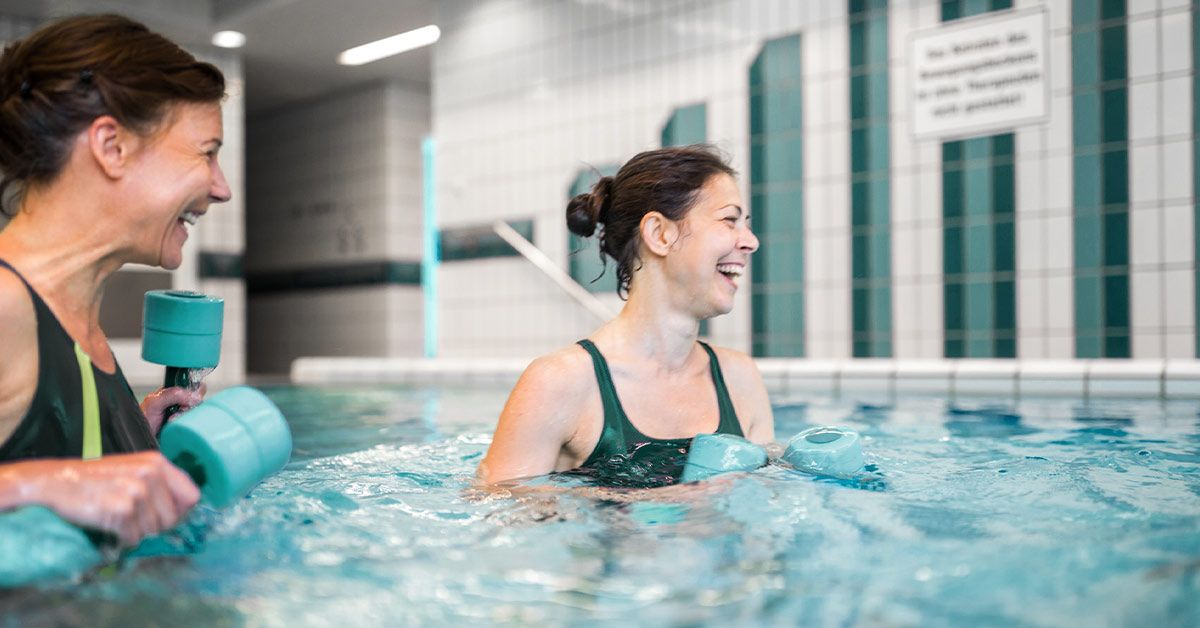
Walking, prenatal yoga, swimming, and simple stretching can help circulation and reduce fluid buildup. Swimming or being in a pool may feel especially soothing because water pressure can make swollen limbs feel lighter.
Before starting a new exercise routine, ask your healthcare provider what is safe for your pregnancy. If you already have clearance, keep it gentle and consistent. The best activity is one you can actually do without feeling punished by your own calendar.
Swollen Hands and Pregnancy Carpal Tunnel
Sometimes swollen hands during pregnancy are not just about puffiness. Fluid retention can increase pressure in the wrist and compress the median nerve, causing pregnancy-related carpal tunnel syndrome. Symptoms may include tingling, numbness, burning, weakness, pain, or a “pins and needles” feeling in the thumb, index finger, middle finger, and part of the ring finger.
Carpal tunnel symptoms may be worse at night or first thing in the morning. Natural relief may include wrist splints, neutral wrist positioning, gentle stretching, breaks from repetitive hand tasks, and cool compresses. If symptoms interfere with sleep, grip strength, driving, work, or daily activities, talk with your provider. Physical therapy or occupational therapy may help.
When Swollen Hands Could Be a Warning Sign
Most mild swelling is part of the normal pregnancy package, right between “why am I crying at a cereal commercial?” and “why did I walk into this room?” Still, some swelling should be taken seriously.
Contact your healthcare provider promptly if you notice sudden swelling in your hands or face, swelling around your eyes, a severe or persistent headache, blurry vision, seeing spots, upper right abdominal pain, nausea or vomiting that feels unusual, shortness of breath, chest pain, or blood pressure readings above the range your provider gave you. These can be signs of preeclampsia or another condition that needs medical evaluation.
Also seek care if swelling is only on one side, especially if it is paired with pain, warmth, redness, or tenderness. One-sided swelling can sometimes point to a circulation problem or blood clot, which needs urgent care.
What Not to Do for Pregnancy Swelling
Natural does not automatically mean safe during pregnancy. Avoid herbal diuretics, detox teas, “water pills,” extreme salt restriction, or supplements marketed for swelling unless your healthcare provider specifically approves them. Some products can affect blood pressure, hydration, kidney function, or pregnancy safety.
Do not ignore swelling because a friend said, “Oh, that happened to me.” Friends are wonderful. Friends bring snacks. Friends are not a blood pressure cuff, urine test, or prenatal care team. If swelling feels sudden, severe, or strange, call your provider.
A Simple Daily Routine for Swollen Hands During Pregnancy
Here is an easy routine you can adapt:
- Morning: Before getting out of bed, open and close your hands slowly ten times. Rotate your wrists and drink a glass of water.
- Midday: Take a short movement break. Walk for a few minutes, stretch your shoulders, and elevate your hands if they feel puffy.
- Afternoon: Choose a balanced snack with protein, such as Greek yogurt, cheese and whole-grain crackers, hummus with vegetables, or apple slices with peanut butter.
- Evening: Use a cool compress if your hands feel tight. Remove rings and avoid tight wristbands.
- Night: Sleep with wrists neutral. Use pillows for side sleeping and consider provider-approved wrist braces if tingling wakes you up.
This routine is not magic, but it can make the swelling feel more manageable. Pregnancy comfort often comes from small habits stacked together, like tiny bricks in a house built entirely out of pillows and snacks.
Practical Examples: What Relief Can Look Like
Example 1: Puffy Fingers After Work
If your hands swell after a long day at a desk, the cause may be a mix of fluid retention, posture, wrist position, and limited movement. Try hourly hand stretches, a short walk, drinking water steadily, and keeping wrists straight while typing. Elevate your hands for 10 minutes after work.
Example 2: Morning Hand Stiffness
If your fingers feel stiff when you wake up, fluid may be shifting overnight. Try sleeping with wrists straight, using a pillow to support your arms, and doing slow finger movements before grabbing your phone. If numbness or tingling is frequent, ask about pregnancy carpal tunnel.
Example 3: Swelling During Hot Weather
Heat can make swelling worse. Stay cool, rest in shade or air conditioning, drink fluids, use cool compresses, and avoid long outdoor errands during the hottest part of the day. If swelling becomes sudden or is paired with other symptoms, call your provider.
Experience-Based Notes: What Swollen Hands During Pregnancy Often Feels Like
Many pregnant people describe hand swelling as one of those symptoms that sounds minor until it moves into your life and starts touching everything. Suddenly, opening a jar feels like a competitive sport. Your rings, once loyal and decorative, become tiny metal traitors. Your fingers may feel tight when you make a fist, and your hands may look puffier after errands, chores, warm weather, or a long day at the computer.
A common experience is waking up with hands that feel stiff, heavy, or slightly numb. Some people say the first few minutes of the morning are the worst. They flex their fingers slowly, rotate their wrists, and wait for the “tin man” feeling to wear off. Others notice swelling at night, especially after eating salty restaurant food or spending the day on their feet. The swelling may not look dramatic to anyone else, but inside your hands it can feel like your fingers are wearing invisible mittens.
Another very real experience is ring anxiety. Many pregnant people wait too long to remove rings because they think, “It is not that bad yet.” Then one humid afternoon arrives, and the ring suddenly seems to have signed a lease. A smart move is to remove rings early and wear them on a necklace if they are sentimental. It can feel strange at first, but it is much better than dealing with a stuck ring when your fingers are already uncomfortable.
Typing and phone use can also become surprisingly annoying. A swollen wrist may make scrolling, texting, cooking, writing, or gripping a steering wheel feel uncomfortable. This is where small adjustments matter. Taking hand breaks, using voice-to-text, stretching the wrists, and avoiding long sessions in one position can reduce irritation. A wrist brace at night, if approved by a provider, can be a small change with a big comfort payoff.
Some people feel frustrated because hand swelling is not always “fixable” in one dramatic step. It may improve one day and return the next. That does not mean you are doing anything wrong. Pregnancy fluid shifts are influenced by hormones, temperature, activity, sleep position, diet, and your body’s changing circulation. The realistic goal is not always to erase swelling completely. Sometimes the win is making your hands feel less tight, sleeping better, and knowing which symptoms are safe to monitor versus which ones need a phone call.
The emotional side matters too. Swollen hands can make people feel unlike themselves. Jewelry may not fit, favorite shoes may be on temporary leave, and the body can feel unfamiliar. Be kind to yourself. Your body is not “failing”; it is adapting to pregnancy in a very physical, very fluid-filled way. Gentle routines, good hydration, rest, and open communication with your care team can make the experience less stressful.
The best mindset is calm attention. Notice patterns. Does swelling get worse after heat, salty foods, long standing, or poor sleep? Does it improve with water, cool compresses, elevation, or movement? Keep your provider updated, especially if symptoms change. You deserve comfort, reassurance, and carenot just a cheerful “welcome to pregnancy” while your fingers feel like marshmallows.
Conclusion
Swollen hands during pregnancy are usually caused by normal fluid retention, increased blood volume, and circulation changes. Natural treatments such as hydration, hand elevation, gentle movement, cool compresses, balanced nutrition, comfortable clothing, and neutral wrist positioning can help reduce discomfort. If tingling, numbness, or wrist pain appears, pregnancy-related carpal tunnel may be involved.
The most important rule is simple: gradual, mild swelling is often normal, but sudden or severe swellingespecially in the hands, face, or around the eyesshould be discussed with your healthcare provider right away. Trust your body, track your symptoms, and never feel silly for calling your care team. Pregnancy already comes with enough mysteries. Your health should not be one of them.